
There was a time when a gift wasn’t truly complete until a handwritten card arrived in the post a few days later. The act of sitting down with paper, pen, and genuine thought was considered as much a part of the exchange as the gift itself. That quiet ritual is now slipping away, replaced by a quick text, a thumbs-up emoji, or nothing at all.
It’s easy to dismiss this as mere nostalgia, a sentimental attachment to old-fashioned manners. The truth, however, is more interesting. Research into human psychology, communication, and even neuroscience suggests that the handwritten thank-you card does something measurable for both the person writing it and the person receiving it. Losing it may cost us more than etiquette.
A Tradition Rooted in Something Real
The thank-you card wasn’t invented by etiquette coaches. It grew organically from cultures where acknowledging a gift or favor was considered a matter of social and moral responsibility. Thank-you notes have long been treated as acts of completion: a gift is not fully received until the giver has been thanked, and an experience is not fully shared until gratitude is expressed to those who made it possible.
This framing matters. It positions the card not as a formality, but as the closing chapter of a shared moment. When that chapter goes unwritten, something stays open, unacknowledged. People notice, even if they don’t say so.
What Digital Communication Changed
In the current technology-centered world, the frequency of typed text and digital communication has reduced the significance of handwritten letters and notes. The shift happened gradually, then all at once. Email arrived, then SMS, then social media, and then a thousand messaging apps that made instant acknowledgment both possible and expected.
Beyond education, the decline of handwriting has cultural and emotional implications. In a world where digital communication has become the default, the personal touch of a handwritten letter or note is becoming rarer. A handwritten letter conveys effort, thoughtfulness, and personal investment in a way that an email or text cannot replicate. Speed became the primary value, and the slower, more deliberate gesture quietly lost ground.
The Neuroscience Behind Pen and Paper

Studies have demonstrated that writing notes by hand rather than typing them on a computer or tablet improves understanding and recall. The physical act of writing encourages deeper comprehension and memory consolidation by involving the brain differently. This isn’t a minor distinction. It means that when you write a thank-you card, you’re actively embedding the experience and the person into your memory in a way that typing simply doesn’t replicate.
Research shows that people who handwrite thank-you notes have better recall of the gifts they received and the people who gave them. The physical act of writing creates stronger neural pathways than typing, embedding the gratitude more deeply in memory. That’s a meaningful benefit, not just for the recipient but for the writer.
We Underestimate How Much It Means to the Recipient
One of the most consistent findings in gratitude research is that the people writing thank-you notes dramatically misjudge how their recipients will feel. People expressing gratitude underestimated how pleasantly surprised recipients would be to receive a handwritten “thank you” and how positive the expression of gratitude made recipients feel. On the flip side, people who wrote thank-you letters overestimated the potential awkwardness that someone receiving a heartfelt thank-you note would experience.
Research published in the journal Psychological Science found that people who receive thank-you notes felt notably happy. In fact, the word “ecstatic” was often checked on the questionnaire study participants filled out after receiving a thank-you note. We’re holding back something genuinely impactful because we’ve talked ourselves into thinking it would be weird or unnecessary.
The Greeting Card Market Tells Its Own Story
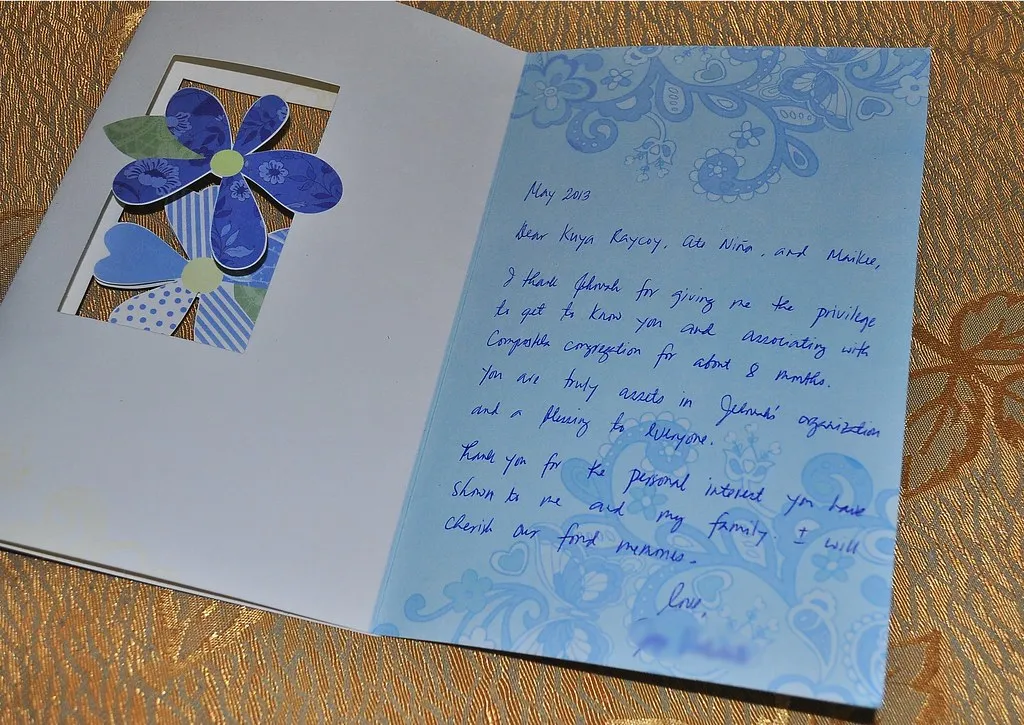
Despite the dominance of digital messaging, the market for physical cards hasn’t collapsed the way many predicted. The thank-you card segment remains essential for expressing gratitude across personal and professional interactions. These cards gain demand through frequent use in events, customer appreciation efforts, and personal acknowledgments, maintaining consistent relevance in the overall product mix.
Thank-you cards consistently lead greeting card searches, peaking at a normalized value of 94 in December 2024 during the holiday season and stabilizing around 70 to 83 in other months. A notable dip occurs in January 2025, likely due to post-holiday fatigue. People are still looking for thank-you cards in significant numbers. The habit hasn’t died. It has just become inconsistent.
Weddings, Jobs, and the Occasions That Still Demand One
Out of 109 respondents surveyed in 2024, 105 customers had recently sent or would send a thank-you card. That’s a remarkably high figure. Unsurprisingly, weddings and other major events topped the list of occasions people still consider worthy of a physical card. There are social contexts where a typed message still feels insufficient.
Job interviews represent a more nuanced case. Many professionals now debate whether a post-interview thank-you email is sufficient or whether a handwritten note still carries meaningful weight. The evidence from etiquette researchers leans toward the handwritten option making a stronger impression, particularly in competitive hiring situations where standing out is the entire goal.
What a Proper Card Actually Requires
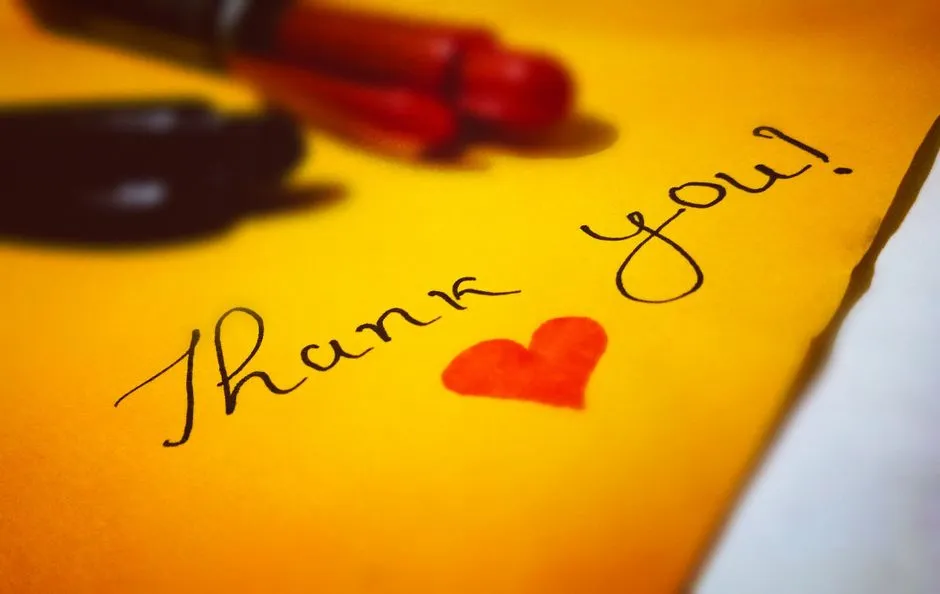
The decline of the thank-you card has, in part, come from a fear of doing it wrong. People aren’t sure what to write or how long it should be. The basics, though, have remained unchanged for generations: acknowledge the specific gift or gesture, say something genuine about why it mattered, and close warmly. Four to six sentences is often enough.
The sound of slicing open an envelope, the texture of the paper on your fingertips, and even the smell of fresh paper and envelope glue all help make receiving a handwritten note a memorable experience. Handwritten notes add an extra touch of sincerity that you just can’t replicate with a digital message. The physical experience of the card matters, which is why the paper you choose, the legibility of your writing, and the timing of delivery all contribute to the impression it makes.
The Problem with Personalization Going Digital
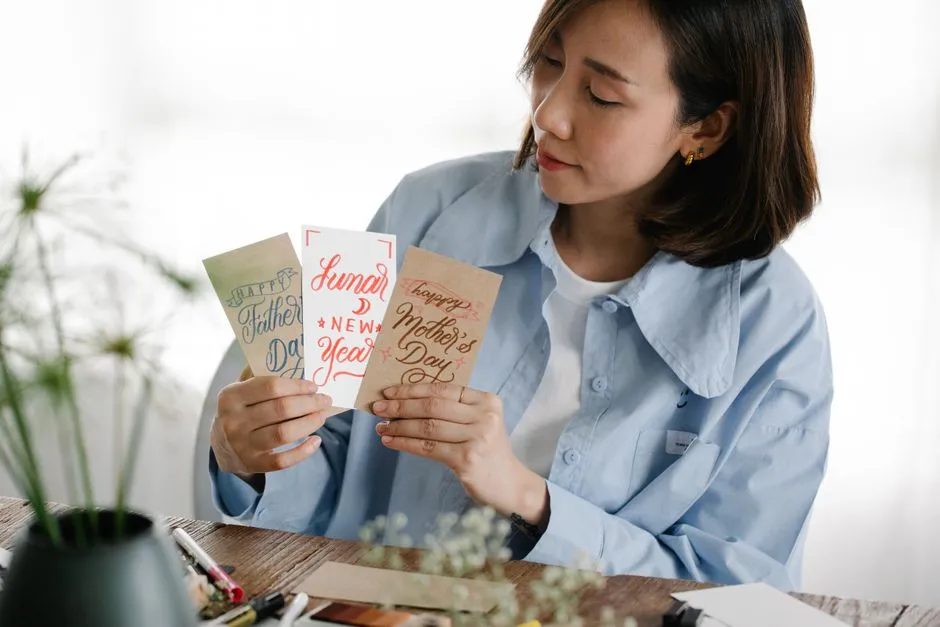
The greeting card industry has responded to shifting habits by doubling down on personalization, but through digital means. In 2024, personalized cards held a dominant market position with a 44.9% share. Buyers increasingly seek custom messages, photos, and unique templates, making personalization a preferred option for emotional gifting and special celebrations.
There’s an irony here worth noting. The demand for personalization is clearly real. People want the card to feel specific and considered. The act of writing by hand has long been a medium for deep, personal expression. For centuries, people have used handwriting to communicate love, grief, joy, and other emotions, something that feels more intimate than a text message. Digitally customizing a template still doesn’t close that gap completely.
What Younger Generations Are Rediscovering
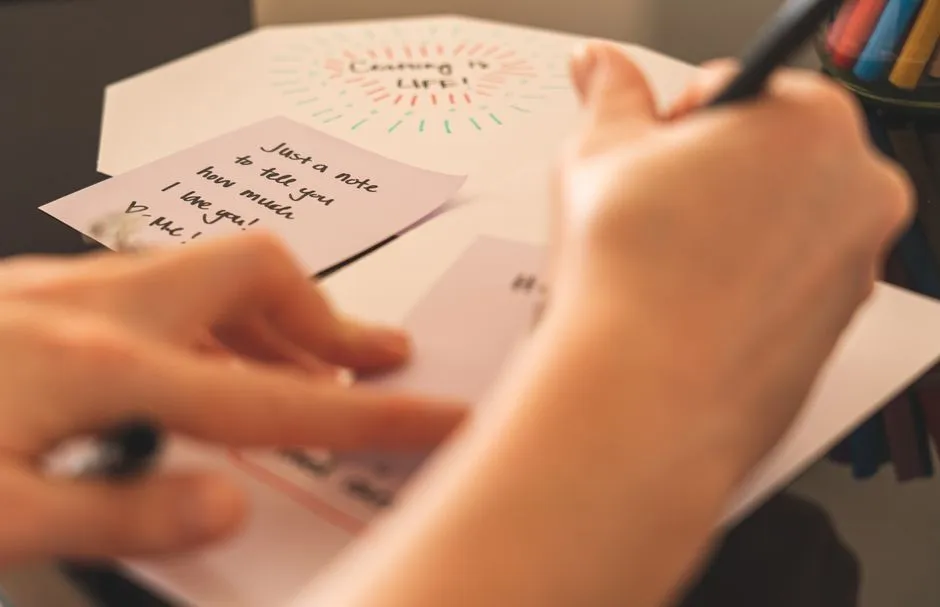
There are signs of a quiet revival, particularly among younger adults who grew up entirely within digital communication. For some, receiving a handwritten card feels genuinely novel and moving precisely because it’s rare. The scarcity has given it new weight. Research suggests that people who choose to handwrite thank-you notes in 2025 aren’t just practicing good manners. They’re cultivating qualities that make them more present, more connected, and more fully human in an increasingly digital world.
The greeting card market faces challenges including digital substitution from free messaging applications such as WhatsApp and Instagram, particularly among Gen Z consumers. Yet that same demographic also shows curiosity about analog rituals, from vinyl records to film photography to, yes, handwritten correspondence. The resistance to screens isn’t purely generational.
The Quiet Cost of Skipping It
The prosocial gesture of expressing gratitude in a handwritten note boosts positive emotions and well-being for both the letter-writing expresser and the recipient of the stated appreciation. That’s a two-sided benefit that a three-word text simply can’t match. When we skip the card, we’re not just forgoing a formality. We’re choosing speed over depth at a moment that deserved something more.
As we spend more time with screens, we become disconnected from the tactile sensations of writing. The physical act of forming letters, the feel of the pen on paper, and the time it takes to write thoughtfully are being replaced by the speed of typing. The deliberate, mindful process of writing by hand has been replaced by the efficiency of digital communication, which often values speed over quality. The thank-you card is one of the last places where slowing down was not just acceptable, but expected.
The Takeaway
Proper thank-you cards aren’t disappearing because people care less about gratitude. They’re disappearing because convenience has made genuine effort feel optional. That’s a shift worth pausing on.
The research is consistent: recipients feel more than we expect them to, writers benefit more than they anticipate, and the physical act of writing by hand does something to the brain and the relationship that a notification ping simply cannot. A card sent thoughtfully, even a short one, can outlast the gift it was written to acknowledge. That’s not sentiment. That’s just how it works.
AI Disclaimer: This article was created with the assistance of AI tools and reviewed by a human editor.