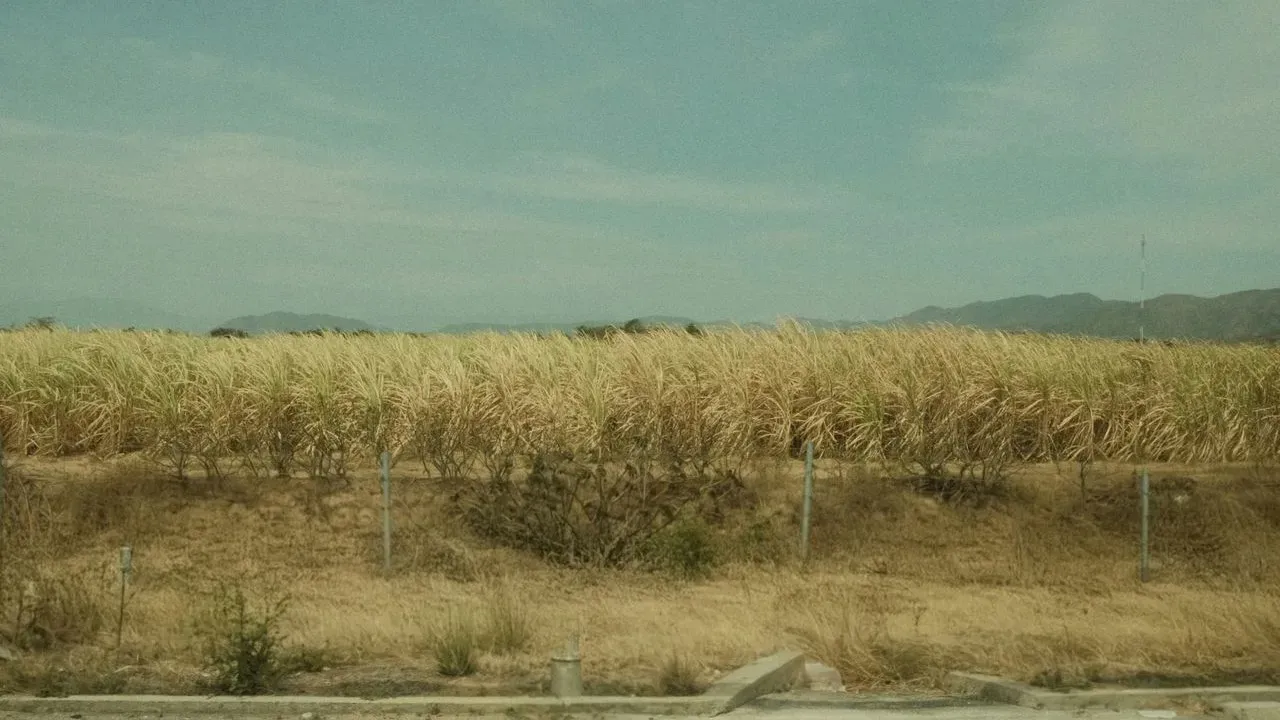

Households already adjusting to higher costs for bread, pasta, and meat now face another potential increase at the checkout. Sugar prices climbed sharply in August, adding to the list of crops influencing grocery bills after recent moves in wheat and corn. The surge stems from familiar pressures that link weather, energy markets, and shifting production decisions across continents. ([1])
August Rally Stands Out
Sugar futures rose 21.5 percent during the month, the largest single-month gain since 2010. The move lifted sugar ahead of the broader stock market on a year-to-date basis and turned a usually steady commodity into a fresh source of food-price concern. The United Nations Food and Agriculture Organization recorded an 11.9 percent jump in its sugar price index for the same period.
Lower sugar beet yields in Europe, reduced Brazilian output, and El Niño effects in key Asian growing regions all contributed. India’s move to permit duty-free raw sugar imports for the first time since the 2017-18 season further signaled tightening supplies. These developments arrived while oil prices remained above $90 a barrel, creating additional ripple effects.
Brazil Weighs Sugar Against Ethanol
Brazil supplies roughly half of global sugar exports, giving its mills a choice most other crop producers lack. They can process sugarcane into either sugar or ethanol, depending on which offers better returns. Higher oil prices tilt the economics toward ethanol, pulling cane away from sugar exports and tightening world availability.
Corn also serves as an ethanol feedstock. Any weather-driven drop in corn output could raise its value for fuel production and encourage Brazilian mills to favor ethanol even more. The result is a tighter sugar market shaped by energy prices as much as by harvest conditions.
India’s Weather Adds Uncertainty
India ranks among the world’s largest sugar producers and consumers. After two weak crops, the country authorized one million metric tons of duty-free raw sugar imports to protect domestic supplies. Below-normal rainfall, especially in September, now raises concerns that a weak monsoon could hurt both current sugarcane and future planting decisions.
When a major producer shifts to importer status, global balances change quickly. The market has less room to absorb further supply shocks from weather or policy moves elsewhere.
What Shoppers May Notice
Sugar appears in a wide range of center-store items, from candy and cereal to sauces, beverages, and prepared foods. Manufacturers facing higher ingredient costs can absorb the increase, adjust prices, trim promotions, alter package sizes, or switch sweeteners. Shoppers often encounter a mix of these responses rather than one dramatic jump on a single product.
USDA data showed sugar and sweets prices 7.4 percent higher in July than a year earlier, with a 7.1 percent rise projected for the full year. The agency’s outlook for 2026/27 actually points to higher overall U.S. sugar supplies, thanks to imports and inventories offsetting lower domestic production. The pressure on retailers and consumers therefore depends more on how manufacturers pass costs along than on any single headline number.
Interconnected Pressures Ahead
Commodity, energy, and weather factors now move across crops in ways that affect the entire grocery basket. Wheat influences bakery and pasta. Corn touches meat, dairy, and ingredients through feed and fuel uses. Sugar reaches deep into confectionery, beverages, and packaged goods. None of these needs to double in price to create noticeable effects after years of accumulated increases.
Consumers may respond by trading between brands, package sizes, and categories in search of value. Lower-margin items could see changes first, while promotions become more selective. The pattern suggests ongoing vigilance rather than a single, isolated spike.
AI Disclaimer: This article was created with the assistance of AI tools and reviewed by a human editor.