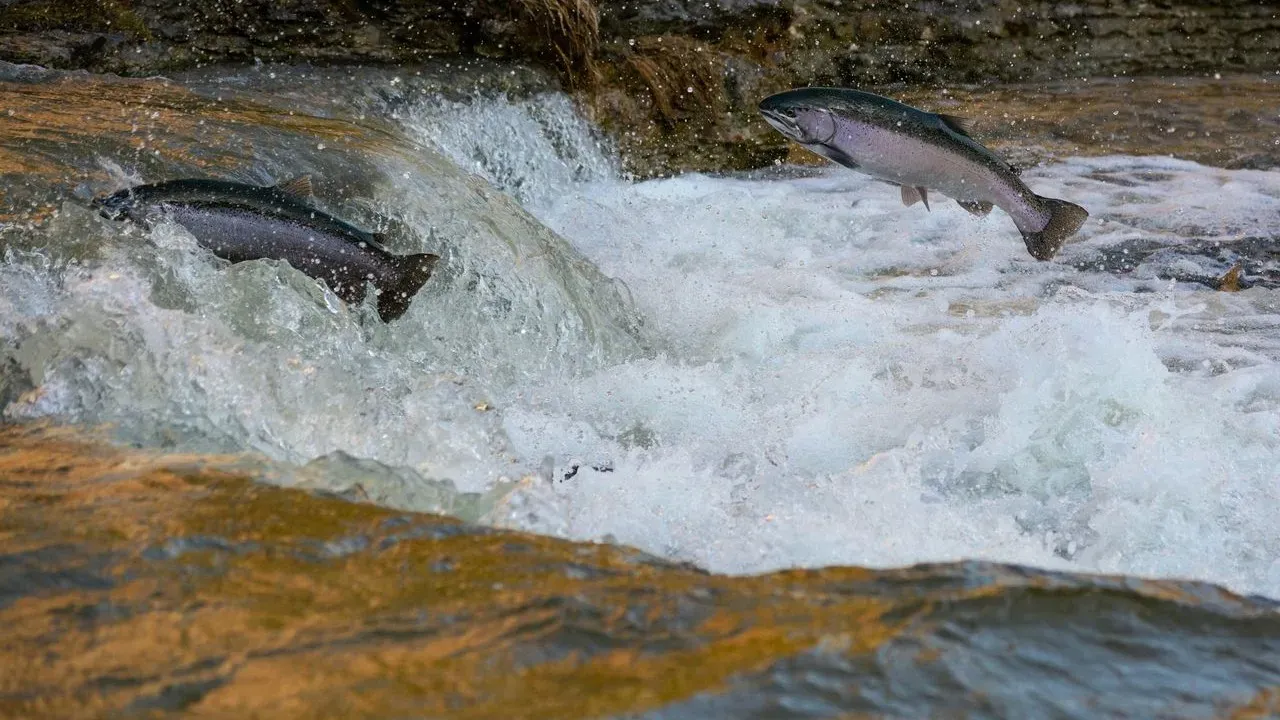

Bristol Bay, Alaska – At the mouth of the Naknek River, set-netter Nathan Hill and his crew haul sockeye from their 100-yard net as the tide turns. Their careful handling, from quick bleeding to chilled transport, stands in contrast to the volume-driven approach of the large processors that dominate the fishery. The world’s largest salmon run remains steady even as global stocks decline, yet recent consolidation has concentrated control in fewer hands.
Consolidation Reshapes a Historic Fishery
Three companies now handle the bulk of Bristol Bay sockeye after years of mergers and acquisitions. Trident Seafoods, Canfisco, and Silver Bay Seafoods together process the majority of the catch, with Silver Bay alone reportedly managing well over half the volume in recent seasons. A decade earlier, ten or more sizable processors operated in the region, including names such as Leader Creek, Ocean Beauty, and Peter Pan. ([1])
Prices paid to fishermen have stayed largely flat since the 1980s despite inflation and fluctuating harvests. A strong 2022 run produced a market glut that dropped the base price from $1.15 per pound to 50 cents the following year. Further plant purchases by Silver Bay in 2024 and 2025 tightened options for independent operators seeking better terms.
Quality and Control Slip as Scale Takes Over
Norman Van Vactor, who spent decades in the fishery and later advised one of the major processors, observed that incentives once used to reward careful handling have been scaled back. Prompt bleeding, protective deck mats, and limits on bag size helped maintain fillet quality for decades, yet efficiency now often overrides those practices. The result, he noted, feels at times like a race to the bottom.
State biologist Travis Elison points out that the sheer volume arriving in a short window makes any extra quality step costly. Without large-scale capacity, spawning grounds could face overload, but the current structure leaves many fishermen with little leverage over how their catch is treated once it leaves the boat.
Direct Marketers Offer an Alternative Path
Amanda Wlaysewski launched Kvichak Fish Company in 2012 to keep the connection between harvester and consumer intact. Her small plant processes fish by hand, paying a base of $2 per pound and returning portions to fishermen for their own sales. The operation handles roughly a quarter-million pounds each season, a fraction of the industrial total, yet it provides a steadier return and greater agency.
Reid Ten Kley built Iliamna Fish Company after years of low prices that made fishing barely viable. By forming a cooperative and buying back catch, he and his neighbors gained access to higher-value markets on both coasts. Shannon Ford Ward, a fourth-generation set-netter, now sells at farmers’ markets after shifting away from the major processors, citing greater stability and control over her operation.
Vojta Novak is converting a retired barge into a larger direct-marketing facility on the Naknek waterfront. His goal is to expand capacity while maintaining higher payments and community-focused service. He tells fishermen simply to fish for themselves rather than for any single buyer.
Small Moves That Could Shift the Balance
Even modest increases in direct sales create pressure on the dominant processors. When a small operator posts a stronger preseason price, larger buyers sometimes respond to retain loyalty. Ten Kley observed that small threats can prompt big players to adjust their approach.
The Bristol Bay run continues to deliver reliable harvests, with roughly 30 million fish taken in a typical recent season. For fishermen who value both fair compensation and respectful treatment of the resource, the emerging alternatives provide a practical way to retain more of the value chain. The outcome will depend on whether enough operators choose those routes to keep competition alive.
AI Disclaimer: This article was created with the assistance of AI tools and reviewed by a human editor.