

Waking up with a pounding head and a queasy stomach is a well-known human experience, yet the science of what actually happens to the body overnight is more involved than most people realize. A hangover isn’t simply “too much alcohol.” Your body is dealing with overlapping problems at once: alcohol is a diuretic, so you’ve lost fluids and key minerals like potassium, sodium, and magnesium, and your liver has been converting alcohol into a toxic compound called acetaldehyde, which causes nausea, headaches, and that general feeling of being poisoned.
Research on hangovers is limited, and the exact processes behind them are poorly understood. It’s thought that the body experiences specific hormonal and immune responses during a hangover that trigger different symptoms. While there is no known cure for hangovers, several foods and drinks may alleviate symptoms. What follows is a gallery of seven of the most evidence-supported options worth keeping in your kitchen.
1. Eggs: Your Liver’s Best Morning Ally
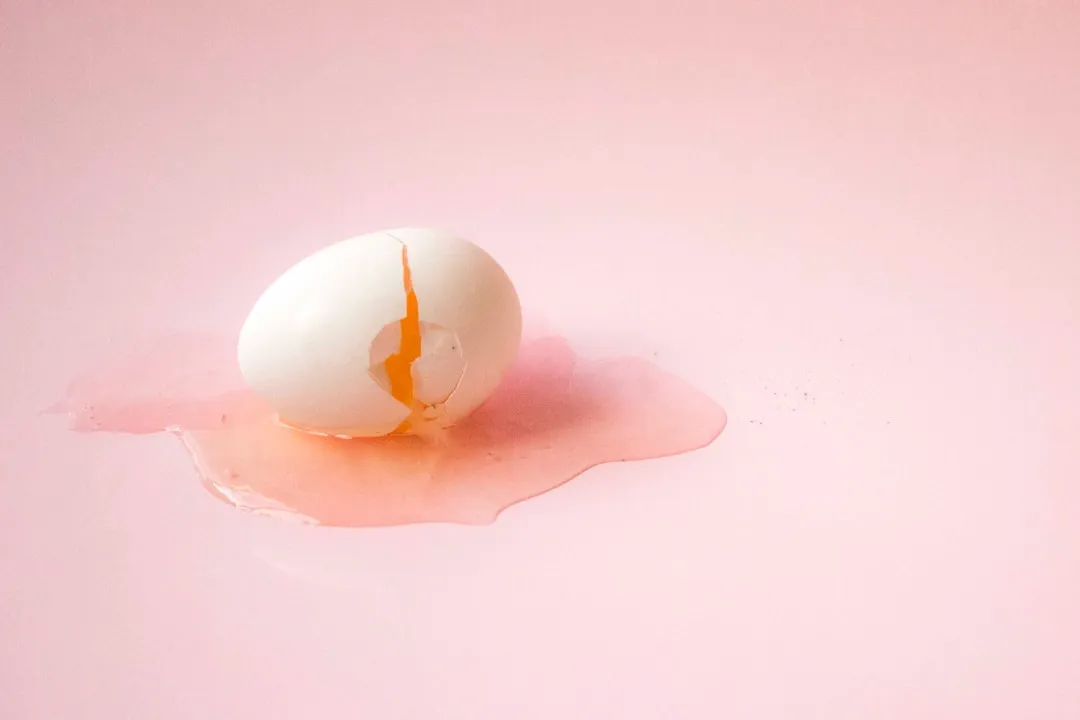
Eggs are one of the most effective hangover foods because they contain L-cysteine, an amino acid that directly neutralizes acetaldehyde. L-cysteine binds to acetaldehyde and forms a stable, harmless compound your body can easily eliminate. In lab studies, L-cysteine has been shown to sequester acetaldehyde both in the bloodstream and in the brain.
In a study with mice, ethanol administration significantly depleted glutathione levels in the liver by over half after six hours, and 24 hours after having ethanol, glutathione was still not back to its normal levels. As drinking alcohol may reduce the body’s glutathione stores for up to a day afterward, consuming cysteine-rich foods like eggs may help eliminate the buildup of alcohol-related toxins that make you feel ill.
Research from the University of Helsinki confirmed that L-cysteine alleviates hangover symptoms through this mechanism. Eggs are one of the richest dietary sources of L-cysteine, which is one reason a morning-after egg breakfast is more than just tradition. Scrambled, poached, or in an omelet with vegetables, they’re easy on a queasy stomach and provide gentle protein without spiking your blood sugar.
2. Bananas: A Quick Electrolyte Fix
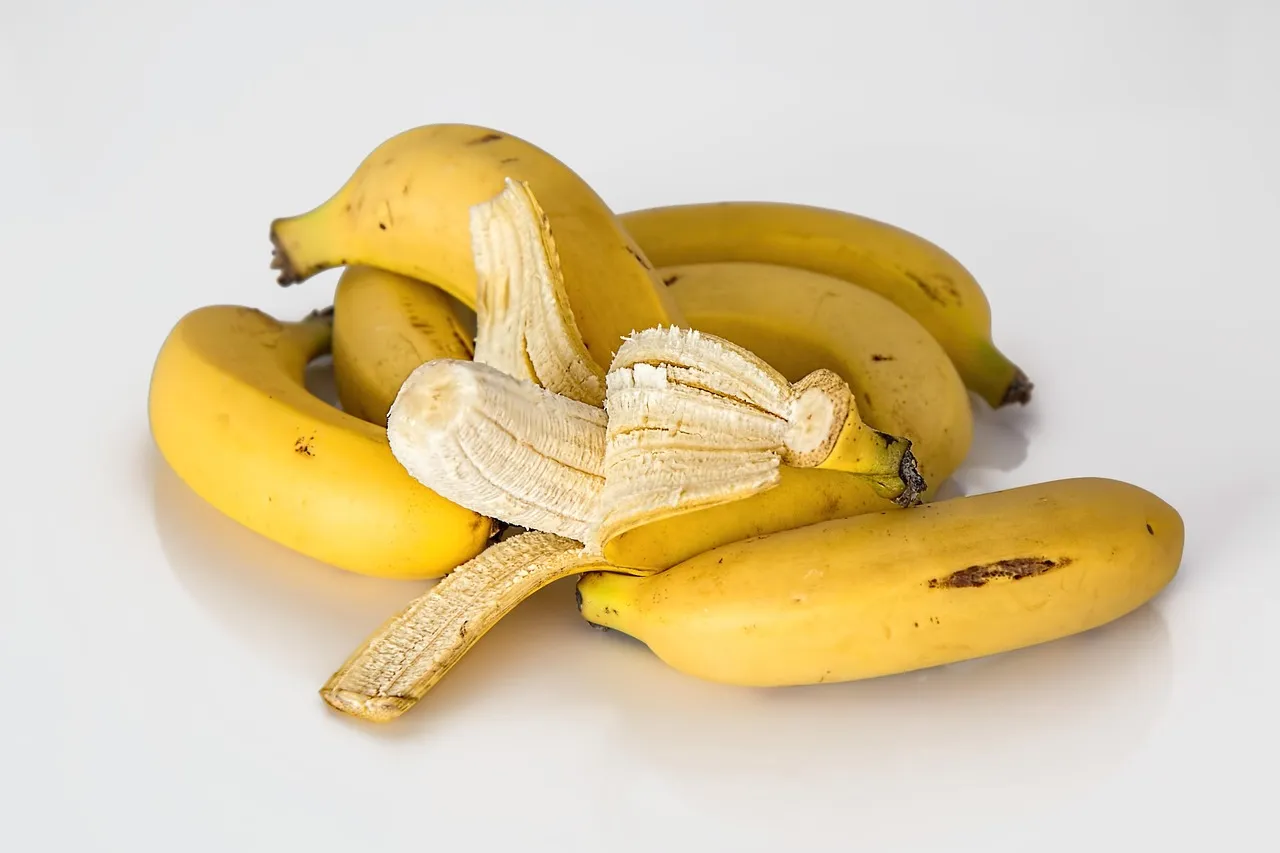
Bananas contain a good amount of potassium. Eating a banana will help to replenish the body’s potassium levels after a night of heavy drinking. Bananas also contain fiber and sugar. Fiber promotes digestion and can alleviate digestive symptoms, while sugar provides the energy a person needs to start the day.
Alcohol’s diuretic effect flushes out potassium, sodium, and magnesium. Low potassium in particular contributes to muscle weakness, cramping, and that overall drained feeling. Because bananas are rich in potassium and gentle on the stomach, they can be great hangover helpers. They might be able to help balance electrolytes without adding to queasiness.
3. Oatmeal: Steadying Your Blood Sugar
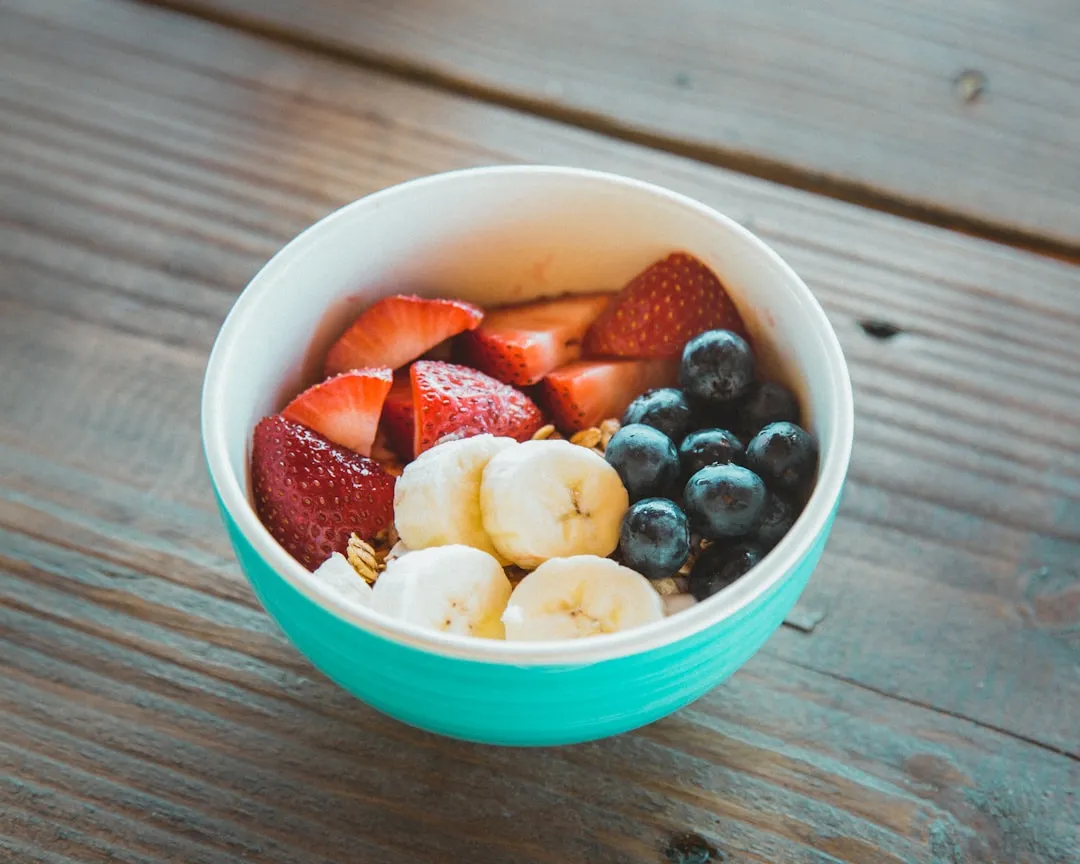
Alcohol interferes with your liver’s ability to release stored glucose, which is why hangovers often come with shakiness, brain fog, and irritability. Plain oatmeal is an ideal fix. It contains beta-glucan, a soluble fiber that raises blood sugar gradually rather than spiking it, improving insulin sensitivity and keeping your energy levels more even over the next few hours.
Complex carbohydrates like whole grain toast, oatmeal, or sweet potatoes provide a slower, more sustained release of energy. They’re also gentle on an irritated stomach, which matters when you’re not sure how much food you can handle. Many people consider oats to be the perfect hangover food, and the reasoning holds up when you look at the physiology.
4. Ginger: The Nausea Fighter
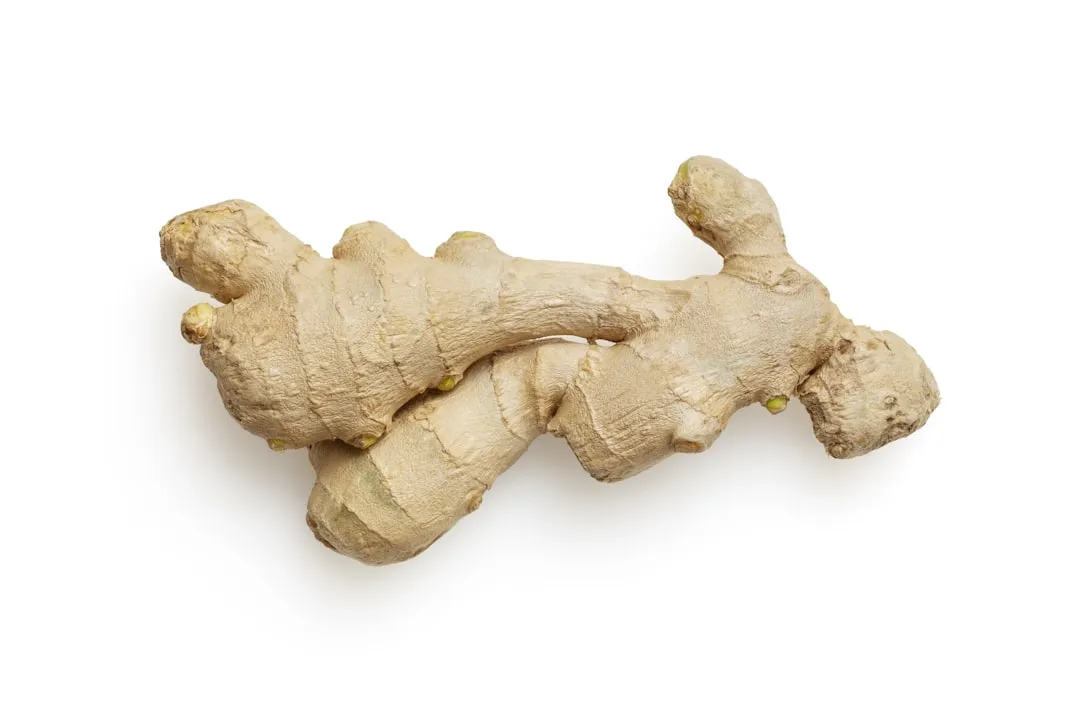
If your primary hangover symptom is feeling nauseous, ginger is your best bet, as it’s been used therapeutically for centuries for upset stomachs and as an anti-nausea agent. It’s thought that ginger reduces nausea because its active compound called gingerol increases the rate of gastrointestinal motility, essentially helping food move through the digestive tract.
If your stomach is the main problem, ginger is one of the most well-supported remedies. It contains two active compounds, gingerol and shogaol, that have direct anti-nausea effects. Compounds in ginger called gingerols and shogaols appear to work by calming the digestive tract and blocking certain nausea signals in the gut and brain. Ginger tea is a practical and stomach-friendly way to get it in early, especially before you feel ready for solid food.
5. Watermelon: Hydration With a Bonus
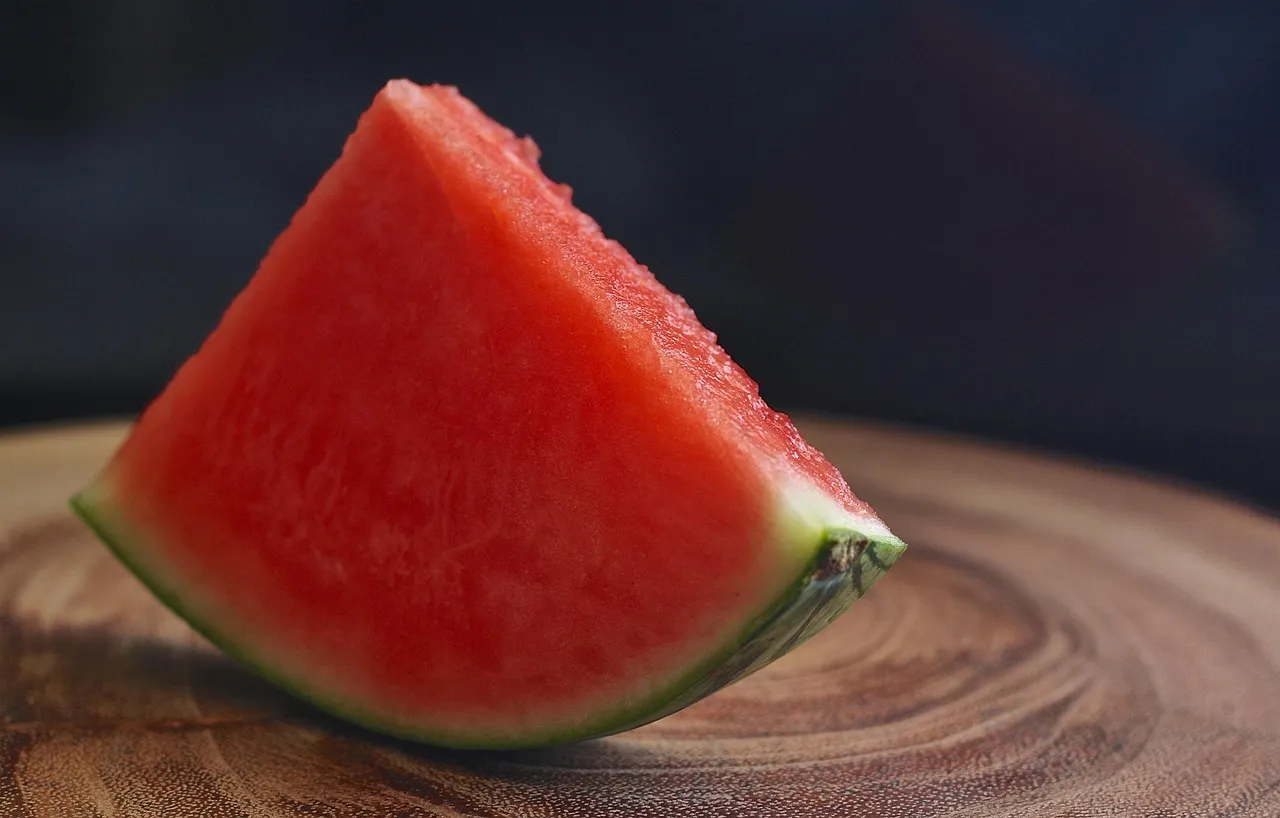
Alcohol blocks the production of a hormone that helps your body hold on to water, leading to dehydration and the loss of electrolytes like potassium and sodium. Watermelon, which is composed of roughly nine-tenths water, addresses this directly while also delivering natural sugars and potassium in a form that’s easy on a sensitive stomach.
Berries, leafy greens, and avocado contribute additional antioxidants that support your body’s recovery from oxidative stress. Watermelon shares similar antioxidant properties, particularly through its lycopene content, which may help dampen the inflammation triggered by heavy alcohol consumption. It’s also one of the gentlest foods you can eat when nothing else sounds appealing.
6. Honey: Supporting Alcohol Clearance
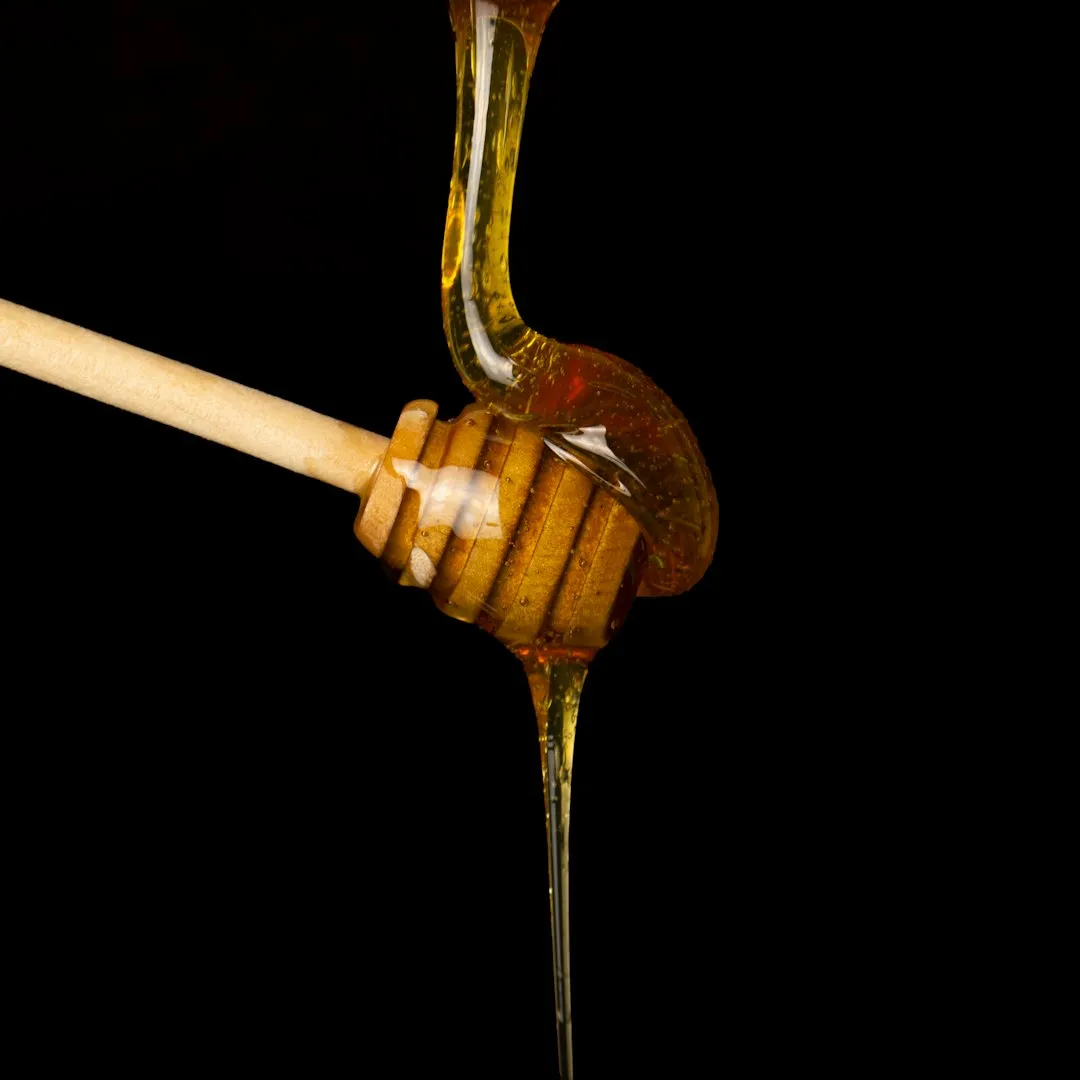
One study found that honey increased blood alcohol elimination rates by roughly 28 to 32 percent. That’s a meaningful boost when your liver is still processing leftover ethanol the morning after.
Honey is also a source of fructose, which has long been associated with supporting the body’s ability to metabolize alcohol more efficiently. Top oatmeal with banana slices for potassium and a spoonful of honey, and you’ve covered blood sugar, electrolytes, and alcohol clearance in one bowl. It’s a small addition with a reasonably solid evidence base, and most people already have it in their kitchen.
7. Spinach: Replenishing Lost Folate
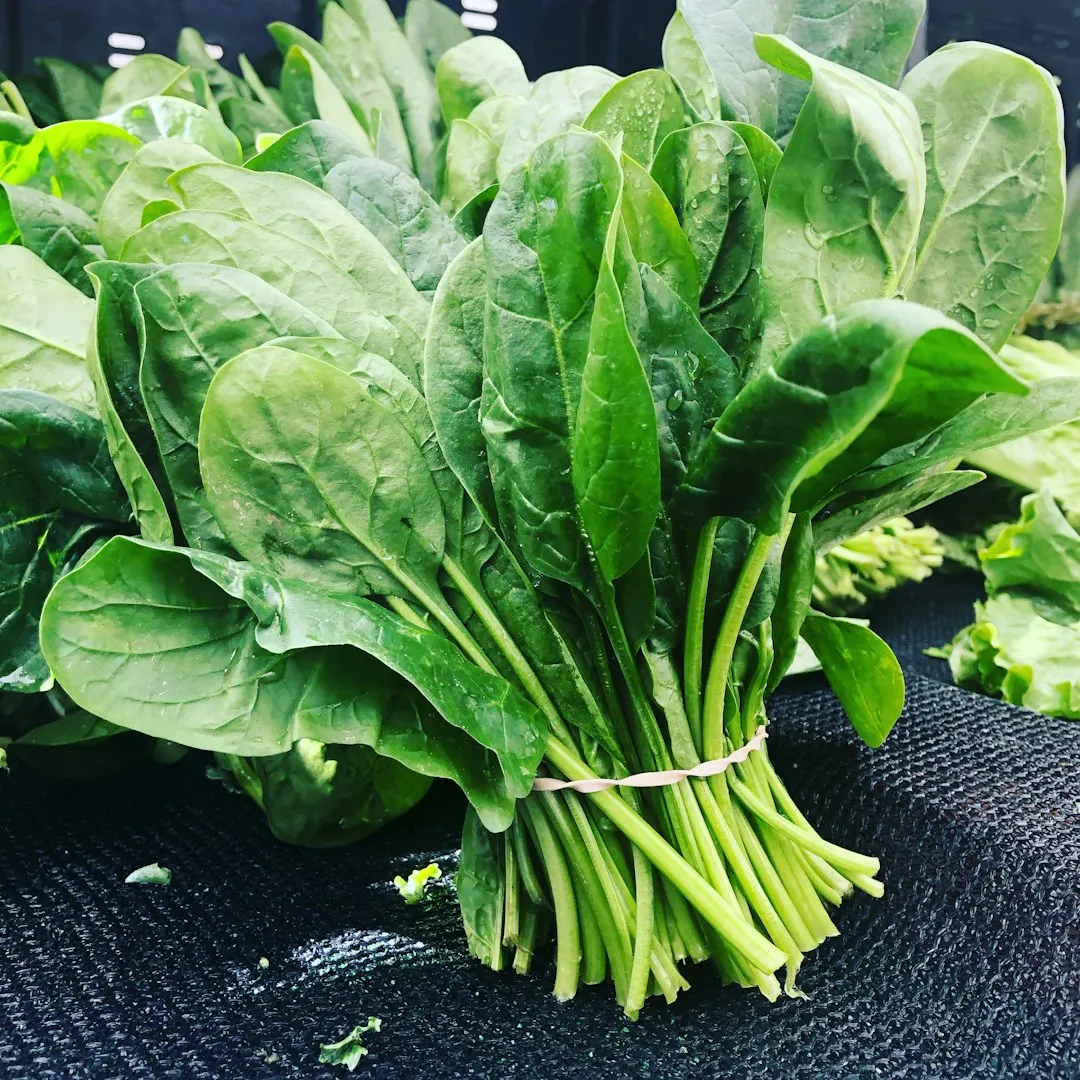
Spinach is rich in folate, a nutrient that diminishes due to heavy drinking. Alcohol impairs folate absorption, and chronic alcohol intake can lead to deficiency. Eating spinach can help you maintain adequate folate levels after drinking alcohol.
In one study of healthy social drinkers, those who consumed more dietary zinc and niacin had significant improvements in next-day hangover severity, especially with vomiting. Leafy greens like spinach contribute both of these nutrients, making them a practical addition to a recovery meal. A simple egg and spinach scramble, then, turns out to cover more nutritional ground than it might appear at first glance.
A Few Foods That May Actually Make Things Worse
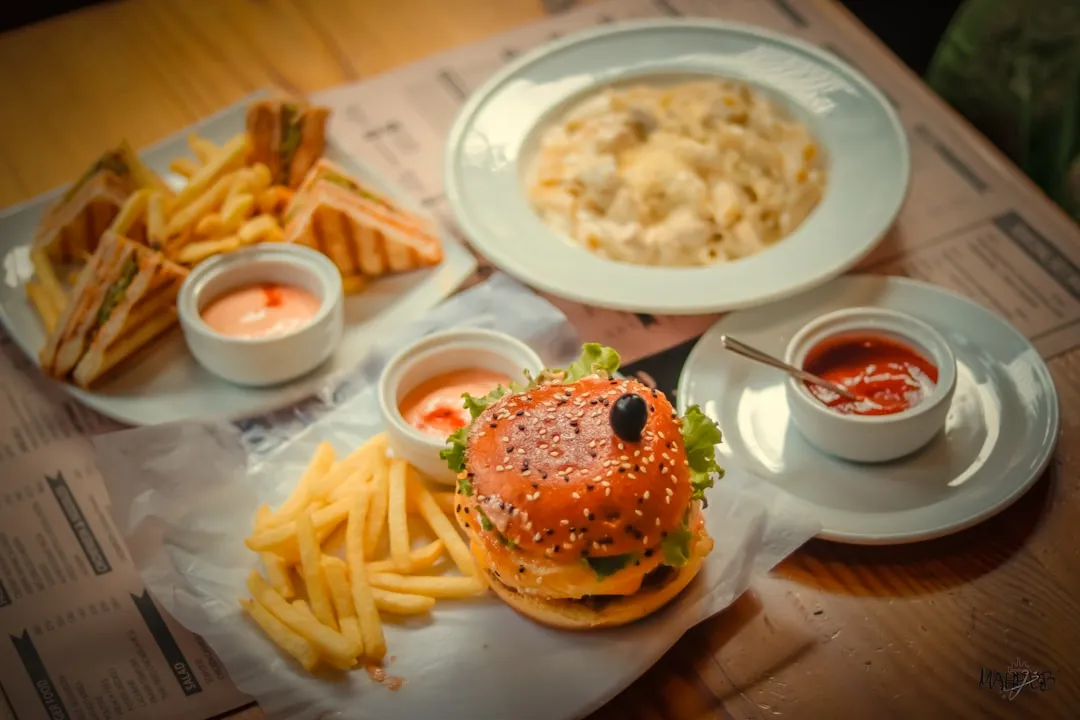
The craving for a greasy breakfast sandwich is almost universal, but heavy, fatty foods can actually make things worse. High-fat meals slow gastric emptying, meaning food sits in your stomach longer. If you have a hangover, try to avoid greasy, spicy, or acidic foods.
Resist the urge to load up on sugary foods or juice. After alcohol disrupts your blood sugar regulation, simple carbohydrates cause a sharp spike followed by another crash, leaving you feeling worse an hour later. The instinct to reach for comfort food is understandable, but the biology points in a different direction.
Understanding What Alcohol Actually Does Overnight

When your liver breaks down alcohol, it first converts it into a toxic compound called acetaldehyde, then into harmless acetate. Acetaldehyde is the real villain: it causes rapid pulse, sweating, nausea, and flushing. In most people, the liver clears it efficiently, but after heavy drinking, the sheer volume overwhelms the system.
The best hangover foods work on multiple fronts: they rehydrate you, restore lost electrolytes, stabilize your blood sugar, and give your liver the raw materials it needs to finish clearing alcohol’s toxic byproducts. No single food fixes everything, but the right combination can shorten your recovery significantly. Knowing which problem each food addresses makes it easier to put together a meal that actually helps.
How to Put It All Together in the Morning

Start with fluids and electrolytes: water, broth, or coconut water. If nausea is severe, try ginger tea first. Once your stomach calms down, move to gentle complex carbs like toast or oatmeal. When you’re ready for a real meal, build it around eggs, salmon, or another protein source with B vitamins, and include potassium-rich foods like bananas or potatoes.
The morning after heavy drinking, your body is dealing with dehydration, disrupted sleep, low blood sugar, and the lingering toxic byproducts of alcohol metabolism. Most hangovers resolve on their own within 24 hours, but what you do in those hours can make a real difference in how quickly you feel normal again.
The Takeaway

None of these foods is a cure. That’s worth saying plainly. While there is no magical cure for a hangover, several foods and drinks may help you feel better. The best way to prevent a hangover is to avoid alcohol altogether or to drink it in moderation. Still, working with the body’s actual recovery mechanisms, rather than against them with greasy or sugary foods, is the most practical approach available.
The foods listed here are modest interventions with real biological rationale behind them. Eggs for acetaldehyde clearance. Bananas for electrolytes. Oatmeal for stable blood sugar. Ginger for nausea. None of them require a pharmacy run. Most of them are already in your kitchen, which is probably the most useful thing about this entire list.
AI Disclaimer: This article was created with the assistance of AI tools and reviewed by a human editor.