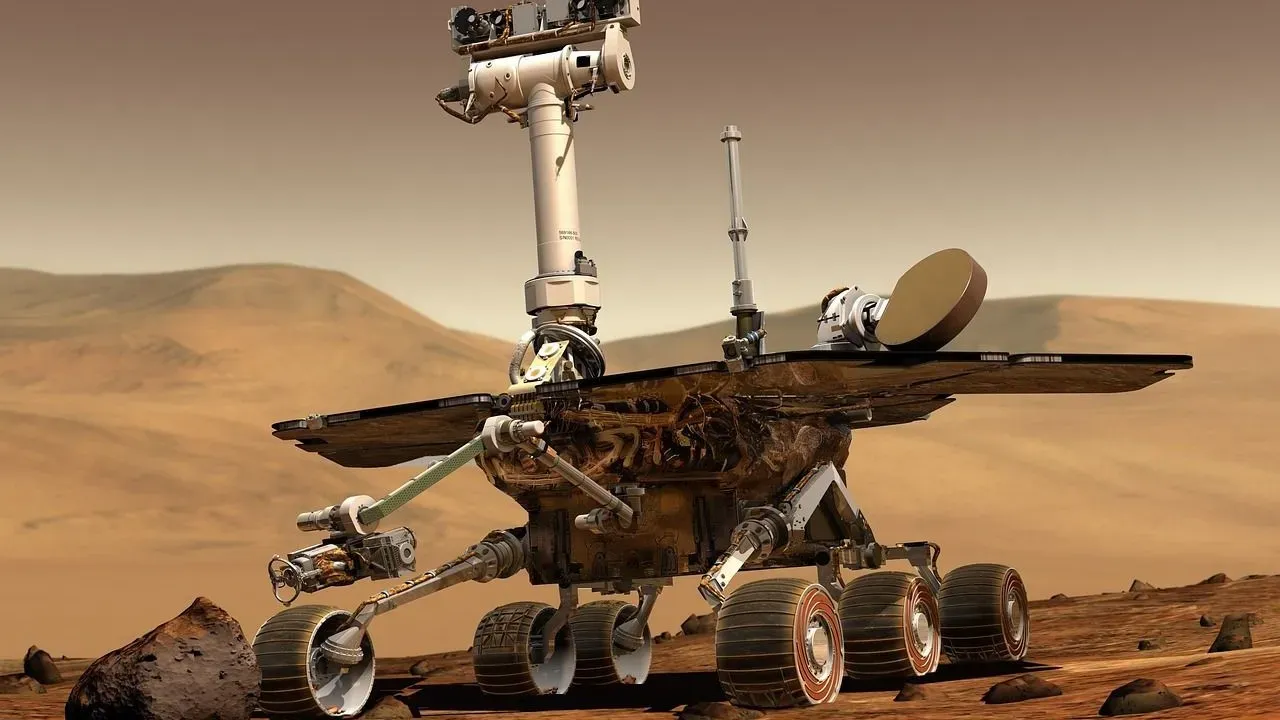

A small nonprofit is preparing to send a probe toward the nearest star system outside our own, with a launch targeted for 2029. The effort stands out because of its modest price tag and the extraordinary length of the journey it envisions. Fermi, the organization behind the project, estimates the spacecraft would require at least 80,000 years to reach Alpha Centauri. ([1])
Why a modest budget draws attention now
Most deep-space missions carry price tags in the hundreds of millions or billions of dollars. Fermi’s plan keeps costs just under $15 million, a figure that reflects a deliberate choice to use existing or low-cost launch options and simplified spacecraft design. That approach shifts the conversation from how much money is required to how long an organization is willing to wait for results.
The timeline places the effort in a different category from typical government or commercial programs that seek returns within a decade or two. Instead, the project accepts that any data or images would arrive long after the people who built the probe are gone. This framing highlights questions about continuity, funding stability, and the transfer of responsibility across generations.
The destination and the journey
Alpha Centauri lies roughly 4.37 light-years from Earth and is the closest star system to our own. Reaching it with current propulsion technology means accepting travel times measured in tens of thousands of years. Fermi’s projection of a minimum 80,000-year transit aligns with the limits of known propulsion methods and the distances involved.
The spacecraft itself would need to operate reliably over that span without maintenance or upgrades. Designers would therefore focus on materials and systems that degrade slowly and require minimal power. The long duration also means the probe must carry its own navigation and communication systems capable of functioning far beyond any current mission lifetime.
Practical consequences for planning and stakeholders
A project measured in millennia changes how organizers think about governance and record-keeping. Success depends on preserving institutional knowledge, securing ongoing support, and ensuring the launch occurs on schedule even if leadership changes. The 2029 target gives the team a concrete near-term milestone while the arrival date remains distant.
Stakeholders include the nonprofit’s members, any partner organizations that supply components or launch services, and future generations who might receive the data. The low budget reduces financial risk for current backers but places greater emphasis on technical simplicity and reliability. If the probe functions as intended, it would demonstrate that interstellar travel is possible on a scale accessible to small organizations rather than only large agencies.
What the effort signals for future exploration
By keeping costs low and accepting an extended timeline, Fermi illustrates one path for expanding humanity’s reach beyond the solar system. The approach does not replace faster, more expensive missions; it complements them by showing what can be achieved with limited resources and patience. Observers will watch whether the 2029 launch window is met and how the spacecraft performs in its early years.
The contrast between a $15 million investment and an 80,000-year voyage underscores a basic reality of interstellar travel: distance and speed still impose severe constraints. Yet the existence of a concrete plan from a nonprofit suggests that interest in reaching other stars extends beyond traditional space agencies. The coming years will reveal how far that interest can carry a single, long-lived spacecraft.
AI Disclaimer: This article was created with the assistance of AI tools and reviewed by a human editor.