

1. Blueberries: Small Fruit, Serious Science
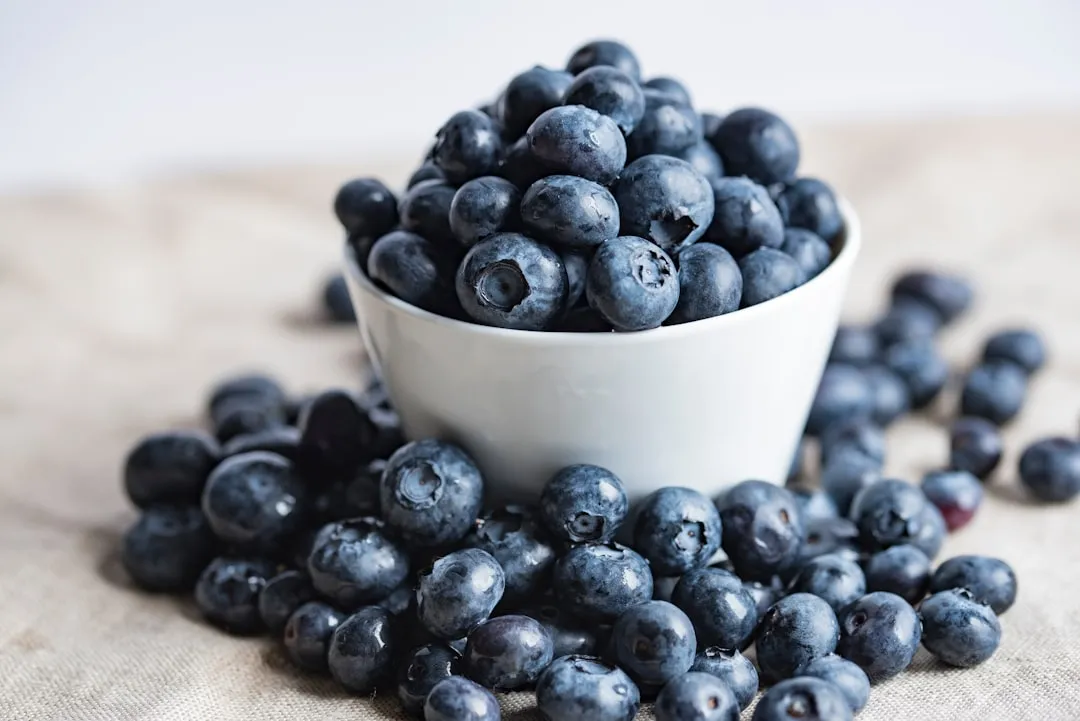
Blueberries have held “superfood” status for years since they have among the highest antioxidant levels of any food, with more than 1,600 studies evaluating their myriad health benefits. That’s not a coincidence. The depth of research behind this tiny fruit is genuinely unusual in nutrition science.
Epidemiological studies associate regular, moderate intake of blueberries and anthocyanins with reduced risk of cardiovascular disease, death, and type 2 diabetes, and with improved weight maintenance and neuroprotection.
It has been suggested that regular consumption of blueberries can support and protect against cardiovascular disease, pre-diabetes and type 2 diabetes, and brain and cognitive function. Mechanistic investigations highlight the role of blueberry anthocyanins in mediating these health benefits, in part through interactions with gut microbiota.
The intake of even moderate amounts of blueberries, approximately one-third cup, and anthocyanins under 50 mg daily, is associated with disease risk reduction. That’s a genuinely low bar to clear, and a cup of blueberries in your morning yogurt gets you there easily.
2. Avocado: The Fat That Actually Helps
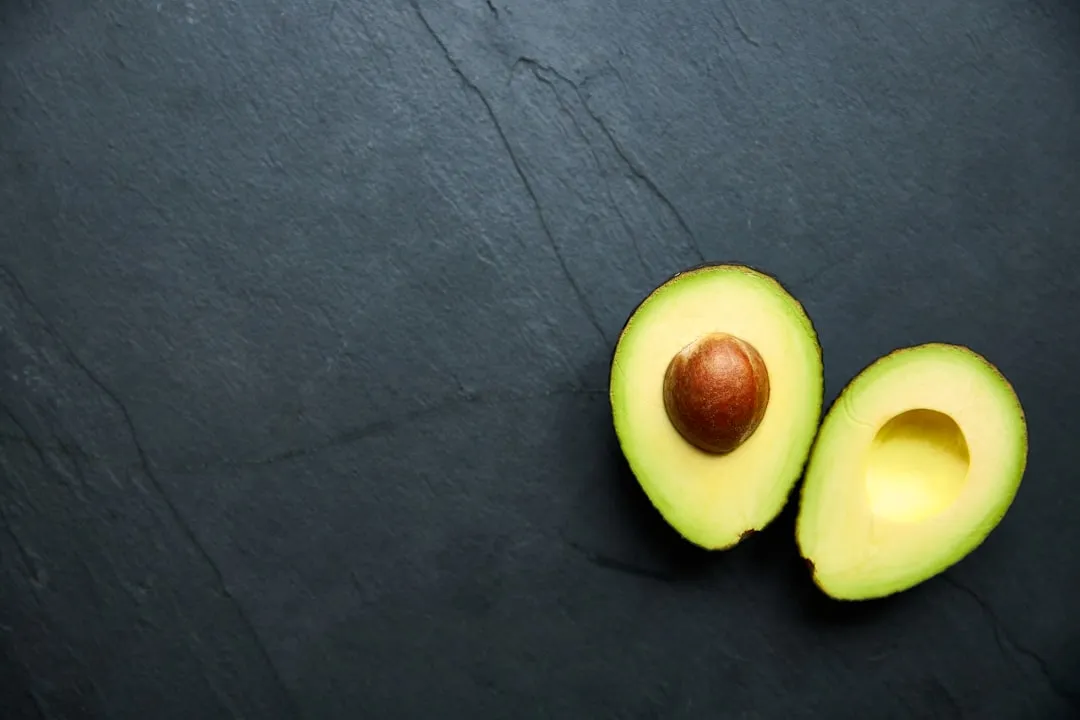
Avocados are rich in monounsaturated fats and bioactive compounds, and may help improve heart health by influencing lipid profiles and other risk factors. This is no longer fringe nutrition thinking. The research on avocados and cardiovascular health has grown substantially over the past few years.
The avocado is a nutrient-rich food whose intake is associated with improved diet quality. One-third of a medium-sized avocado contains approximately 80 calories, 3.4 grams of fiber, folate, pantothenic acid, copper, vitamin K, and potassium.
Avocados are high in potassium, fiber, and heart-healthy monounsaturated fats. Dietitians often recommend them for heart health and weight management. Their versatility is also a genuine advantage. Few foods transition as seamlessly from toast to salad to smoothie.
3. Salmon: The Omega-3 Standard-Bearer
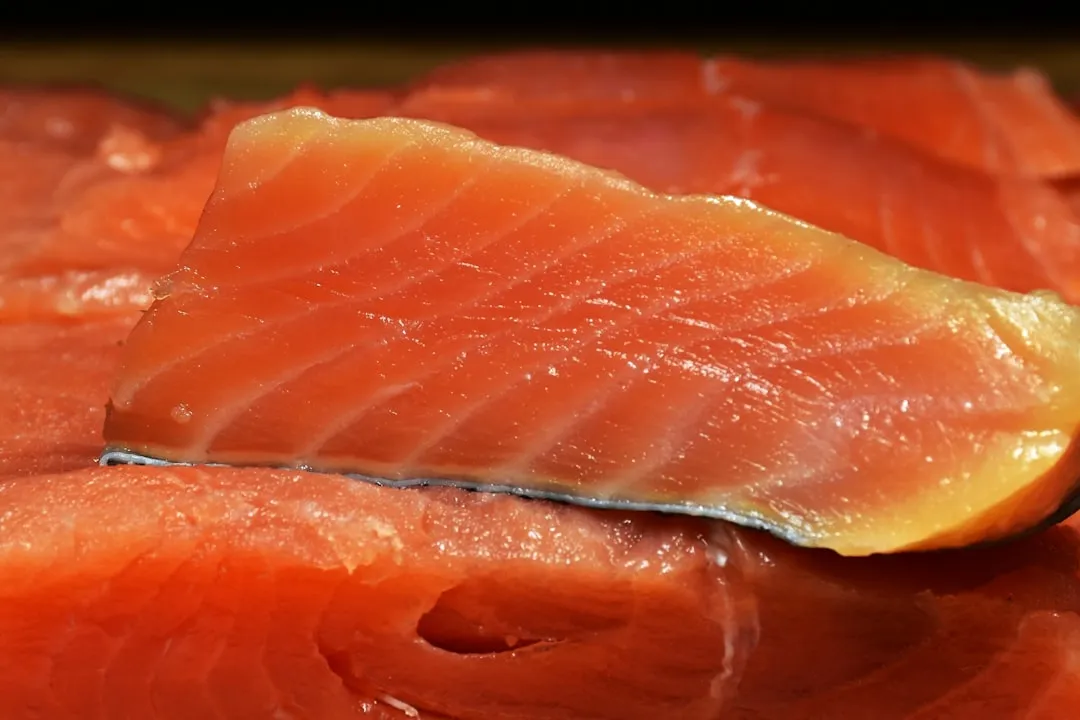
Fish that are especially rich in beneficial oils known as omega-3 fatty acids include mackerel, herring, tuna, and salmon. Two of the most important omega-3 fatty acids in fish oils are eicosapentaenoic acid, known as EPA, and docosahexaenoic acid, known as DHA.
Fish oils have been shown to lower triglyceride levels, which may help lower the risk of heart disease, and are also used for other heart conditions and for multiple inflammatory and autoimmune disorders.
The World Health Organization recommends consuming 0.25 to 2 grams of EPA plus DHA per day, and you can reach that amount by eating two servings of fatty fish per week. That’s a modest and achievable target, making salmon one of the most practical superfoods on this list.
Fatty fish such as salmon, mackerel, and sardines are prominent sources of omega-3 fatty acids, a polyunsaturated fat crucial for brain health and reducing inflammation.
4. Chia Seeds: The Plant-Based Nutritional Workhorse
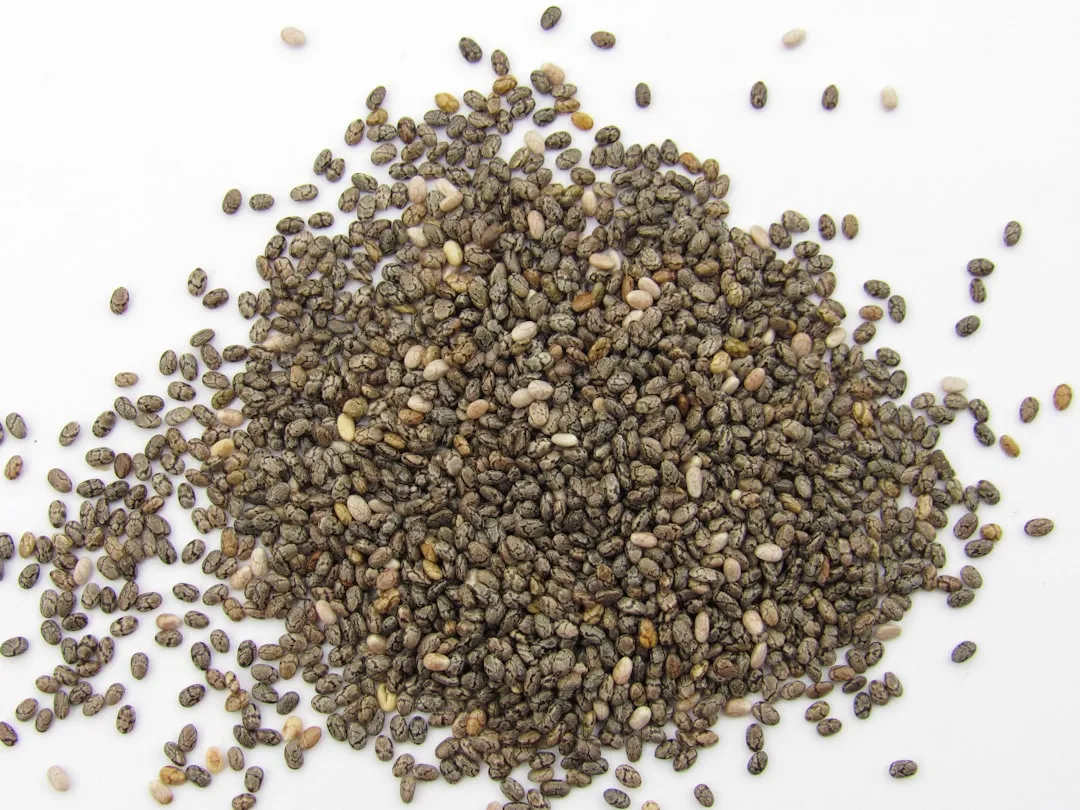
Chia seeds may be small, but they pack a serious nutritional punch, delivering plant-based omega-3s, fiber, calcium, and protein. For anyone eating less meat or fish, this makes them one of the most efficient additions to a weekly diet.
Research has indicated that chia seeds have the potential to improve cardiometabolic health. A 2024 systematic review and meta-analysis of randomized controlled trials, published in the journal Nutrition and Metabolism, specifically examined chia seed supplementation in overweight individuals and found encouraging signals for heart-related markers.
The research shows potential benefits in reducing waist circumference, blood pressure, and C-reactive protein. While chia seeds can be a valuable addition to cardiometabolic health management, they should be part of a broader health strategy that includes a balanced diet, exercise, and lifestyle modifications for optimal results.
Chia seeds and flaxseeds are rich in healthy fats and fiber, making them an excellent addition to breakfasts or smoothies. Overnight chia pudding remains one of the easiest ways to get them into a routine without thinking twice.
5. Turmeric: Ancient Spice, Modern Evidence
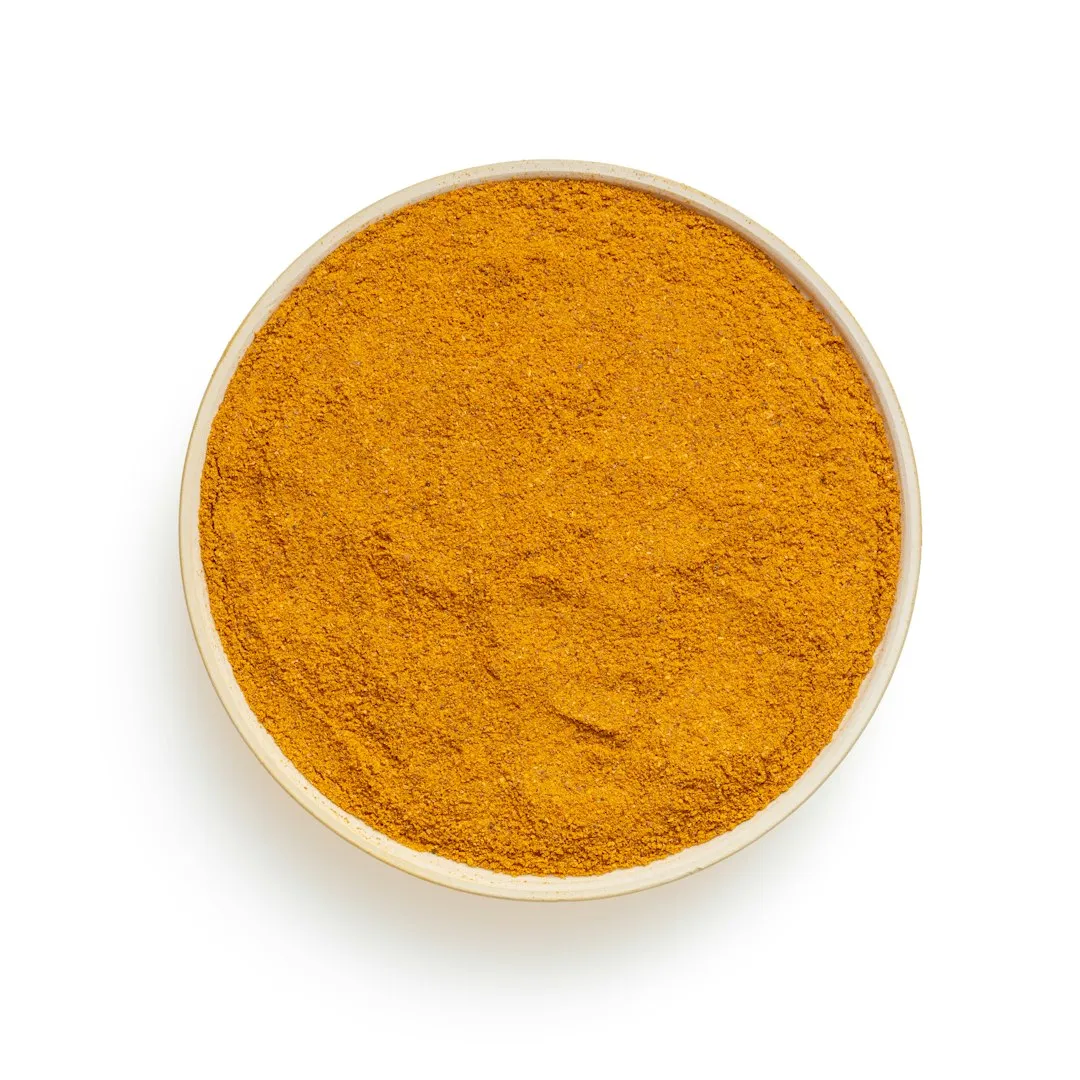
The active ingredient in turmeric, curcumin, is a potent anti-inflammatory agent that appears to inhibit inflammation through several mechanisms, including the COX-2 pathway blocked by nonsteroidal anti-inflammatory drugs.
Documented benefits of turmeric include significant reduction in the pain and limitations of age-related arthritis. That alone makes it relevant for a large share of the population. Joint health is one of the most common reasons people start paying closer attention to what they eat.
Curcumin is an antioxidant found in turmeric, and research suggests that curcumin may reduce liver inflammation, fat, and scarring. The evidence is still building, and researchers note more study is needed, but the direction of findings is consistently encouraging.
The rate of Alzheimer’s disease is especially low in India where turmeric consumption is high, and this association has generated questions regarding the possible role of turmeric as an aid for prevention of Alzheimer’s disease. It’s a correlation, not a confirmed cause, but it’s one scientists continue to investigate seriously.
Why Monthly Rotation Matters More Than Daily Obsession
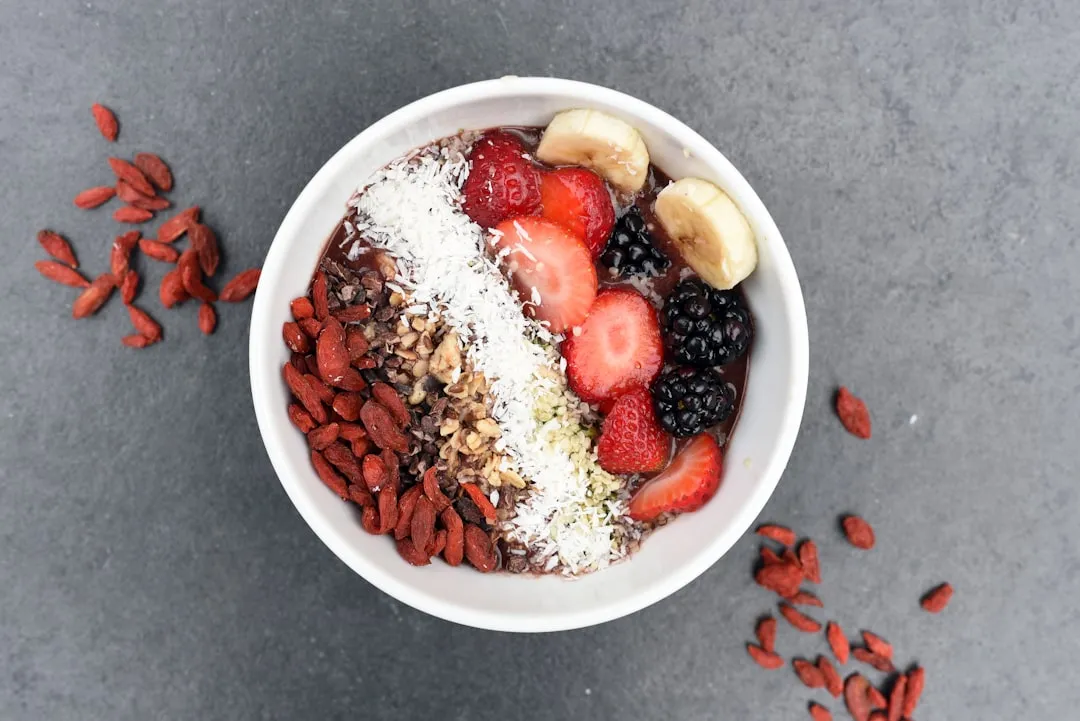
Every superfood offers its own benefits, but most are associated with immune health, heart health, reduced inflammation, cancer prevention, and improved mental health. The key insight here is variety. No single food covers everything, and building a rotation means your body gets a broader range of compounds over time.
According to a 2024 report from the International Food Information Council, more than roughly seven in ten U.S. consumers actively look for functional foods that support long-term health. The appetite for this information is real, and so is the opportunity to act on it in practical, low-effort ways.
A monthly rotation also prevents the fatigue that comes from eating the same thing daily. Cycling these five foods in different preparations keeps meals interesting and ensures you’re consistently drawing on their distinct nutritional profiles.
How To Actually Work These Into Your Cooking
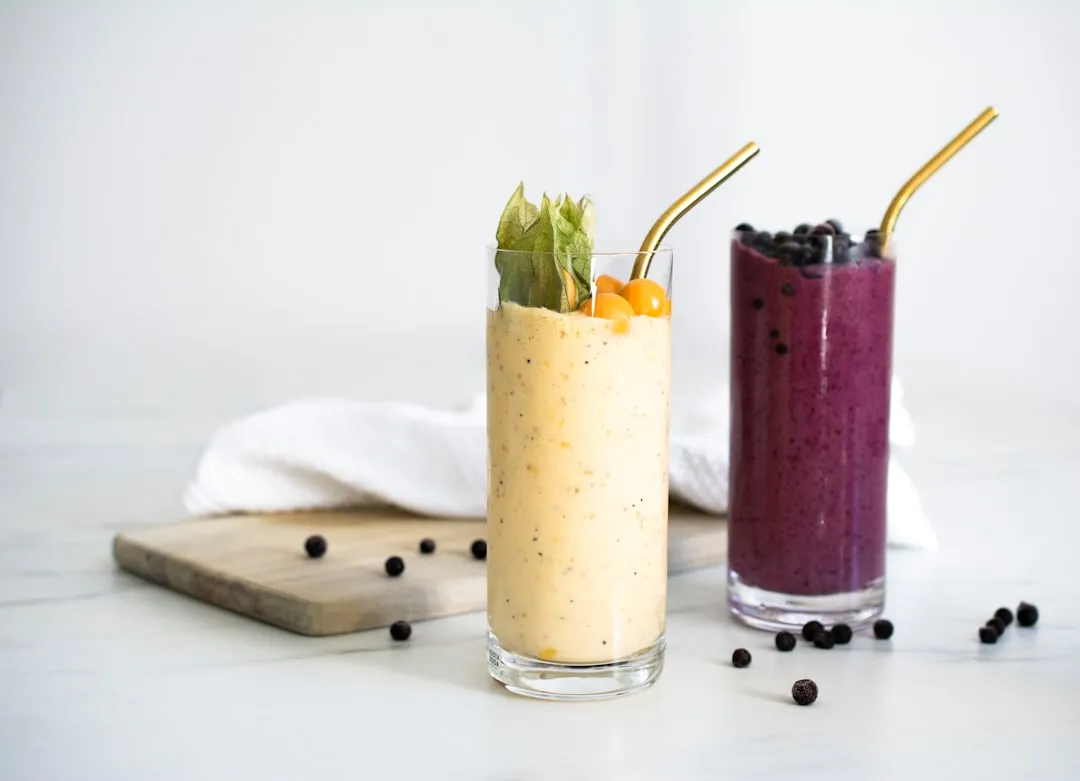
Blueberries go into oatmeal, smoothies, and yogurt with almost no effort. Avocado works on toast, in salads, and blended into sauces. Salmon fits easily into a twice-a-week dinner plan, whether baked, pan-seared, or added to grain bowls.
Blueberries’ low-calorie profile, low glycemic impact, and versatility make them easy to include in daily meals, whether fresh, frozen, or blended into smoothies. Frozen blueberries are nutritionally comparable to fresh and often more affordable.
Chia seeds take almost no preparation. A tablespoon stirred into a glass of water, juice, or any smoothie is all it takes. Turmeric is even simpler: a pinch in scrambled eggs, soups, or rice adds color, flavor, and function without demanding a recipe change.
What the Research Does and Doesn’t Say

Superfoods may not be miracle cures, but evidence suggests certain ones are more than just wellness hype. That framing matters. Expecting dramatic, fast results from any individual food is a setup for disappointment.
The term “superfood” is sometimes described as a marketing term used to describe nutrient-dense foods, but recently, the need for healthy diets has led to increased demand for these functional foods, which have become popular among middle- and high-income groups in developed regions. Awareness and access are both growing, which is a net positive for public health.
The honest picture is that these five foods are well-supported by research, not infallible. Eating them alongside an otherwise poor diet won’t undo the damage. They work best as reliable, recurring parts of a genuinely varied eating pattern.
Blueberries and the Brain Connection

Research shows that eating blueberries can help improve memory and lower dementia risk, and researchers have been exploring blueberries’ brain benefits with good reason.
Research has found that blueberries can help with memory, mood, focus, and more in people of all ages. This is one of the more striking findings in recent nutrition science, especially given how few foods have shown consistent cognitive effects across different age groups in clinical settings.
Research shows eating blueberries can help ease feelings of depression. As part of a 2020 study, adolescents who consumed wild blueberry supplements every day for a month self-reported lower symptoms of depression, and researchers credit these results with the high flavonoid content in blueberries.
Superfoods and Heart Health: A Running Theme
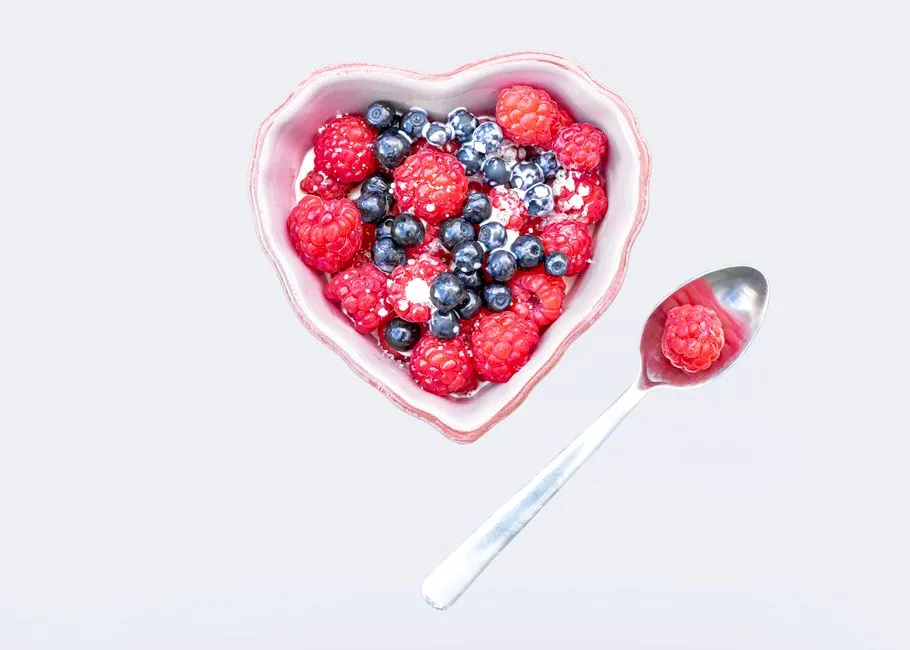
Look across all five of these foods and one theme keeps appearing: cardiovascular benefit. That’s not a coincidence. Most superfoods are associated with immune health, heart health, reduced inflammation, cancer prevention, and improved mental health.
A study found that frequently consuming strawberries and blueberries is strongly correlated with lower risk of heart attack, and women who consumed berries several times per week experienced a notably lower risk of heart attack compared to women who ate berries once a month or less.
Research suggests that blueberry consumption may offer benefits for heart health, and anthocyanins in blueberries are associated with a lower risk of coronary heart disease and cardiovascular disease. When you layer that with salmon’s omega-3 benefits and avocado’s monounsaturated fat profile, the cumulative case for heart health becomes genuinely strong.
The Takeaway
Five foods, one simple habit. None of these require a lifestyle overhaul or a premium grocery bill. Blueberries, avocado, salmon, chia seeds, and turmeric all carry meaningful research behind them and fit naturally into meals most people already make.
The top superfoods are backed by research-driven insights and offer a powerful blend of vitamins, minerals, and antioxidants that promote longevity, brain health, and immune function. With chronic diseases on the rise, incorporating these nutrient-dense foods into daily meals is more important than ever.
The best nutrition strategy is usually the one you’ll actually stick to. Rotating these five through your month, rather than forcing them every day, keeps the habit sustainable. That consistency, compounded over months and years, is where the real benefit lives.
AI Disclaimer: This article was created with the assistance of AI tools and reviewed by a human editor.