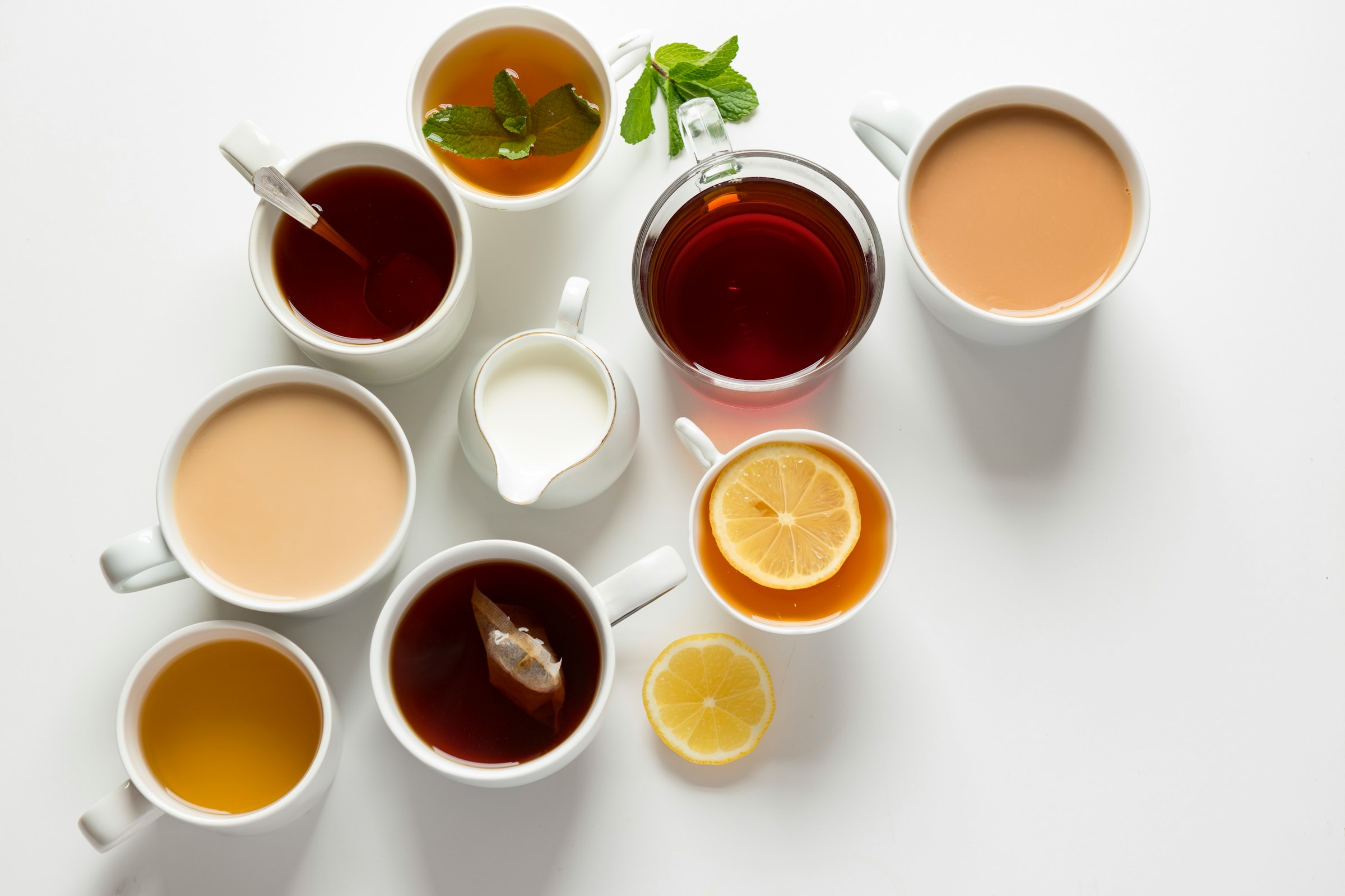

Most people don’t need another reason to feel stressed at bedtime. Racing thoughts, unfinished to-do lists, the low hum of screen fatigue, these are familiar companions for a lot of us by the time we finally turn the lights off. Sleep can feel elusive even when you’re genuinely tired, and that gap between exhausted and actually falling asleep is where a warm cup of herbal tea can quietly do a lot of good.
The five teas below aren’t miracle cures. They’re gentle, well-studied herbal options with a reasonable body of research behind them. Brewed into a nightly ritual, they may help ease the nervous system just enough to make that transition into sleep feel a little less like a struggle.
1. Chamomile Tea: The Classic That Actually Works
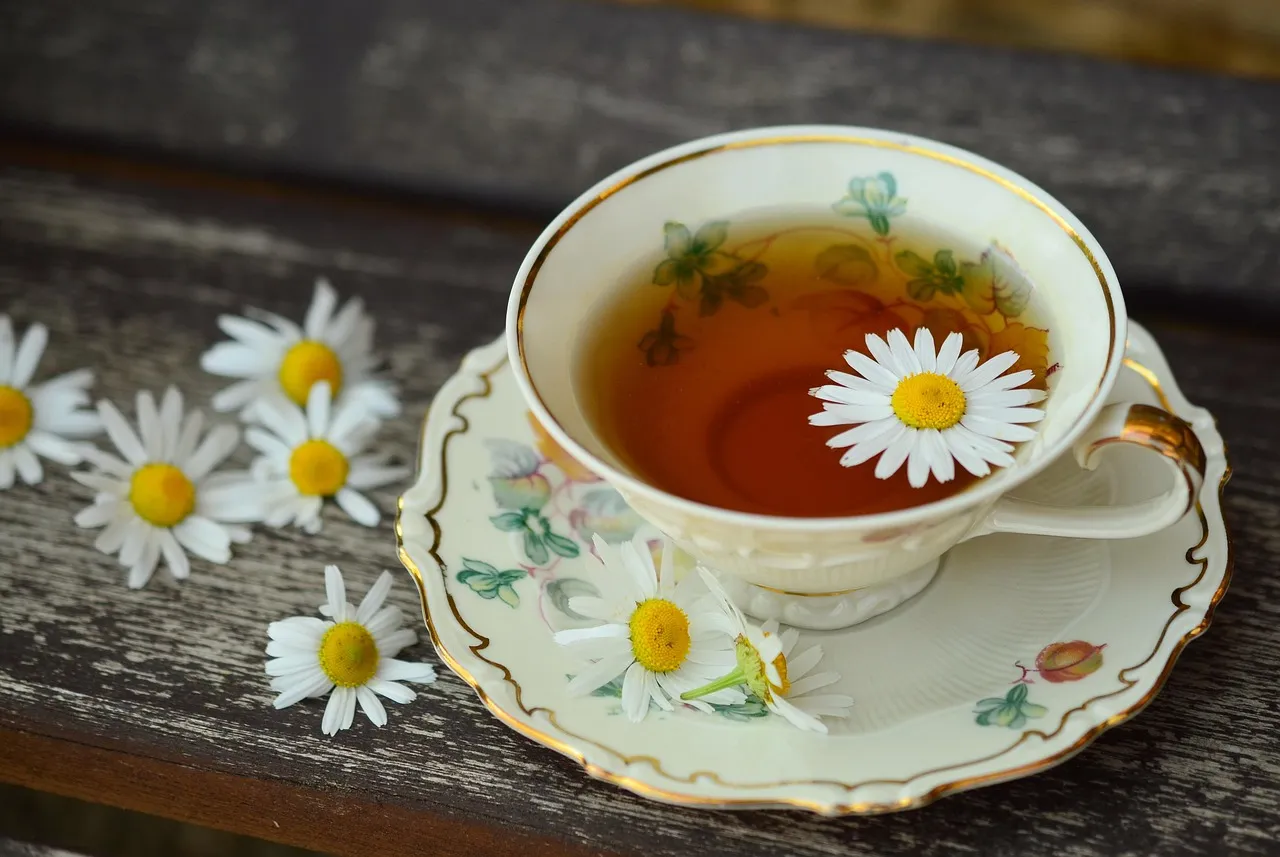
Chamomile may have a mild sedative effect, and research suggests it can help improve sleep quality. Its key compound, apigenin, interacts with receptors in the brain involved in relaxation and sleep. This is not a vague folk claim. The mechanism is well-documented and has been studied across multiple clinical trials.
A 2024 meta-analysis pooling ten clinical trials with 772 participants found that chamomile significantly improved overall sleep quality scores. The most consistent benefit was fewer nighttime awakenings: people who drank chamomile stayed asleep longer and woke up less often. Three out of four studies also showed faster sleep onset, meaning people fell asleep more quickly.
Participants who consumed chamomile tea twice daily for four weeks showed substantial improvements in sleep quality scores, with sleep onset time reduced by an average of fifteen minutes and nighttime awakenings decreased by roughly a third. Drinking chamomile tea about 45 to 60 minutes before bedtime may help you relax as part of your nighttime routine.
2. Valerian Root Tea: For the Nights Your Mind Won’t Quit

Extracts of the roots of valerian, a flowering plant native to Europe and Asia, are widely used for the treatment of anxiety and for inducing sleep, and are known for their sedative, hypnotic, and anxiolytic properties. It has a long history of use, but the modern research base is what gives it credibility today.
A total of sixty studies involving nearly seven thousand participants were included in one comprehensive review, and meta-analyses were performed to evaluate the effectiveness of valerian in improving subjective sleep quality and reducing anxiety. The results were generally favorable, though not perfectly consistent across all trials.
Inconsistent outcomes in past studies were possibly due to variable quality of herbal extracts, and more reliable effects could be expected from the whole root or rhizome. Therapeutic benefits also appeared to be optimized when valerian was combined with appropriate herbal partners. There were no severe adverse events associated with valerian intake in subjects aged between seven and eighty years, and it is concluded to be a safe and effective herb to promote sleep.
3. Lavender Tea: A Quiet Floral Calm Before Sleep
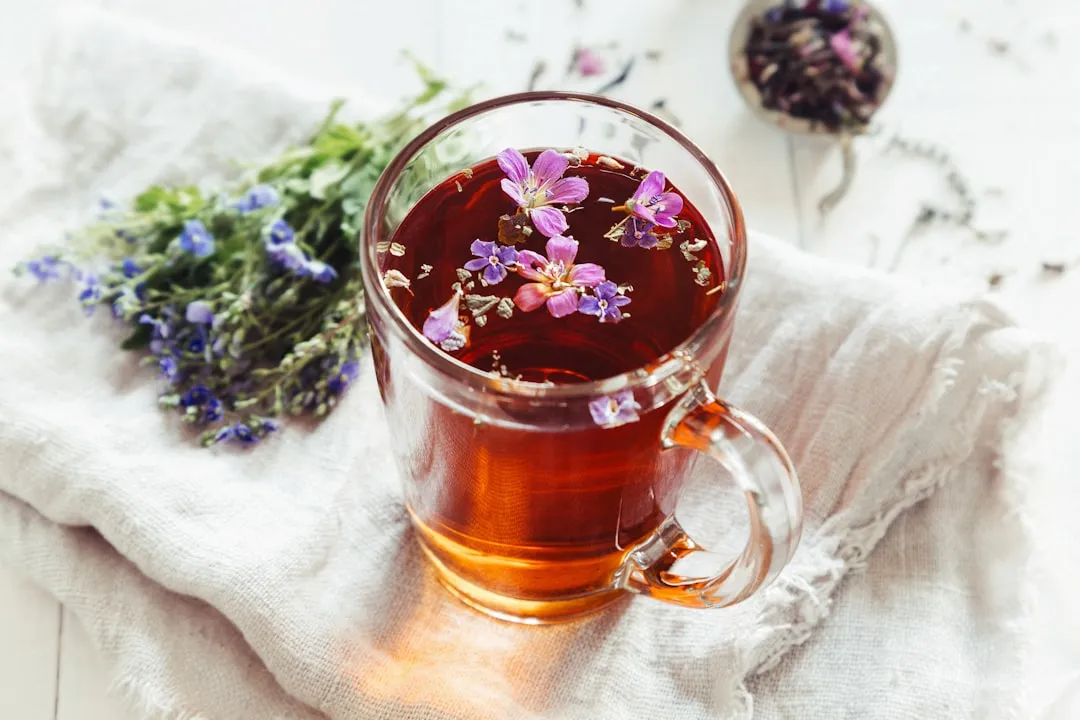
Lavender is a soothing herbal tea that can benefit people with mood disorders, anxiety, and depression. The plant is labeled “Generally Recognized as Safe” by the U.S. Food and Drug Administration. Its popularity in wellness circles is well-earned, and the underlying science offers a reasonable explanation for why it works.
A 2020 study in sixty older adults found that participants who drank lavender herbal tea twice daily for two weeks experienced more significant decreases in anxiety and depression than those who drank a placebo. The calming effect is not imaginary, though researchers note that the benefits tend to be most pronounced in the early weeks of use.
A 2025 study examined the effects of lavender aromatherapy on fatigue and sleep quality in a hundred people undergoing chemotherapy. Participants either inhaled lavender essential oil or a placebo solution for twenty minutes before bedtime. Those in the lavender group had significantly less fatigue and better sleep quality than those in the placebo group. While tea and aromatherapy are different delivery methods, lavender compounds have been shown to improve subjective sleep quality and reduce anxiety through repeated research.
4. Lemon Balm Tea: The Underrated Wind-Down Herb
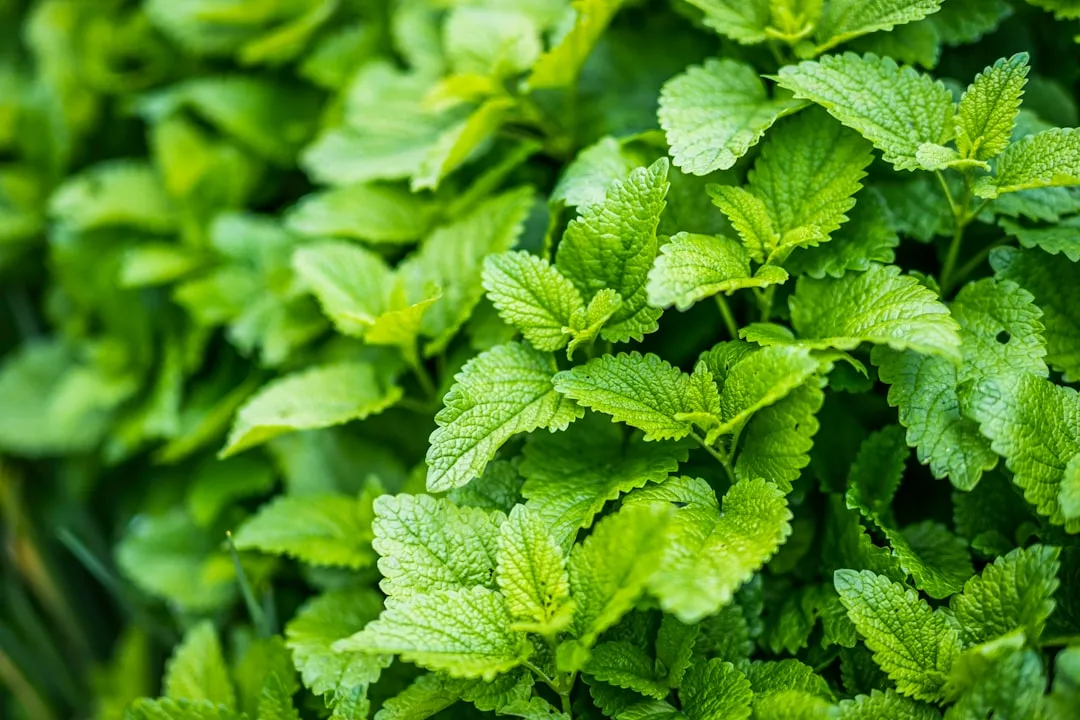
Lemon balm has been reported to have anti-inflammatory, antioxidant, antidepressant, and antianxiety effects. It belongs to the mint family and has a mild, citrusy flavor that makes it one of the more pleasant herbal teas to actually drink on a regular basis.
There is renewed interest in the use of ancient herbal remedies for their potential health benefits, particularly in the psychological domain. Lemon balm is receiving growing attention for its influence on the brain. A randomized, double-blind, placebo-controlled clinical trial investigated the effects of a lemon balm extract on depression, anxiety, and sleep quality in patients who had symptoms of depression.
A cup of lemon balm tea a night may be a good option if you’re struggling with restlessness and anxiety before bed. Adding it to your evening routine as a way to help reduce stress before bedtime may help you get more sleep. A clinical study in Phytomedicine found that the combination of valerian and lemon balm outperformed either herb alone for sleep quality. Blending them together is a practical option worth considering.
5. Passionflower Tea: A Gentle Ally for Anxious Evenings

Herbalists in the U.S. and Europe have used passionflower for centuries to treat insomnia and anxiety. Today, its uses are primarily to lessen the symptoms of insomnia and depression. Like other herbs, passionflower can increase GABA in the brain, which promotes relaxation. GABA is the primary inhibitory neurotransmitter in the brain, and raising its activity is essentially how many prescription sleep medications work, just much more gently.
Like chamomile, passionflower contains certain flavonoids that bind to the same receptors in the brain as benzodiazepines and may help reduce symptoms of anxiety. There is evidence that drinking a single cup of passionflower tea can help you sleep better.
Some studies have shown that passionflower tea can reduce symptoms of anxiety and enhance sleep, though more recent research has yielded mixed results, indicating that individual responses may vary. Passionflower is not recommended if you are pregnant or nursing, and it’s worth checking with a healthcare provider before use. For most healthy adults, it remains one of the more interesting options in the evening tea toolkit.
How to Time Your Evening Tea for Best Results

Drinking your chosen herbal tea about 45 to 60 minutes before bedtime may help you relax as part of your nighttime routine. This gives your body time to absorb the calming compounds before you actually try to sleep, rather than rushing a cup right as your head hits the pillow.
Drinking warm tea as part of a nightly routine can signal your body that it’s time to slow down and prepare for sleep. That ritual aspect matters more than most people realize. The act of making tea, sitting quietly, and sipping something warm is itself a form of behavioral winding down.
Sipping 30 to 60 minutes before bed, with dimmed lights and reduced screen time, lets your body shift gears gradually. Caffeine-free teas are best at night, as green, black, and some white teas can trigger alertness and delay sleep. All five teas covered in this article are naturally caffeine-free.
What the Research Actually Confirms (and What It Doesn’t)
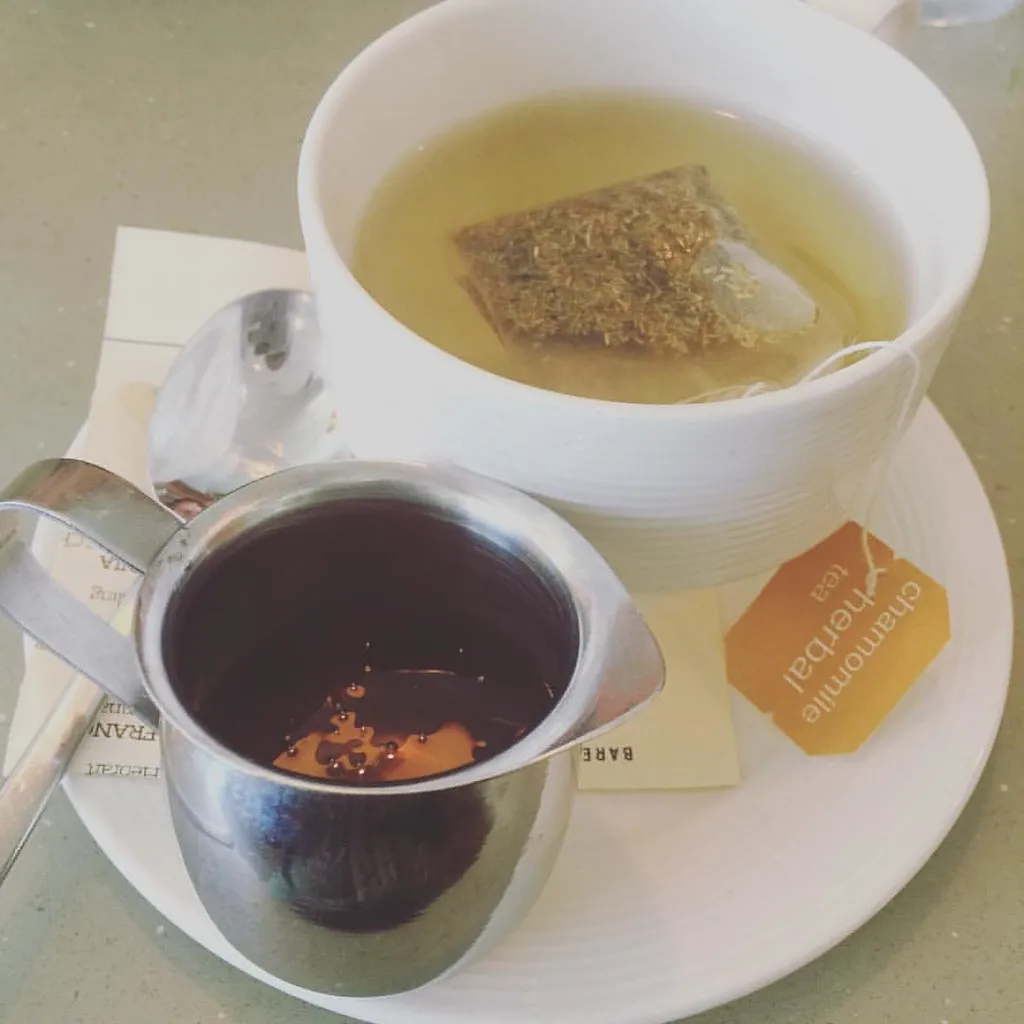
Chamomile does contain compounds with genuine sedative properties, and clinical research supports modest sleep benefits. However, it is not a powerful sedative. The same honest qualifier applies to the other teas on this list. They’re not pharmaceutical interventions, and expecting knockout-level results will likely lead to disappointment.
Research confirms that chamomile improved sleep, especially the number of awakenings after sleep onset and staying asleep. However, it did not lead to an improvement in the duration of sleep, the percentage of sleep efficiency, or daytime functioning measures. This pattern of modest but meaningful benefit holds reasonably true across herbal sleep teas generally.
Herbs aren’t knockout pills, they’re gentle allies. When used consistently and combined with sensible sleep hygiene, these teas can provide a genuinely useful layer of support for people whose minds are too busy when the evening arrives.
Combining Teas: When Blends Make Sense
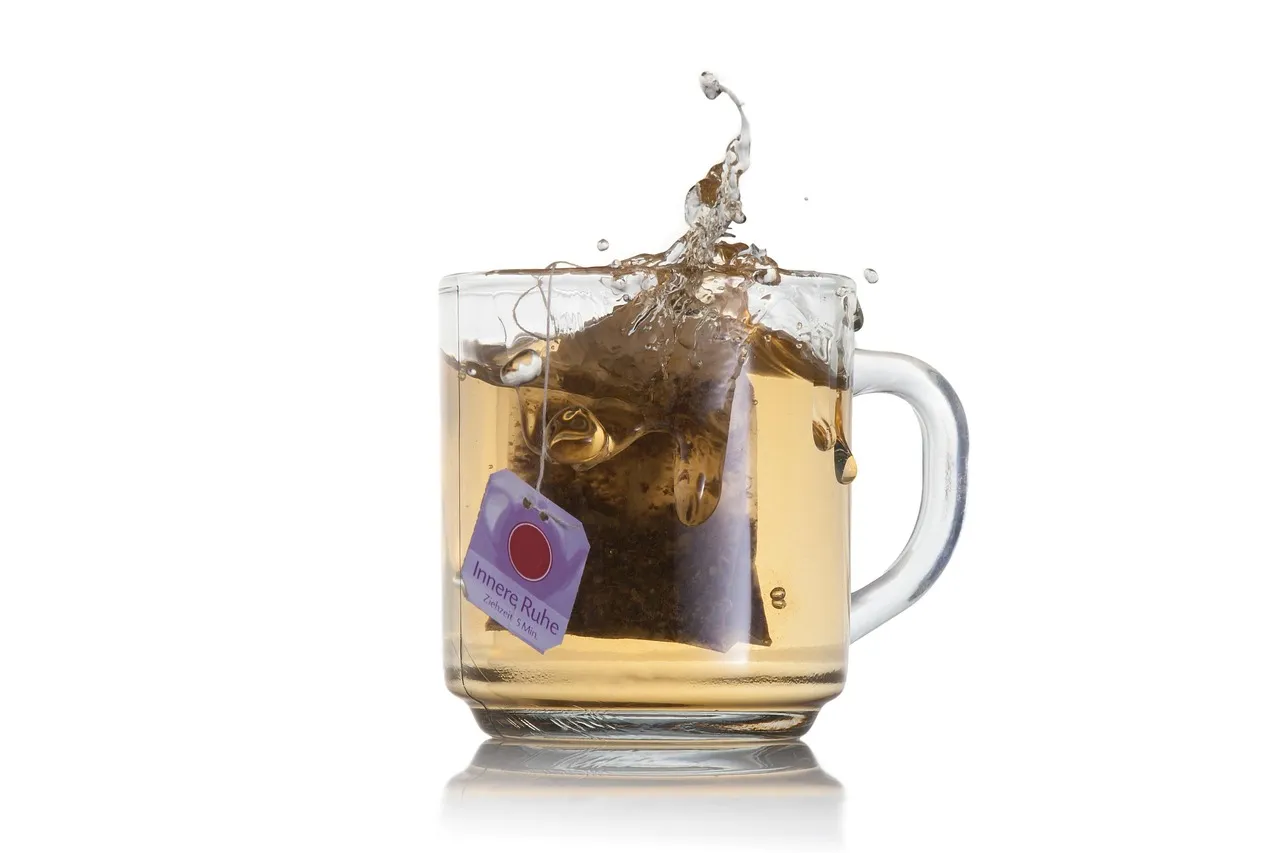
Consider teas that combine chamomile, passionflower, lavender, and valerian for synergy. Many commercially available evening blends already do this, recognizing that the compounds in these herbs can work through different but complementary pathways in the brain and nervous system.
Therapeutic benefits could be optimized when valerian was combined with appropriate herbal partners. This is an important point for anyone who has tried a single herb and found the effect underwhelming. A thoughtfully composed blend is often more effective than any one plant on its own.
Lemon balm’s lemony scent and taste make it a particularly good choice to mix with other herbs such as valerian root and chamomile. If you prefer to experiment at home, starting with these three is a reasonable and well-researched combination.
Safety, Cautions, and Who Should Be Careful
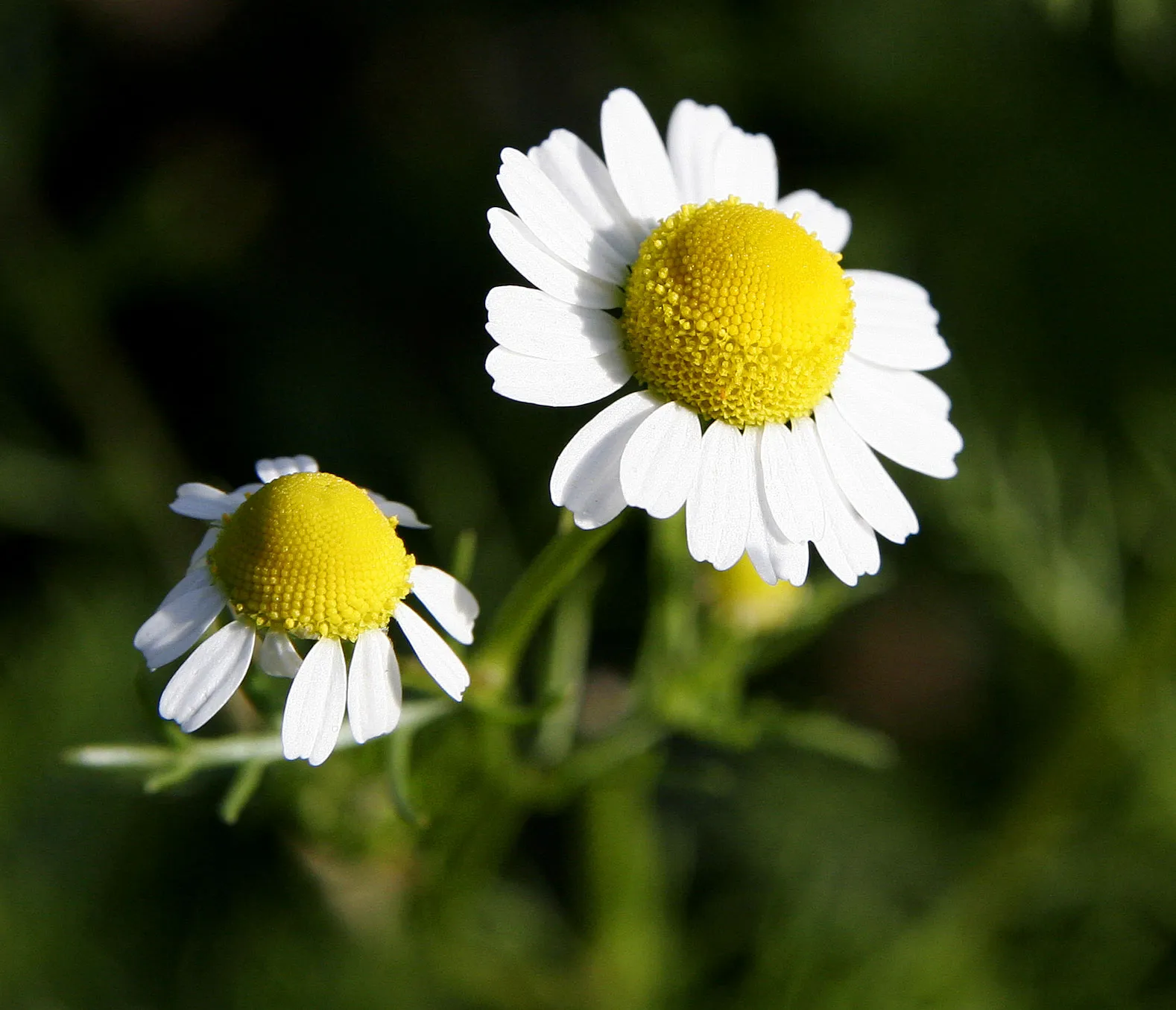
Chamomile is generally considered safe in typical amounts, but it can cause allergic reactions and may interact with certain medications. Anyone with known allergies to plants in the daisy family, which includes chamomile, should take note of this before brewing their first cup.
These herbal teas are caffeine-free, nearly calorie-free, and safe for most people at typical intake levels of one to three cups a day. No adverse events were reported in any of the chamomile studies reviewed, which is reassuring, though the research notes that monitoring methods in some trials were passive rather than rigorous.
Passionflower should be avoided if you are pregnant or nursing, and it’s advisable to check with a healthcare provider before giving it to children. Although few adverse events have been reported with valerian, long-term safety data are not yet fully available. If you’re on medications, a quick conversation with your doctor before adding any herbal tea regularly is always the sensible move.
Building a Real Evening Wind-Down Routine

Herbal tea works best when it’s part of a broader shift in behavior, not a standalone solution dropped into an otherwise wired evening. The routine matters as much as the ingredients. Dimming lights, putting away screens, and sitting still for even ten minutes can compound the calming effect significantly.
Sleep-supporting compounds such as apigenin help reduce mental chatter and encourage drowsiness. These compounds don’t override a stressed mind; they simply lower the activation level slightly, making it easier for your natural sleep drive to do its job. That distinction is worth keeping in mind.
Most clinical trials used one to three cups per day, or equivalent extract doses. That range is enough to produce measurable effects on sleep and anxiety without any reported side effects across hundreds of study participants. Consistency over weeks, not a single cup, is what tends to produce the most noticeable results in the research.
Final Thoughts
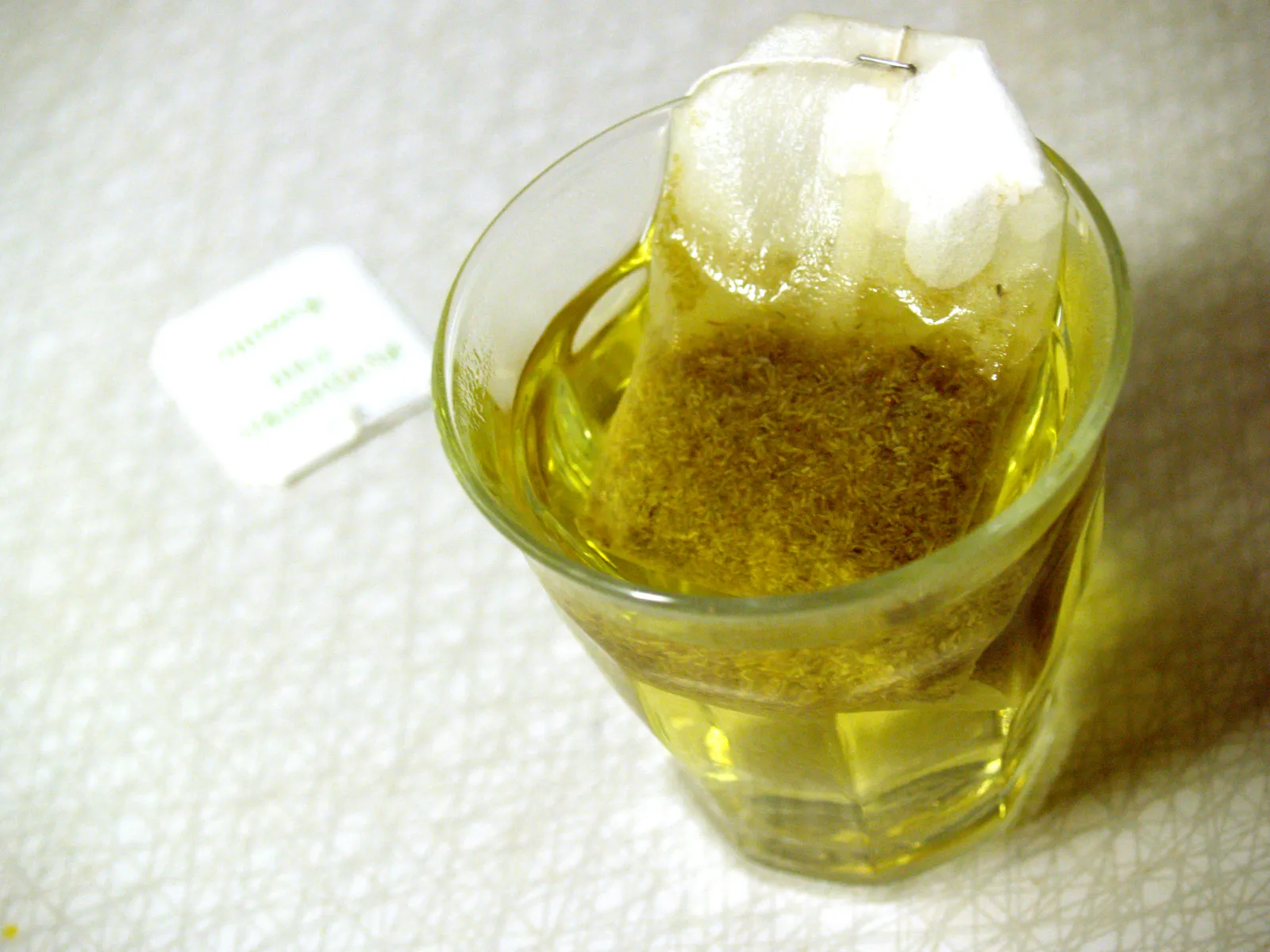
The evening mind is a peculiar thing. It holds everything the day hasn’t processed yet, and often chooses exactly the moment you lie down to start sorting through it. A warm cup of chamomile, valerian, lavender, lemon balm, or passionflower won’t solve that, but it can take the edge off in a way that feels proportionate and gentle.
What the research shows, taken honestly, is that these teas offer real but modest benefits. They’re better understood as part of a calming ritual than as a standalone sleep prescription. Used consistently, alongside reasonable sleep habits, they can make a quiet but meaningful difference in how the evening feels.
That’s probably enough. Not every sleep problem needs a dramatic solution. Sometimes the right answer is just something warm in your hands, a few minutes of stillness, and a compound that whispers to your nervous system that the day is done.
AI Disclaimer: This article was created with the assistance of AI tools and reviewed by a human editor.