
Why Blood Sugar Stability Matters in the Afternoon
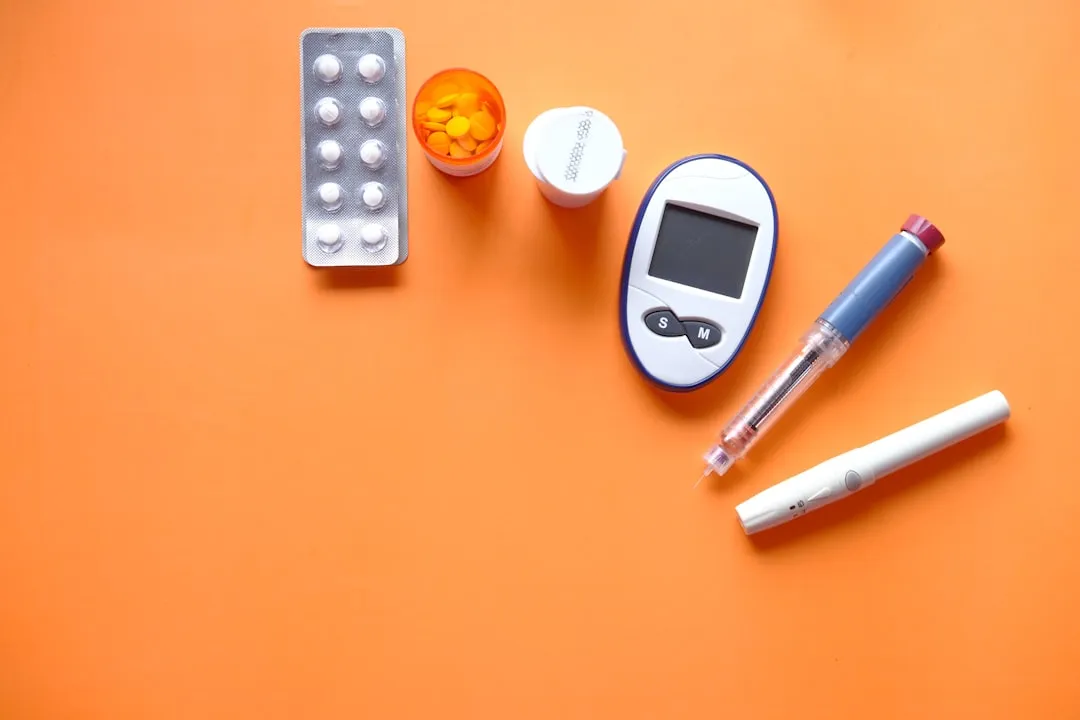
The afternoon slump is rarely just about tiredness. Fluctuations in blood sugar, especially sharp spikes after meals or snacks, can lead to a range of issues from energy crashes to longer-term complications like insulin resistance and type 2 diabetes. The gap between lunch and dinner is often the longest stretch many people go without eating something substantial.
The old adage to “avoid snacking between meals” isn’t necessarily great advice, particularly for people managing blood sugar. Going long periods without eating, say more than three to four hours, can actually work against you if your goal is to keep blood sugar stable and stave off hunger.
Food choices affect blood sugar more than almost anything else, since the primary source of carbohydrate and sugar in most people’s lives is their diet. Choosing the right afternoon snack, then, is less of a lifestyle perk and more of a genuine health decision.
The Apple: A Naturally Low-Glycemic Base
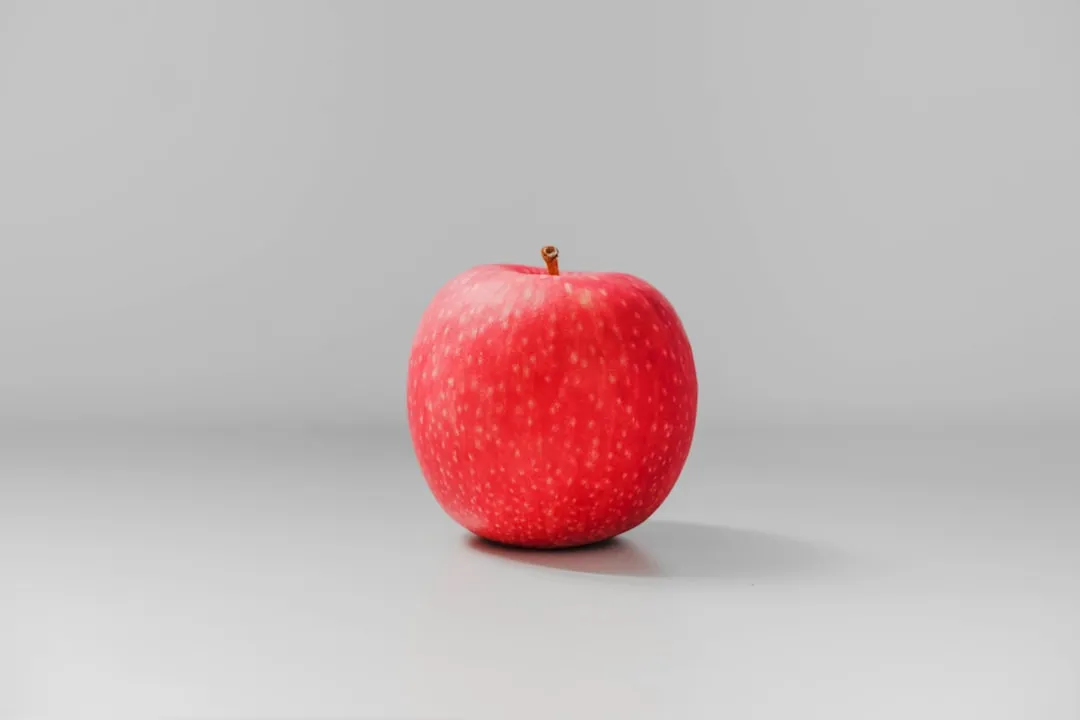
With a glycemic index of approximately 36, apples rank among the lowest glycemic fruits while providing substantial fiber, antioxidants, and beneficial plant compounds. For context, white bread sits somewhere around 75 on the same scale. That difference is significant.
A medium apple contains roughly 25 grams of carbohydrate and 4.4 grams of fiber, giving it a glycemic load of approximately 6 to 8. That is low by any measure, making apples one of the few fruits where you can eat a full serving without worrying much about blood sugar, whether or not you are managing diabetes.
The main constituents that contribute to the glycemic response in apples are carbohydrates, mainly sugars and some polyols, and soluble fibers, primarily pectin. The sugars are mainly composed of fructose and sucrose and, to a lesser extent, glucose. Those sugars do not have the same metabolic fates in the human digestive tract and impact blood sugar differently.
Pectin: The Quiet Hero Inside Every Apple
The dominant fiber type in apples is pectin, a soluble fiber. It behaves differently from insoluble bran-type fibers: it dissolves into a gel in the gut, and that gel physically slows the rate at which glucose passes through the intestinal wall into the bloodstream. Slower absorption means a gentler rise in blood sugar. A gentler rise means less insulin demand.
Research published in the American Journal of Clinical Nutrition demonstrated that pectin supplementation reduced postprandial glucose response by up to 40 percent in healthy subjects. Whole apples contain about 1.5 grams of pectin per medium fruit, and this pectin is most concentrated in and just beneath the skin.
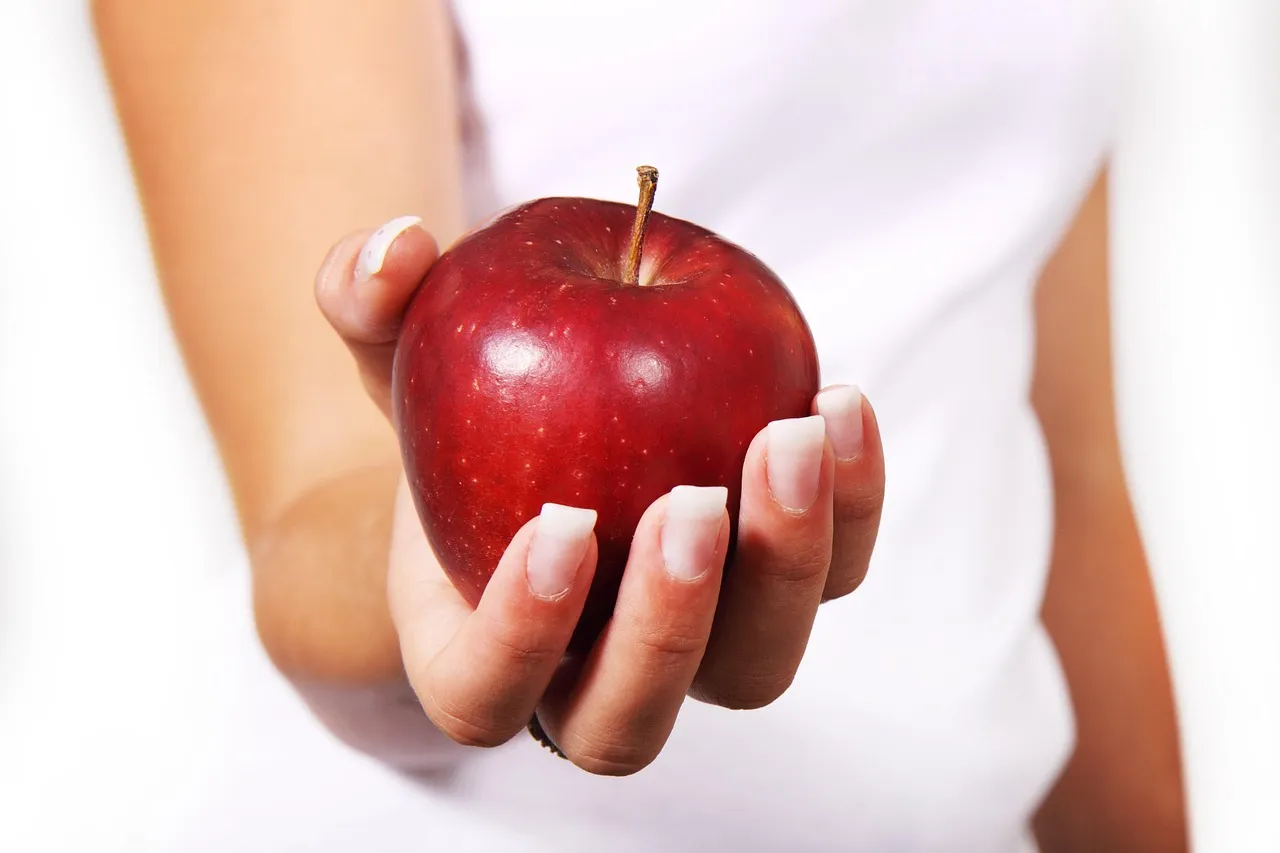
Peeling an apple removes roughly 30 percent of total fiber and most of the beneficial polyphenols, raising its glycemic index by about 5 to 8 points. In other words, eat the peel. It genuinely matters.
Why Peanut Butter Completes the Picture
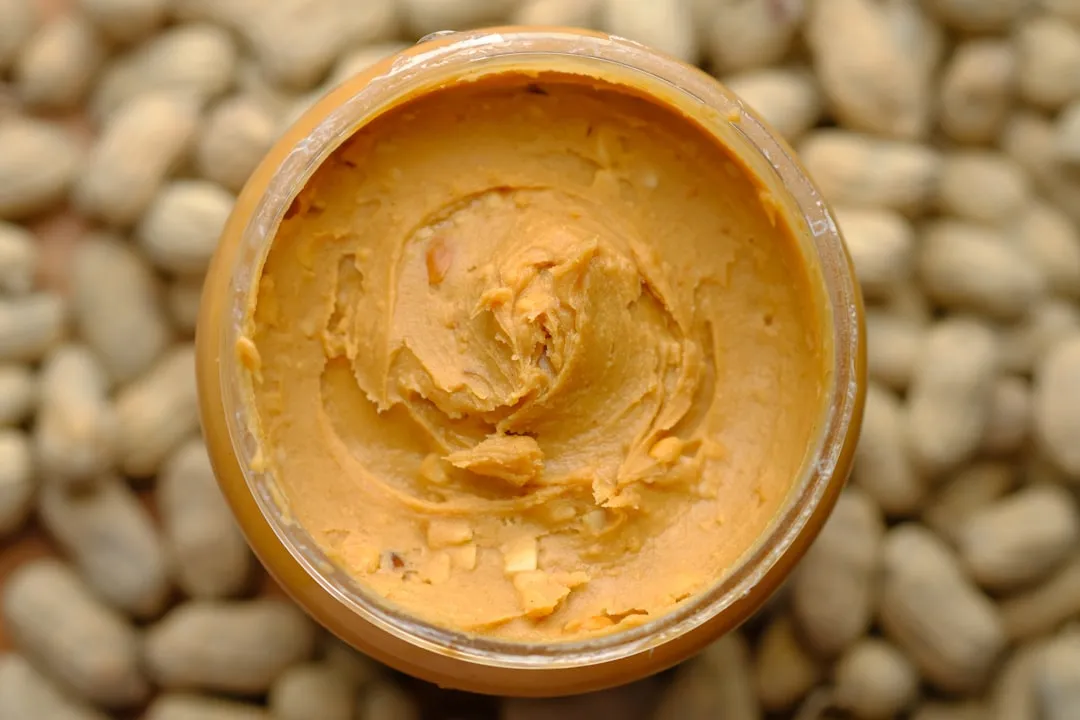
Some research suggests nuts may help manage type 2 diabetes by promoting weight loss, improving blood sugar, and regulating blood lipids. Natural peanut butter and peanuts are low glycemic index foods, meaning that when a person eats them, blood sugar levels should not rise suddenly or too high.
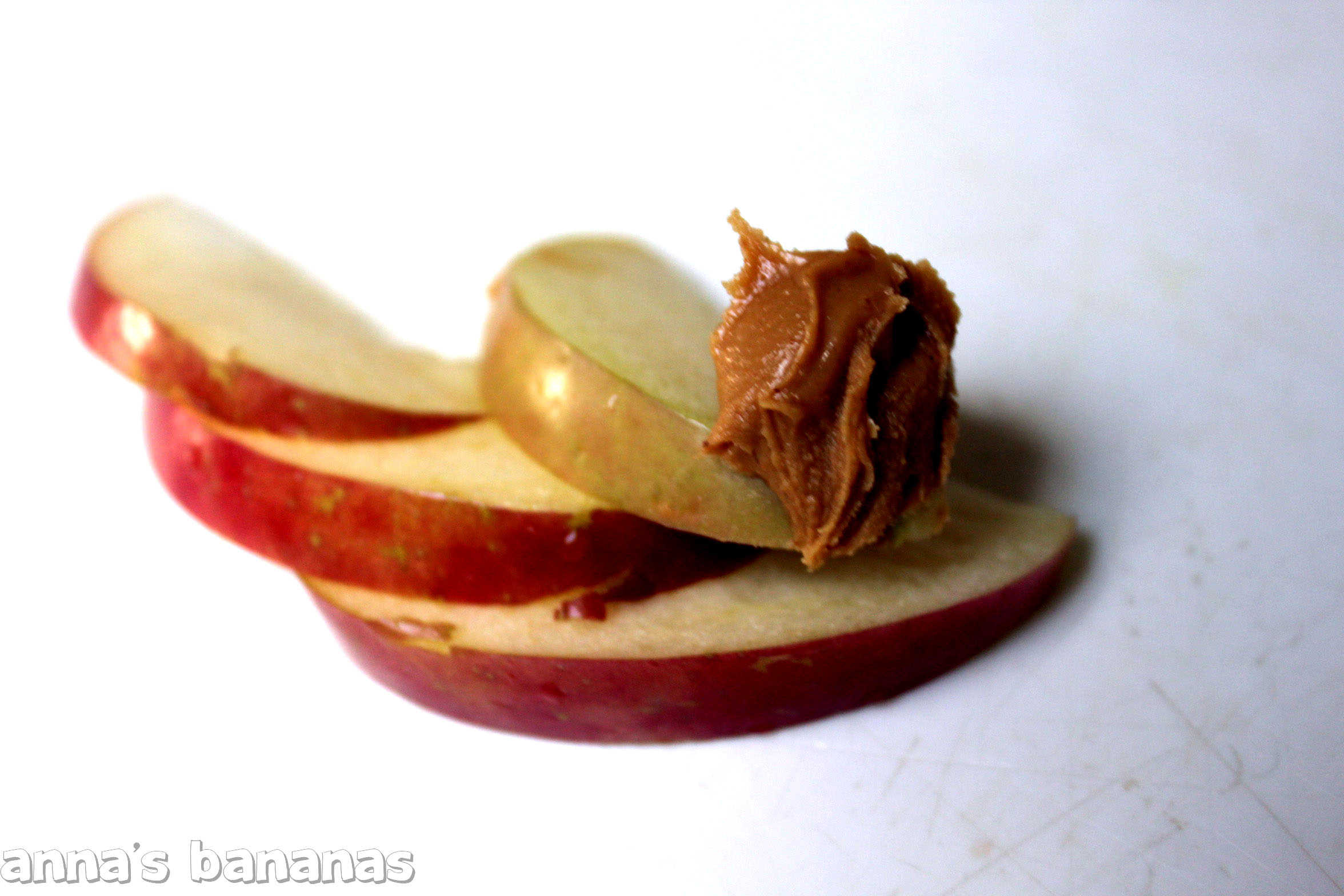
On their own, apples contain natural sugars and fiber that slow glucose absorption, but combining them with peanut butter creates a more gradual rise in blood sugar instead of a sharp spike and crash. The fat and protein in peanut butter act as a kind of metabolic buffer for the fruit’s carbohydrates.
The presence of fat and protein in the food matrix can help slow gastric emptying, while soluble fiber helps increase the viscosity of the luminal contents. Both actions help to slow the rate and extent of glucose absorption. Peanut butter brings both fat and protein to the combination, stacking the effect.
What the Nutritional Numbers Actually Look Like
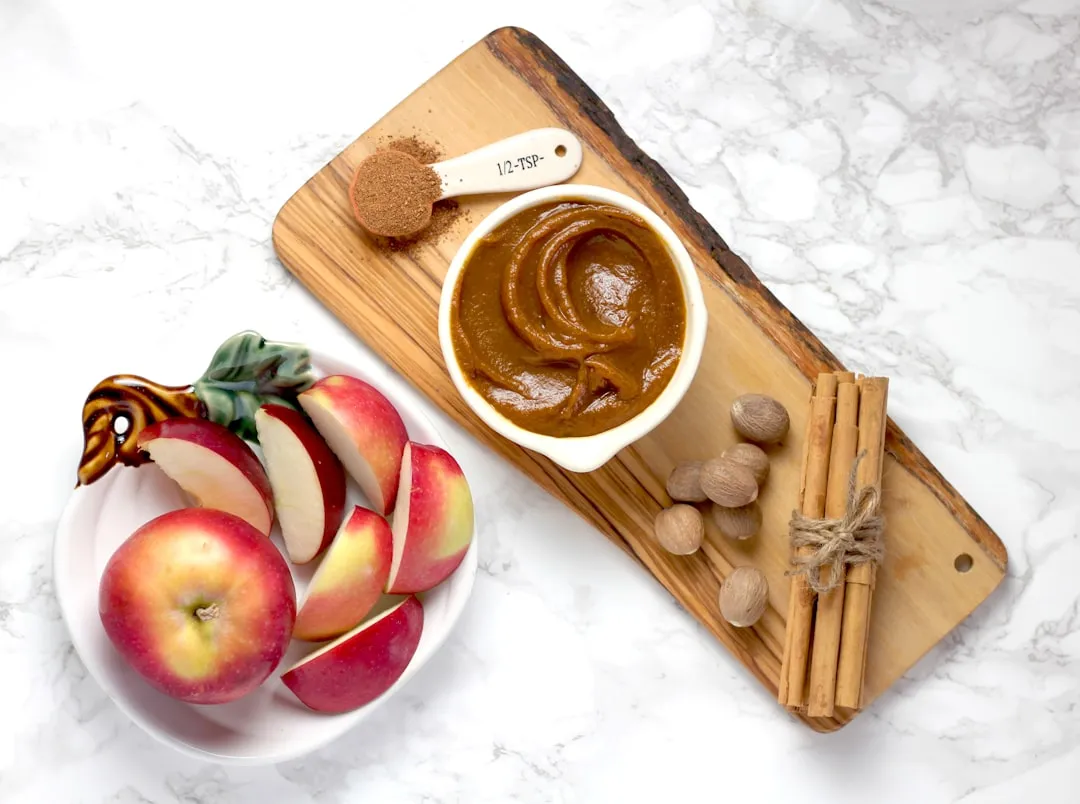
Together, one medium apple and one tablespoon of natural peanut butter provide roughly 180 to 200 calories, 4 grams of protein, 5 to 6 grams of fiber, and steady carbohydrates without added sugar when unsweetened peanut butter is used. That is a respectable amount of nutrition for a snack that takes about 30 seconds to prepare.
The combination of fiber from the apple and protein and fat from peanut butter creates a balanced response, providing steady energy for 2 to 3 hours without sharp spikes. That covers most of the afternoon gap for the average person.
That balance makes the pairing far more effective than many processed snack bars. Most snack bars on the market, even ones marketed as healthy, contain added sugars or refined carbohydrates that undermine their purpose.
The Glycemic Impact Compared to Common Alternatives
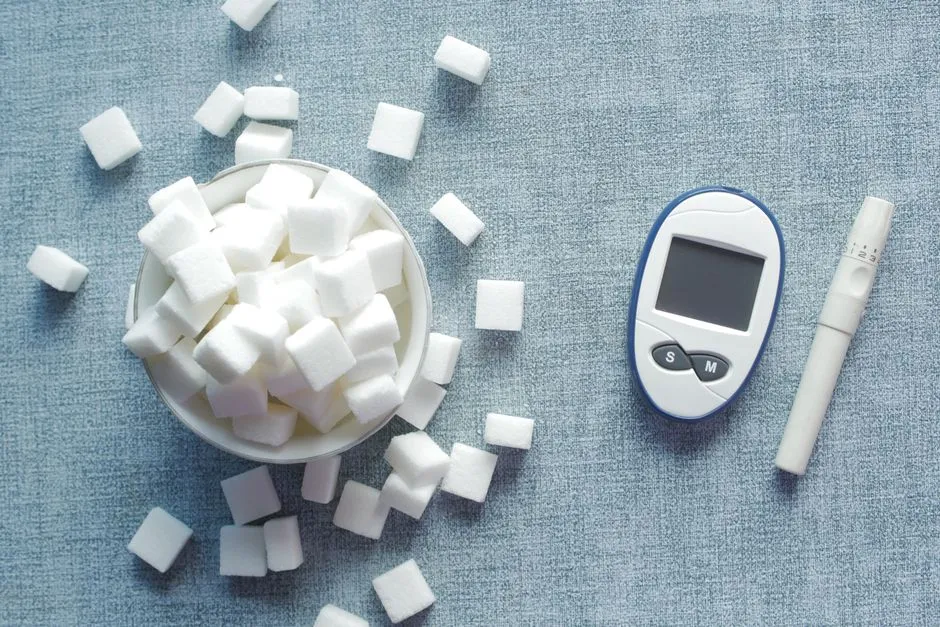
Replacing high-sugar snack alternatives such as candy bars or granola bars with apple and peanut butter can improve adherence to lower-carbohydrate or Mediterranean-style eating patterns. The difference in how each option affects blood glucose over the following two to three hours is significant.
According to the 2025 American Diabetes Association and International Diabetes Federation guidelines, snacks that combine slow-digesting carbohydrates with protein and healthy fats can prevent blood sugar spikes and promote satiety through personalized nutrition approaches. Apple with peanut butter satisfies all three of those criteria naturally.
One effective strategy to reduce afternoon blood sugar spikes is to choose low-glycemic, high-protein snacks. These snacks offer a two-pronged approach: they release glucose into the bloodstream slowly and steadily, while the protein helps promote satiety and further stabilize blood sugar levels.
Choosing the Right Peanut Butter
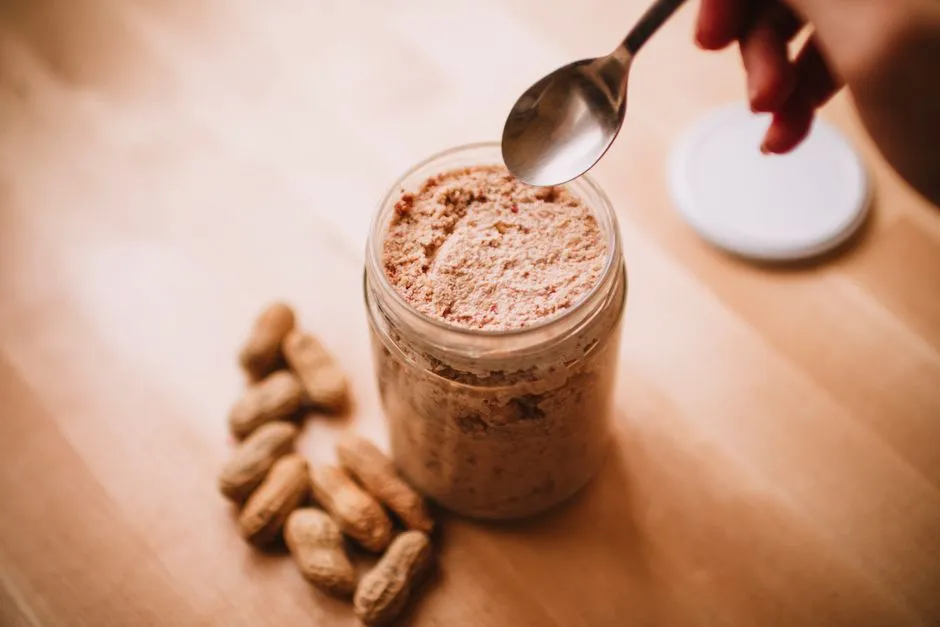
Peanut butter provides nutrients that may help people manage glucose levels. However, it can be high in calories, and many brands contain added salt, fat, and sugar. Those additions are worth paying attention to, because they change the metabolic profile of the snack considerably.
To get the most out of this snack, choose peanut butter with minimal ingredients, ideally just peanuts and salt. Value lies not in a premium price tag, but in consistency of formulation and absence of hidden glycemic disruptors. A store-brand jar with two ingredients can deliver equal or superior metabolic utility compared to a more expensive version that contains added cane sugar.
According to a 2024 review, a high intake of omega-6 may cause an imbalance in the ratio of nutritious fatty acids and potentially increase the risk of obesity and insulin resistance. Sticking to moderate portions keeps this concern in check.
How Snack Timing Affects the Benefit
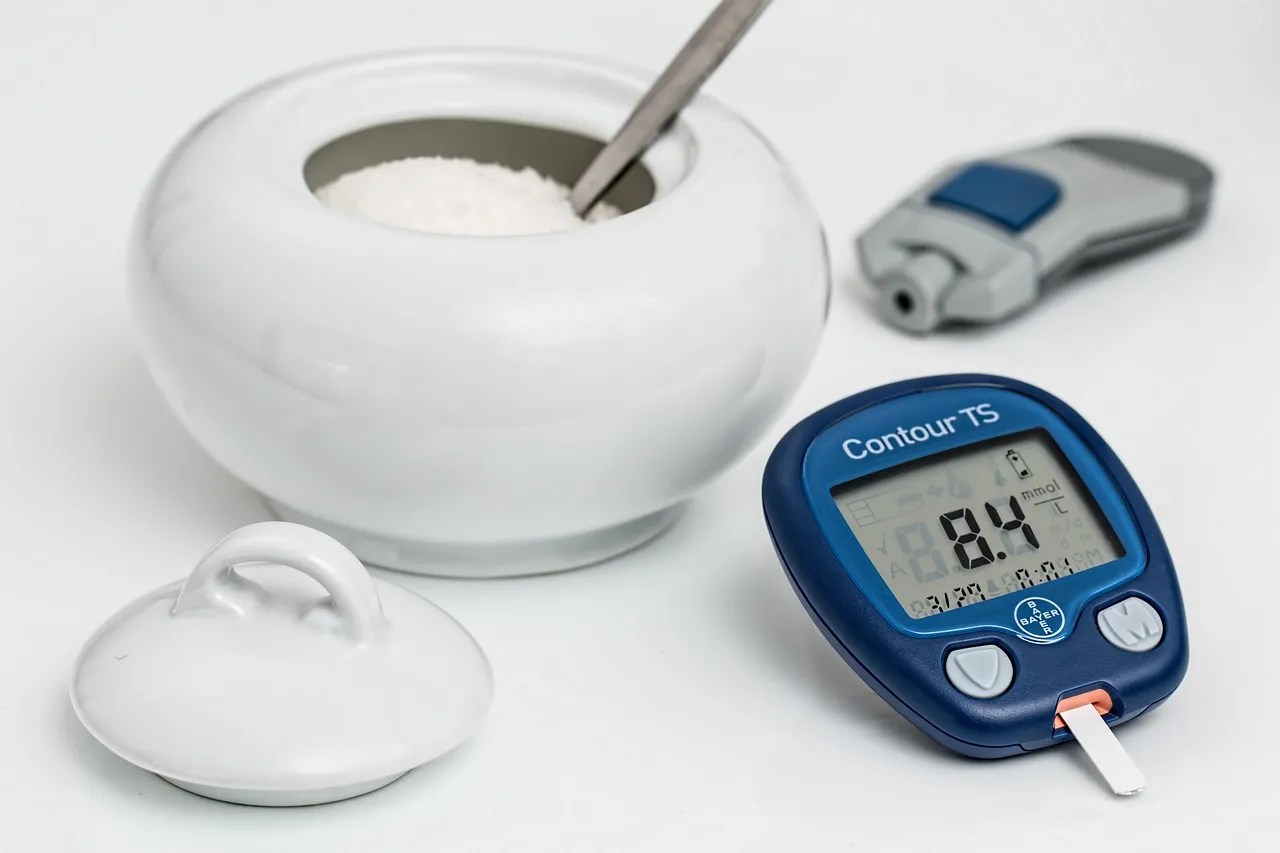
Planning a small snack mid-morning or mid-afternoon can prevent extreme hunger that might otherwise lead to overeating. Overeating, particularly of carbohydrate-heavy foods, is one of the most reliable ways to trigger a dramatic blood sugar rise.
For optimal glycemic control, eating this snack between meals rather than on an empty stomach is advisable. The fiber, protein, and fat combination makes it an excellent choice for managing hunger and maintaining steady energy levels throughout the day.
To maximize the benefits, try eating this snack when genuinely hungry rather than grazing mindlessly, and consider pairing it with a short walk afterward to optimize glucose uptake by the muscles. Even a brief five-minute walk after eating has been shown in separate research to support more stable postprandial glucose levels.
Portion Size and Practical Considerations
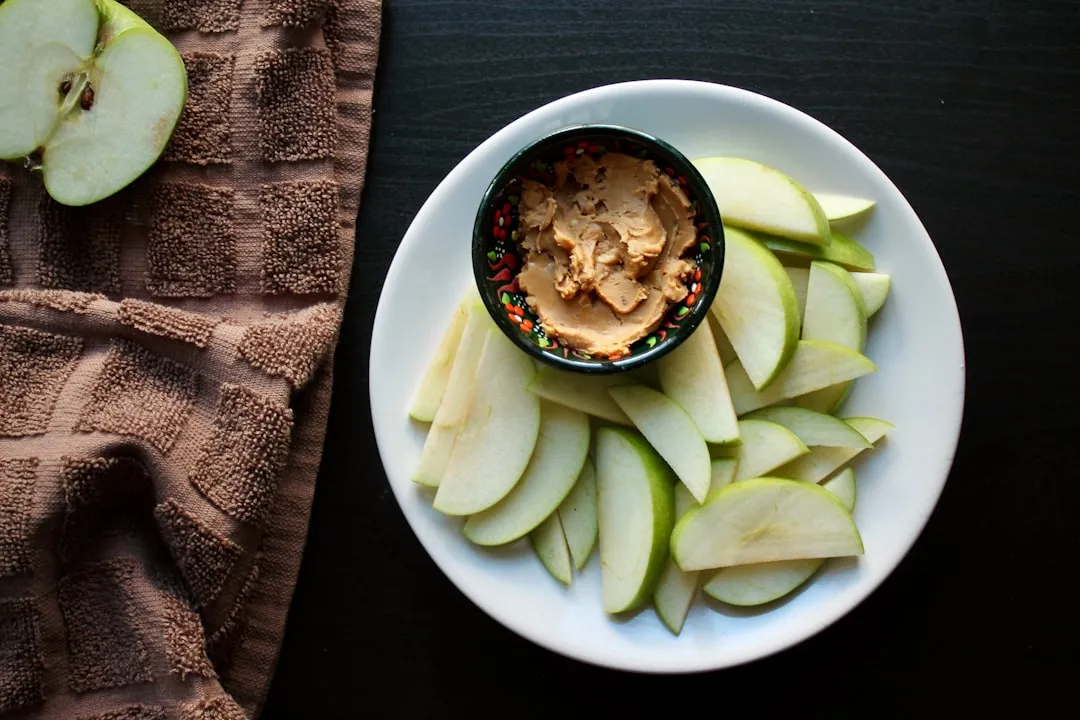
One medium apple with about two tablespoons of peanut butter keeps the glycemic load in check. More than that, and the calorie density of peanut butter starts to add up in ways that may counteract the benefit for those managing weight alongside blood sugar.
Peanut butter is a high calorie food. Eating it in excess could contribute to obesity, which is a risk factor for diabetes and a worsening of the condition. People need to consume peanut butter in moderation and be mindful of the calories in each serving.
Variety matters when it comes to the apple itself. Granny Smith and Braeburn apples have the lowest glycemic index and highest polyphenol content, while Red Delicious and Fuji are sweeter with slightly higher values. That said, any whole apple with its skin on is a reasonable choice.
Who Benefits Most from This Combination
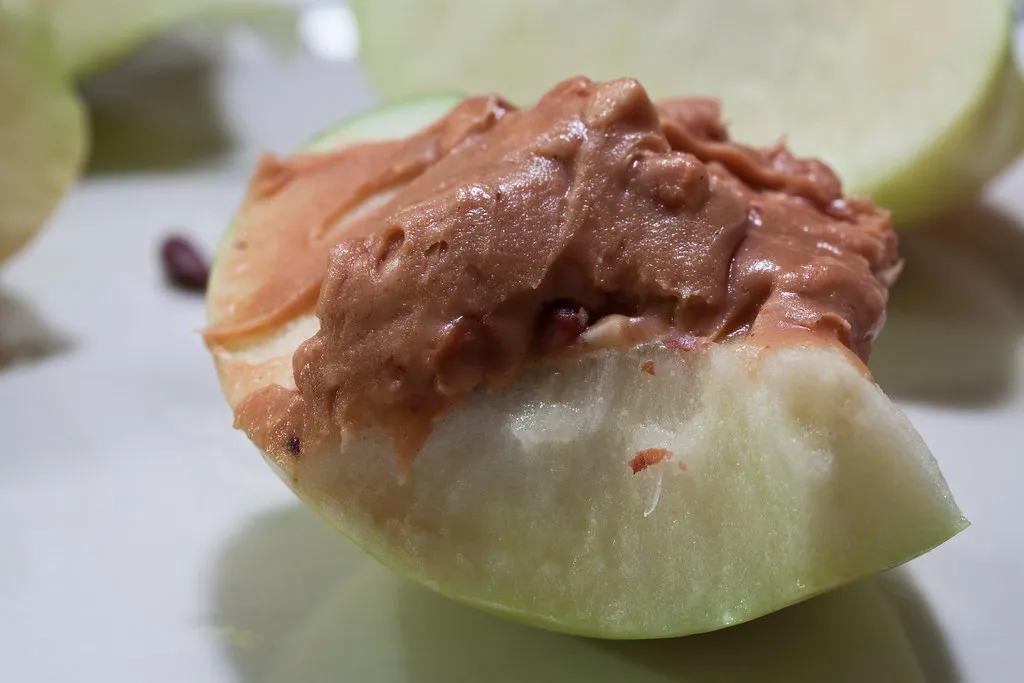
Interest in how food affects blood glucose has grown alongside broader public attention to metabolic health, continuous glucose monitoring adoption, and rising rates of prediabetes, which affects roughly 96 million adults in the United States alone. That is a large portion of the population for whom afternoon blood sugar management is genuinely relevant.
The American Diabetes Association’s 2024 Standards of Medical Care emphasize that effective diabetes management requires individualized medical nutrition therapy, with registered dietitians playing a crucial role in developing sustainable eating patterns. For people already working with a healthcare provider, an apple and peanut butter snack is typically a straightforward fit within most structured plans.
Apples are one of the few fruits where you can eat a full serving without worrying much about blood sugar, regardless of whether you are managing diabetes or not. The snack is versatile enough to be useful across a wide range of health contexts, from general wellness to active glucose management.
The Takeaway
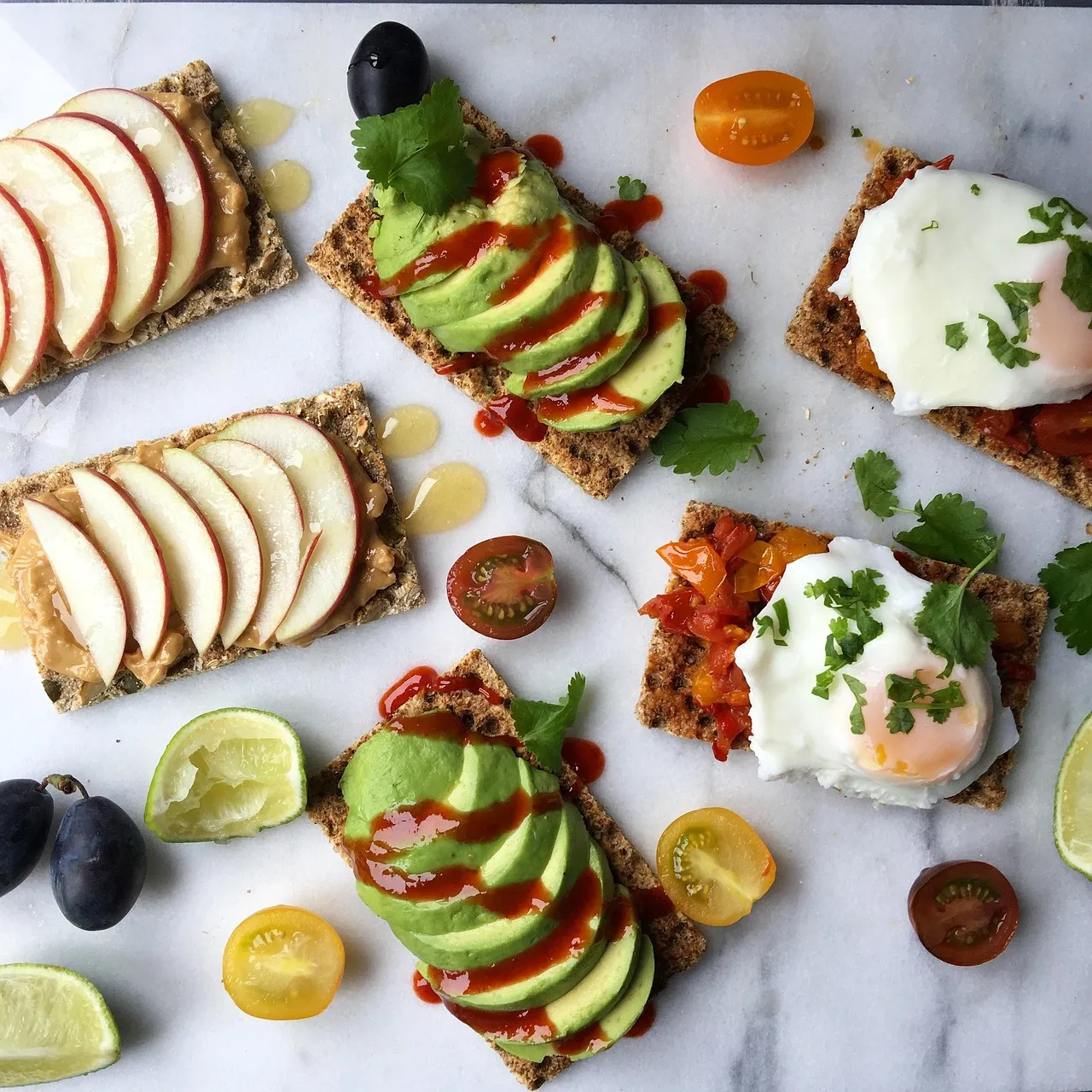
There’s something refreshing about a nutrition recommendation that doesn’t require a supplement, a subscription, or a long ingredient list. Apple slices with natural peanut butter checks every box that research currently supports for an afternoon snack: low glycemic fruit, soluble fiber to slow glucose absorption, healthy fat and protein to blunt the blood sugar curve, and enough satiety to carry you through to dinner without raiding the kitchen.
This isn’t about restriction. It’s about strategic pairing that lets you enjoy naturally sweet foods while keeping your blood sugar steady and your energy consistent throughout the day.
Keep it simple. Eat the peel. Choose peanut butter with minimal additives. Two ingredients, one reliable outcome.
AI Disclaimer: This article was created with the assistance of AI tools and reviewed by a human editor.