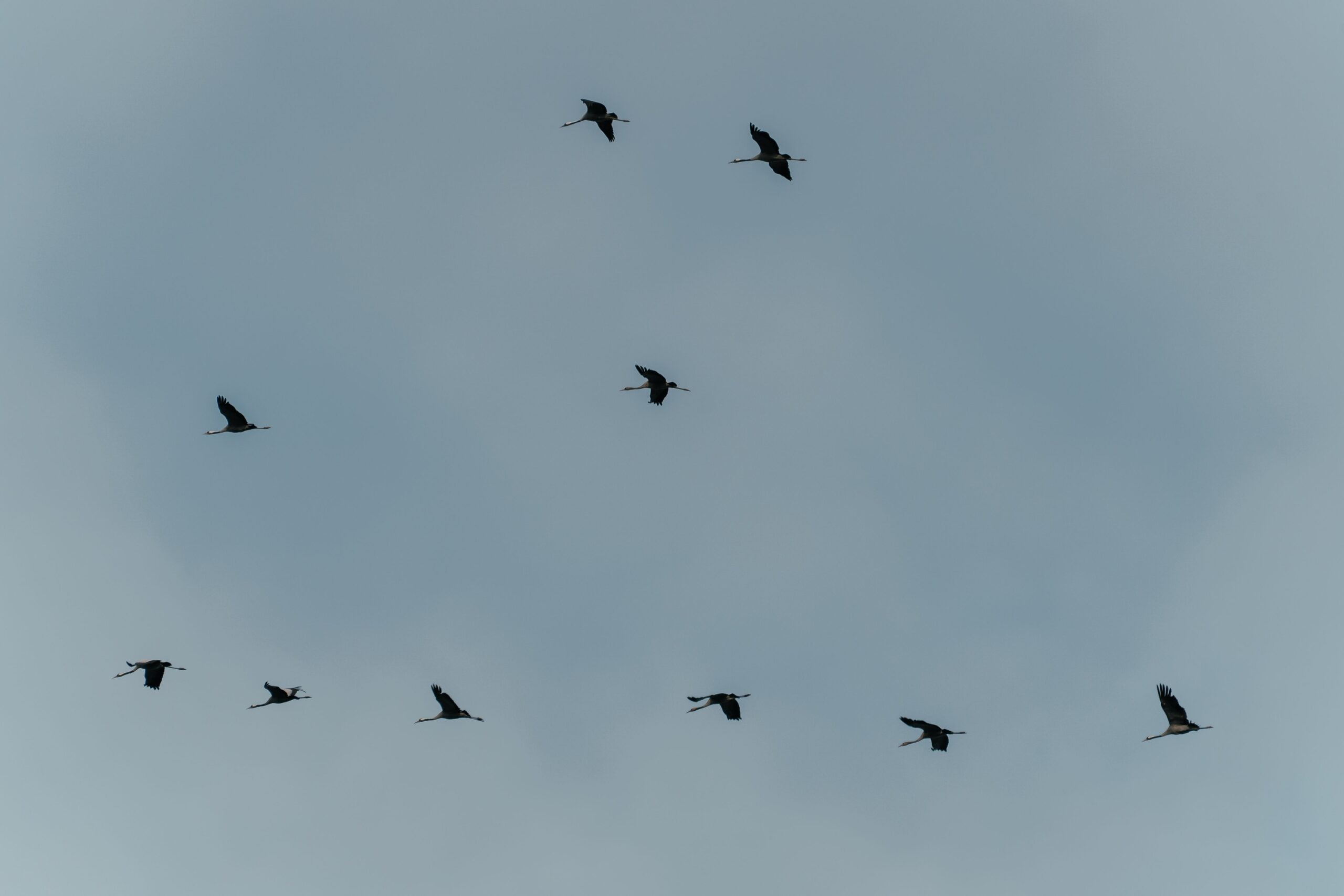

The Thin, High-Pitched “Seet”: The Sound You Almost Can’t Hear
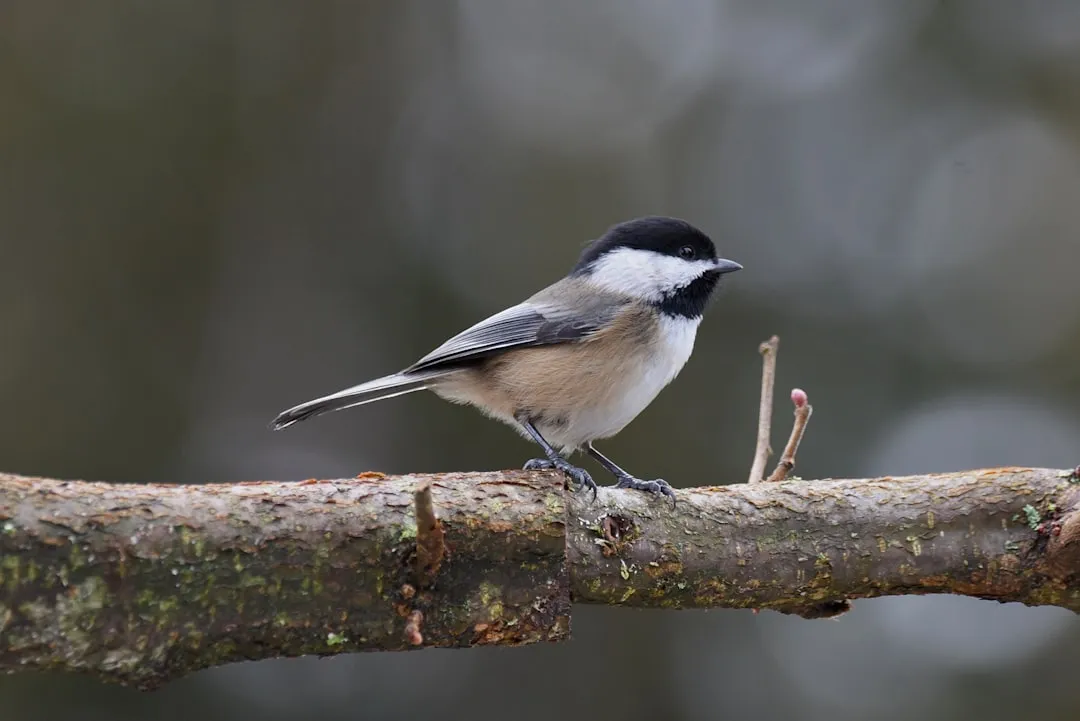
The most important hawk alarm in your backyard is one you might easily miss. Black-capped chickadees produce a thin, very high-pitched “seet” or “see” alarm, often associated with an immediate aerial threat such as a fast-moving hawk. A high, narrow sound is difficult for a predator to locate precisely, making it useful when remaining inconspicuous is safer than gathering a noisy mob.
Chickadees make this high-pitched, soft seet when a predator like a hawk, owl, or falcon flies overhead, while stationary predators elicit various versions of the famous chick-a-dee tune that calls flock members to arms. The distinction is deliberate and meaningful. A flying hawk is an immediate danger; a perched one is a different kind of threat.
Black-capped chickadees make this high-pitched “see” as a high-intensity alarm call, often when a fast-approaching predator is detected. When chickadees hear this call, they freeze in position until they hear a chickadee-dee call signifying “all clear.” So if your yard goes quiet after a quick, thin whistle, take it seriously.
Sudden Silence: When the Noise Stops, Pay Attention
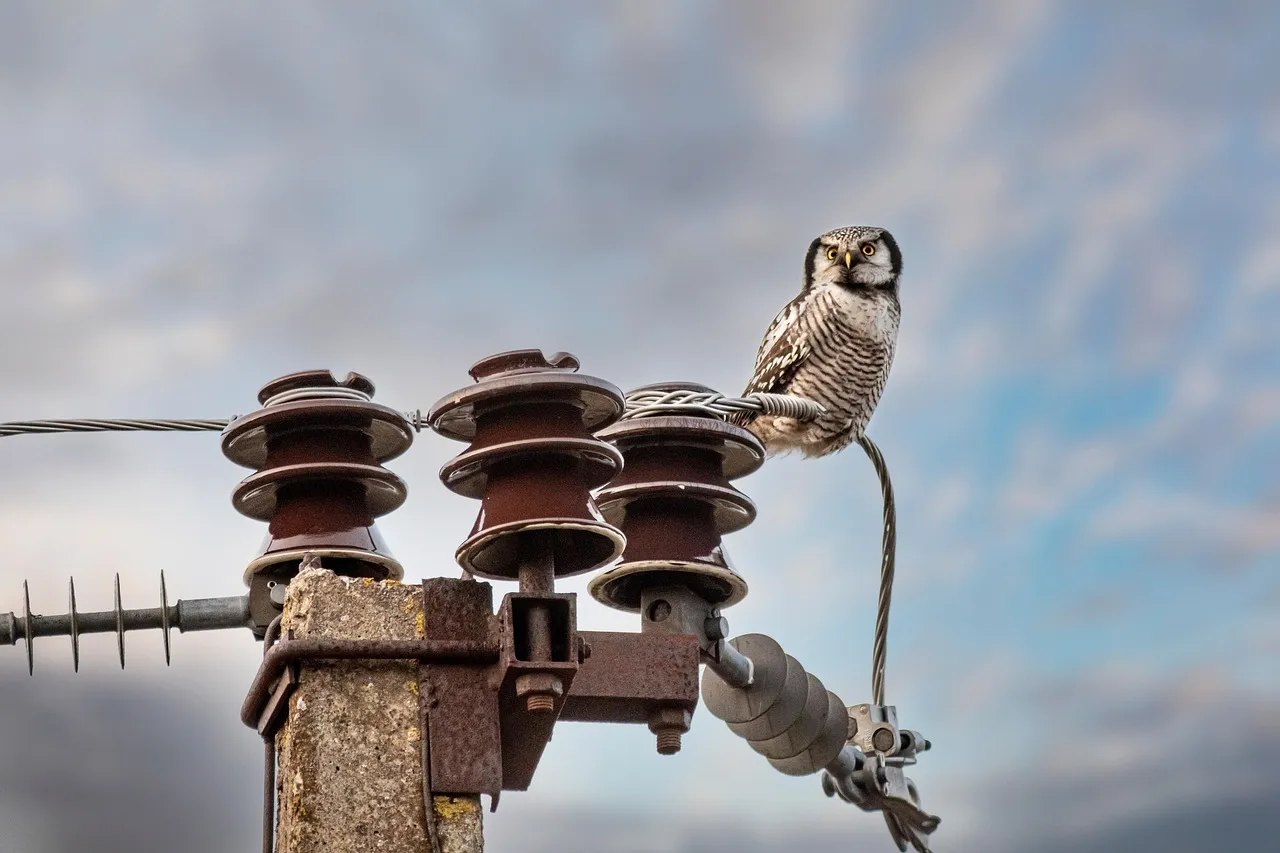
The chickadee aerial predator alarm stands out clearly when you tune in to the chattering companion calls of a feeding group. If you’re listening to them all merrily feeding and chattering away and then all of a sudden their vocalizations just stop, you might see birds diving into cover and hear a very high-pitched “see see seet!” alarm.
Signs of hawk activity include sudden silence among your backyard birds, the presence of feathers or carcasses, and, of course, direct sightings of hawks. The silence itself is the signal. Birds don’t go quiet for no reason. Sudden frantic fluttering or silence among your usual backyard birds can also signal a hawk nearby.
If it stays quiet, there might be a hawk nearby. If the birds quickly go back to their chattering, then the hawk may have just flown through momentarily in the distance. That distinction, between prolonged silence and a quick return to normal, tells you how close and how serious the threat really is.
The Blue Jay’s Screaming Alarm: Your Loudest Early Warning System
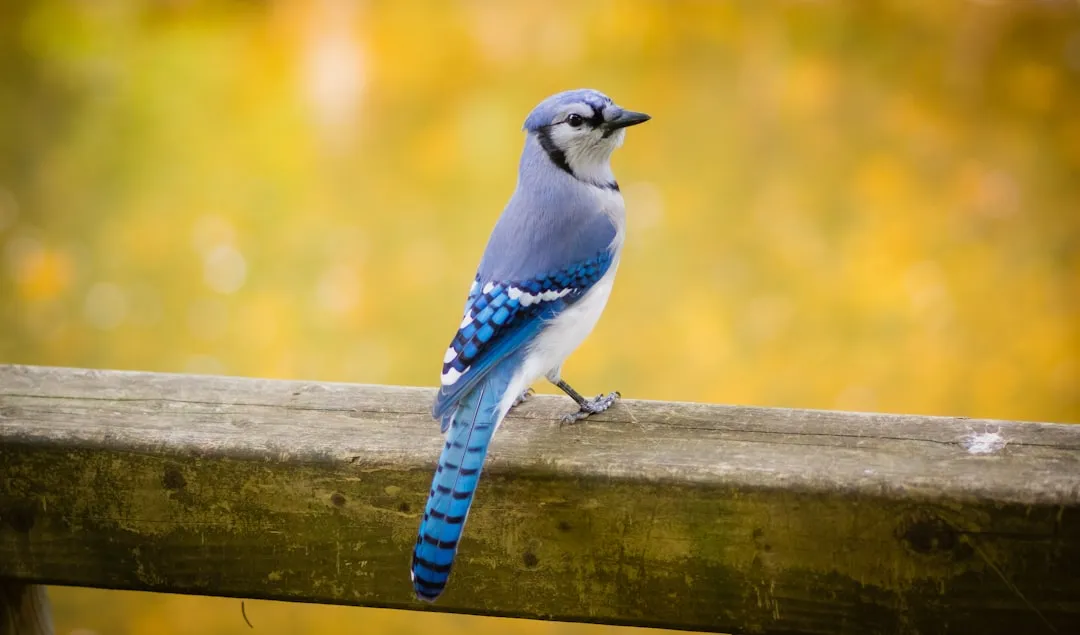
Blue Jays have a loud, unmistakable, slightly metallic vocalization usually heard in the mornings, but it’s also common throughout the day when they spot hawks, snakes, or even raccoons. They’re noisy enough that people often tune them out entirely, which is unfortunate. Many smaller songbirds use them as security monitors: if the Blue Jay calls, danger is present.
Blue Jays immediately sound the alarm when a hawk enters the yard, and their calls alert all the birds that haven’t yet taken flight or headed for cover as they bolt for safety. They’re genuinely useful, not just dramatic. Blue Jays are even capable of imitating a Red-shouldered Hawk’s scream and may use this to warn other Blue Jays. They may also use this call to trick other birds away from a food source they want, so a Blue Jay alarm doesn’t always mean a hawk is present, though it’s always worth pausing to look.
The Chick-a-Dee-Dee-Dee Call and What the “Dee” Count Means
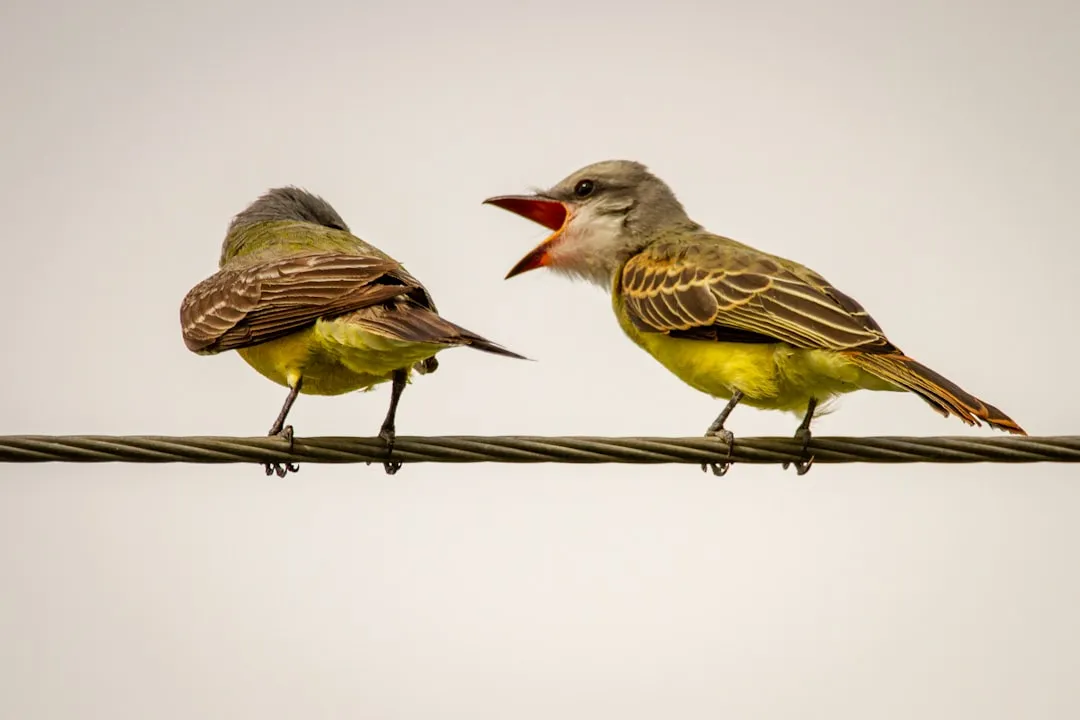
Birds make two kinds of alarm calls: a soft, high-pitched “seet” and the louder namesake “chick-a-dee.” The seet call indicates the presence of predators flying overhead, while the chick-a-dee call is used in a variety of situations, such as signaling the presence of stationary predators or identifying flock mates.
Researchers recorded more than 5,000 calls that birds made when various predators, including owls, hawks, and falcons, were placed in their outdoor enclosure. The recordings showed that, among other changes, the birds made more chick-a-dee calls and incorporated more dee syllables into each call when they saw a small raptor with a short wingspan. More dee notes essentially means more danger.
The study provides a rare example of alarm calls that convey information both about the type of predator and the degree of threat. So listening carefully to exactly how many dee’s trail off at the end of that call isn’t paranoia. It’s actually informative.
The Robin’s Nearly Inaudible “Seet-Seet”: A Hawk Signal Many People Miss
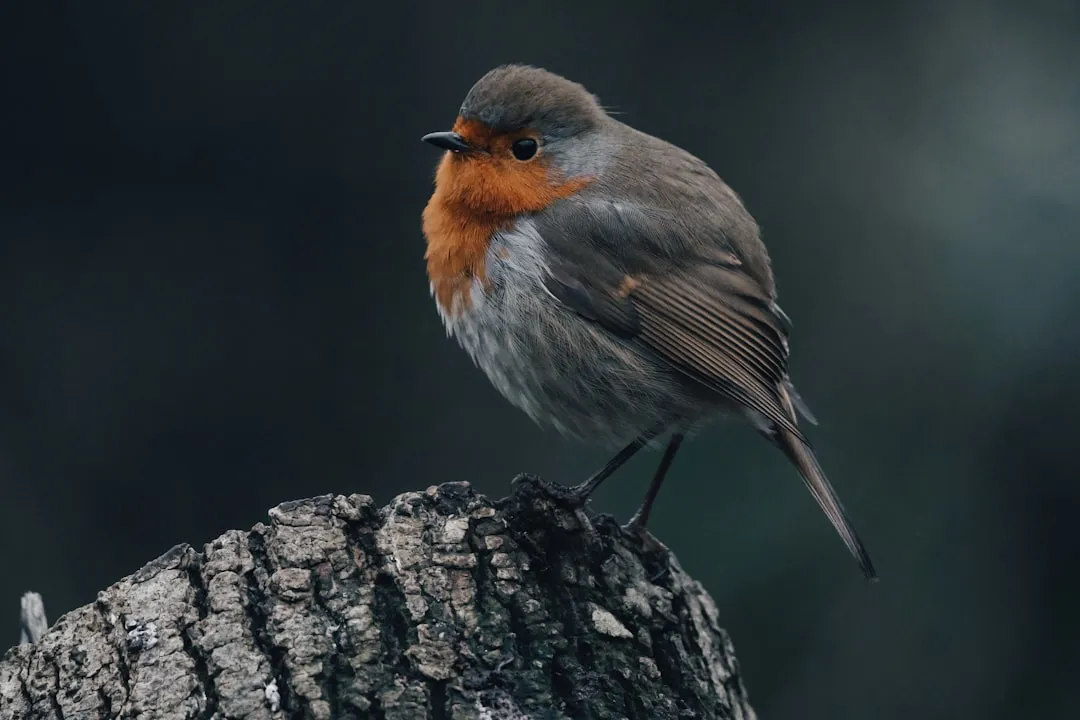
Robins are among the most reliable hawk detectors in a typical backyard, though their method of warning is deliberately subtle. The robin utters its calls about high-risk danger from deep within a shrub or vine tangle, counting on the hawk being unable to locate their source. The intent is probably to warn the robin’s mate and offspring, but other species have learned to heed them, too.
Catbirds, sparrows, finches, and nuthatches dash for safety when they hear a robin’s barely-audible-to-humans “seet-seet” sound, because they know a bird-eating hawk is hunting nearby. This is a remarkable cross-species communication that most people walk right past every day.
In backyards, the birds likeliest to call out high-danger warnings are robins and chickadees, and many wild creatures recognize such calls. If you start hearing that barely-there, thin seet coming from your shrubs, look up. Something is overhead.
How the Alarm Spreads: A Backyard Communication Network
The alarm call ricochets from chickadees to nuthatches to titmice to jays, and soon an angry horde of songbirds arrives to mob the intruder. Even after the hawk gives up and flies off, the alarm call network keeps buzzing with a wave of real-time reports that the threat is now on the move.
More than 50 different species will respond to a chickadee’s alarm call. The woods are wired by these alarm call networks, which allow various species of birds and small mammals to exchange information about a hawk or an owl. Your backyard, in other words, has infrastructure you never knew was there.
In experiments using extensive networks of microphones placed every 50 meters, researchers recorded seet calls relayed across several different species, from Black-capped Chickadees to Lazuli Buntings to House Finches to Song Sparrows. The microphone array clocked the alarm signal traveling up to 100 mph from an initial point to 200 meters away. That’s two football fields in the time it takes you to look up from your phone.
Crow Mobbing: When Multiple Birds Converge on One Spot
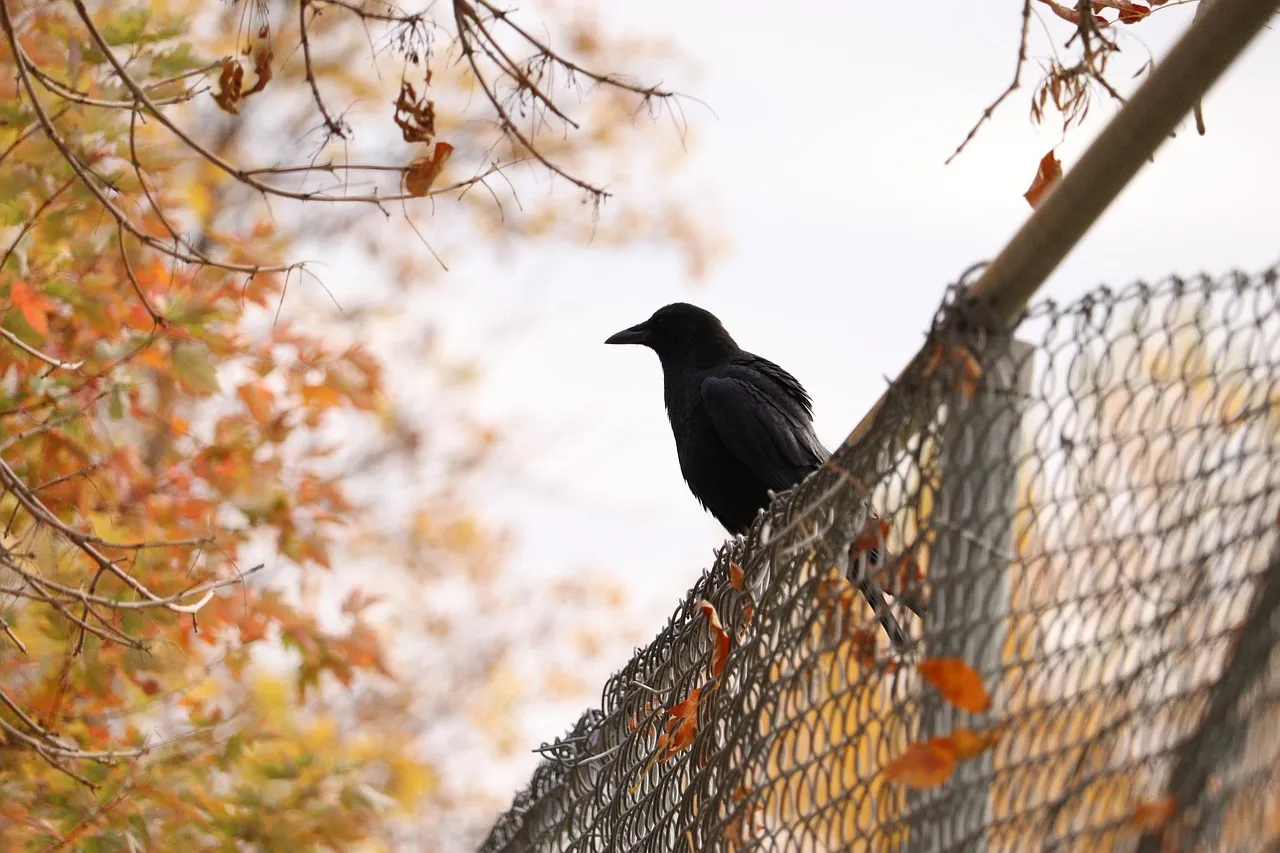
When you hear a sudden eruption of loud, relentless cawing and multiple crows appear to be converging on a single point in the tree canopy, something with wings and talons is almost certainly the cause. Other nearby birds soon join in and a chorus of alarm calls is directed at the threatening entity. It is believed that mobbing functions to harass the potential predator, reducing its element of surprise and driving it from the area.
Crows operate on a different level than most backyard birds. They’re larger, smarter, and their alarm behavior tends to be more organized. Like Blue Jays, crows will mob hawks, eagles, and other birds of prey to stop them from hunting in their territory.
When several crows suddenly appear from different directions and all zero in on the same tree, it’s worth walking outside and looking carefully at the canopy above. Blue Jays and crows may call out in relentless unison, and if the hawk continues to ignore the demands to leave, they begin to creep even closer, dive-bombing the intruder at a safe distance so as not to become its next meal.
The Abandoned Feeder: A Visual Cue That Pairs With the Sound
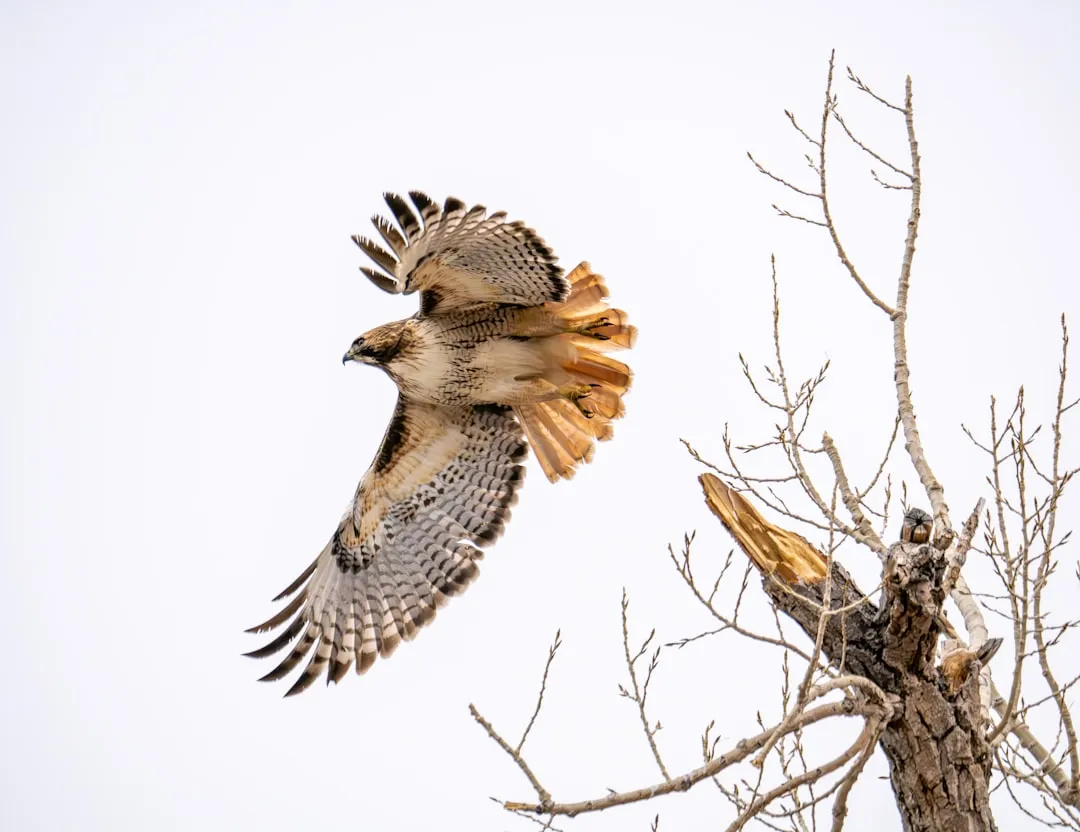
Sound is the first signal, but visual cues confirm it. If you notice that your bird feeder has suddenly been abandoned with no signs of activity, chances are that the feathered friends who frequent your feeder have been alerted of a hawk nearby. In fact, your bird feeder is likely what is attracting hawks in the first place, as it creates the perfect environment to observe and hunt prey.
Many hawk species, including the prolific Red-tailed Hawk, will watch their prey from the treetops and wait for as long as it takes, sometimes hours, to strike. An empty feeder combined with a yard that went strangely quiet is not a coincidence. A sudden decrease in bird activity around feeders or an increase in alarm calls among songbirds could suggest hawks are prowling nearby.
Why Hawks Keep Coming Back to the Same Yard
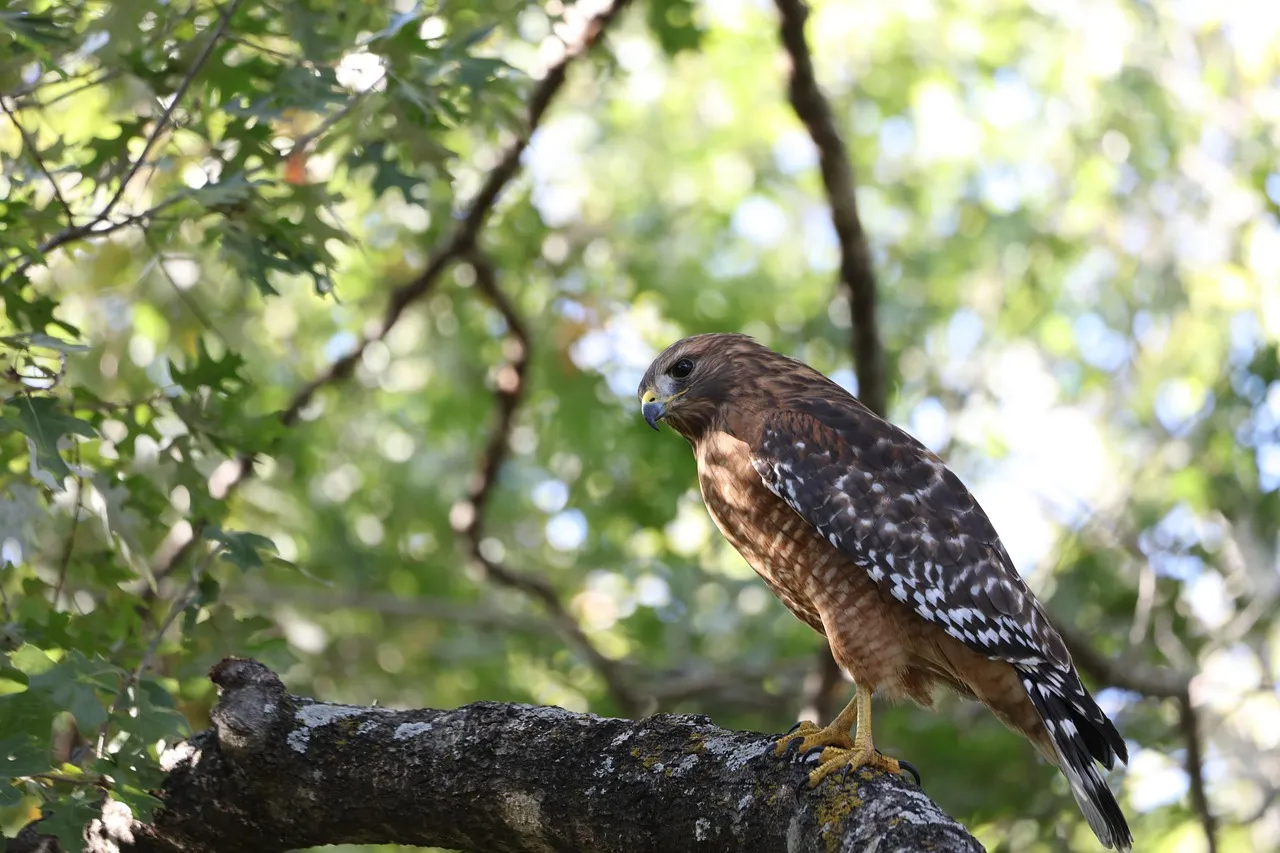
Hawks often return to the same territory annually, especially if they’ve established successful hunting grounds. They’re creatures of habit who remember productive areas with abundant prey and suitable perching spots. If you heard alarm calls last season and you’re hearing them again now, it’s quite possible it’s the same bird.
Hawks may be drawn to a backyard for several reasons, including an abundance of prey like songbirds, rodents, or squirrels, habitat loss in their natural hunting grounds, or the breeding season when they need to feed their young. Changes in the local environment can also displace hawks, leading them to seek new territories.
Hawks are opportunistic hunters and are largely attracted to yards that provide easy access to prey. This includes concentrations of feeder birds, which provide a convenient food source, as well as rodents and small mammals: if your yard has a rodent problem, this also attracts hawks hunting mice, rats, and voles. A hawk marking your yard is, in a strange way, a sign that your yard is thriving.
What to Do When the Sounds Tell You a Hawk Is Present
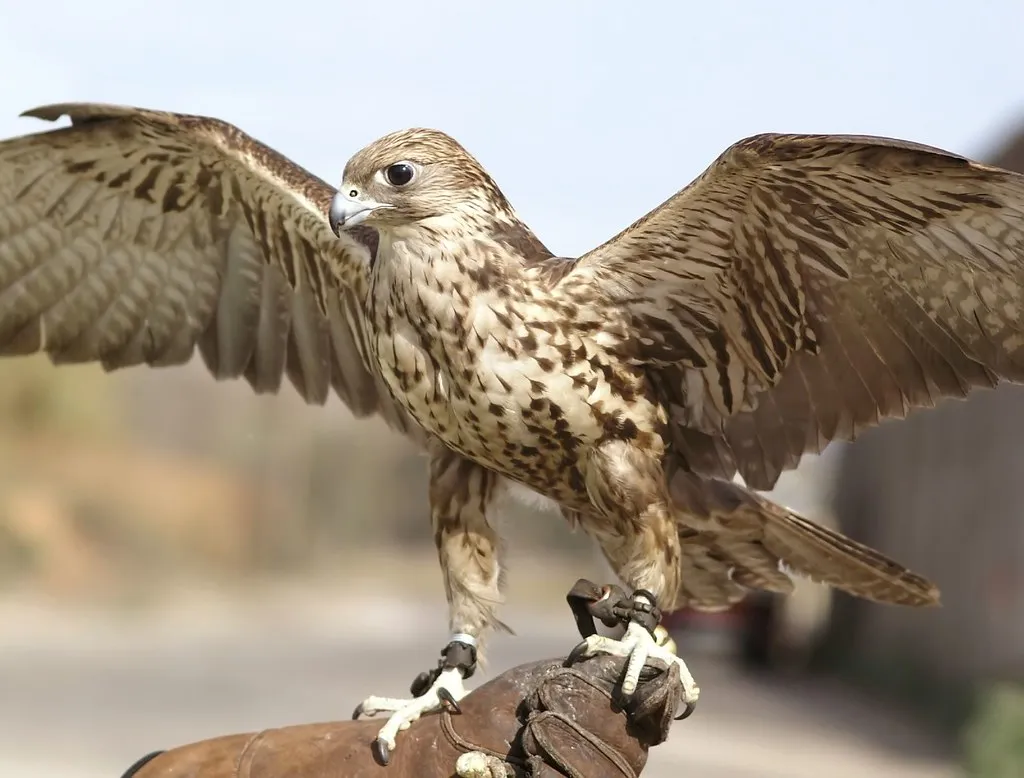
Regularly monitoring bird activity in your yard and observing for signs of hawk presence, such as sudden disturbances or alarm calls from small birds, is essential. Adjusting strategies accordingly based on observed behavior and effectiveness helps protect the birds you want to keep around.
Incorporating dense shrubs and native plants creates cover for smaller birds. Thicker foliage provides hiding spots that help protect them from hawks. Giving smaller birds somewhere to disappear quickly is one of the most straightforward things you can do. The presence of hawks can pose a significant threat to backyard birds, but these raptors play a crucial role in maintaining ecological balance.
Hawks often circle high above your yard, scanning for prey. You might see them perched quietly on tall trees or fence posts, patiently waiting for the right moment to swoop down. Listening for sharp, piercing calls that sound different from other birds is one of the clearest ways to detect their presence early. Once you know what to listen for, your yard sounds completely different.
Reading the Yard Like a Field Naturalist
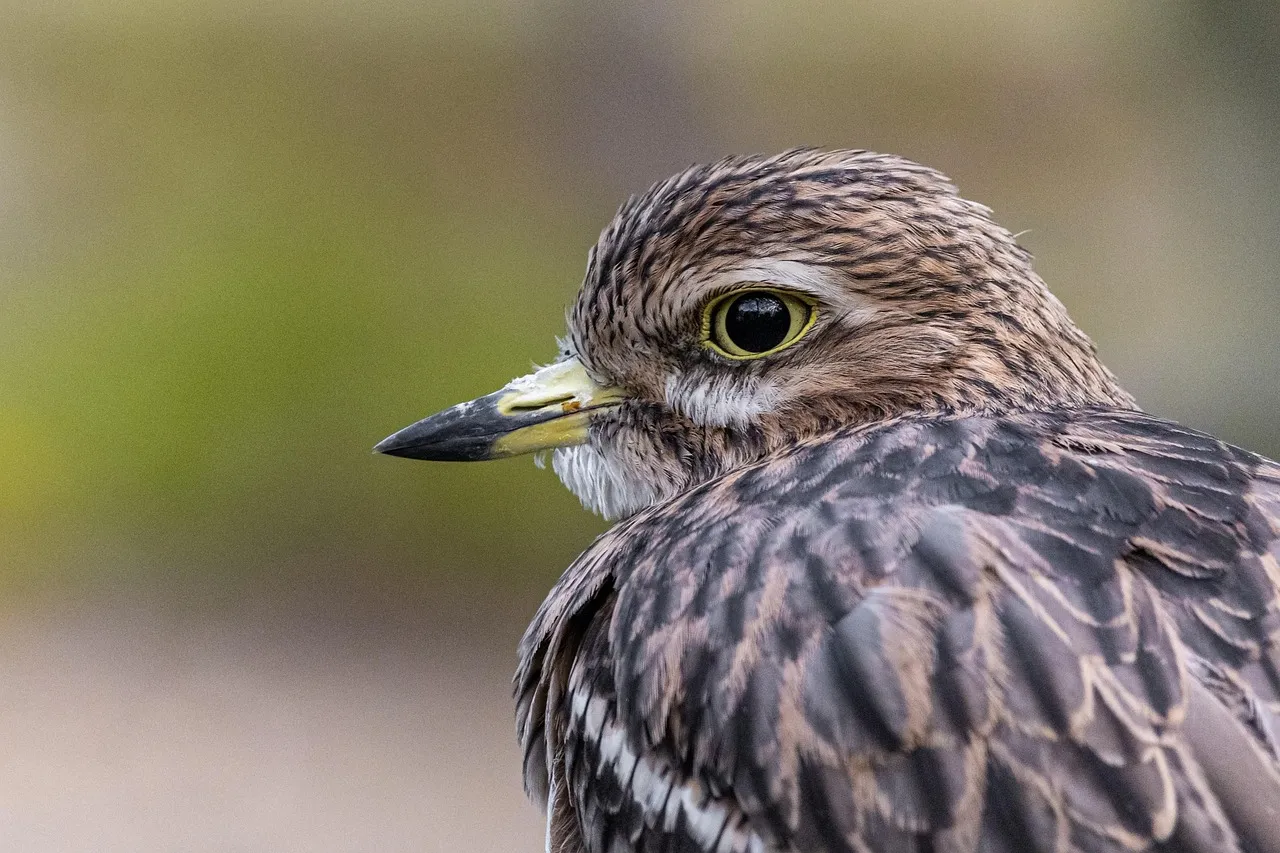
The sounds described in this article are real, well-documented, and happening in residential yards across North America every day. Cornell Lab of Ornithology researchers have found that while individual species have their own alarm calls, these may be understood by many other kinds of birds because they share characteristics such as a similar frequency range. That shared language is ancient, effective, and available for anyone willing to listen.
Listening in on birds’ specific alarm calls can give scientists a rough estimate of how many predators are living in a particular area, making it an effective, non-invasive way of measuring the health of the ecosystem. What scientists do formally, any observant backyard watcher can do informally. Bird warning calls, which serve as a defense mechanism for threatened songbirds, can indicate the presence of a hawk.
Once you learn the seet, the chick-a-dee-dee count, the mob cawing, and the sudden fall of silence, your backyard stops being background noise. It becomes something worth actually paying attention to. The birds have been broadcasting the news the whole time. You just needed to tune in.
AI Disclaimer: This article was created with the assistance of AI tools and reviewed by a human editor.