
The “Calming Signal” Concept That Changed How We Read Dogs
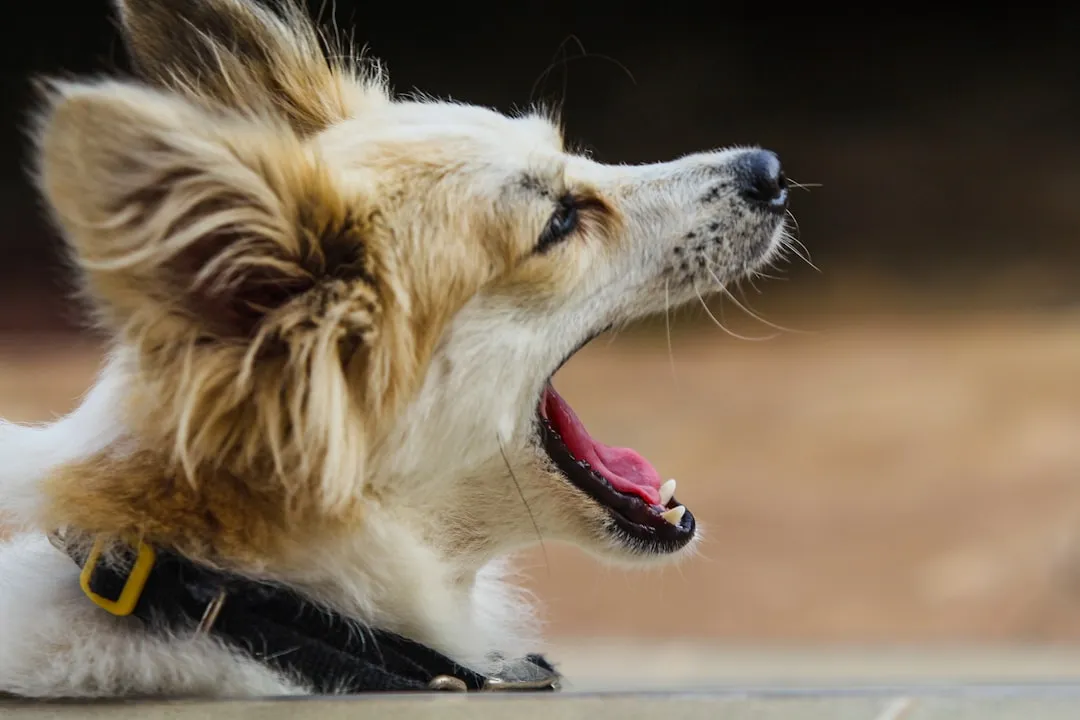
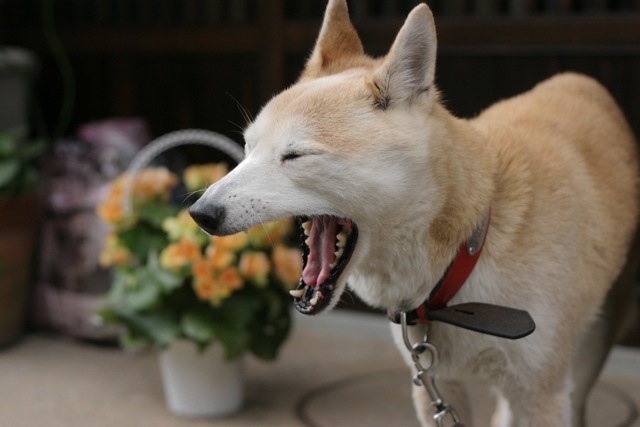
A stress yawn is a recognized piece of dog body language known as a “calming signal” – a set of subtle behaviors dogs use to de-escalate a situation, avoid conflict, and soothe their own anxiety. The term was popularized by Norwegian dog trainer and author Turid Rugaas, whose observations of canine behavior helped shift how both professionals and everyday owners interpret what dogs are trying to say with their bodies.
A common reason dogs yawn is to avoid conflict with a potential aggressor – it’s what experts call a calming signal, and recognizing it as a stress signal can help owners remove their dog from uncomfortable situations. This reframing matters enormously in practice, because misreading a stress yawn as simple tiredness means missing a real opportunity to intervene.
Two Types of Yawns, One Familiar Motion
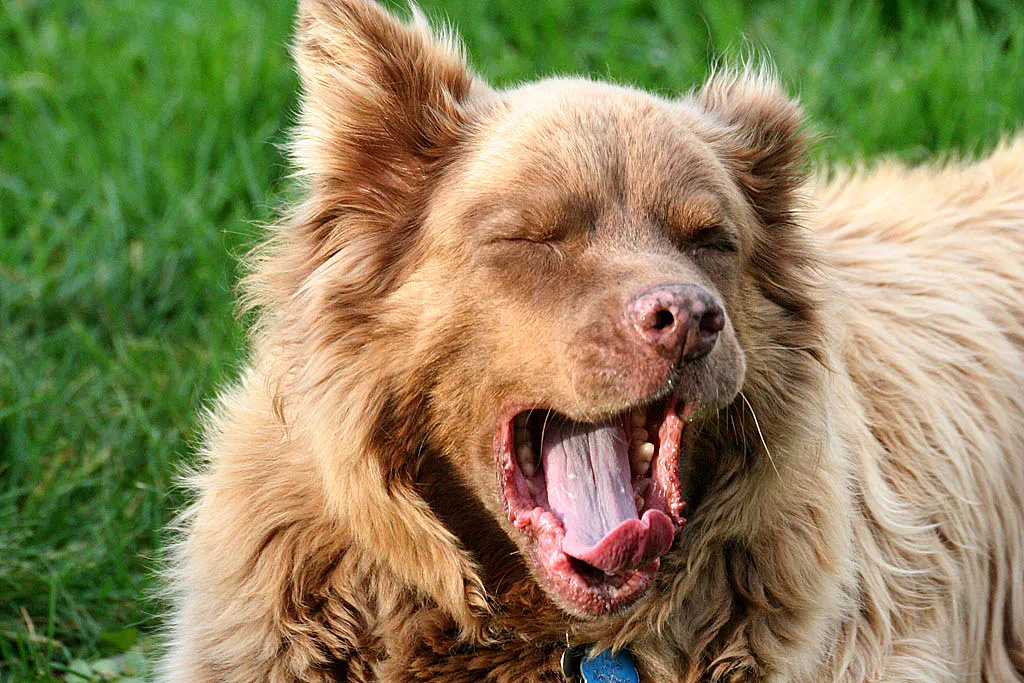
Research has worked to confirm that dogs have two main yawn types: a “rest” yawn that occurs between sleep-activity transitions, and a “social” yawn occurring during social interactions, including both dog-dog and human-dog contexts. The challenge is that both types look virtually identical on the outside.
Both yawn types are morphologically the same, so the context of a yawn is used to indicate whether it occurred for rest or communication. Even when recording the context, distinguishing between displacement and pacification intentions was very difficult, and yawns motivated by either were collectively considered social in function. Context, in other words, is everything.
One study found that the majority of dog yawns occur during social interactions and not during sleep transitions, suggesting that using the yawn as a gauge to indicate whether a dog is anxious or relaxed is one step toward more effective communication between dogs and humans.
How Anxiety Yawning Actually Works in the Body
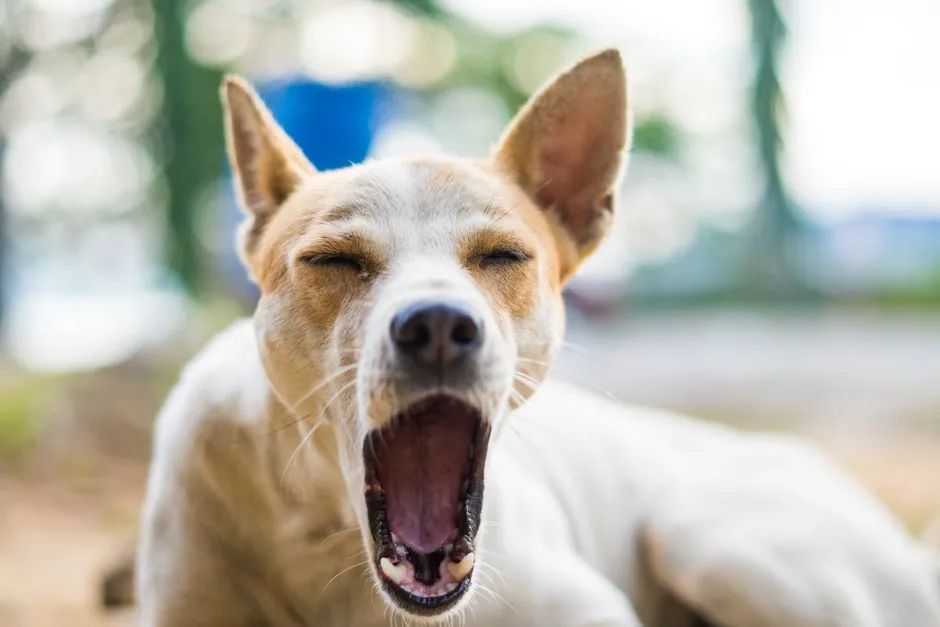
Yawning can sometimes act as a self-soothing mechanism for dogs. It can slow a dog’s breathing, which helps them calm down in stressful situations. This is not unlike the way humans use slow, deep breaths to manage nerves before a difficult conversation or a medical appointment.
When a dog yawns in a situation that isn’t related to waking up or going to sleep, they are often trying to release internal tension. It’s a self-soothing mechanism, much like when humans might take a deep breath or nervously fiddle with their hands. The physiology behind it supports the behavior: widening the jaw and drawing in a large breath briefly shifts attention and slows the autonomic nervous system’s stress response.
What the Science Says About Dog Anxiety Prevalence

A major study using data from the Dog Aging Project found that more than 84% of dogs showed at least mild signs of fear or anxiety in everyday situations, with researchers analyzing data from more than 43,000 dogs across the United States. That number puts stress yawning into sharper perspective: it isn’t a rare edge case.
The same study found that nearly 30% of dogs showed situational anxiety. Additionally, almost 10% of dogs were rated with extreme noise fear. These are not small fractions, and they suggest that a significant proportion of daily dog yawns may be communicative rather than the result of an uneventful afternoon nap.
Reading the Stress Yawn in Real Situations
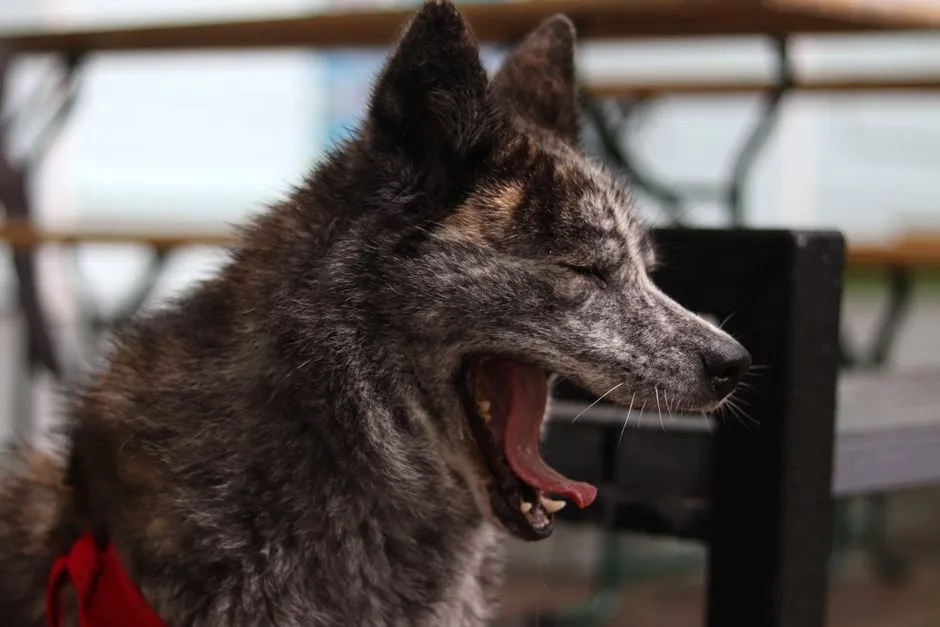
Yawning can be a sign of stress and anxiety in dogs. If a dog yawns in a situation where they seem uncomfortable or uneasy, it can be a way to calm themselves or alert others that they are not comfortable, and stress-related yawns are often associated with other body language. Signs may include trying to appear smaller, hiding, or vocalizing, and this type of yawn may also be repetitive or frequent.
Stress yawns are usually accompanied by other signs, like cowering, panting, pacing, or hiding. Watching for this cluster of signals together is more reliable than fixating on any single behavior. A lone yawn at bedtime carries very different weight than three yawns in a row during a vet visit.
The Social Role: Yawning to Ease Tension with Other Dogs
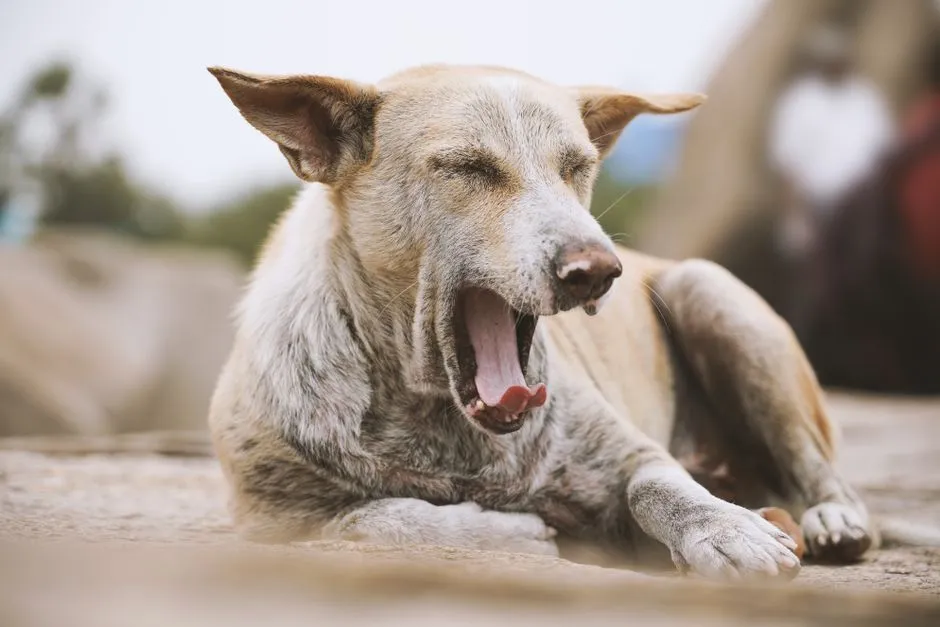
Both domesticated dogs and wild canids use yawning as a social signal. When faced with an aggressive dog, another dog may yawn back – not to signal submission, but to show a lack of interest in conflict and help ease social tension. This type of yawning, often called a pacifying behavior, signals that the dog doesn’t want to escalate the interaction.
Dominant dogs and wolves may also yawn when interacting with submissive or fearful animals. In these situations, the yawn seems to signal calm, unconcerned body language, which can help ease the other animal’s anxiety. So yawning serves communication purposes from both directions in a social encounter – it can be offered as reassurance or received as de-escalation.
Dogs will yawn when under stress, or as a pacifying signal when being menaced by aggression signals from another dog. Yawning, accompanied by a head turned away from the aggressor, can defuse a potentially threatening situation.
When Yawning Appears in Obedience and Training Contexts
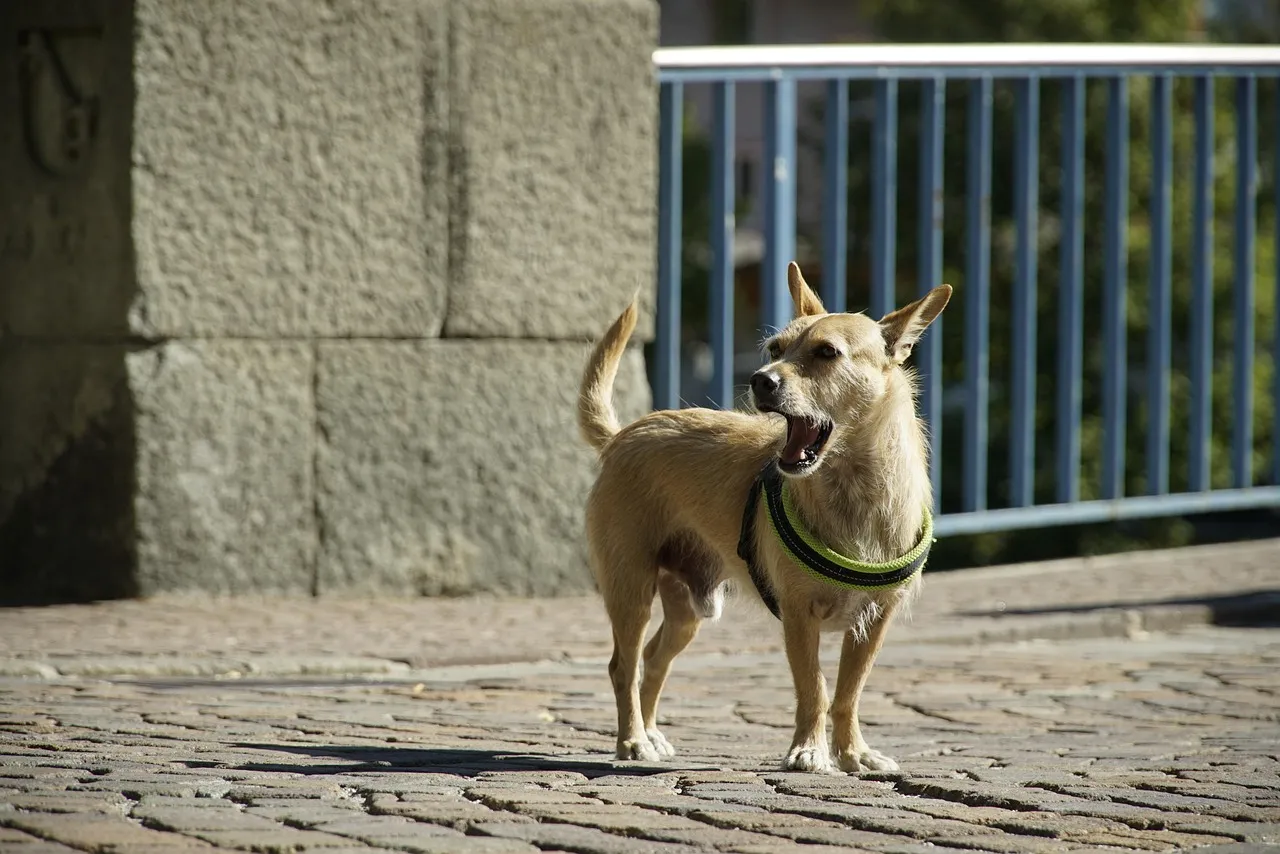
Direct observations of canine behavior have shown that dogs under stress are more likely to yawn. In dog obedience classes, a dog will often yawn immediately after being scolded or given a very harsh correction. This is an important signal for trainers to understand, because it suggests the dog is not ignoring a command – they are actively managing emotional discomfort.
Dogs yawn when they are tired, but also to communicate emotions, manage stress, or as a form of submission in social situations. Trainers who recognize this distinction often adjust their approach on the spot, giving the dog a moment to settle rather than pressing harder with the exercise. That small adjustment can make the difference between a productive session and one that erodes trust.
The Cluster Principle: Yawning Is Rarely the Whole Story
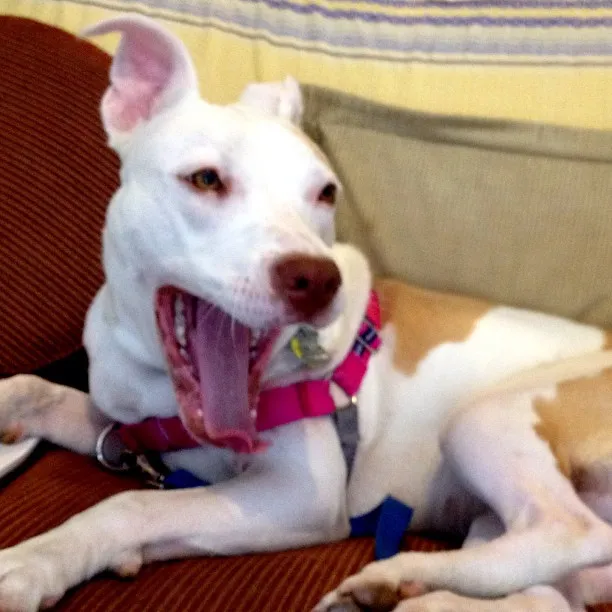
The stress yawn rarely happens in isolation – it’s part of a rich vocabulary of quiet communication. As owners start to notice the yawns, they’ll likely begin to see other calming signals as well. Recognized calming signals and appeasement behaviors, indicators of stress, include turning the head away, blinking, lip and nose licking, freezing, yawning, ears back, and panting.
Yawning becomes a way for dogs to cope with stress, much like how humans might bite their nails. It’s essential to observe other signs of anxiety, such as pacing, whining, or avoiding eye contact, to get a fuller picture of a dog’s emotional state. Treating the yawn as just one data point – rather than a definitive conclusion on its own – leads to more accurate and compassionate reading of what a dog needs.
Contagious Yawning and What It Reveals About Dog-Human Bonds
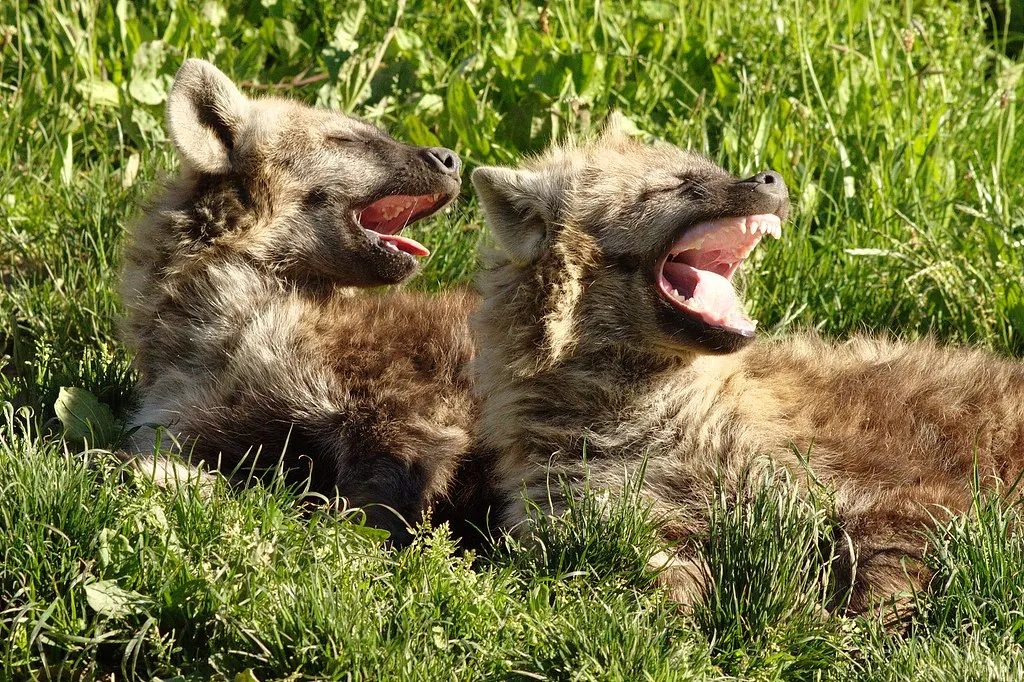
Most people know that yawns are contagious, but the behavior isn’t limited to humans. Researchers and observers have found that dogs can catch yawns from other dogs and from people, and they may also catch a yawn from a familiar human, especially someone they’re close to. This cross-species contagion is not just charming – it carries real behavioral implications.
Many researchers think this contagious yawning may be linked to empathy, suggesting that dogs are highly attuned to the emotions and behaviors of both humans and other dogs. Studies show that dogs can catch human yawns and modulate their behavior based on our tone and energy, a form of biobehavioural synchrony – a shared physiological rhythm – that strengthens the bond and enhances empathy.
What Dog Owners Can Actually Do with This Knowledge

If a dog yawns excessively, veterinarians recommend first trying to identify any stressors or changes in the environment, such as loud noises, new situations, or unfamiliar people. While it’s not always possible to remove the stressor completely, steps can be taken to calm the dog in other ways.
Reducing stressors in a dog’s environment can help mitigate anxious yawning. Creating a calm and safe space, providing comforting toys, or using calming aids like pheromone diffusers can make a significant difference. If the dog continues to show signs of stress, consulting a professional dog trainer or behaviorist may be beneficial.
Stress can cause serious health issues in dogs, including high blood pressure, appetite loss, and even a weakened immune system. Catching anxiety early through visible signals like yawning is therefore not just about comfort – it can have real long-term health consequences for your pet.
Final Thoughts
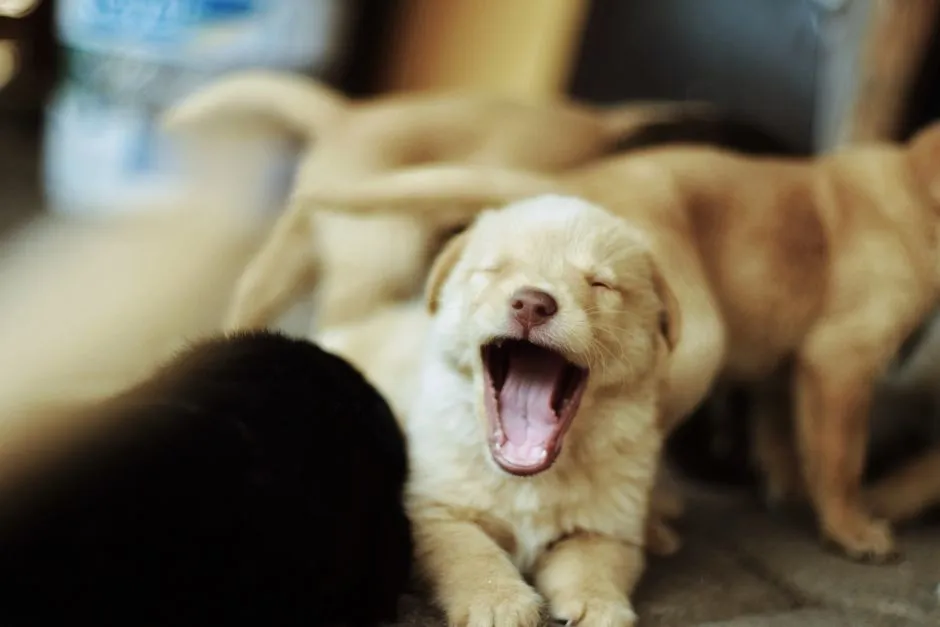
The humble yawn turns out to carry a great deal of meaning in a dog’s life. It can signal sleepiness, yes, but it can just as easily signal a quiet plea for space, a diplomatic gesture toward another dog, or an attempt to self-regulate in a world that sometimes feels overwhelming.
Because yawning can have multiple meanings, it’s important to consider the situation and look for other signs of stress before assuming anxiety is the cause. Observation and context are the most reliable tools any owner has.
Dogs communicate constantly, largely without sound. Learning to read even one small piece of that language – a drawn-out jaw, a slow exhale in an unfamiliar place – opens a window into how your dog actually experiences the world. That window is worth looking through.
AI Disclaimer: This article was created with the assistance of AI tools and reviewed by a human editor.