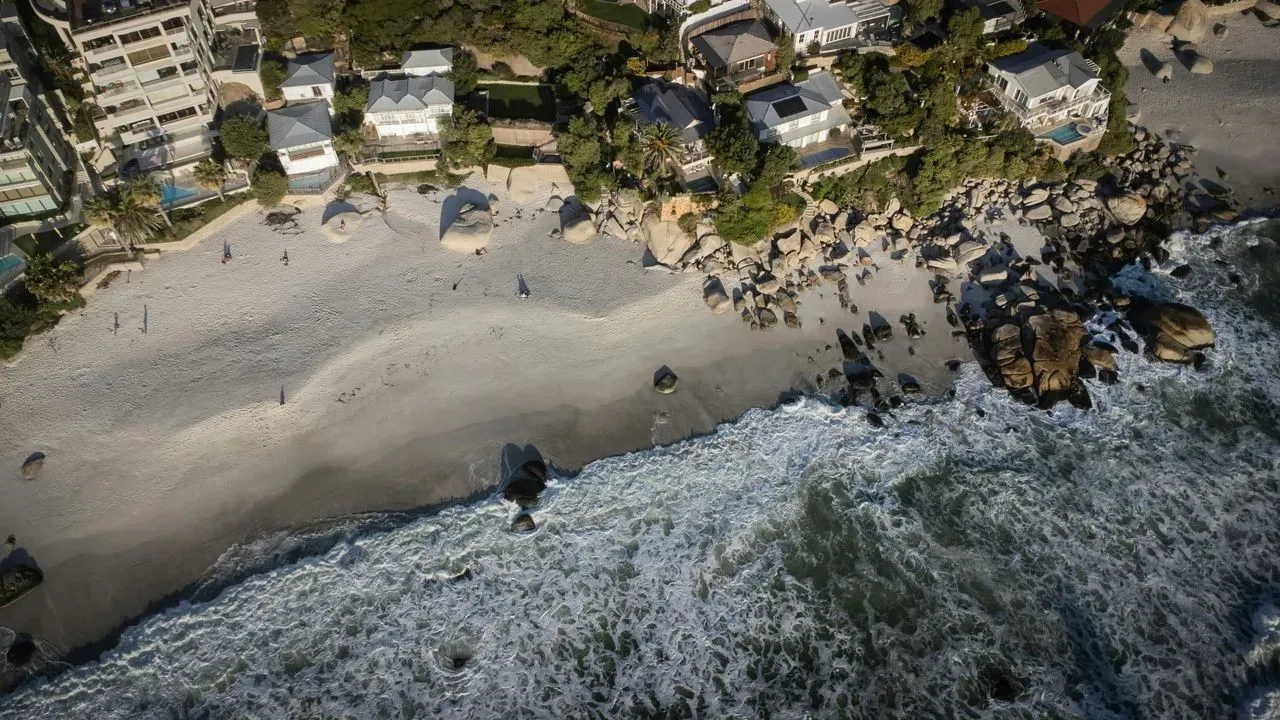

Long Beach – Residents in coastal communities across Southern California are assessing damage and beginning cleanup after powerful waves from distant Hurricane Marie pushed water over protective berms and into streets and yards. The high surf event turned routine beachfront areas into scenes of standing water and scattered debris, catching many by surprise despite advance warnings. Local officials have been monitoring conditions closely as the ocean continues to test defenses built to handle typical winter swells.
Wave Energy Reaches Far Beyond the Storm
Hurricane Marie, churning well offshore in the Pacific, generated long-period swells that traveled hundreds of miles before slamming into the coastline. These waves carried enough force to overtop sand berms and concrete barriers that normally shield neighborhoods from routine high tides. The result was water flowing inland along stretches of the shore where residents had not expected such intrusion during this time of year. ([1])
Communities farther north and south reported similar overtopping, though the most visible effects appeared in the central Los Angeles County coastal zone. Forecasters had tracked the swell train for days, yet the actual volume of water that reached residential blocks exceeded some expectations. This highlights how distant tropical systems can still deliver outsized impacts on the mainland.
Immediate Effects in Long Beach and Seal Beach
In Long Beach and Seal Beach, water pooled in low-lying streets and parking areas after breaching the berms. Homeowners and business operators spent the initial hours moving vehicles, clearing drains, and protecting belongings from the incoming tide. Debris including seaweed, driftwood, and sand now litters sidewalks and driveways where the water receded.
Local emergency crews responded to reports of flooded intersections and assisted with traffic rerouting. No widespread structural damage has been reported so far, but the event served as a reminder of how vulnerable certain pockets remain even with existing coastal protections in place. Residents described the scene as unusual for the season and noted that the water moved quickly once it topped the barriers.
Residents Begin Recovery Work
Cleanup efforts started almost immediately once water levels dropped. Neighbors worked together to shovel sand and remove debris from driveways and lawns. City crews focused on clearing major roadways and checking storm drains that had been overwhelmed during the peak of the surf.
Many households are now evaluating whether additional sandbagging or temporary barriers might be needed for future events. Insurance adjusters have begun fielding calls from property owners concerned about water damage to garages and lower-level rooms. The process is expected to stretch over several days as more thorough assessments take place.
What Comes Next for Coastal Areas
- Continued monitoring of remaining swell energy through the weekend.
- Possible additional high-tide cycles that could test the same berms again.
- Reviews of current coastal defenses by local agencies.
- Public advisories on avoiding flooded streets and unstable sand.
The episode leaves coastal residents with a clearer picture of how quickly conditions can change when a distant hurricane aligns with local tides and topography. While immediate threats have eased, the event underscores the ongoing challenge of balancing development with natural coastal dynamics in Southern California.
AI Disclaimer: This article was created with the assistance of AI tools and reviewed by a human editor.