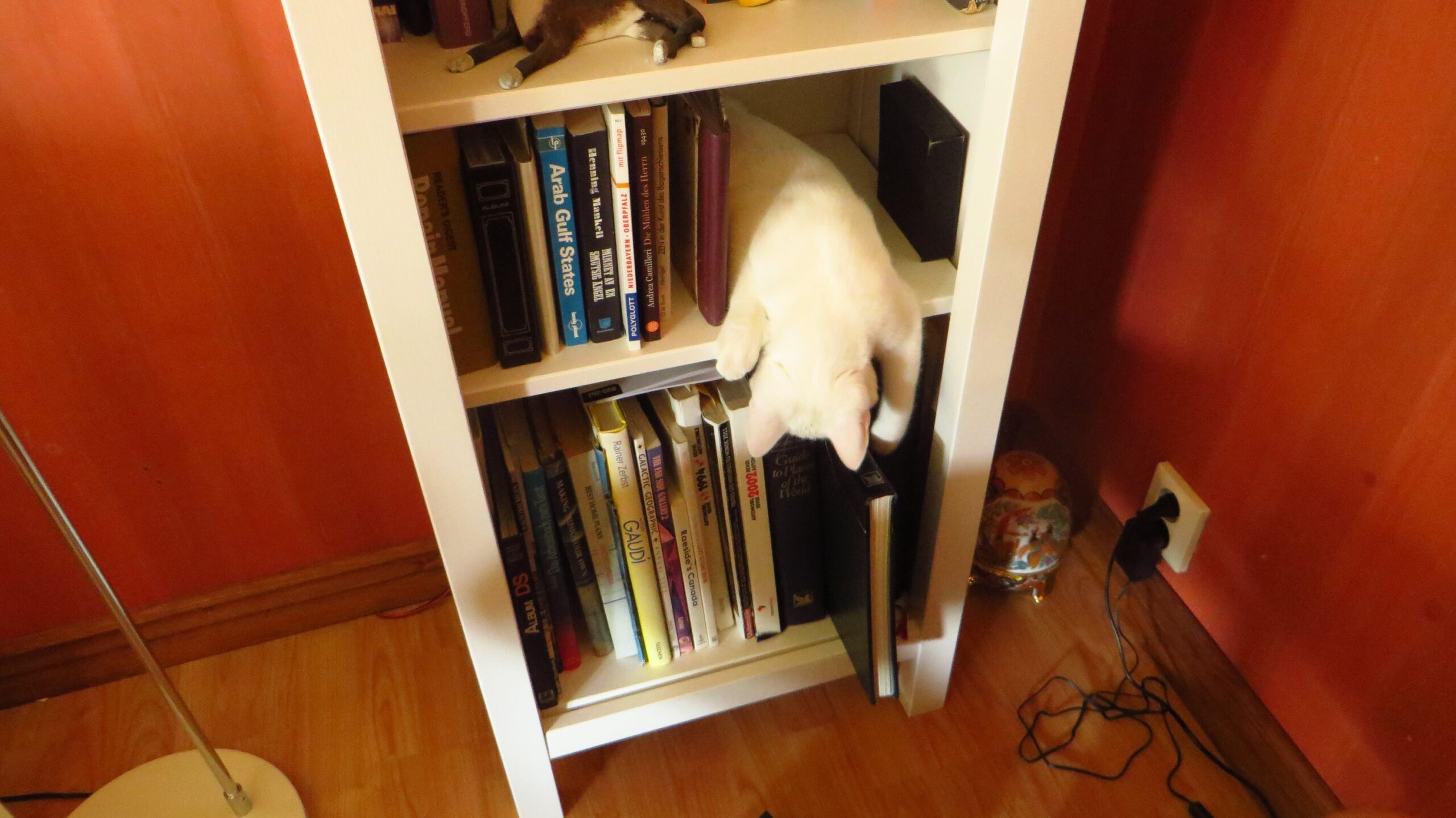

You settle in. You crack open a book or unfold the newspaper, and within moments there’s a warm, furry body pressed directly onto the page. It happens so reliably that it almost feels deliberate. That’s because, in a meaningful sense, it is.
Cat behavior researchers and feline behaviorists have spent years piecing together why domestic cats gravitate so precisely toward the one thing you’re focused on. It turns out there isn’t one single explanation. There are several, layered on top of each other, and each one reveals something genuinely interesting about how cats perceive the world and their relationship to you.
Your Attention Is the Real Target
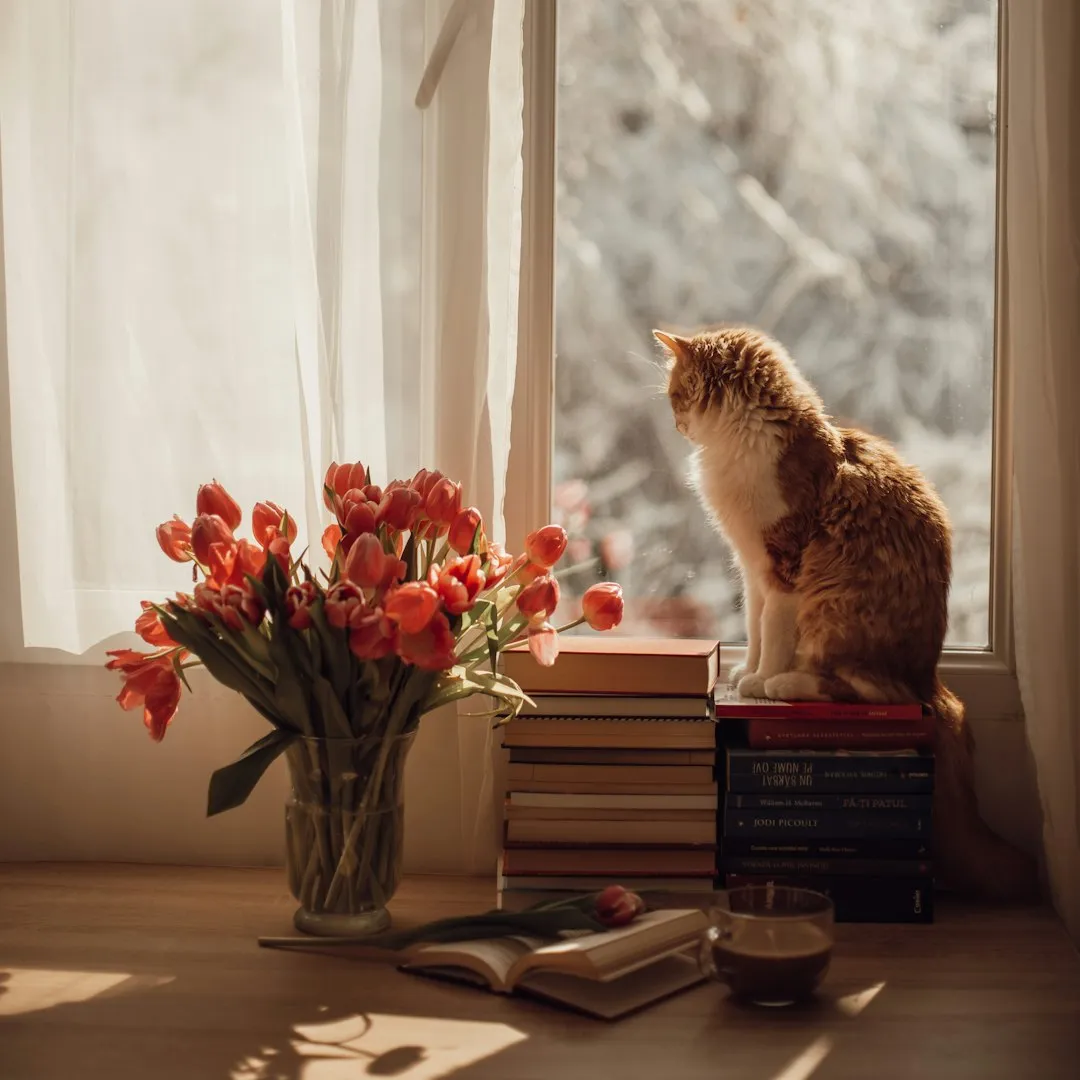
Cats are highly attuned to where their person’s focus is directed, and a book or newspaper that’s holding your gaze for a long stretch reads, to a cat, as “whatever this is, it’s important.” That instinct leads directly to action. Your cat has incredible senses and is curious, so he can figure out where your focus is directed. Your cat sees you staring at a paper or at the computer monitor, decides all your attention is directed at that object, and figures that sitting on it will redirect that attention toward them instead.
One of the main reasons cats suddenly appear and sit right on the piece of paper or book we’re holding is attention. Many cats love to be the center of attention and receive it from their humans. If we’re busy, they simply insert themselves between us and the thing we’re paying more attention to, to make themselves noticed.
They Want to Be Near You, Not Necessarily the Book
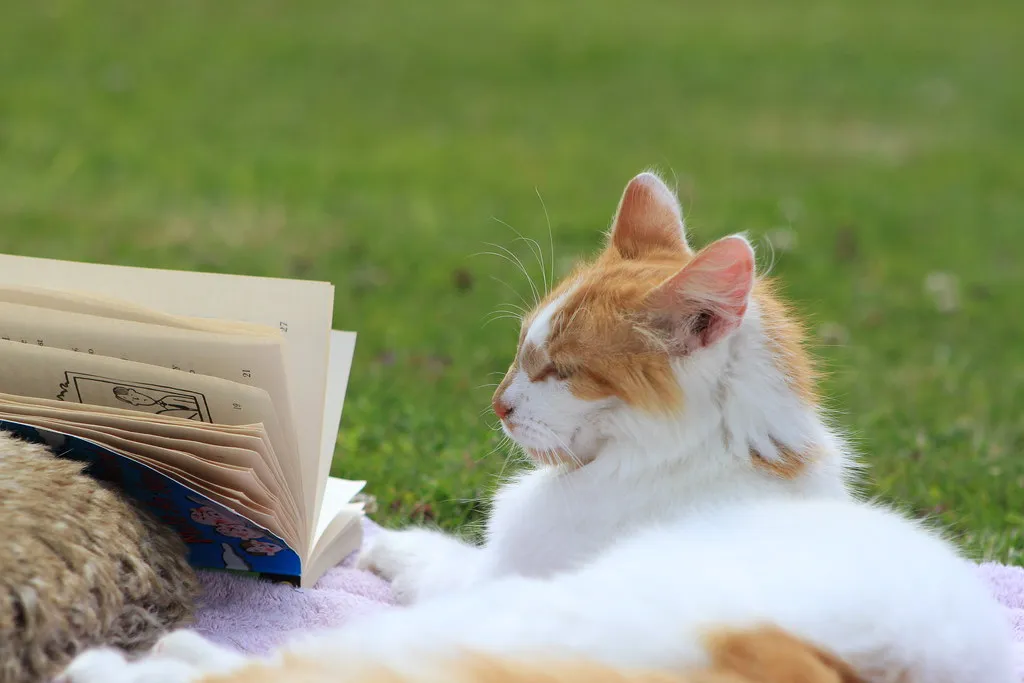
Cats sometimes sit on paper or a book because they’re trying to get closer to you and are seeking your attention. They don’t necessarily mean to sit on the book, but in order to get closer to you they have to, and the book is just in their way. It’s a subtle but important distinction. The reading material isn’t the point. You are.
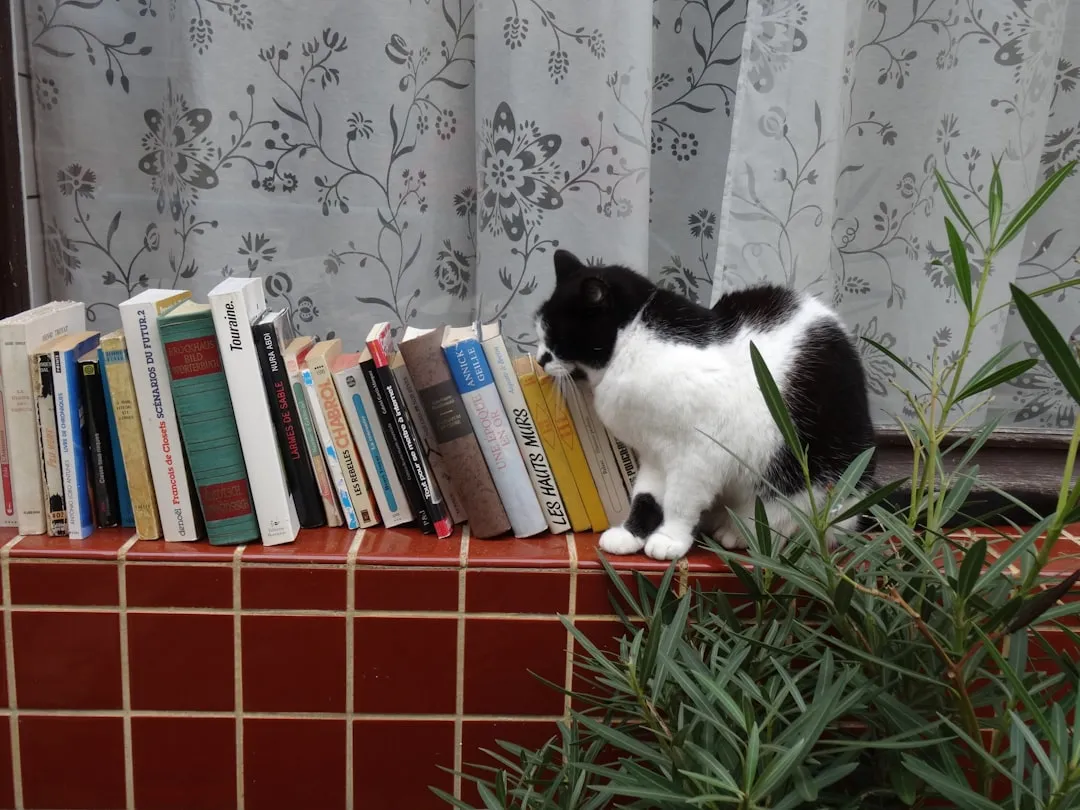
Cats are territorial creatures and they like to own things. They especially like to claim as their own things you value. You’re giving attention to a book or newspaper? It is worth their attention, or more precisely, their furry body presence. Notice how your cat will rarely sleep on any book except the one you are currently reading.
The Warmth Factor Is Very Real
Cats love to lie warm. The insulating properties of paper are just right for them. Especially stacks of documents or books insulate well. It’s simply warmer to lie on them than on the bare tabletop. Paper is a surprisingly effective insulator, and even a single sheet placed on a hard surface offers noticeably more warmth than the surface itself.
It can also be a temperature factor. Your laptop gives off warmth, and since cats have a higher body temperature, they tend to seek out warmer locations for napping and resting. Warm spots also help cats conserve energy, an important survival trait inherited from their wild ancestors.
Novelty and Movement Trigger the Hunting Brain
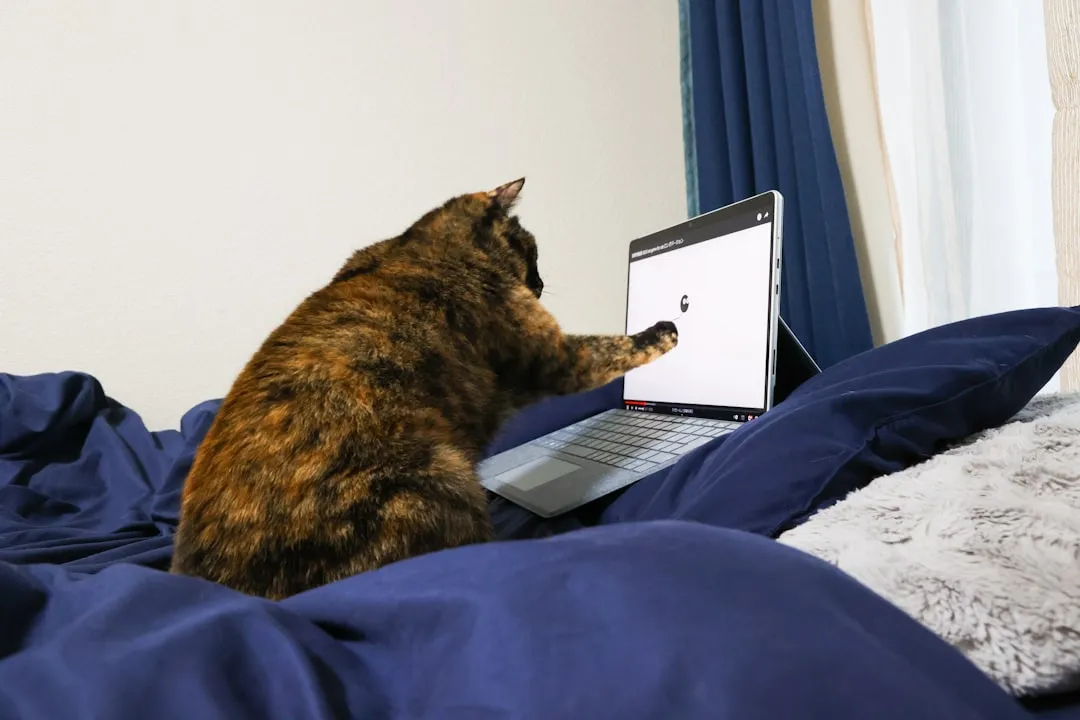
Cats are wired to notice motion, sound, and anything new in their space. A turning page, a rustling newspaper, or a flipped corner moves and crinkles in a way that can genuinely resemble prey to a cat’s brain, worth investigating, pouncing on, or claiming outright. This is less about being a nuisance and more about deeply ingrained predatory wiring that hasn’t changed much since domestication began.
Cats are attracted to movement, so your cat may become fascinated with watching the cursor dart around the monitor, or maybe it’s the movement of your pen as you write on the paper. These movements may entice your cat into wanting some playtime. Reading, from a cat’s perspective, is a surprisingly stimulating event.
Scent Is a Powerful Motivator
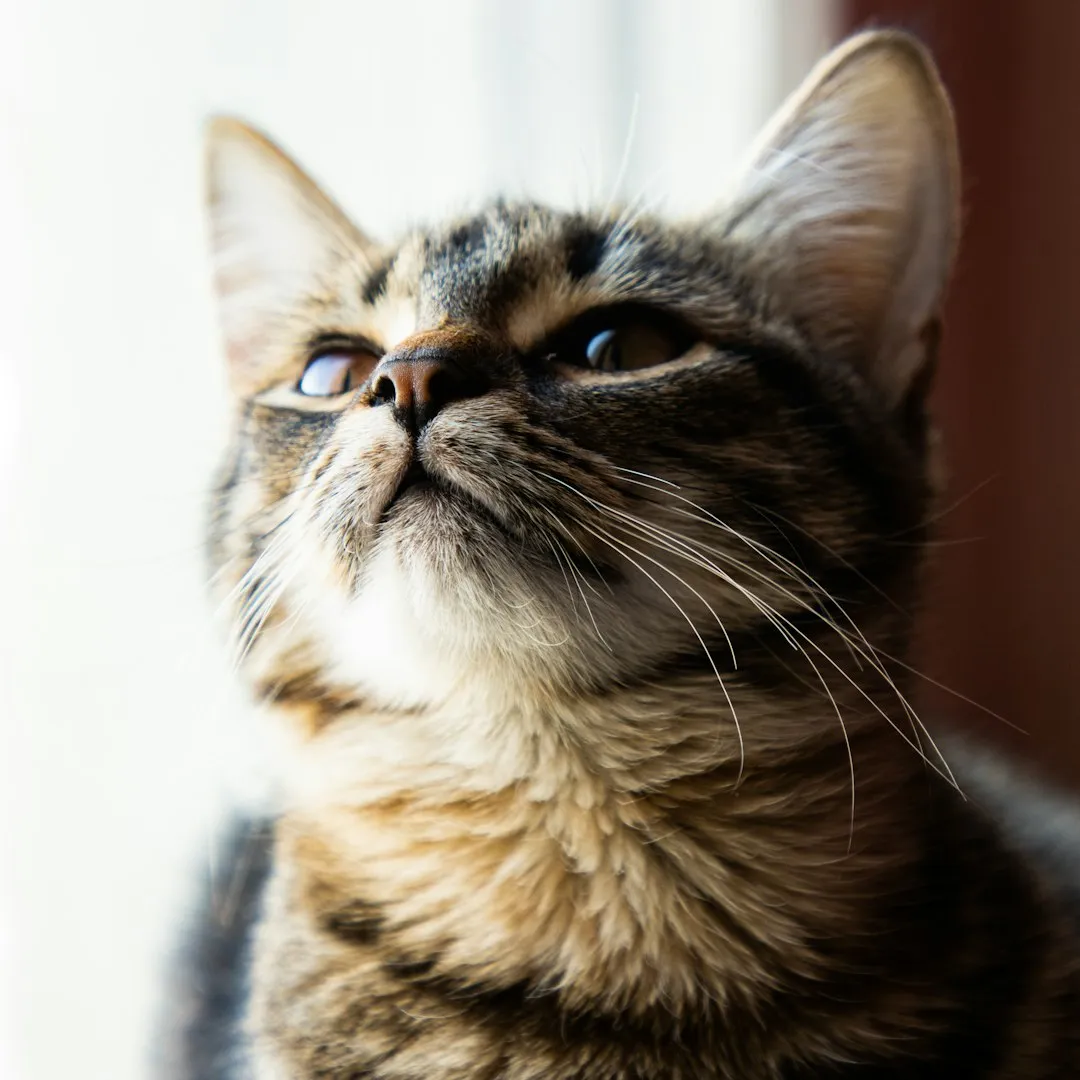
Cats have 200 million scent receptors in their nasal cavity. Humans have 5 million. That staggering difference means your cat is picking up an enormous amount of olfactory information from your book, your hands, and the pages themselves. Books carry the scent of wherever they’ve been, including the store, other hands, and the ink itself.
When your cat sits on something, they leave their scent through glands in their paws and body, signaling to other animals that this area or item belongs to them. This behavior helps cats feel more secure in their environment and reduces stress by reinforcing their territory. Sitting on your reading material is, in part, a form of quiet ownership.
Paper Mimics the Shape of a Safe Space
According to Dr. Nicholas Dodman, Professor Emeritus of Behavioral Pharmacology and Animal Behavior at Cummings School of Veterinary Medicine at Tufts University, cats feel safer and more secure in enclosed spaces. A sheet of paper lying flat on a table creates a subtle visual boundary. It’s not a box, but to a cat’s brain, it’s close enough.
Cats love tight spaces like boxes. The spatial limitation gives the animals a sense of security. For some cats, it seems to be enough if this space is only suggested. Social media is full of videos where cat owners mark squares on the floor with tape, and cats sit right in them. A similar effect is achieved with a sheet of paper.
It’s Also About Social Mirroring
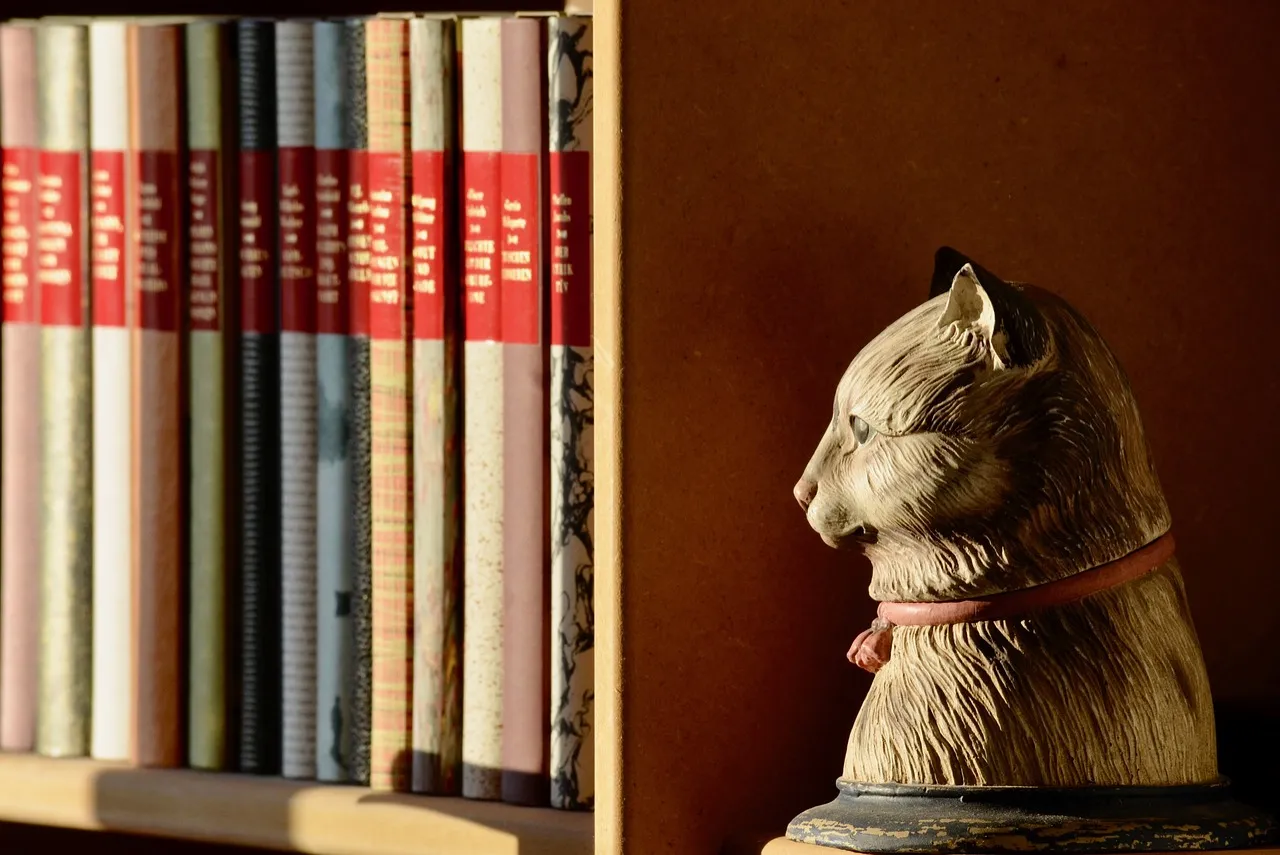
Cats are more socially attuned than their independent reputation suggests, and some behaviorists describe this as a kind of “mirroring,” your cat noticing you’re deeply engaged in something and wanting in on it, even if they have no idea what reading actually is. Since a cat can’t hold a book themselves, sitting on it is the closest thing to joining the activity. It reads as strange behavior from the outside, but the underlying impulse is surprisingly social.
Dogs and cats are social animals. They communicate with you using body language, vocal sounds, and certain behaviors. These behaviors can mean “I need something” or simply that your pet wants your company. Claiming your reading material checks both boxes at once.
Routine Disruption Triggers the Behavior
If you aren’t consistent in the cat’s feeding schedule, litter box cleaning, playtime, or even when you come home at the end of the day, it can create the need for attention-seeking behavior. If you play with your cat using an interactive toy but you only play every few days, then it’s understandable why they’d engage in trying to get your attention.
Cats in busy households with changing schedules show more vocalizations and attention-seeking behaviors. When your routine shifts and you suddenly spend an hour reading quietly, your cat may interpret that stillness as an unexpected withdrawal of engagement, and responds by inserting themselves into whatever is holding your focus.
Texture Plays a Surprisingly Large Role
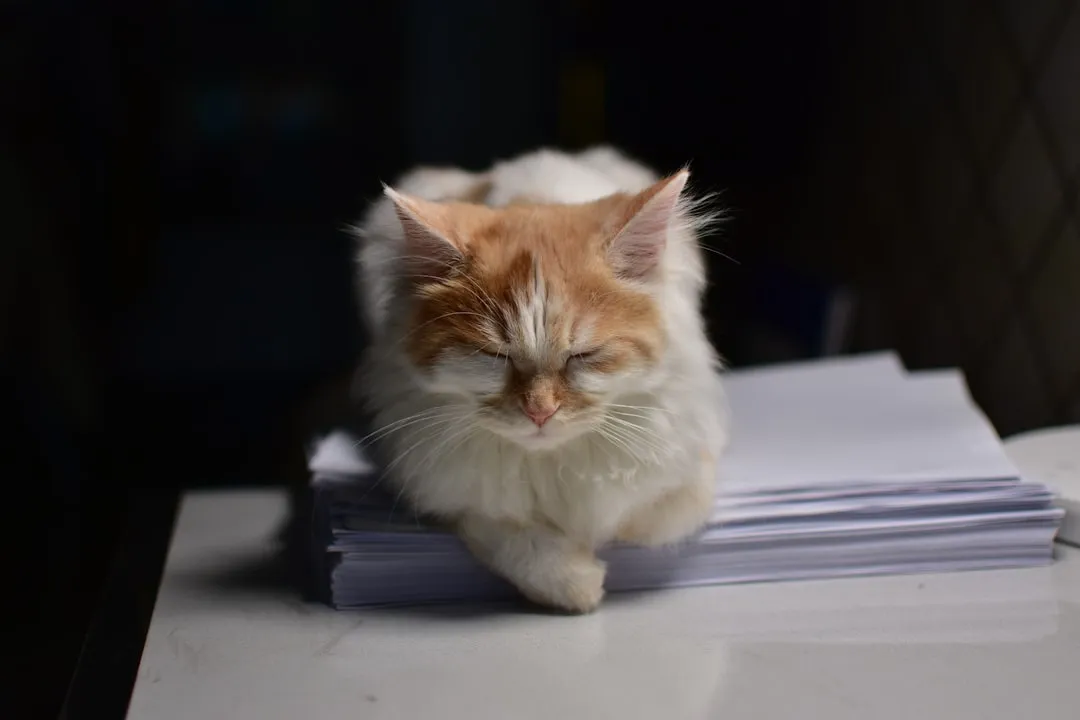
There may be something about the texture of the object that appeals to the cat. Perhaps it’s the smoothness of the paper. Cats often enjoy sitting or perching on the one object that’s different. In one observed instance, if a piece of paper is dropped on the carpet, a cat takes only a few seconds to claim it as a place to nap.
Sitting on soft materials provides cushioning that reduces pressure on their joints, making resting more comfortable. Enclosed or slightly elevated objects also offer a sense of security, mimicking the feeling of a den or nest. Even a paperback has just enough elevation and surface contrast to feel like a chosen destination rather than a random flat spot.
When It Becomes Excessive, It’s Worth Paying Attention
Attention-seeking behavior can occur in any cat at any age, but it appears most often in cats who don’t receive adequate stimulation or who are left alone for longer periods. If your cat is escalating the behavior and combining it with other signals like persistent vocalization or changes in appetite, a veterinary check makes sense.
Cats who suffer from separation anxiety or cognitive issues may also often engage in attention-seeking behavior. If the behavior is due to an underlying medical issue, the cat may be seeking your attention as a source of comfort from pain. Most of the time, though, a cat sitting on your book is simply a cat doing exactly what cats have always done: deciding that whatever you care about, they care about more.
The Takeaway
There’s no single “aha” explanation for this behavior, and that’s what makes it worth understanding properly. Warmth, scent, attention, territory, texture, and social mirroring all contribute, usually at the same time. It’s probably a mix of all of them. Warmth, boundaries, scent, movement, and attention usually aren’t competing explanations. Most cats are responding to several of them at once, which is exactly why the habit is so consistent and so hard to break.
What’s clear is that your cat isn’t being random or random isn’t even a concept that applies here. They have assessed your focus, weighed their options, and decided the best possible place to be is exactly where your eyes are pointed. That’s not chaos. That’s a cat doing what cats do: optimizing for proximity to the person they’ve chosen.
AI Disclaimer: This article was created with the assistance of AI tools and reviewed by a human editor.