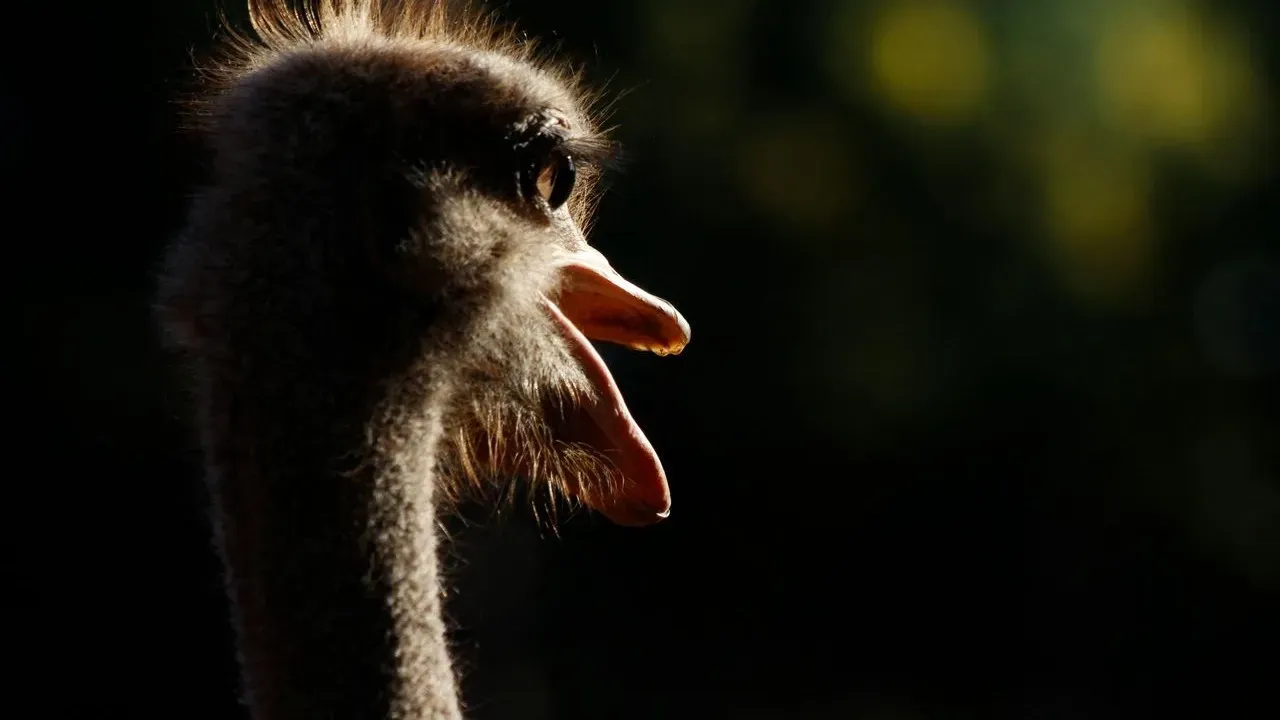

Danville, Kentucky – Brent Williams developed a severe allergy to red meat after repeated tick bites and soon found himself unable to eat beef or other mammalian products. The condition, known as alpha-gal syndrome, left him craving familiar meals like burgers while forcing major changes to his diet. When a business opportunity arose to raise ostriches, Williams saw both a commercial prospect and a personal solution, since the birds produce meat that resembles beef in taste and texture but remains safe for people with the allergy.
Alpha-Gal Syndrome and Its Growing Reach
Alpha-gal syndrome emerged as a recognized medical issue roughly 15 years ago after researchers connected it to certain tick species. Symptoms such as hives, digestive distress, and itching appear after even small amounts of red meat, yet poultry, seafood, and eggs stay unaffected. Cases have increased in recent years, with estimates suggesting the true number of affected individuals in the United States may reach several hundred thousand. Williams received his diagnosis seven years ago following a sudden reaction to a steak sandwich during a work trip. He recalled hundreds of tick bites from years spent on farms and livestock operations. Once identified, the allergy required him to avoid not only meat but also related exposures such as grill fumes or gelatin in medications. The experience underscored how the syndrome disrupts daily life for many who once enjoyed beef without issue.
Launching Alpha Roost Farms
Four years ago, farm owner W.D. King approached Williams with the idea of starting an ostrich operation in Danville. The pair formed Alpha Roost Farms, capitalizing on the fact that ostrich meat offers a red, iron-rich alternative that many with alpha-gal describe as the closest substitute to beef they have encountered. The farm currently maintains more than 400 birds and plans to expand to roughly 700 by next year through a new hatchling barn. Ostriches, native to Africa and standing up to nine feet tall, require free-range conditions rather than the dense housing used for chickens. Williams, a nutritionist by training, has drawn on his background to manage the herd while addressing the specific needs of customers who have gone years without red meat. The operation reflects a measured response to rising inquiries from affected consumers across Kentucky and beyond.
Market Demand and Pricing Trends
Interest from people with alpha-gal has become a key driver for the farm. Ground ostrich sells for more than $20 per pound, while premium cuts exceed $40, reflecting both production costs and the premium buyers place on a safe, familiar option. Local markets such as Dry Branch Farm in Danville report steady visits from customers traveling across the state to purchase the product. The American Ostrich Association notes that only a handful of large-scale producers operate nationwide, with many reporting weekly calls from restaurants and retailers seeking supply. Texas operator Boyd Clark, who has raised ostriches since the 1980s, anticipates a 50 percent herd increase next year to meet similar requests. These developments illustrate how a niche medical need has created tangible commercial momentum for established and newer farms alike.
Industry History and Current Outlook
Ostrich farming experienced a sharp boom and bust in the 1990s when investors applied high-density poultry methods to birds that require more space and different handling. Yields fell short of expectations, prices spiked, and many operations collapsed. Today, roughly 10 to 15 farms maintain sizable herds with improved knowledge of the animals’ behavior and requirements. The current wave of interest appears more sustainable because it stems from steady consumer demand rather than speculative investment. Williams and his partners continue to scale production while monitoring herd health and market signals. Their experience shows how an individual health challenge can intersect with agricultural innovation to produce a viable business.
AI Disclaimer: This article was created with the assistance of AI tools and reviewed by a human editor.