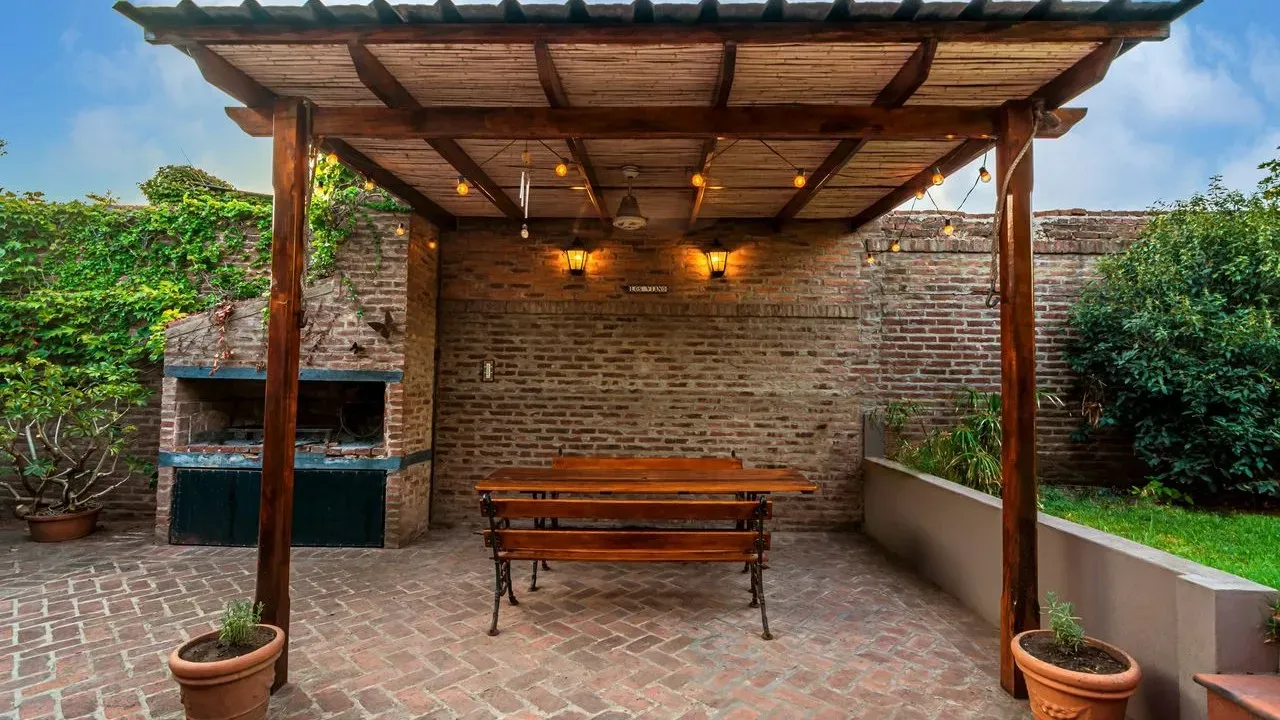

Wood patios have emerged as a practical choice for homeowners seeking to enhance their outdoor areas without major expense. The material brings warmth and a sense of permanence to backyards that concrete or gravel alone often lack. Recent interest in these projects reflects a broader shift toward budget-conscious improvements that still deliver lasting value. ([1])
Why Wood Stands Out for Budget Projects
Wood offers natural insulation and a comfortable surface underfoot that many alternatives cannot match. It blends easily with existing garden elements and requires only basic tools for installation in many cases. Homeowners report that even modest setups encourage more time spent outside, turning underused yards into functional extensions of the home.
Pressure-treated pine and cedar remain popular because they resist moisture and insects better than untreated options. These choices keep long-term maintenance manageable while holding initial costs down. The result is a patio that ages gracefully rather than requiring frequent replacement.
Key Construction Approaches That Control Expenses
Many successful projects start with simple ground-level platforms or floating tiles that avoid deep excavation. Reclaimed boards or free pallets reduce material outlays further when properly prepared and sealed. Builders often combine wood borders with gravel infill to cover larger areas at lower cost than full decking.
Overhead additions such as shade sails or basic pergola frames add usability without heavy structural work. String lights and built-in seating integrated during construction eliminate the need for separate furniture purchases. These steps keep the overall investment modest while improving daily enjoyment.
Practical Considerations for Lasting Results
Climate plays a central role in wood selection. Cedar performs well in humid regions, while treated pine suits drier conditions. Proper sealing and regular checks for drainage prevent premature wear and keep the surface safe and attractive over multiple seasons.
Placement near the house improves accessibility and encourages regular use. Extending a walkway from the main patio or adding planters along the edges creates visual flow without extra expense. Attention to these details turns a basic build into a cohesive outdoor living area.
Looking Ahead for Homeowners
Wood patios continue to appeal because they balance affordability with tangible improvements in backyard usability. As more people prioritize outdoor time, these projects provide a straightforward path to meaningful upgrades. Careful planning around materials and layout ensures the investment pays off in both comfort and property appeal.
AI Disclaimer: This article was created with the assistance of AI tools and reviewed by a human editor.