
Your Sponge Harbors More Bacteria Than Your Toilet
DNA analysis of 14 kitchen sponges taken from private households found 362 different kinds of bacteria, even more than typically found on a toilet. Researchers from Furtwangen University, who published their findings in the journal Scientific Reports, described the sponge as a “common microbial hot spot.” That comparison to the toilet tends to get people’s attention, and for good reason.
Despite common misconception, it has been demonstrated that kitchen environments host more microbes than toilets. Kitchen sponges were proven to represent the biggest reservoirs of active bacteria in the whole house. Most people assume the bathroom is the germiest room. The kitchen, quietly, wins that contest.
The Staggering Density of Bacteria Inside a Sponge

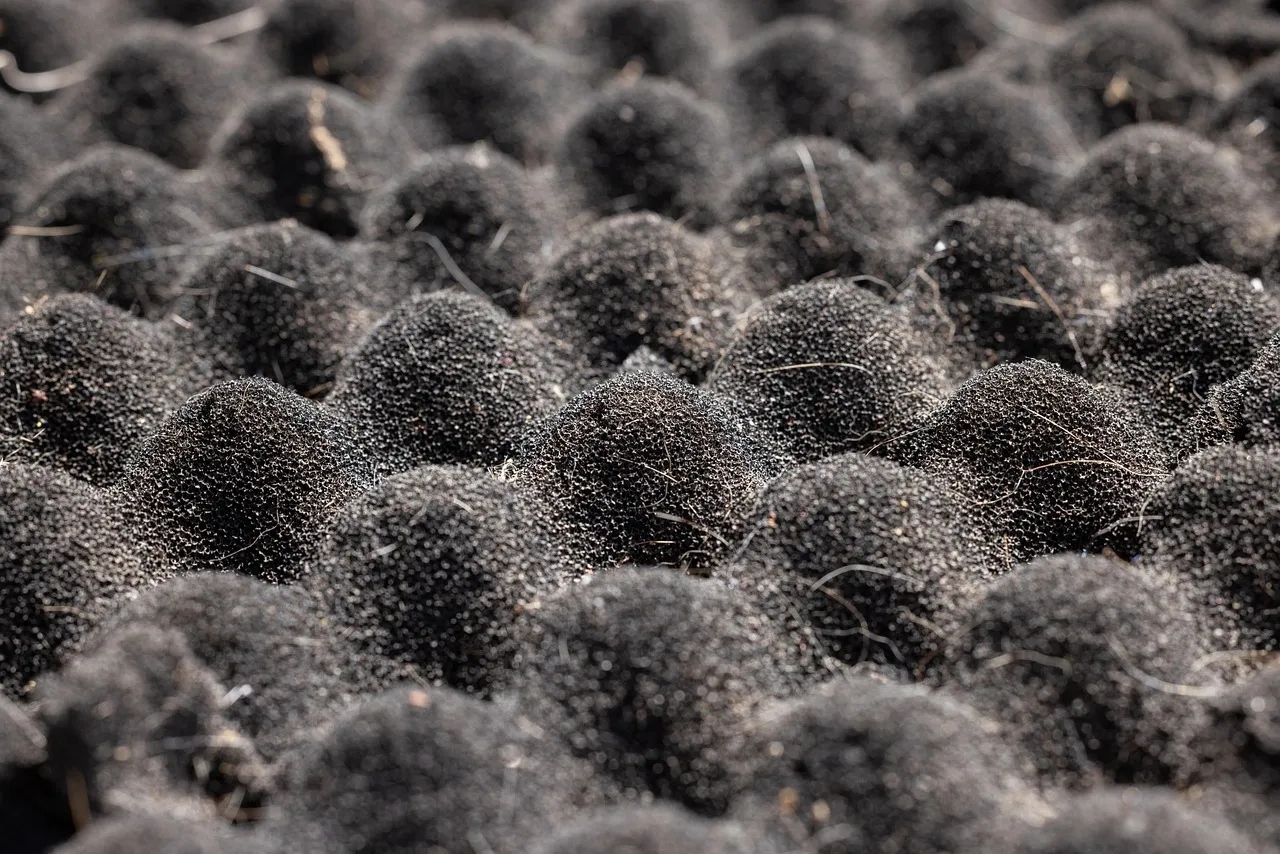
Microscopy analysis showed an almost everywhere distribution of bacteria within the sponge tissue, concentrating in internal cavities and on sponge surfaces, where biofilm-like structures occurred. Image analysis showed local densities of up to 54 billion cells per cubic centimeter. To put that into perspective, that is roughly comparable to the bacterial density found in human fecal samples.
One study found that the average number of bacteria in kitchen sponges was nearly 32 million, and separately, kitchen sponges had over 7.9 million bacteria per sponge. The porous foam structure that makes a sponge useful for scrubbing is precisely what makes it a perfect bacterial shelter. Microbes find protected spaces inside those tiny cavities, protected from rinsing and light.
Which Bacteria Are Actually Living There
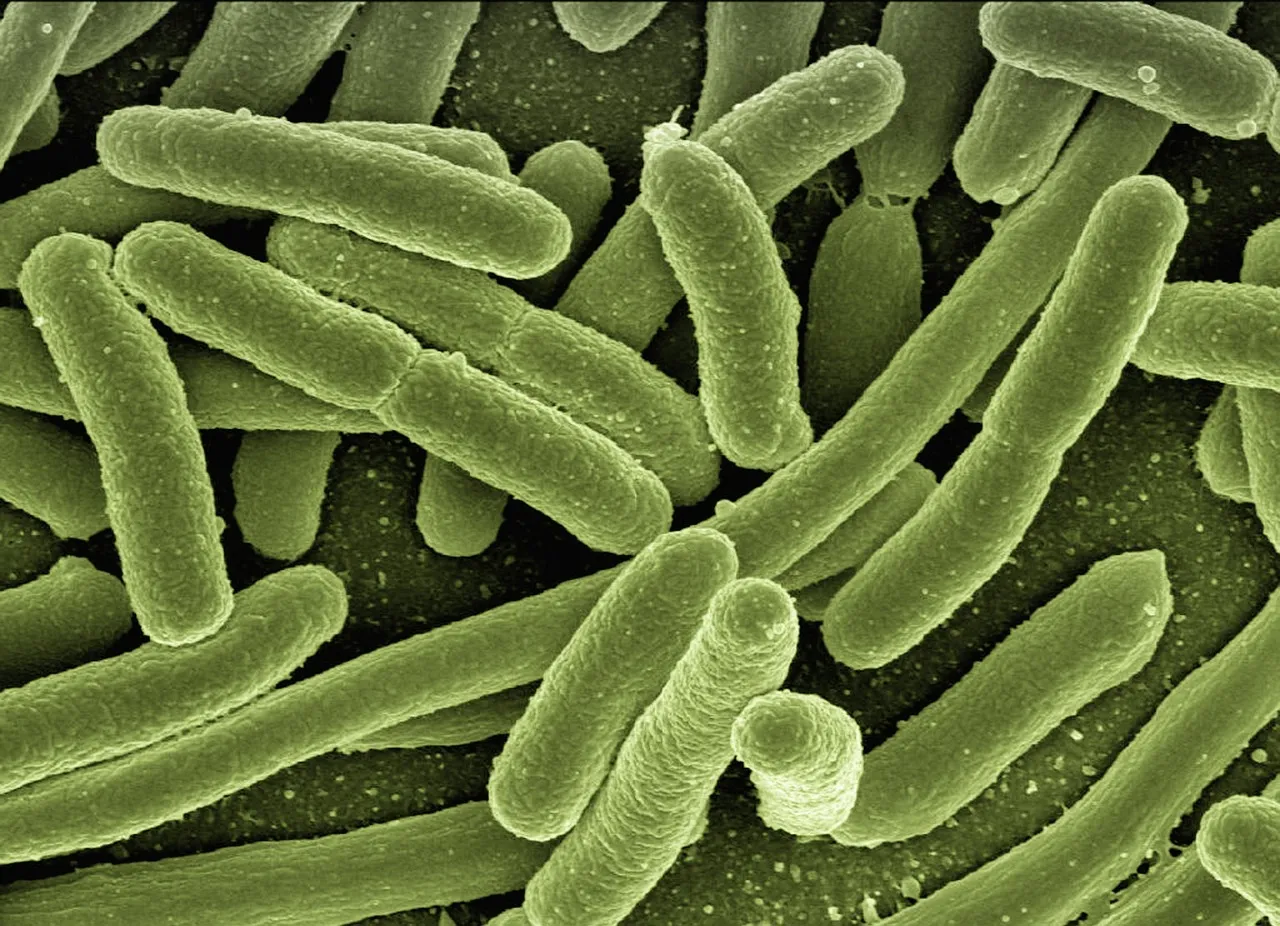
Because sponges are primarily moist and designed for absorption, they have the potential to pick up bacteria like Salmonella, E. coli, and Staphylococcus. These are not obscure, rare organisms. They’re the same pathogens associated with common foodborne illness outbreaks.
Research has confirmed the presence of specific pathogenic bacteria in kitchen sponges, including Campylobacter spp., Enterobacter cloacae, Escherichia coli, and Klebsiella spp. Five of the ten most abundant bacterial groups were closely related to risk group 2 species, previously detected in the kitchen microbiome. These are organisms classified as potential human health hazards.
How the Sponge Spreads Contamination Around the Kitchen
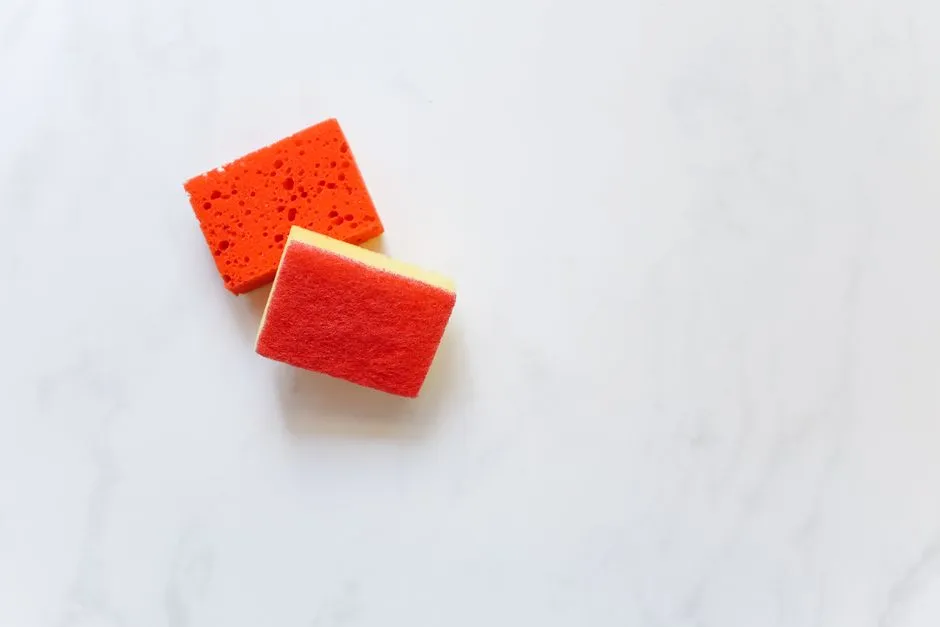
Kitchen sponges massively absorb and spread microorganisms, leading to contamination of kitchen appliances, surfaces, and food. Every time you wipe down a counter, scrub a cutting board, or clean around the sink, the sponge is not just removing food particles. It’s potentially depositing bacteria wherever it goes next.
Once bacterial populations reach a critical density, contaminated sponges can transfer pathogens to surfaces such as cutting boards and countertops. Research also found that more bacteria transferred when a dirty sponge was used with more force, meaning scrubbing harder freed more bacteria from the sponge onto other surfaces. The harder you scrub, the more you spread.
Sanitizing Your Sponge May Actually Make Things Worse
This is the part that surprises most people. Common logic says that microwaving or boiling a sponge kills the bacteria inside. The research tells a more complicated story. Boiling or microwaving the sponges didn’t kill off these microbes; in fact, sponges that had been regularly sanitized teemed with a higher percentage of bacteria related to pathogens than sponges that had never been cleaned.
Regular cleaning of sponges significantly affected the microbiome structure, but two of the dominant bacterial groups, closely related to the risk group 2 species Chryseobacterium hominis and Moraxella osloensis, showed significantly greater proportions in regularly sanitized sponges, thereby questioning such sanitation methods in a long-term perspective. The working theory is that sanitizing kills weaker bacteria and leaves the more resilient, potentially more dangerous strains to repopulate unchallenged.
The Antibiotic-Resistant Threat Hiding in Plain Sight
Less research has been undertaken on cross-contamination with Enterobacteriaceae from food within the kitchen environment. One study analyzed the presence of Klebsiella spp. and Raoultella spp. and their antibiotic resistance in 100 used kitchen sponges. The results raised serious flags about drug-resistant organisms quietly building up in everyday households.
High prevalence of Klebsiella spp. and a carbapenem-resistant isolate in kitchen sponges highlight the occurrence of cross-contamination from food and the possible risks for foodborne disease associated with this kitchen tool. Carbapenem-resistant bacteria are on the World Health Organization’s global priority list of antibiotic-resistant organisms. Finding them in kitchen sponges is not a trivial matter.
Coliform Bacteria and the Fecal Contamination Problem
Research found that three quarters of household sponges and dishcloths had coliform bacteria, including E. coli, which is a type of coliform bacteria. Coliform bacteria are widely used as indicators of fecal contamination. Their presence in a kitchen sponge signals a significant hygiene breakdown.
Sponges exhibited the highest levels of microbial contamination across kitchen surfaces, with median bacterial counts far exceeding those found on dish towels, sinks, and refrigerators. The sponge isn’t just a little dirty. In study after study, it consistently ranks as the most contaminated item tested in the domestic kitchen environment.
How Often Experts Say You Actually Need to Replace It
The USDA has noted that microwaving or boiling kitchen sponges may reduce some of the bacterial load, but that’s not enough to avoid cross-contamination with hands, counters, or food. Given that, their broader guidance is to replace sponges frequently rather than rely on cleaning alone.
Experts recommend replacing the sponge weekly or every two to three weeks, depending on use. A moist sponge can double its bacterial count in just twenty minutes, and for those wiping up raw meat juices or heavy sauces, swapping the sponge every seven days is specifically advised. Most households replace sponges far less often than that.
The Case for Switching to a Kitchen Brush
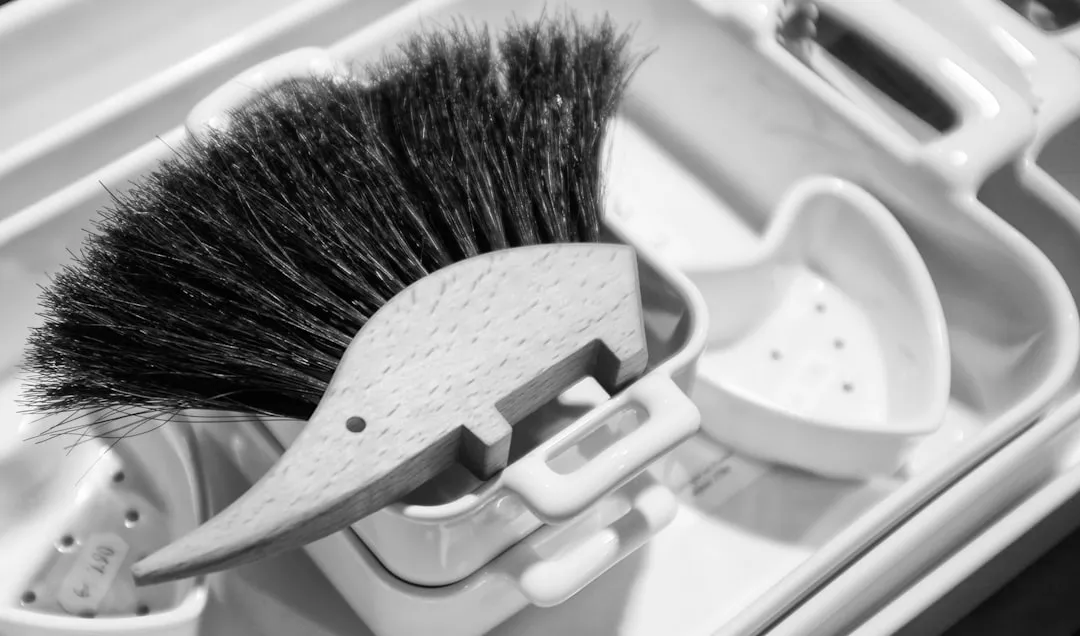
It is much better to use a kitchen brush to clean dishes than a kitchen sponge. A 2021 study published in the International Journal of Food Microbiology found that kitchen brushes tended to dry out sooner, which dramatically reduces the moist conditions that bacteria need to multiply. A drier surface simply supports less microbial life.
Swedish dishcloths and kitchen brushes are cleaner, longer-lasting alternatives to sponges. These alternatives aren’t new technology. They’ve been common in European households for decades, and the hygiene research broadly supports making the switch. For anyone concerned about cross-contamination, the brush is a genuinely practical solution.
Simple Habits That Actually Lower the Risk
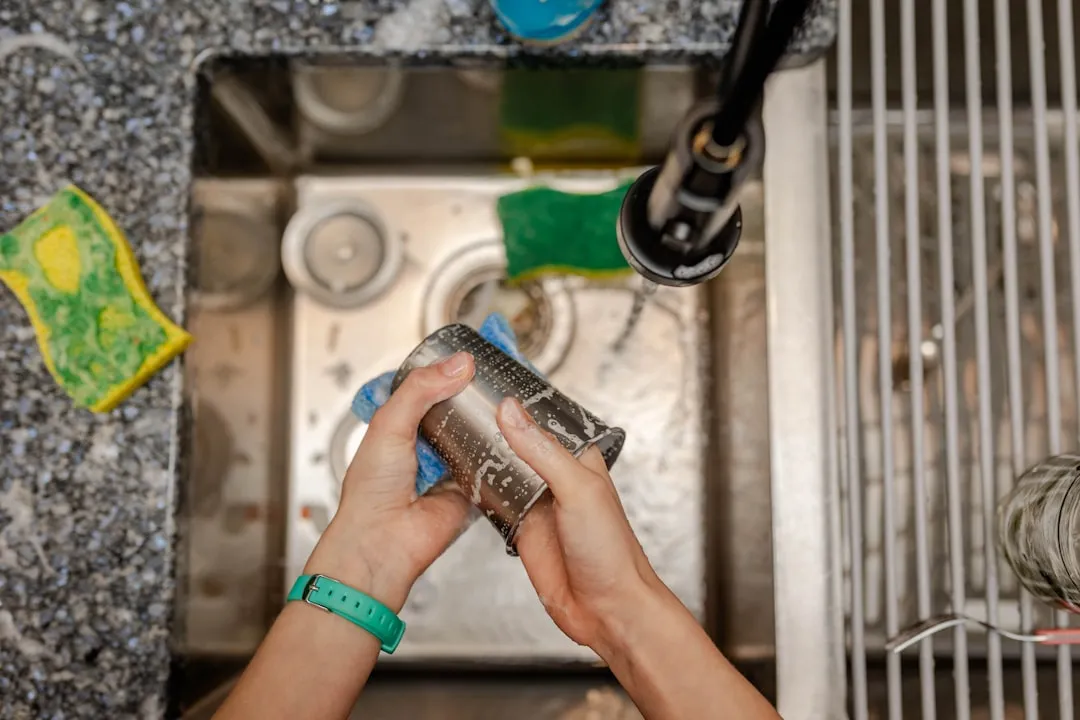
Replacing your sponge more frequently is the single most effective step you can take. Sponges may last for months physically, but experts recommend replacing your kitchen sponge at least once a week. A week may feel short, but it makes sense considering that most people use a kitchen sponge multiple times a day, and after a full week it can be contaminated with all sorts of bacteria and germs.
If your sponge is visibly falling apart, has black mold spots on the surface, starts to smell, or feels slimy, it’s well past time to replace it. Beyond replacement frequency, storing a sponge in a dry, ventilated spot between uses slows bacterial growth considerably. If you prefer dishcloths instead, the CDC recommends washing them often in the washing machine using the hot cycle.
The Takeaway
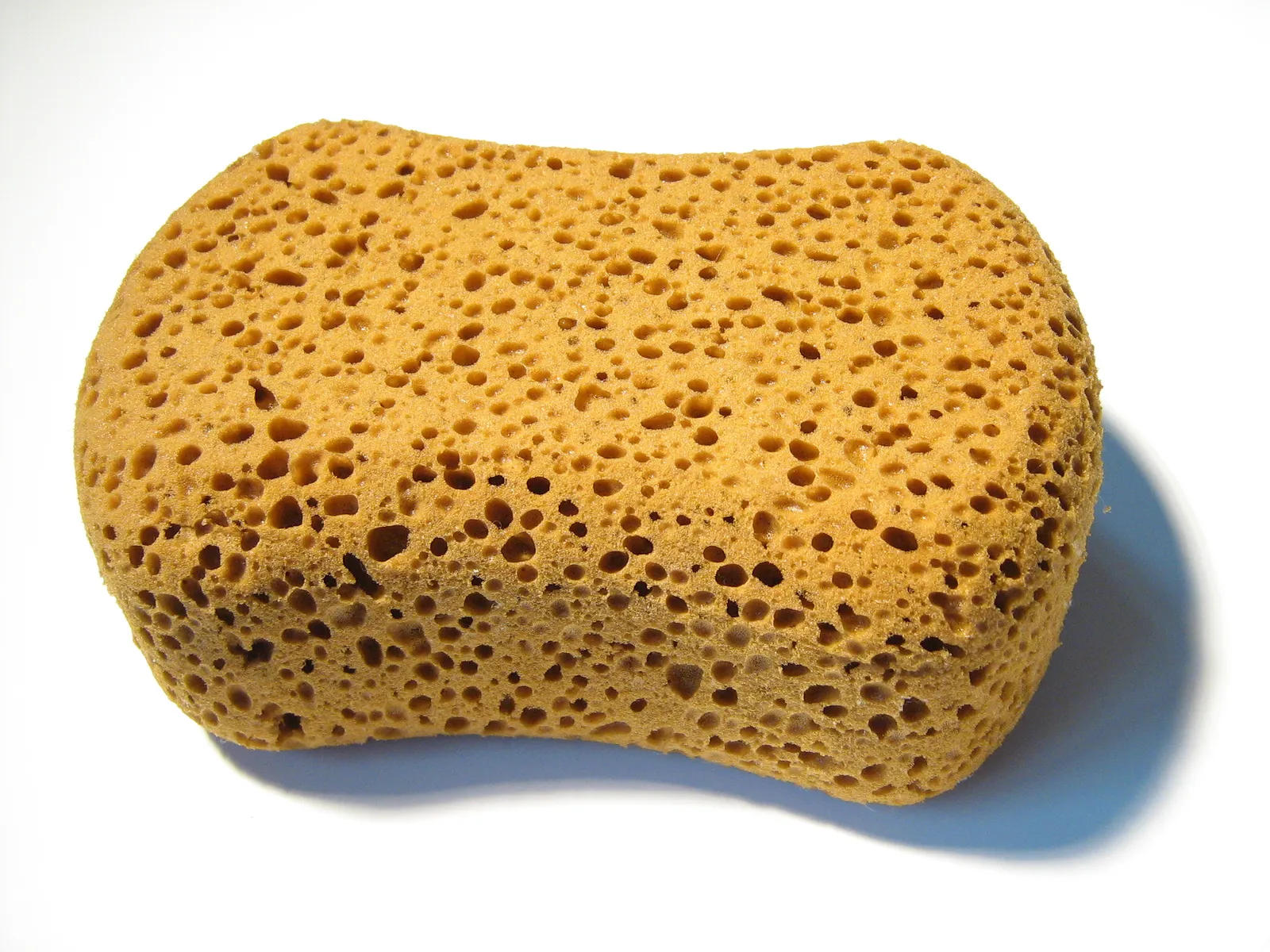
The kitchen sponge is one of those objects we trust implicitly, perhaps because it’s associated with cleaning. The science, though, consistently points in the other direction. Numerous studies have revealed that sponges can be vital disseminators of pathogens and can transfer bacteria to surfaces and utensils, leading to cross-contamination of food.
Changing that one habit, how often you replace or rethink the sponge, is genuinely low-effort and meaningfully backed by evidence. The research isn’t calling for a spotless, sterile kitchen. It’s simply pointing out that the tool you’re using to clean your dishes is, more often than not, doing the opposite of what you think it’s doing.
AI Disclaimer: This article was created with the assistance of AI tools and reviewed by a human editor.