
1. That Steady, Pulsing Chirp: Crickets
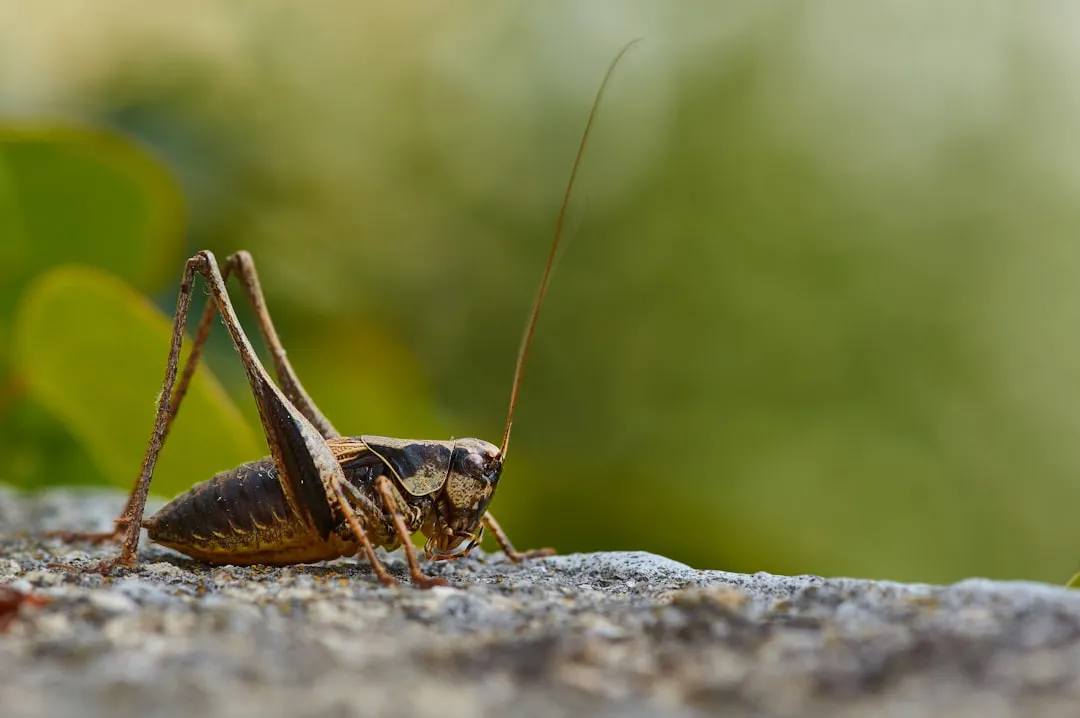
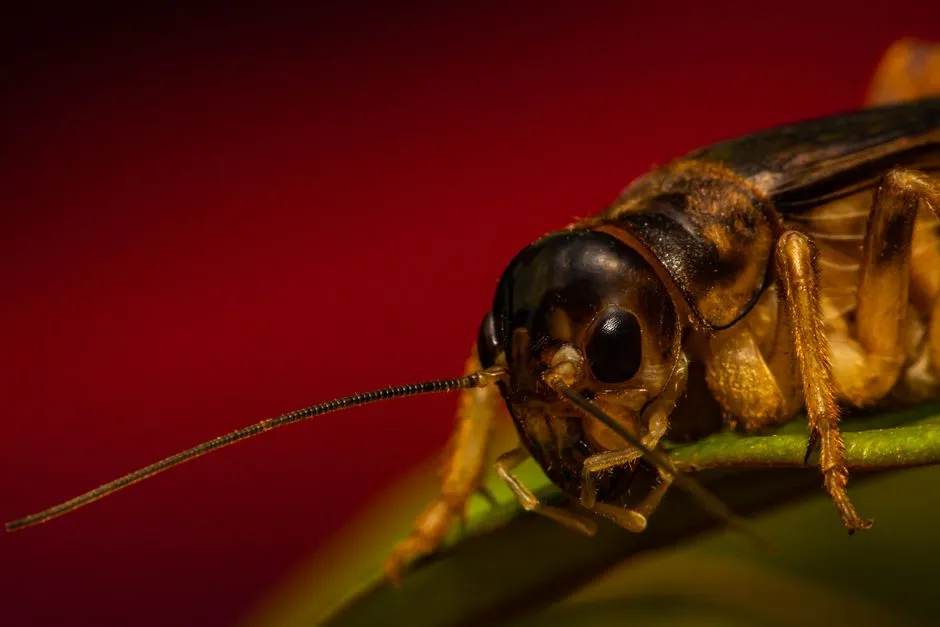
Crickets are usually heard chirping at night because they are largely nocturnal. The sound is produced through a process called stridulation, where male crickets rub their wings together to create their signature chirp. There are over 110 species of crickets in North America, so this chorus is rarely just one voice.
Nighttime offers a quieter environment that makes it easier for the chirping sound to travel and be heard by females. During the day, ambient noise can interfere with the ability of crickets to communicate effectively. Temperature plays a real role too. At 77 degrees Fahrenheit, field crickets chirp about two or three times per second, slowing down when the temperature drops.
Studies indicate that the cricket’s stridulation behavior is about 94% dominant at night. Research from Tel Aviv University has also shown that exposing male crickets to artificial light at night can impair their activity cycles, and disruption of nocturnal chirping can interfere with reproduction processes and even endanger the entire species.
2. The Raspy, Buzzing Drone: Katydids
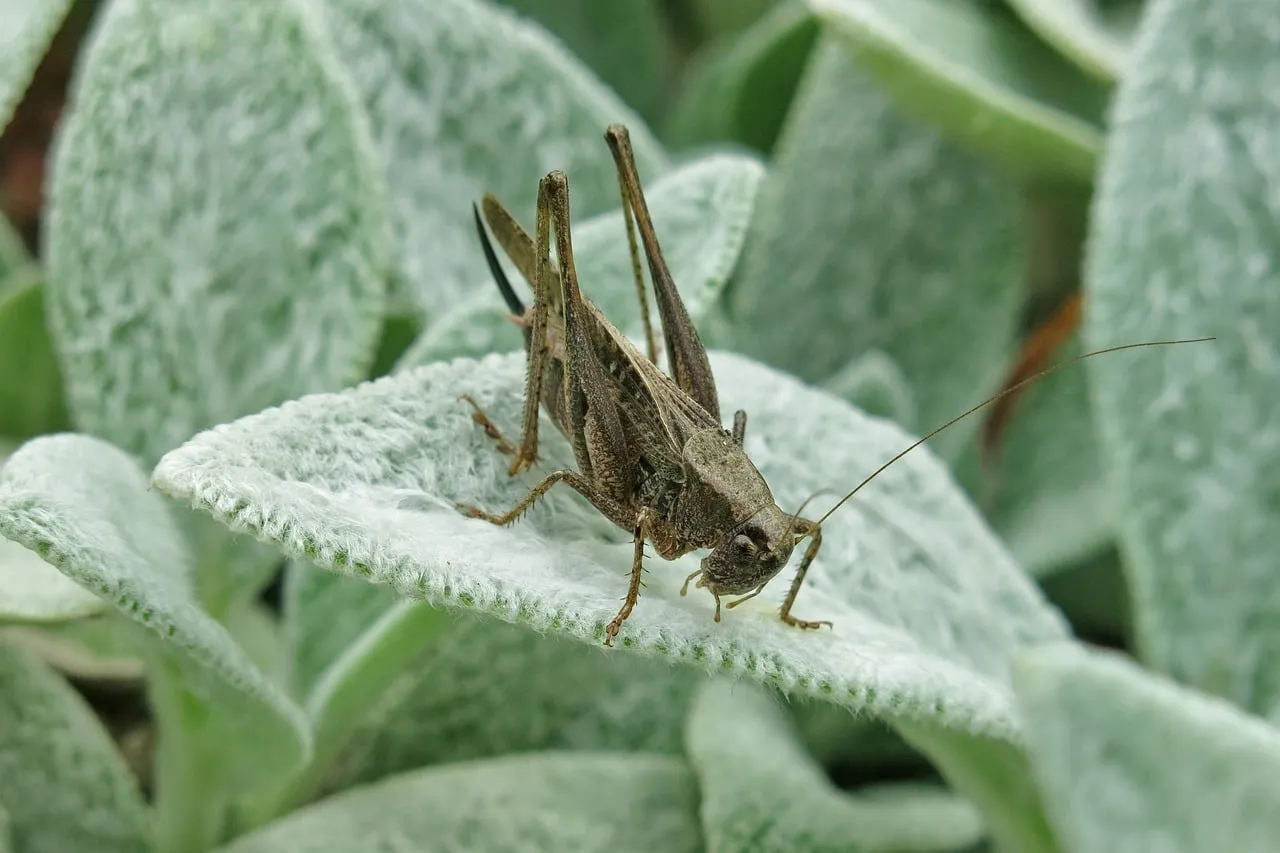
Katydids and crickets are both excellent examples of nighttime noise-making insects. These backyard wildlife are perfectly quiet during the daytime, but at night it’s a different story. These insects belong to the same order, Orthoptera, and make noises in similar ways by rubbing their wings together. They usually make their high-pitched chirping noise at night to attract mates during breeding season.
Male katydids sing from early evening well into the night. The song is harsh and burry, sounding something like “ch-ch” or “ch-ch-ch.” Often insects’ loud noises are mechanical, the result of two hard objects moving against each other. If you hear scratching or louder thumping noises, it’s probably not an insect. Insects produce high-pitched singing sounds, whining noises, or grinding sounds similar to woodworking.
Katydids are large green insects with a remarkable adaptation. Their green textured outer wings look like leaves, providing near-perfect cryptic coloration. The sound they produce is genuinely one of the loudest relative to body size in the insect world, and on a warm suburban night, they can be overwhelming.
3. The Chilling Howl and Yip: Coyotes
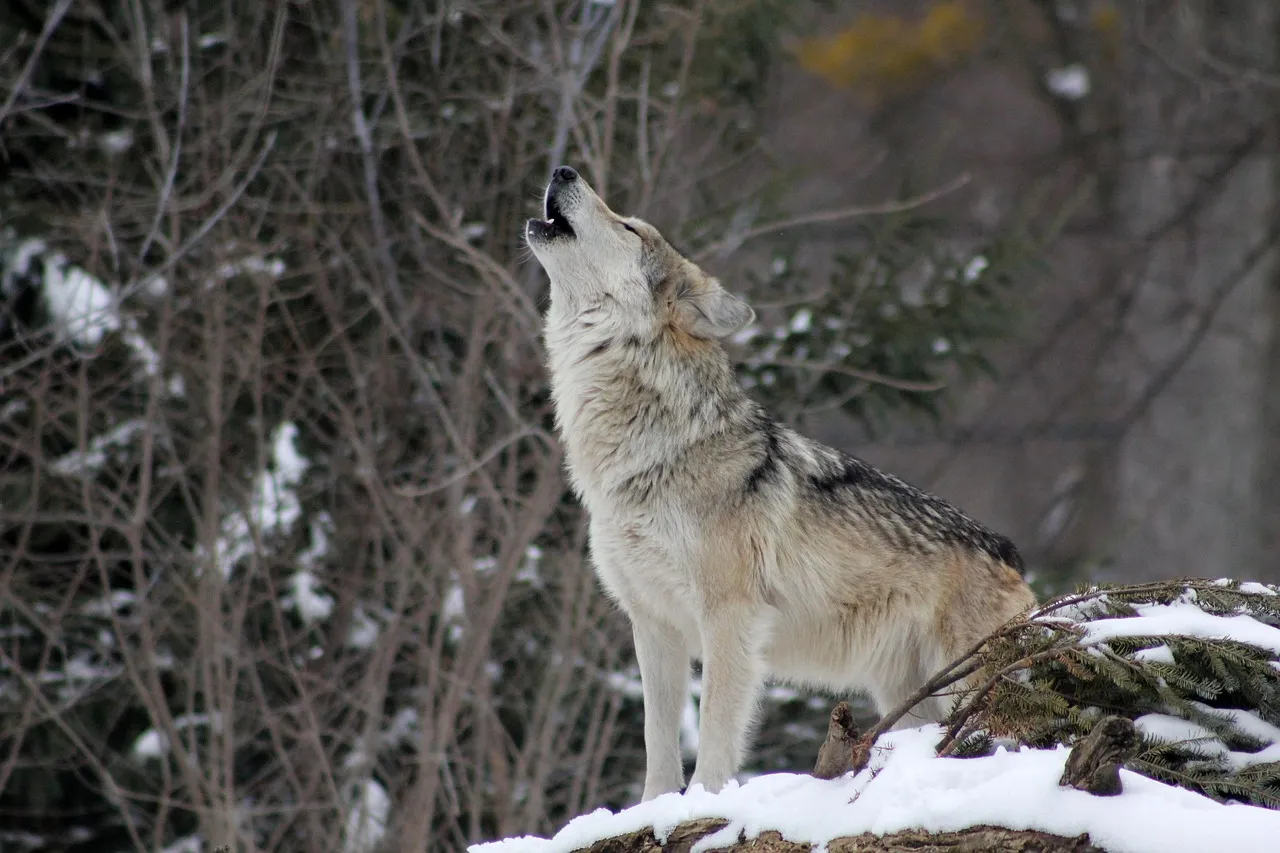
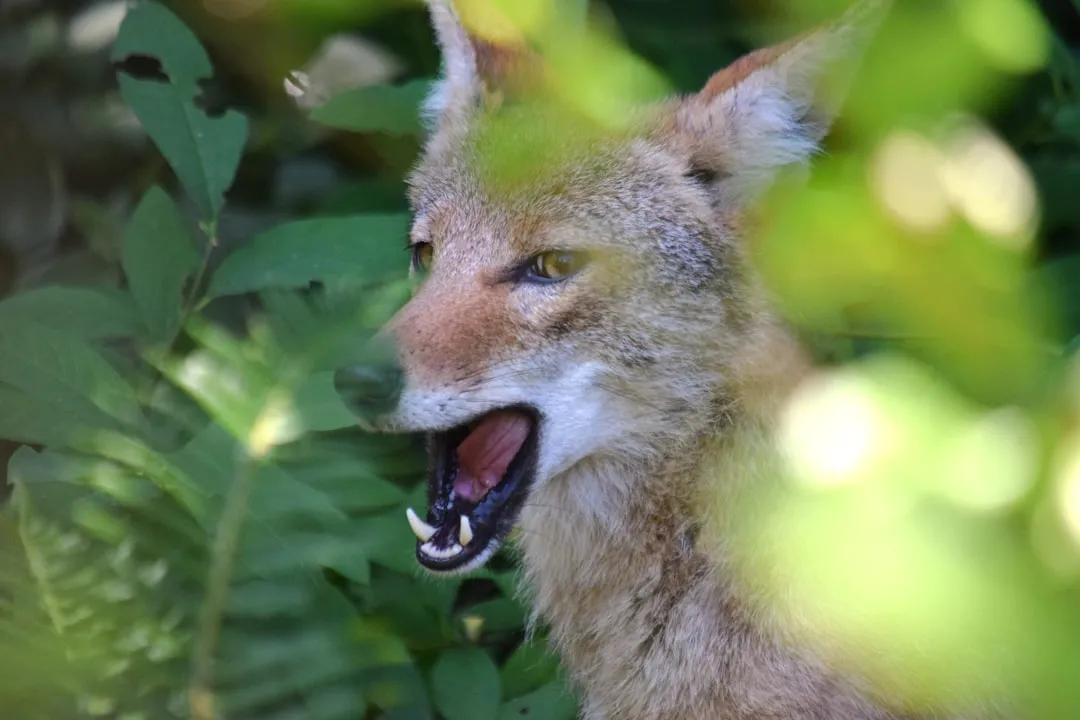
Coyotes are now widespread in North America and have made themselves at home in the suburbs. That means a lot of people hear the howls, yips, and barks, particularly during the mating season between January and March. At this time of year, pairs establish territories and they howl to announce that. Other nearby pairs may then respond, announcing their own territories.
Coyotes use various barks, howls, and other sounds to defend territories, gather for hunts, and raise their young. Coyotes fiercely defend home territories of 10 to 30 square miles. At night, you can listen for group yip-howls of coyotes: short howls that often rise and fall in pitch, punctuated with staccato yips, yaps, and barks.
Something especially useful to know: it’s an auditory illusion known as the “beau geste” effect, due to the variety of sounds produced by a male and female coyote and the way sound gets distorted as it passes through the environment. Basically, two coyotes can sound like seven or eight animals. So that terrifying chorus outside your fence might be just a pair.
4. The Blood-Curdling Scream: Red Fox
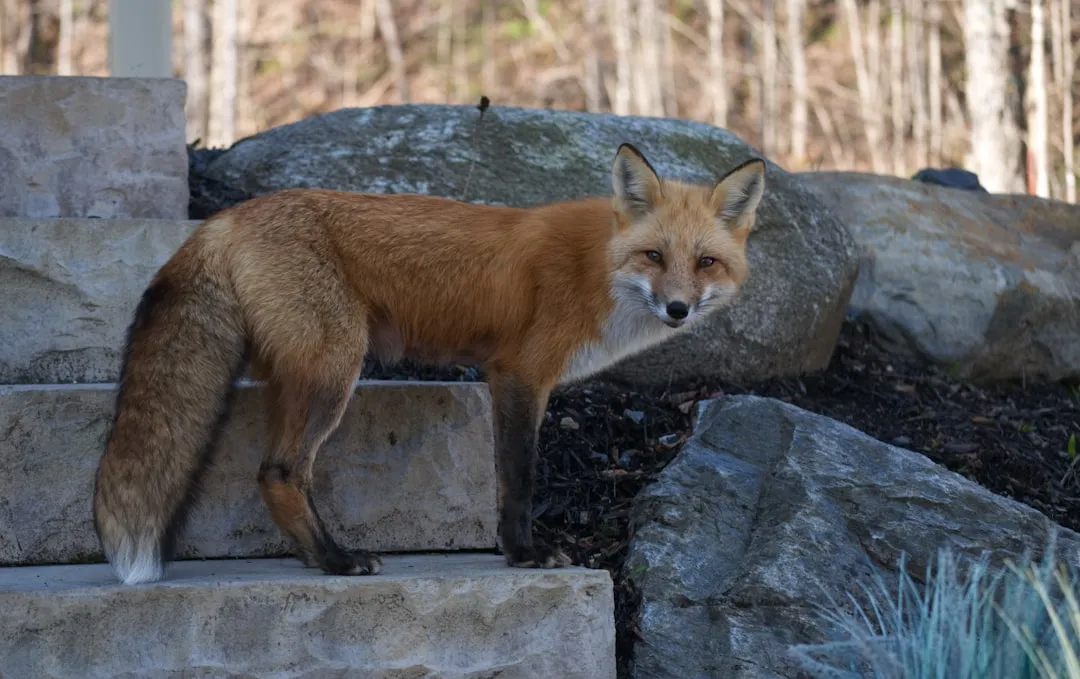
Male red foxes make noises similar to the sound of a screaming woman to warn off competing mates. The Maryland Department of Natural Resources regularly posts stories on Facebook assuring people that the screams, cries, and shrieks they hear are red foxes, not people being assaulted in their backyards. That context alone says a lot about how alarming this sound can be.
Adult red foxes make 12 different sounds, while kits make eight. These sounds span five octaves and are divided into contact calls and greeting calls. The screaming howl occurs most frequently during springtime breeding season. Foxes are “crepuscular” animals, meaning they’re active around dusk and dawn, which is exactly why you so often hear them just as you’re headed to bed.
Red foxes are now one of the most widely distributed carnivores on Earth. Their spread into suburban and even urban neighborhoods means the scream-in-the-night call is becoming a more common experience for many homeowners. Unnerving as it sounds, it’s entirely natural behavior.
5. Deep Hoots and Eerie Screams: Owls
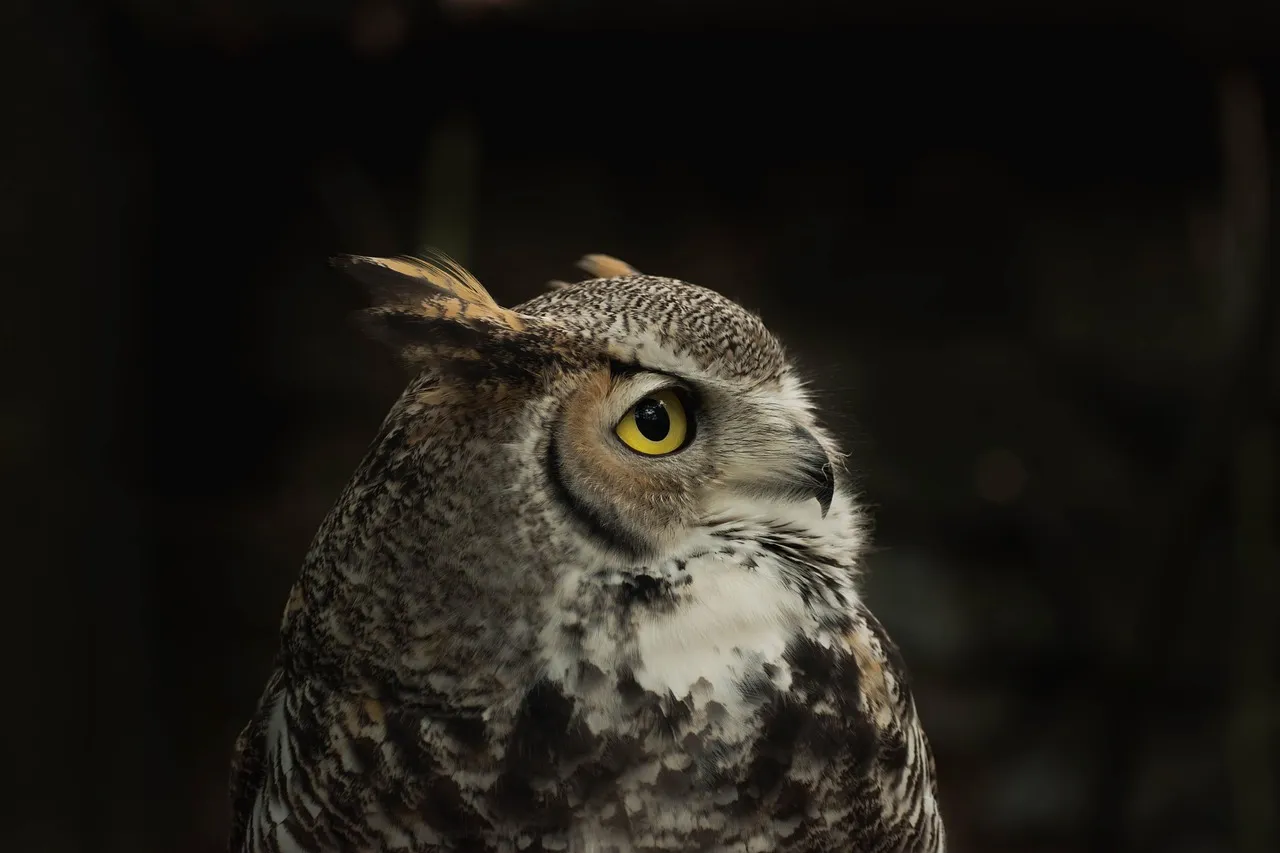
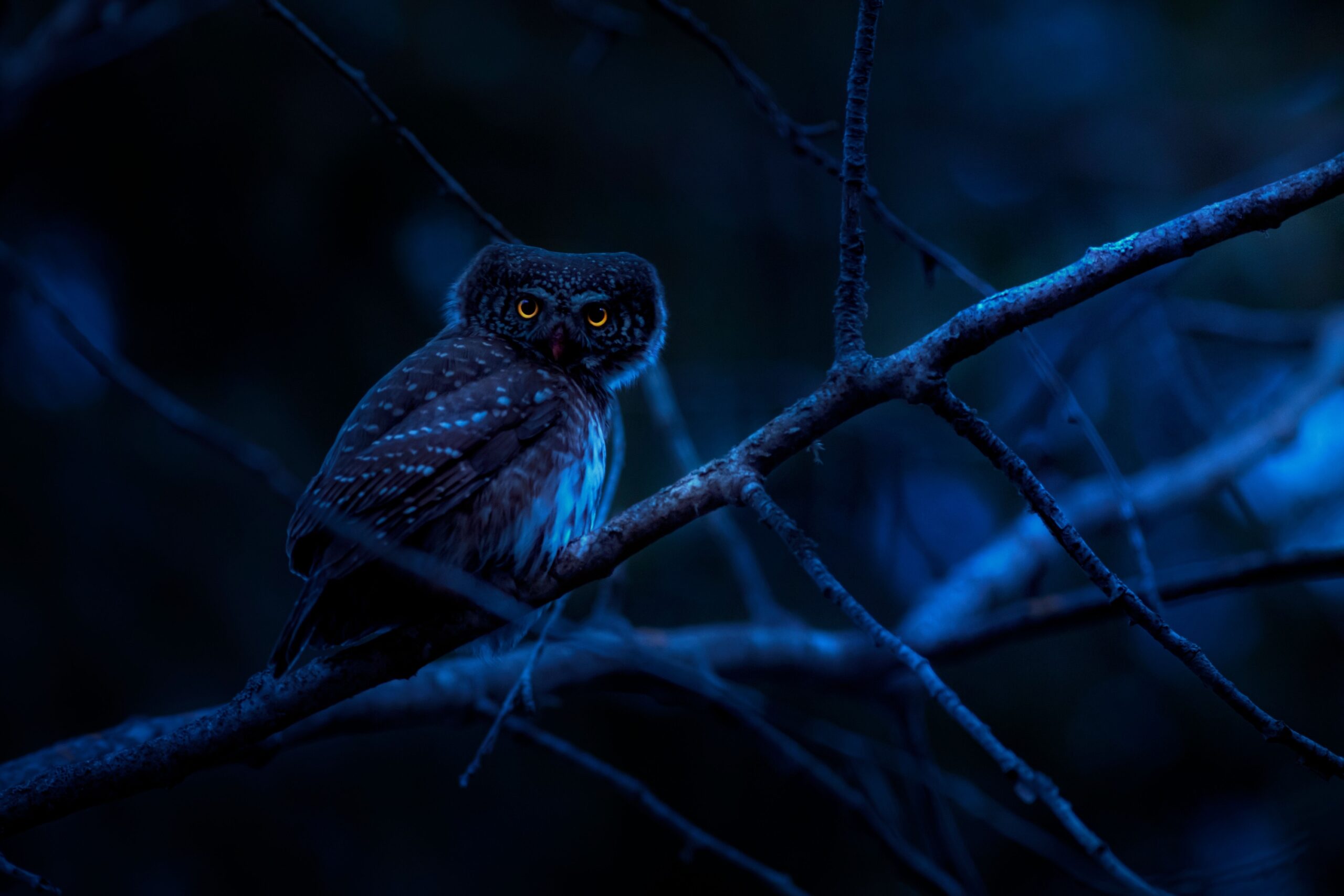
Great Horned Owls give deep, muffled hoots in a slow, stuttering pattern that can carry across an entire neighborhood, while Barred Owls ask their famous “who cooks for you, who cooks for you all” in a rolling phrase that rises at the end. Great Horned Owls are largely silent for much of the year and ramp up sharply in late fall through winter, when courtship and territory defense peak.
Barn Owls are infamous for harsh, rasping screams in the dark and a repertoire of hisses and creepy nest chatter that has fueled plenty of ghost stories. Barn owls are found across nearly all of the lower 48 states and prefer open, grassy country, where they hunt for rodents at night and roost in trees or old buildings like barns during the day.
Paired owls, especially Barred and Great Horned, call back and forth to reinforce a bond and defend territory together. If you hear two overlapping voices instead of one, you’re likely listening to a mated pair rather than a single bird. The Eastern Screech Owl emits a more unsettling trill or whinny that sounds almost like a horse, an often unexpected call that can be mistaken for something other than an owl.
6. Chittering, Growling, and Scuffling: Raccoons
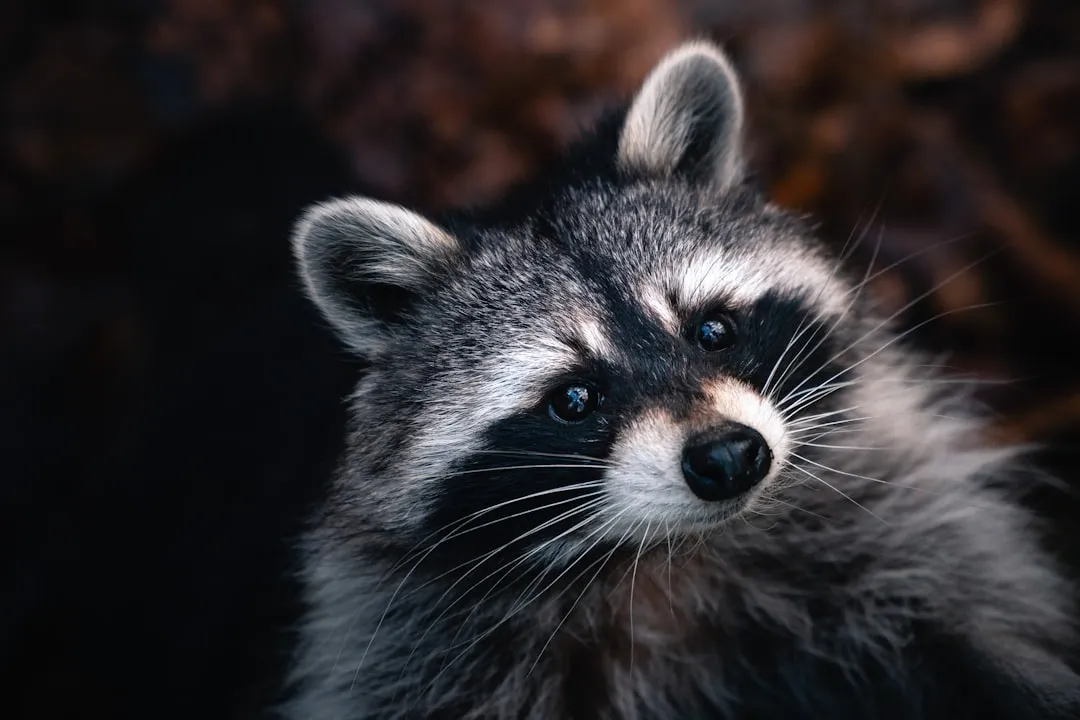
Raccoons, opossums, rats, mice, bats, and skunks are nocturnal animals that you will most likely have a human-wildlife conflict with. Raccoons, those masked ring-tailed animals, produce a variety of vocalizations including screams, growls, and whistles. One sound is similar to a screech owl’s call, which makes identification genuinely tricky at first.
Raccoon sounds are typically described as chittering, snarling, and growling, usually in bursts when two animals are close together or fighting over food. There’s no tonal, whistled quality at all. It’s rougher and more chaotic than an owl’s phrasing.
Raccoons communicate with other raccoons using loud screeches, growls, and hisses, particularly when defending food or territory. Conservation groups that record backyard soundscapes describe layers of insects, frogs, birds, and mammals whose calls are almost always about courtship, feeding, or warning off predators rather than threatening people at all, even when they sound spooky. Raccoons are rarely the exception to this rule.
The Rustle in the Leaves: What About Unidentified Scratching?
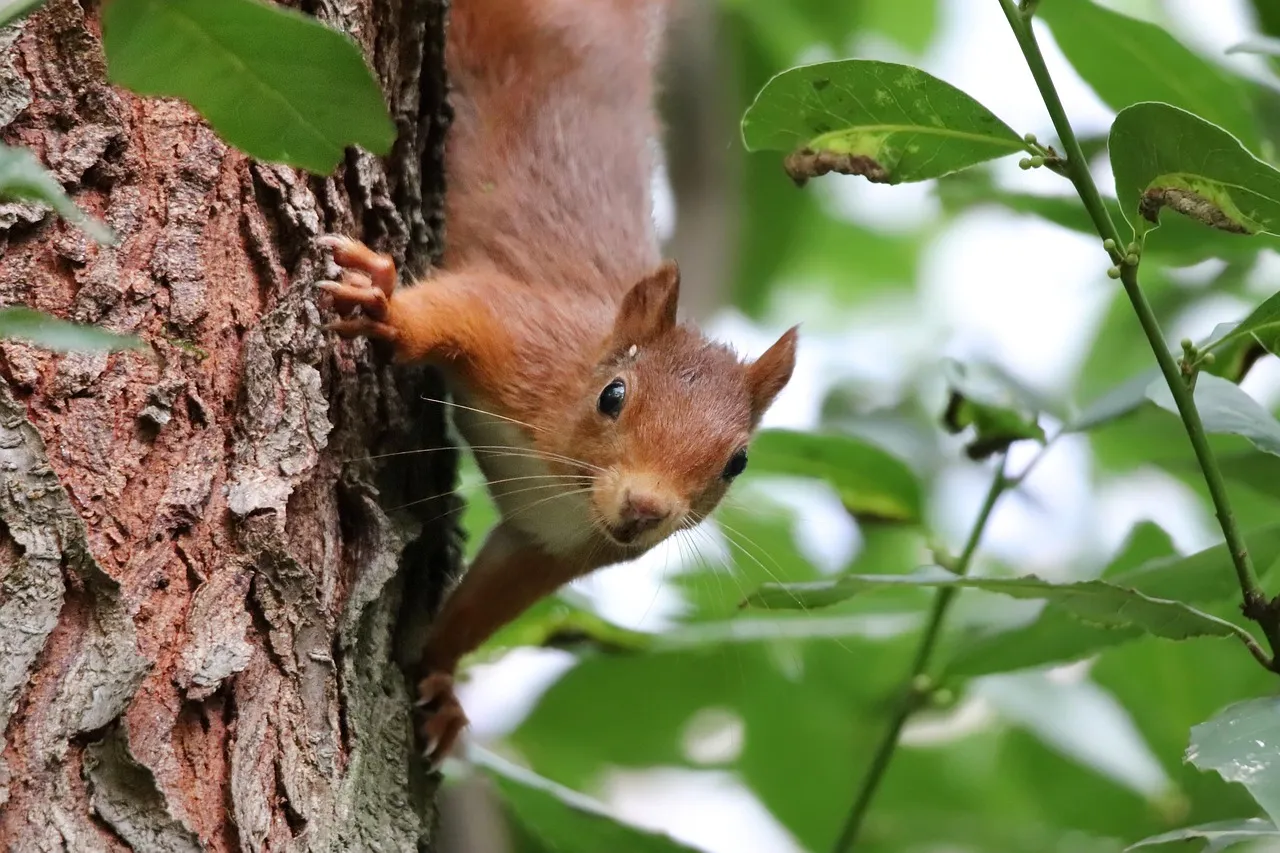
If you hear scratching or louder thumping noises, it’s probably not an insect. Flying squirrels don’t actually fly, they glide through the air and can be heard scampering up and down tree trunks after dark. If you stand quietly and listen, you may hear their high-pitched, mouse-like squeaks.
If you hear muffled chattering or rustling noises at night, you may have a tree squirrel. During the day the noise goes away when the squirrel goes outside to feed. Quiet squeaking noises and “cheep”-like vocalizations may indicate mice or rats. Insulation often muffles their vocalizations, and the sound of their feet scurrying along walls or ceilings is more common, as is the sound of them gnawing on wood.
Why So Much Noise, and Why Only at Night?
Conservation groups that record backyard soundscapes note that these calls are almost always about courtship, feeding, or warning off predators, not random noise. Nighttime is simply when the majority of these animals are most active. Crickets are primarily nocturnal creatures, and they are most active at night because darkness offers them protection from predators. The same logic applies broadly across species.
Some wildlife species have adapted to live in urban and suburban environments. Some of these animals, such as squirrels and birds, are common and quite noticeable. Other urban wildlife, such as coyotes, raccoons, and skunks, is present but more elusive to see. Their invisibility is precisely why the sounds feel so mysterious.
How to Actually Tell Them Apart
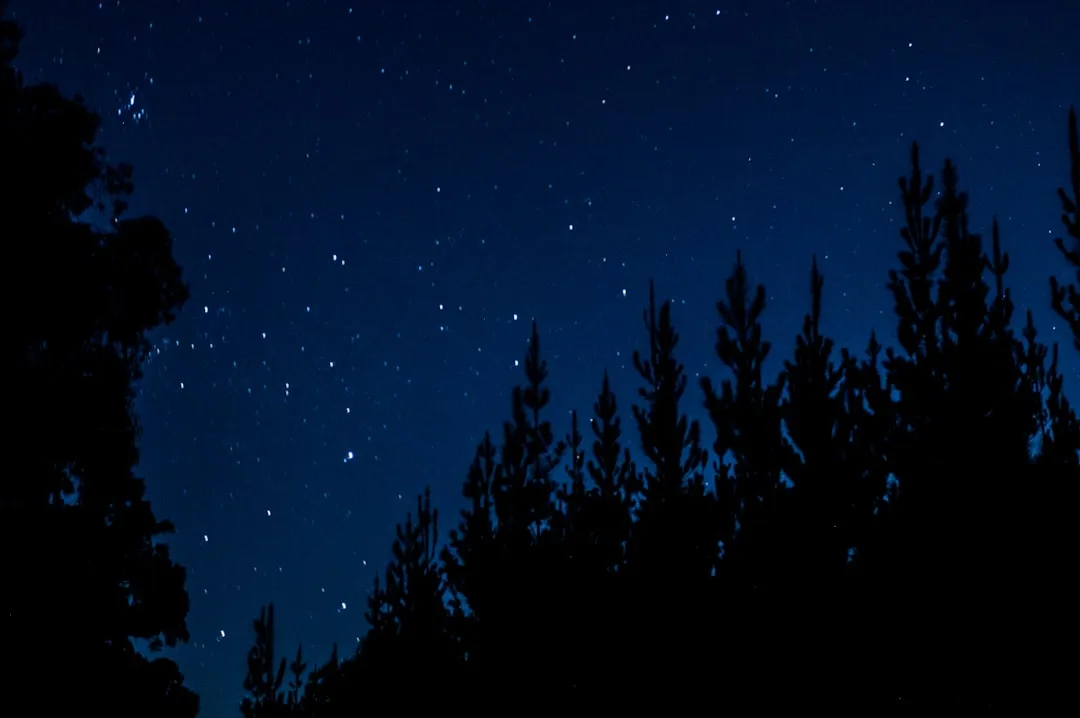
Many creatures make mysterious noises in the night, but in darkness it can be hard to tell just which species made that strange sound. A few reliable clues help narrow it down quickly. Sustained, rhythmic, insect-level chirping is almost always crickets or katydids. A sharp, human-like scream is almost always a fox.
Hoots with clear rhythm and tonal quality belong to owls. It’s not uncommon for people to think they heard one animal species but actually have another nuisance wildlife issue entirely. Raccoons growl and chatter. Coyotes yip and howl in cascading, layered patterns that sound like far more animals than are actually present.
Your best tool is simply listening without panic. Most of these sounds repeat with a pattern. Insects are consistent and steady. Mammals are erratic and often social in tone. In the dark, animals can produce noises that strain human imagination. The sounds may be frightening at first, until you learn which animals are creating all the ruckus.
Does the Season Change What You Hear?
Crickets chirp faster on warm nights than on cold ones. You are almost certain to hear cricket calls in summer, and very unlikely to hear them in winter. Crickets stop singing in temperatures below 55 degrees Fahrenheit. So the thick insect chorus of a July night thins and eventually goes quiet as fall arrives.
Approximately from September through November, coyote pups born in the spring are ready to disperse and find new territory and packs, which is when their group howling tends to peak. In many places, Great Horned Owls begin hooting around dusk in late fall and winter as they establish territories and court, long before other birds are nesting.
In a sense, the nighttime backyard has its own seasonal soundtrack. Crickets and katydids dominate summer. Owls and coyotes grow louder in fall and winter. Foxes scream most dramatically in early spring. Paying attention to those shifts is its own kind of nature calendar.
Final Thoughts
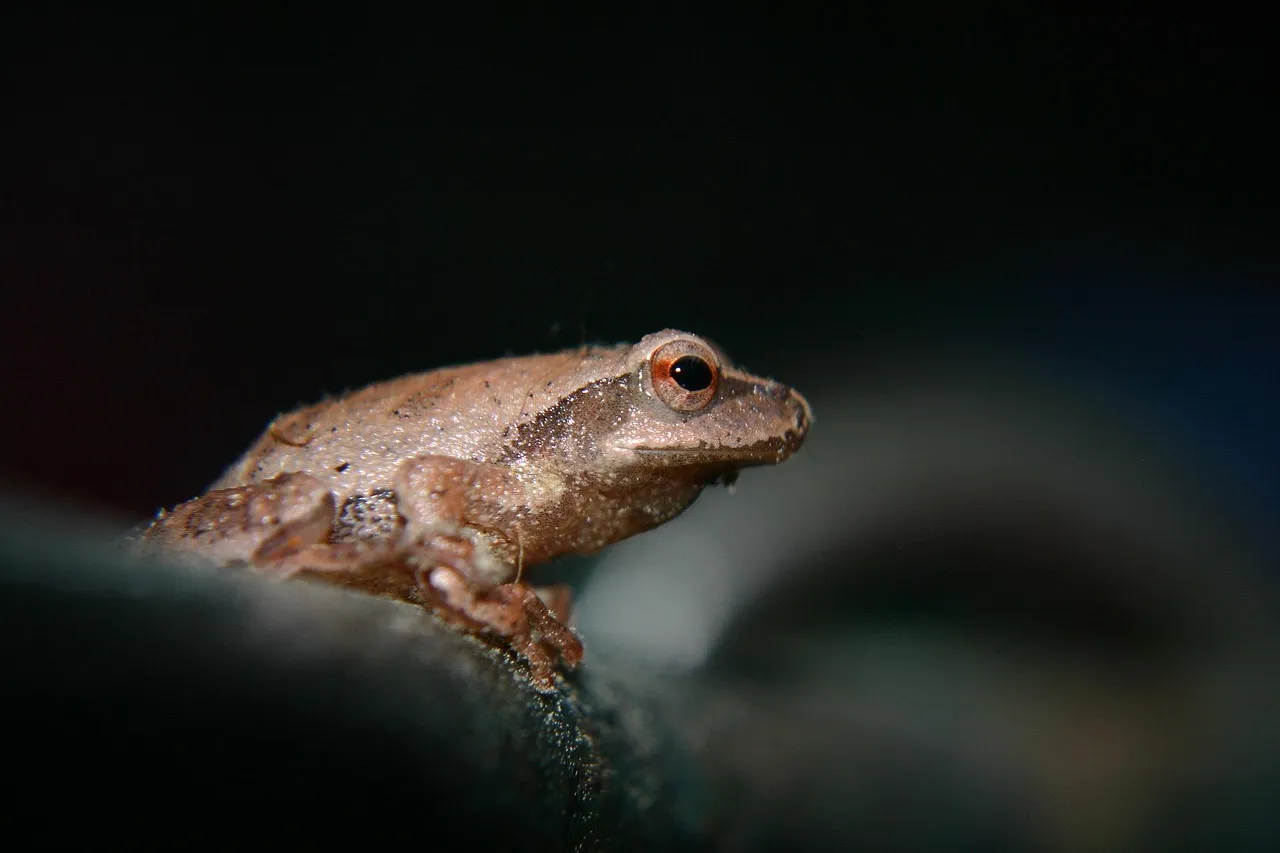
None of these sounds require fear. Nearly all of them have a perfectly rational explanation, once you’ve heard them a few times. The backyard after dark is genuinely busy, populated by creatures following routines as structured as your own. Our nighttime predators all have unique sounds, but they’re not usually out to hurt us.
The screaming fox, the howling coyote, the relentless cricket chorus: these are the sounds of an ecosystem still functioning right outside your door. Getting familiar with them doesn’t just reduce anxiety. It makes the whole neighborhood, seen and unseen, feel a little more knowable.
AI Disclaimer: This article was created with the assistance of AI tools and reviewed by a human editor.