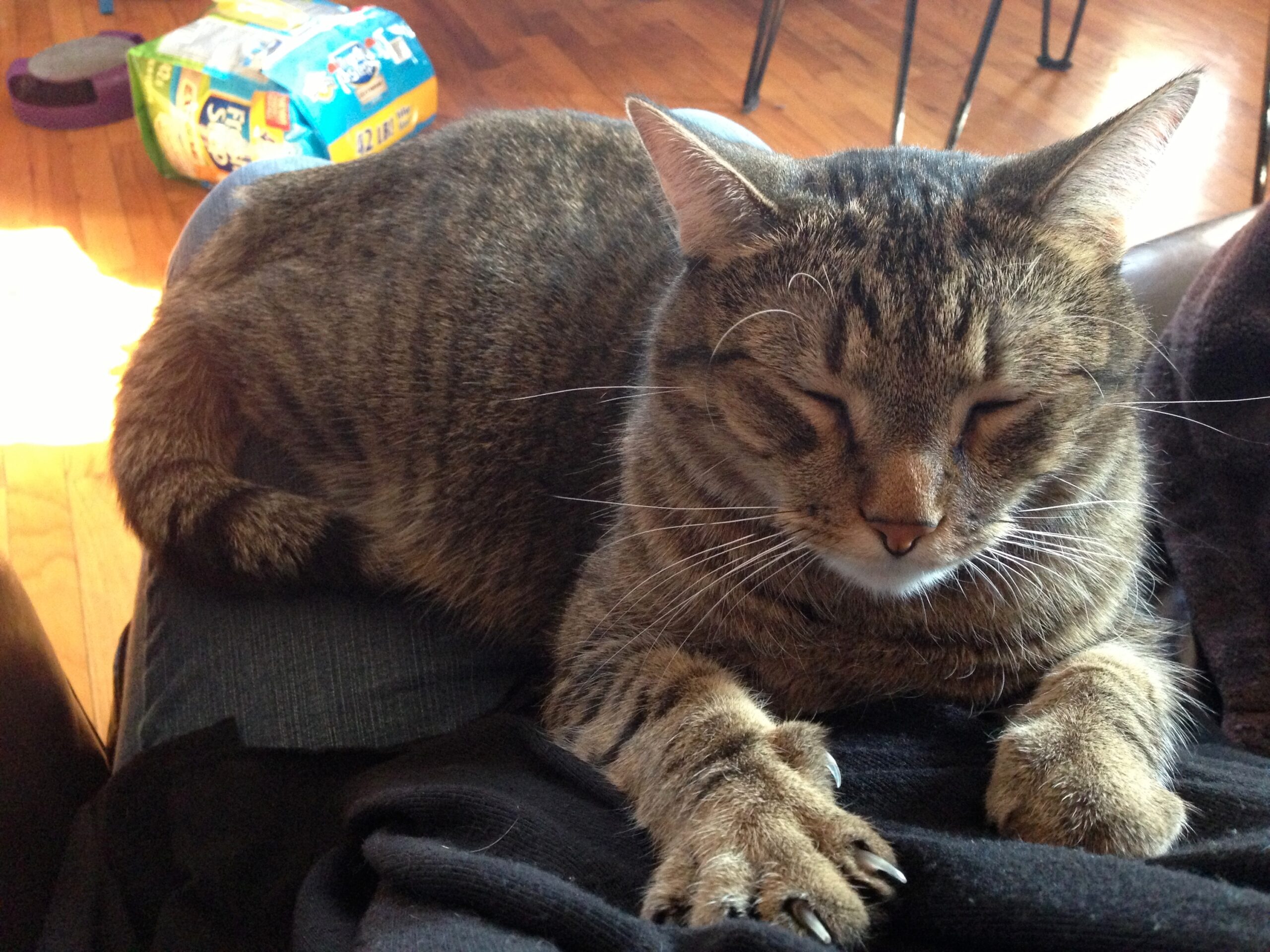

If you share your home with a cat, you’ve probably watched this play out dozens of times. Before curling up, your cat drops its front paws onto a blanket and begins pressing rhythmically, alternating left and right, almost hypnotically. It looks a little like someone working bread dough. It’s oddly calming to watch. It turns out, the behavior is just as meaningful as it is mesmerizing.
Cat owners often call it “making biscuits,” but feline behaviorists see it as a window into some genuinely fascinating biology. The reasons behind kneading touch on instinct, brain chemistry, emotion, and ancient survival programming. None of it is random.
It Starts Before Birth, Really
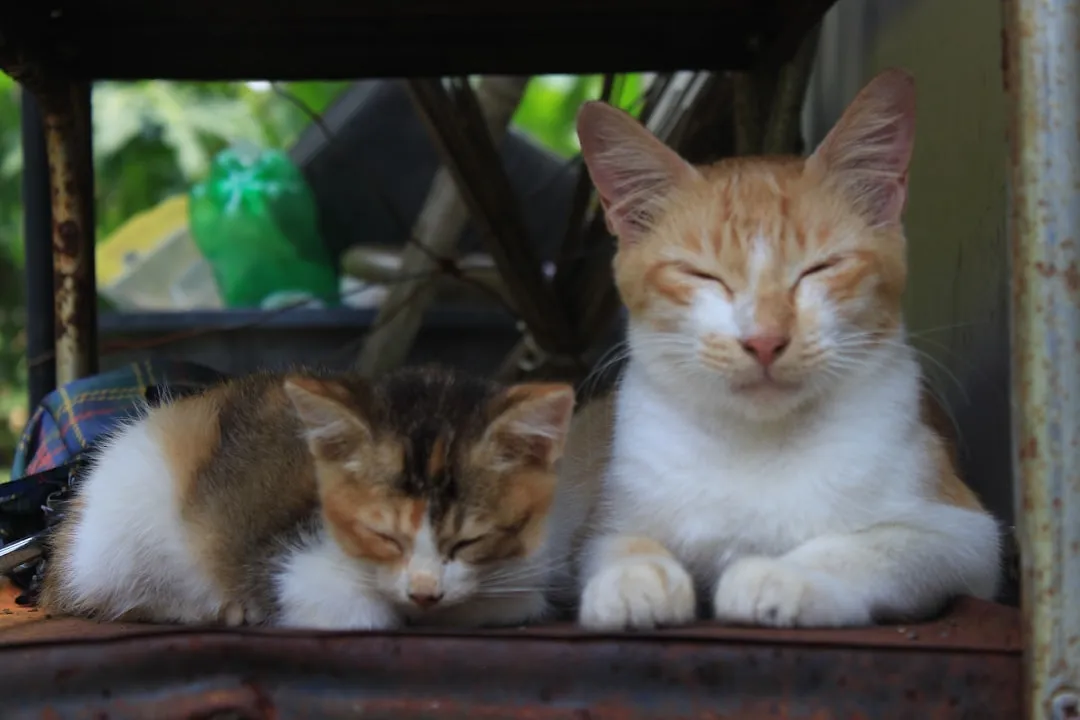
Newborn kittens press their paws against their mother’s mammary glands while nursing, and that repeated pressure stimulates milk letdown. It’s a functional survival reflex, not a learned behavior. From the very first hours of life, this motion is wired in deeply.
This movement forges a strong connection between mother and offspring. As cats grow into adults, the kneading behavior often persists, acting as a reminder of their kittenhood and the secure feeling they associated with nursing. It’s one of the few neonatal reflexes that doesn’t quietly disappear as a cat matures.
A Reflex That Outlasts Its Original Purpose
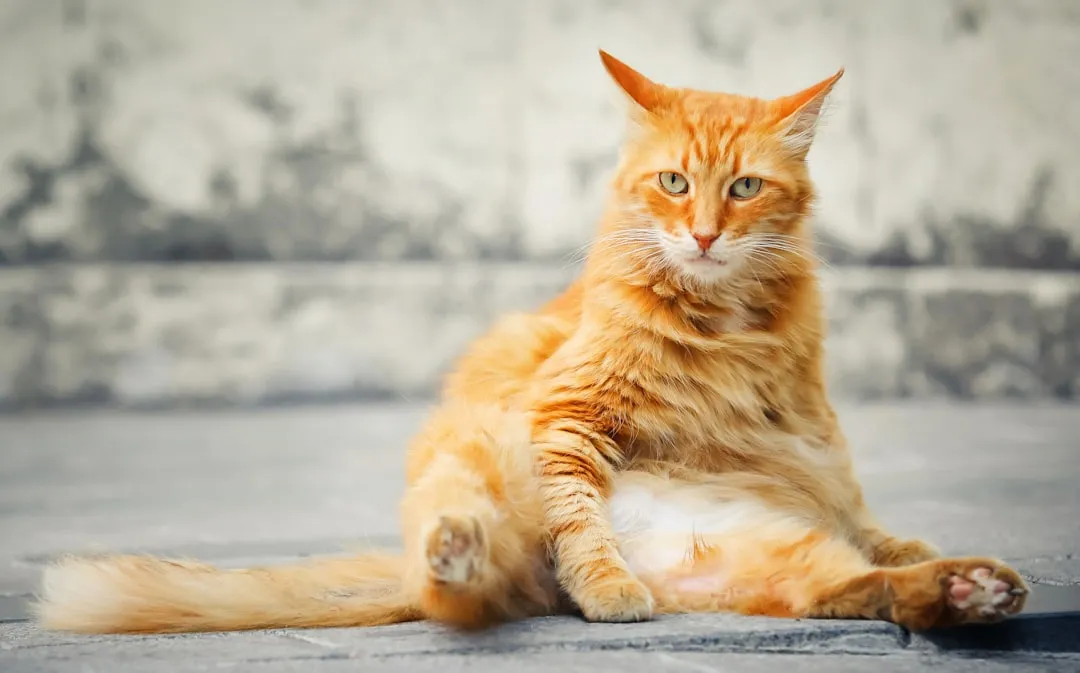
The most likely explanation is that kneading is a leftover behavior from kittenhood, according to Susan Hazel, an associate professor of animal behavior, welfare and ethics at the University of Adelaide in Australia. The motion simply never gets switched off, even after weaning.
Cats may continue kneading into adulthood particularly when in the presence of someone with whom they feel safe, or when they get on a particularly fluffy cushion or blanket, because they associate the behavior of treading their paws with the comfort they felt when they were nursing. The context shifts, but the sensation the cat chases remains the same.
Making a Nest: The Wild Ancestor Connection
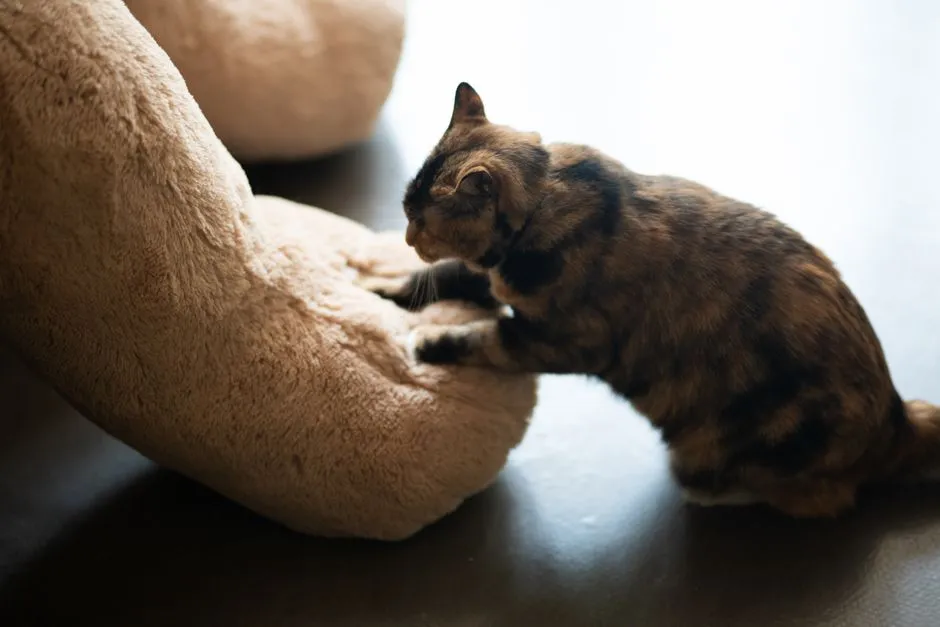
In the wild, cats will knead the ground in order to smooth out grassy areas and make piles of leaves or other materials a more suitable place to sleep. That’s the ancient practical origin of the whole ritual.
As a residual behavior from their feral ancestors, today’s house cats often knead their bedding before they lie down to create a comfy, soft sleeping arrangement. This harkens back to the historical process of softening grass or leaves in the wild to create a comfortable place to rest. Your fleece throw is just a very convenient substitute for a patch of tall grass.
Kneading those spots is a double act: arrange the landscape to feel right, and quietly sign it with a personal scent-based signature. Many wild felines engage in some version of kneading, and you might see a big cat in a wildlife reserve press its paws against tall grass or soft earth before lying down.
The Brain Chemistry Behind the Behavior
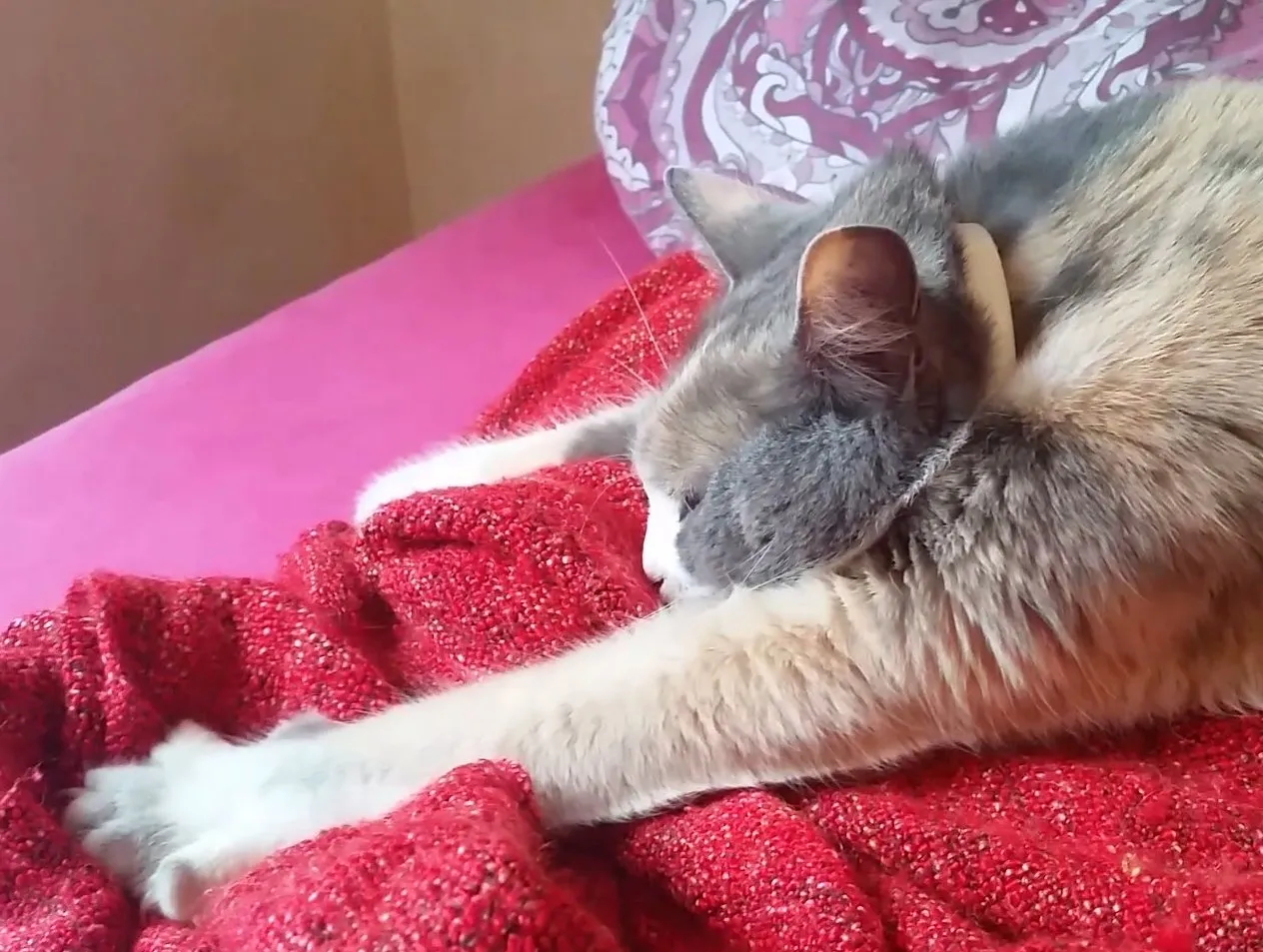
The action of kneading in cats causes the release of the pain-relieving, feel-good chemical dopamine in the brain. That’s a significant detail. The behavior isn’t just psychological comfort in a vague sense. There’s a real neurochemical reward happening.
Kneading triggers a dopamine release in the brain. Dopamine is the primary reward and pleasure chemical in mammals, and repetitive rhythmic behaviors reliably activate it. The behavior is self-rewarding, which is precisely why it persists into adulthood. In other words, cats knead partly because their brain tells them it feels good to do so.
Scent Marking Through the Paws
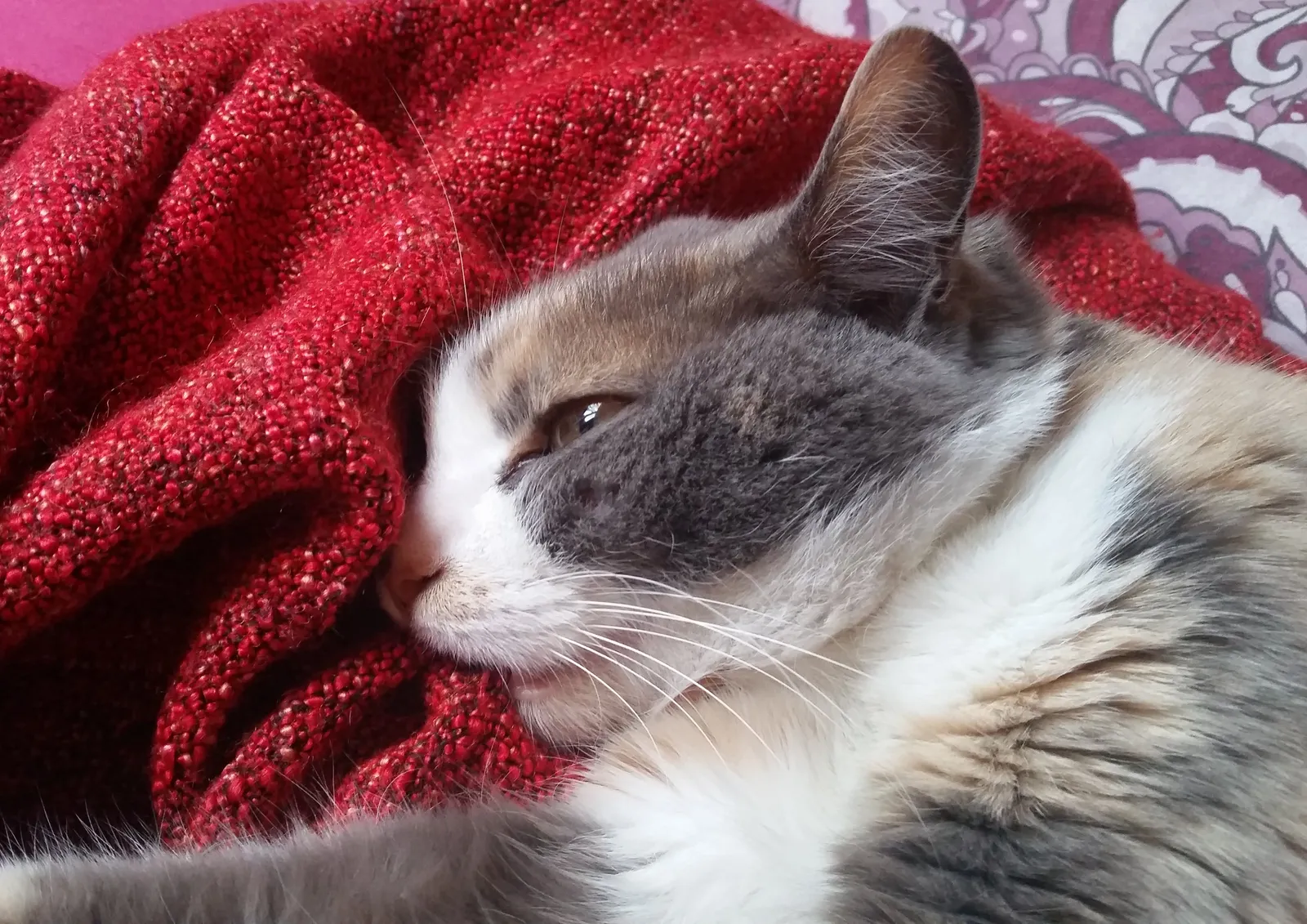
Cats have scent glands located in the smooth pads of their paws, and by kneading, they release pheromones onto the surface they’re pressing against. These pheromones function as an aroma marker, letting other cats know that the area is claimed and helping create a sense of familiarity and security for the kneading cat.
These glands release pheromones, including a sulfur-containing compound called felinine, onto whatever surface the cat presses against. So when a cat works its paws into your favorite blanket, it’s not only getting comfortable. It’s also quietly labeling the whole thing as its own.
Some scientists think kneading helps cats self-soothe, lowering stress by activating familiar motor patterns from kittenhood. Others emphasize territory: paws have scent glands, and this gentle stamping could be a “soft mark” on a beloved spot. It’s likely both things happening at once.
Kneading as a Signal of Trust and Safety
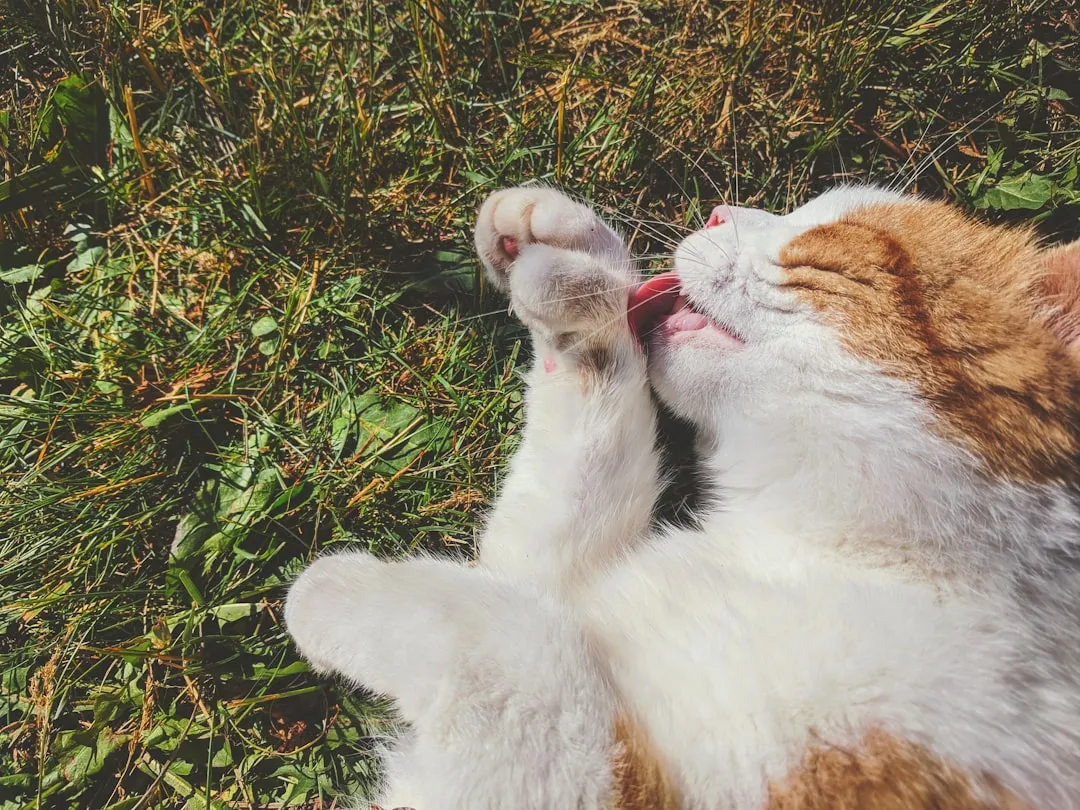
Scientists who study cat behavior call this distinctive paw action “kneading” and believe it to be a sign of a relaxed cat. That calm state isn’t incidental. It’s the whole point.
When a cat kneads their owner, it can be a sign of trust and affection. This behaviour demonstrates that the cat feels safe and comfortable in the presence of their human companion. If your cat chooses to knead you specifically rather than just any soft surface, that’s worth appreciating.
Why Cats Only Knead Soft Surfaces
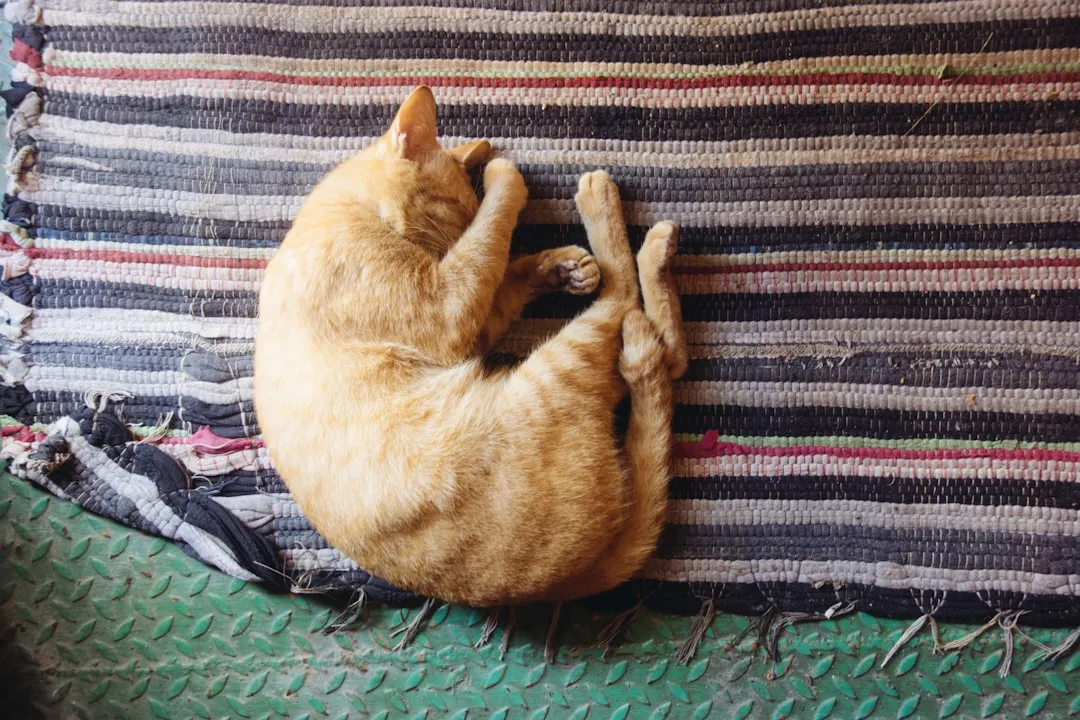
Though cats will sit happily on a hard surface, they will only knead a soft or pliant surface. Some cats will reflexively “march” on hard surfaces instead of kneading them. The texture matters more than most people realize.
Kneading is a behavior frequently observed in domestic cats where, when a cat feels at ease, it may push out and pull in its front paws against a surface such as furniture or carpet, often alternating between right and left limbs. Each stroke is accompanied by a grasping motion of the claws as if the cat were kneading dough. The softness of a blanket closely mimics the give of a mother cat’s belly, which is likely the reason the preference exists at all.
Drooling, Purring, and Other Signs That Accompany Kneading
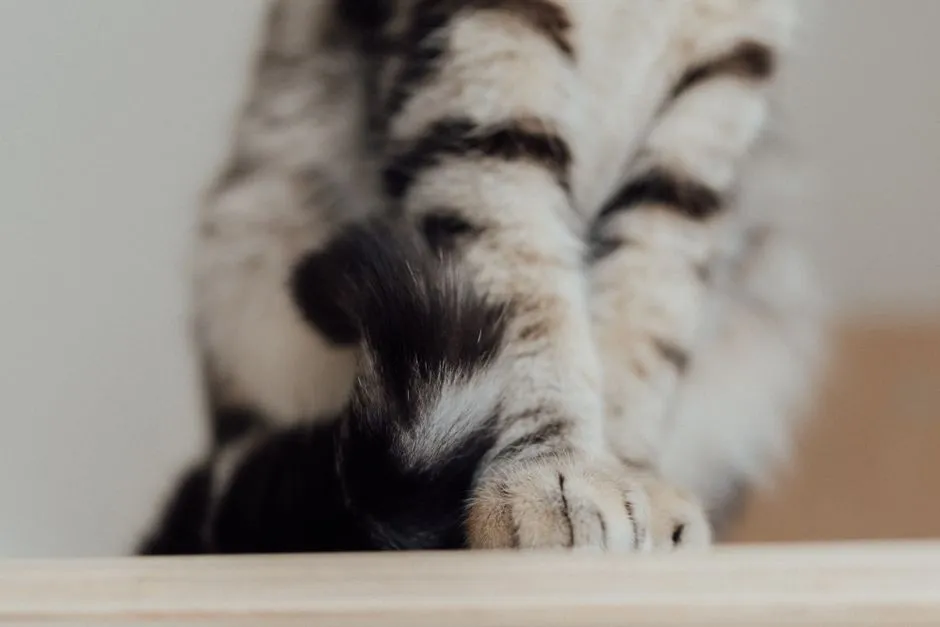
Lending support to the kittenhood explanation is the way cats may drool when performing this behavior, and they may even suckle the surface they are kneading. Drooling might seem odd, but it’s a strong indicator that the cat’s brain has effectively returned to a nursing state.
Cats frequently purr while they knead, further indicating that they associate this behavior with positive emotions. Whether it’s on your lap, a cozy blanket, or a soft pillow, kneading often signals that your cat is at ease. The combination of purring, kneading, and occasional drooling represents one of the deepest comfort states a cat can reach.
When Kneading Becomes Excessive
Increased or excessive kneading can be a sign that your cat is uncomfortable or anxious, and his kneading could be an attempt to soothe himself. This release of dopamine also motivates a cat to continue kneading to receive additional bursts of the hormone, so excessive kneading can be a sign of a compulsive behavioral disorder.
Cats experiencing soreness from an injury or arthritis may also knead to stretch their limbs and relieve muscle tension. So while kneading is usually a sign of contentment, a sudden noticeable increase in the behavior can occasionally point to something worth investigating with a vet.
Cats knead blankets and other soft objects in their environment for a few reasons: to create a sense of relaxation and relieve stress, as kneading soft objects may remind a cat of nursing and release calming chemical signals. That context matters when judging whether the frequency is normal or not.
What to Do When Kneading Becomes Uncomfortable for You
Feline experts agree that kneading is completely normal. Allowing your cat to express their instinctual behaviors in a healthy and non-destructive way can help keep them happy and content. Discouraging it entirely is rarely recommended.
A blanket or cushion can be left out in the environment for the cat to knead when the caregiver isn’t present, because it will smell familiar to them and help them feel safe. That’s a practical solution that works with the behavior rather than against it.
Kneading is not a code to crack perfectly, just a recurring signpost in our shared daily life with cats. Redirecting the behavior toward a dedicated blanket, and keeping claws trimmed, covers most situations comfortably.
The Takeaway
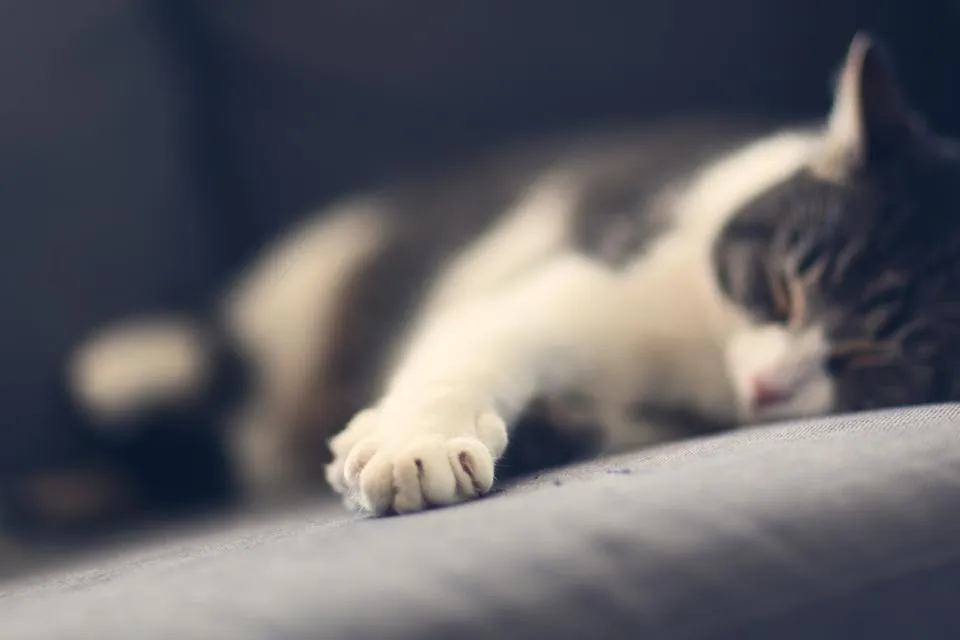
Cat kneading is one of those behaviors that rewards closer attention. What looks like a quirky pre-nap ritual turns out to be layered with evolutionary history, neurochemistry, scent communication, and emotional memory. The blanket gets kneaded because it’s soft, yes, but also because something in your cat’s brain connects that softness to safety, warmth, and being cared for.
Cat kneading bridges the gap between the wild and the domesticated, an instinctual act rooted in the nurturing connection between a mother and her kittens. Beyond its evolutionary origins, it also serves as a profound emotional expression, reflecting trust, comfort, and pleasure. That’s a lot to carry for such a small, rhythmic motion.
AI Disclaimer: This article was created with the assistance of AI tools and reviewed by a human editor.