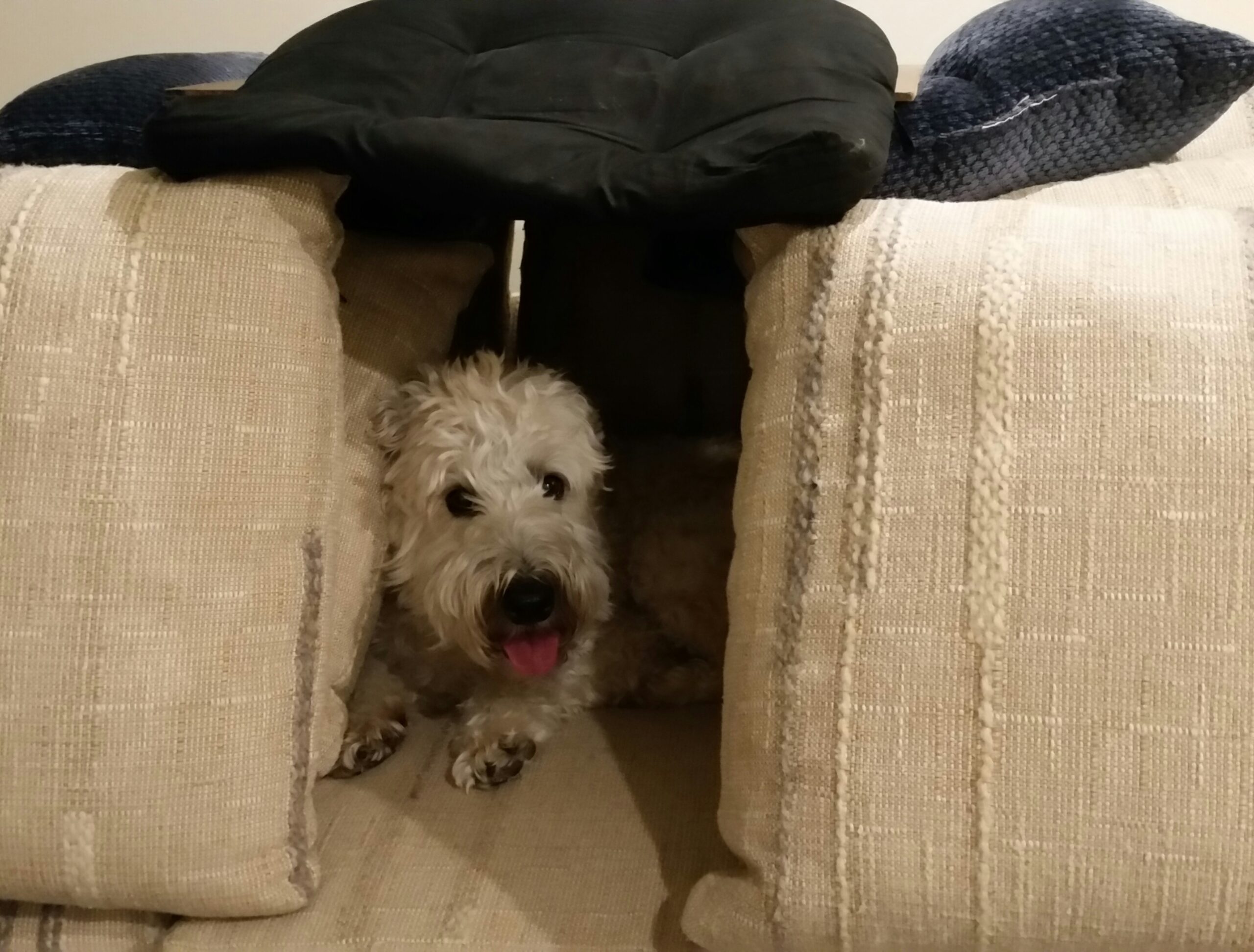

Most dog owners have lived through at least one storm-night panic. The thunder rumbles, and suddenly a normally confident dog is shaking under the bed, panting, and refusing to be comforted. Meanwhile, a neighbor’s dog barely cracks an eye open. The difference isn’t just personality. There’s real biology, genetics, and learned experience behind it.
Researchers have been paying serious attention to this divide. The answers are more layered than most people expect, and understanding them changes how we think about helping the dogs who genuinely suffer.
It’s Far More Common Than People Think

Veterinary research confirms that thunderstorm phobia is one of the most common anxiety disorders in dogs, affecting up to roughly one third of the population. A large-scale study adds more precision to that picture: according to owner reports gathered from over a thousand valid responses, around 43.6% of dogs exhibit fear of thunder. That’s nearly half of all pet dogs living with some level of storm-related distress.
A phobia is an excessive and persistent fear of a specific stimulus or situation. Any animal can develop a phobia to almost any situation or stimulus. In dogs, the most common phobias relate to thunderstorms and loud noises. So if your dog panics during storms, they’re far from alone.
The Noise Is Just the Beginning
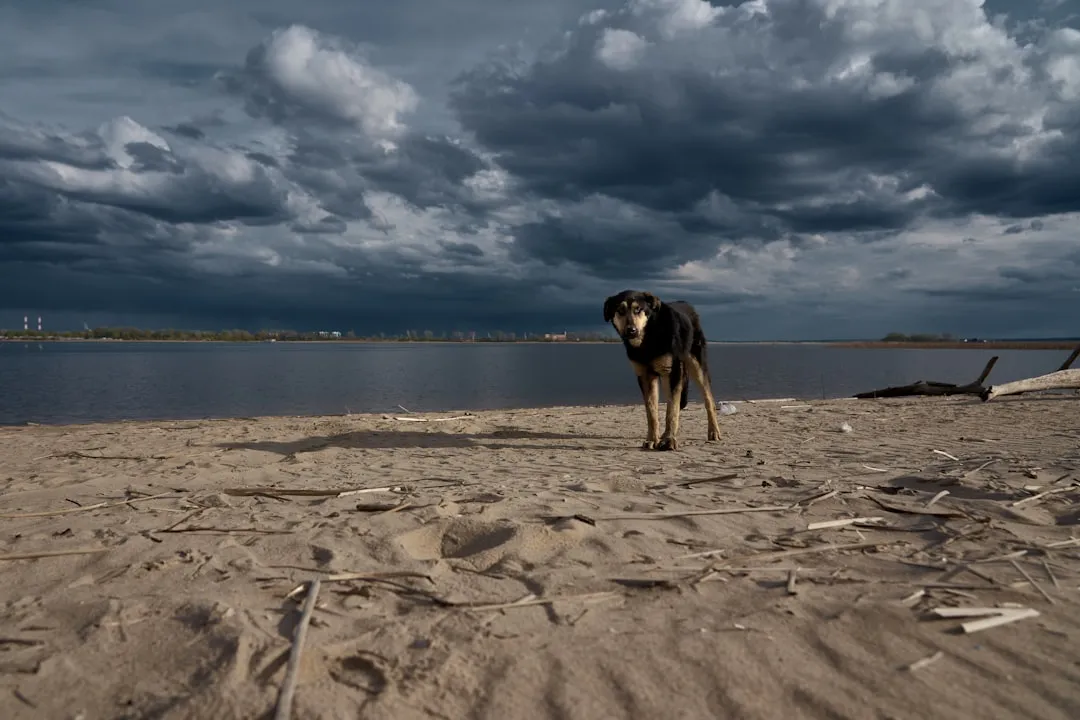
Most people assume it’s simply the loud bang of thunder that sets dogs off. That’s part of it, but only a small part. Many dog parents believe that it’s the sheer volume of thunder that upsets dogs the most. Some recent studies by scientists and vets in clinical research, however, indicate that the booming sound of thunder is just a small part of what upsets dogs during electric storms.
Dogs have a lower auditory pain threshold than humans, with potential discomfort beginning at 85 to 90 decibels instead of the 120 to 140 decibel range for humans. Thunder typically registers between 130 to 200 decibels. So what sounds dramatic to us is genuinely overwhelming to them. It is estimated that between roughly a quarter and half of all dogs have some level of noise aversion. Dog hearing is much more sensitive than human hearing, which means they can detect thunder sooner than we can, and it sounds much louder to them.
Static Electricity: The Hidden Culprit
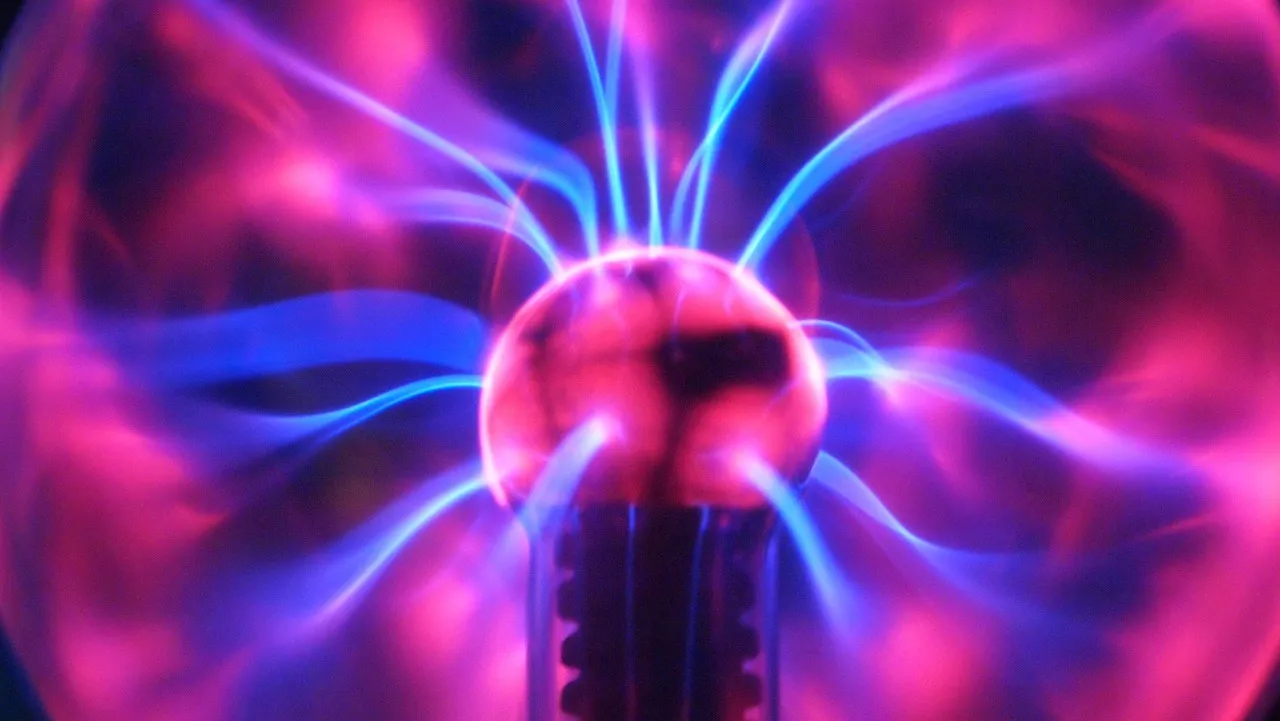
This one surprises a lot of people. Static electricity buildup during a thunderstorm can cause dogs to feel a low-level tingling or even small shocks through their fur. A survey published in the Journal of the American Animal Hospital Association confirms this idea: static electricity from thunderstorms might give dogs tiny shocks, making them even more anxious during stormy weather.
Some dogs have canine noise aversion, which can make them uncomfortable or even phobic about loud sounds. Large dogs and those with long or double coats easily build up static electricity, the way we do when we wear a sweater and get a shock from a car door. This helps explain why some dogs sprint to the bathroom and press against the porcelain tub. They’re instinctively seeking a surface that might ground them and relieve the sensation.
Barometric Pressure and the Scent of Rain
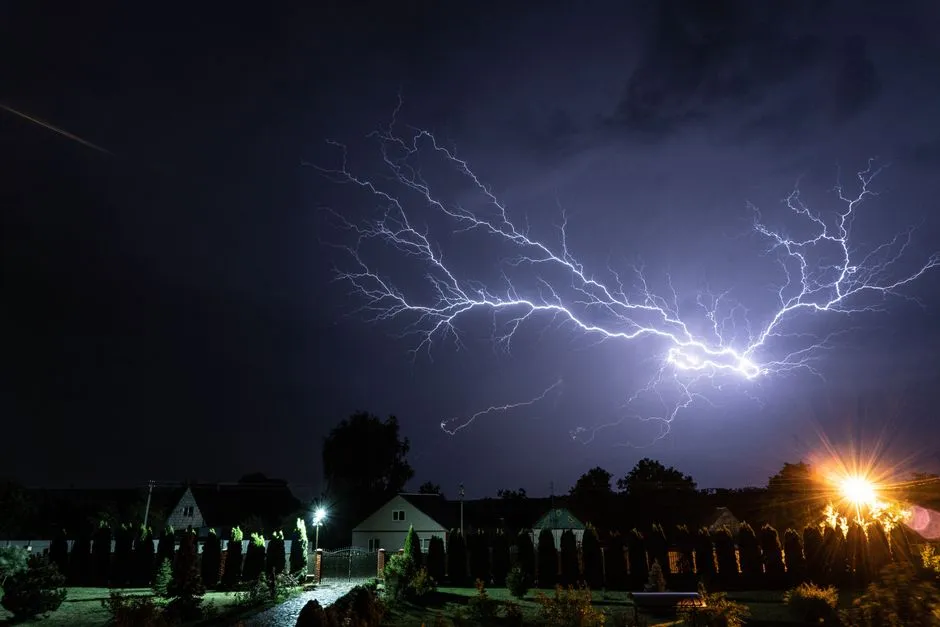
Dogs don’t just react to storms. Many react before storms arrive. Dropping barometric pressure, which dogs can sense, coupled with darkening skies, wind, and the sheer noise of thunder can cause fearful reactions in dogs. This happens well before the first clap of thunder ever reaches human ears.
As the air pressure drops before a storm, many dogs become agitated. This drop in pressure might affect their sensitive ears and cause them discomfort or pain. Some dogs can even “sniff out” changes in the weather as the barometric pressure falls and makes scents travel differently. It’s a full-body sensory experience, not just a noise problem. Research supports that thunderstorm fear arises from the interaction of multiple concurrent stimuli, not sound alone.
The Role of Cortisol and the Stress Response
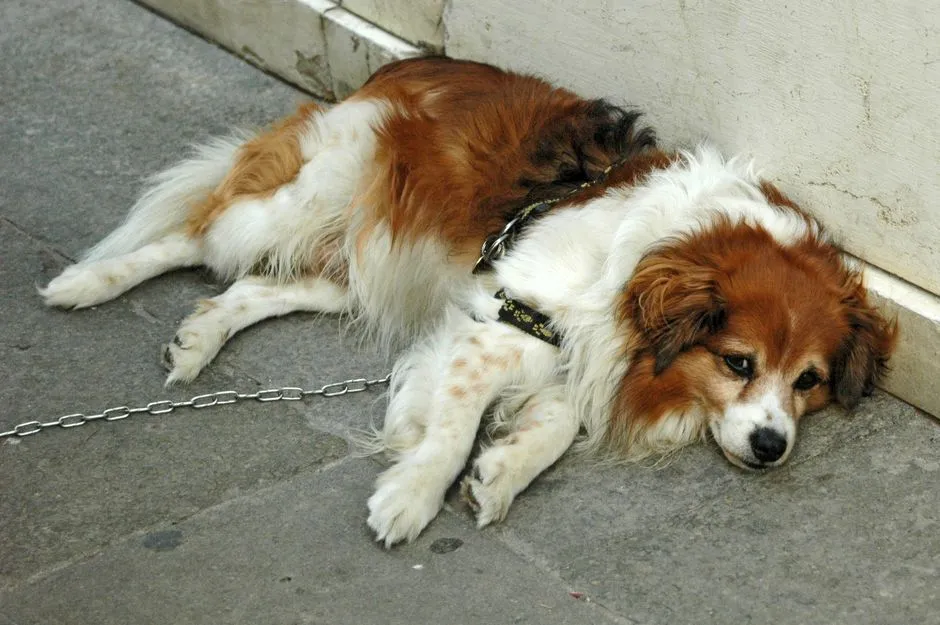
The fear response in storm-phobic dogs isn’t subtle at the physiological level. Veterinarian Nancy Dreschel, an instructor at Penn State’s College of Agricultural Sciences, observed that when the weather changes and signals a coming storm, many dogs react by producing more of the stress hormone cortisol. She and her fellow researchers were surprised both by how high the frightened dogs’ cortisol levels rose during a thunderstorm and how long they remained elevated afterwards.
One study demonstrated a 207% increase in salivary cortisol levels after exposure to simulated sounds of a thunderstorm. That’s not a mild reaction. That’s a body in full alarm mode. When the symptoms are severe, it becomes a notable stressor for dogs, not only shortening the dog’s lifespan but also becoming a significant burden for the owner. The stress is genuinely costly for the animal’s health over time.
Genetics and Breed Tendencies

Not every dog is equally wired to panic. Genetics plays a real and measurable role. Any dog can be fearful of storms, but herding breeds like Border Collies, Australian Shepherds, and German Shepherds are often more sensitive. Smaller breeds such as Chihuahuas can also be prone to storm anxiety. Breed tendencies play a role, but individual personality and past experiences matter most.
On the other side of the coin, herding breeds like Border Collies and Australian Shepherds are often more sensitive to loud noises, while hunting dogs such as pointers and setters are typically calmer around loud sounds. This makes sense given what different breeds were historically selected to tolerate. The breeds most likely to react are the same ones that usually spend the most time outside, such as herding, working, and sporting dogs.
Early Life Experiences Set the Stage
A dog’s puppy months matter enormously. Dogs who did not experience loud noises during early socialization and dogs with separation stress have been shown to be more susceptible to becoming noise averse when they are suddenly faced with loud claps of thunder. Exposure during the critical socialization window, handled correctly, builds resilience.
A dog’s past and its associations with frightening events leave an impression on it. Hearing thunder again can trigger those feelings, cementing a pup’s reaction to storms. Many variables affect this reaction, such as the severity of the storm, the pet’s age, and the circumstances. This phobia often occurs in rescue dogs, supporting this assertion. Dogs with unknown histories tend to carry more unresolved sensitivities.
Owner Behavior Has More Influence Than You’d Expect

Dogs read us closely, especially during moments of uncertainty. Dogs were found to be more fearful of thunder when their owners were also afraid of it. The emotional state of the person in the room genuinely shapes how a dog interprets the situation. A 2024 study published in Nature also explains that dogs’ detection of human stress through the odors they pick up while sniffing can affect their cognitive responses and emotional states.
There’s also the question of unintentional reinforcement. Offering comfort during a storm is encouraged and does not reinforce fear. However, unintentional reinforcement of the fear response by owners can contribute to the development and worsening of storm anxiety. There’s nuance here: soothing a dog isn’t the problem, but owners who are themselves visibly anxious during storms may amplify the dog’s alarm response without realizing it.
Why Some Dogs Simply Don’t React

The dogs who snooze through storms aren’t broken or unusually brave. They’re just wired differently, or were raised differently. Research shows that the probability of fear of thunder increased with age but decreased in elderly dogs. Toy Poodles and Miniature Dachshunds, for instance, exhibited lower levels of fear of thunder. Some breeds are simply less noise-sensitive by nature.
Individual temperament, early exposure to a wide range of sounds, and a calm household environment all build up a buffer against storm anxiety. Dogs are often scared of thunder due to a combination of factors, including environmental conditions, past experiences, and genetics. Dogs have very strong senses, and thunderstorms can be incredibly overwhelming sensory events for them. But poor weather also affects some dogs very little, depending on their baseline sensitivity. The calm sleepers often just have a lower sensory reactivity threshold and the social confidence to feel safe despite the noise.
What Actually Helps Storm-Anxious Dogs
Most dogs cannot be cured of their thunderstorm phobias, but management is possible. In a study published in 2003, 30 out of 32 dogs showed significant improvement in their symptoms with appropriate medication and behavior modification treatment. That’s a genuinely encouraging finding for owners who feel like they’re out of options.
Desensitization and counterconditioning are forms of behavior modification used to reduce the fear of noise and storms. Desensitization exposes the dog to a scary noise at such a low level that the animal is not scared. Counterconditioning then changes the association of the noise with fear. Desensitization training and counterconditioning can take anywhere from a few months to several years, depending on how often you practice these techniques with your dog. Some dogs may experience lifelong storm phobia regardless. Medication, calming wraps, pheromone diffusers, and safe retreat spaces can all make a meaningful difference while behavioral work is ongoing.
A Condition Worth Taking Seriously

Storm phobia in dogs has long been dismissed as just “being skittish,” but the evidence tells a different story. The fear is real, the physiological response is significant, and the experience of repeated panic without support genuinely harms a dog’s long-term wellbeing. Dogs with noise phobias appear to chain events together and, over time, start to show signs of fear even before a storm. It can get to the point where they are fearful just from rain.
The gap between a storm-phobic dog and one that sleeps peacefully through the same storm reflects a complex mix of genetics, developmental experience, sensory sensitivity, and the emotional environment they’ve grown up in. None of it is the dog’s fault. Knowing that is usually where the most effective help begins.
AI Disclaimer: This article was created with the assistance of AI tools and reviewed by a human editor.