

Tart Cherries: The Most Recommended Option
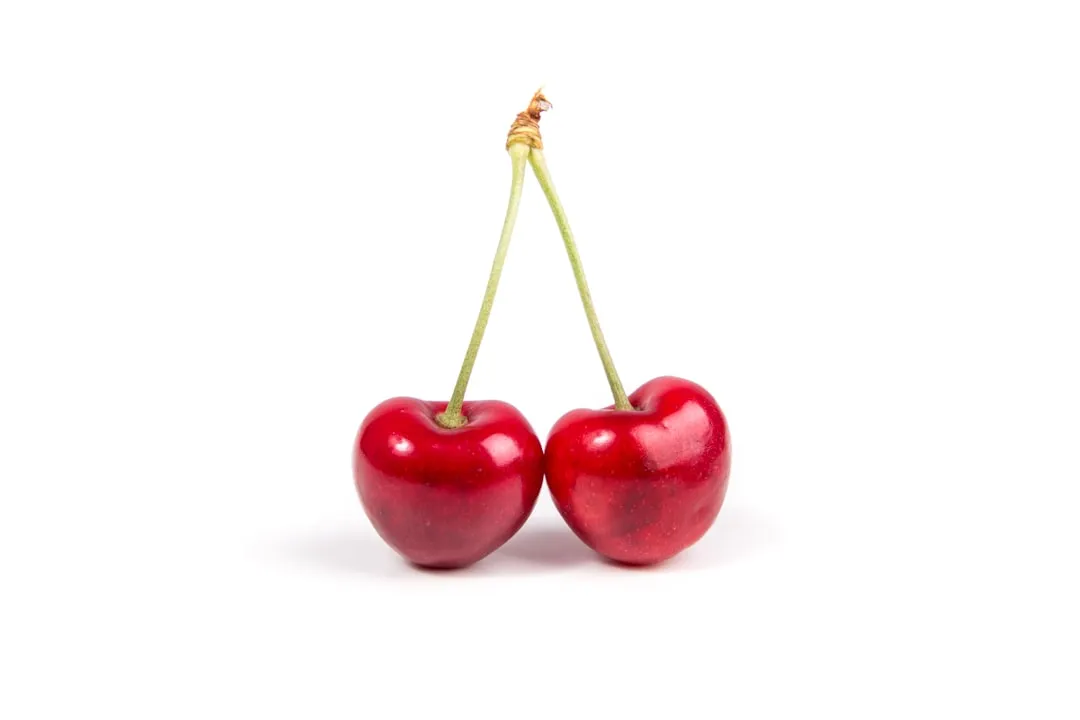
Of all the foods connected to better sleep, tart cherries consistently rise to the top. A 2025 systematic review that analyzed seven interventional studies found that three reported significant improvements in sleep indicators such as duration, efficiency, or onset time, while three also reported an increase in melatonin levels after tart cherry consumption.
Earlier research showed that consuming tart cherry juice for just seven days increased sleep time, sleep efficiency, and time in bed. That’s a meaningful shift from something as simple as a glass of juice. Nutritionists recommend roughly half a cup to one cup of dried cherries, or four to six ounces of juice, around 60 to 90 minutes before bed.
Kiwi: Small Fruit, Surprisingly Strong Evidence
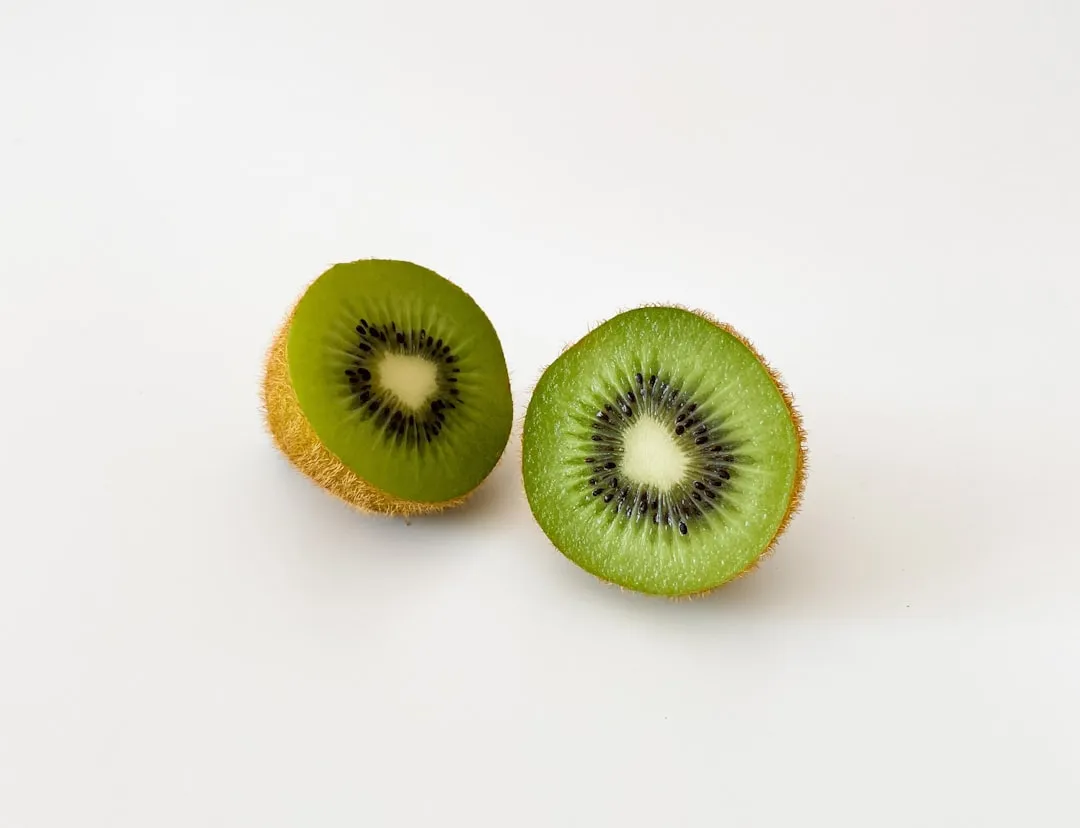
A clinical study by Lin et al. reported that consuming two kiwifruits one hour before bedtime for four weeks led to reduced sleep onset latency, decreased waking after sleep onset, increased total sleep time, and improved sleep efficiency in 24 adults. That’s a fairly specific finding for a piece of fruit.
If you like to end your night on a sweet note, fresh kiwi can both satisfy that craving and help you sleep better. Kiwi contains the sleep hormone melatonin, which helps regulate the body’s internal clock, also known as circadian rhythm, and helps calm the body to prepare for sleep. Most research has shown the best benefits with a serving of one to two kiwis per night.
Greek Yogurt with Berries
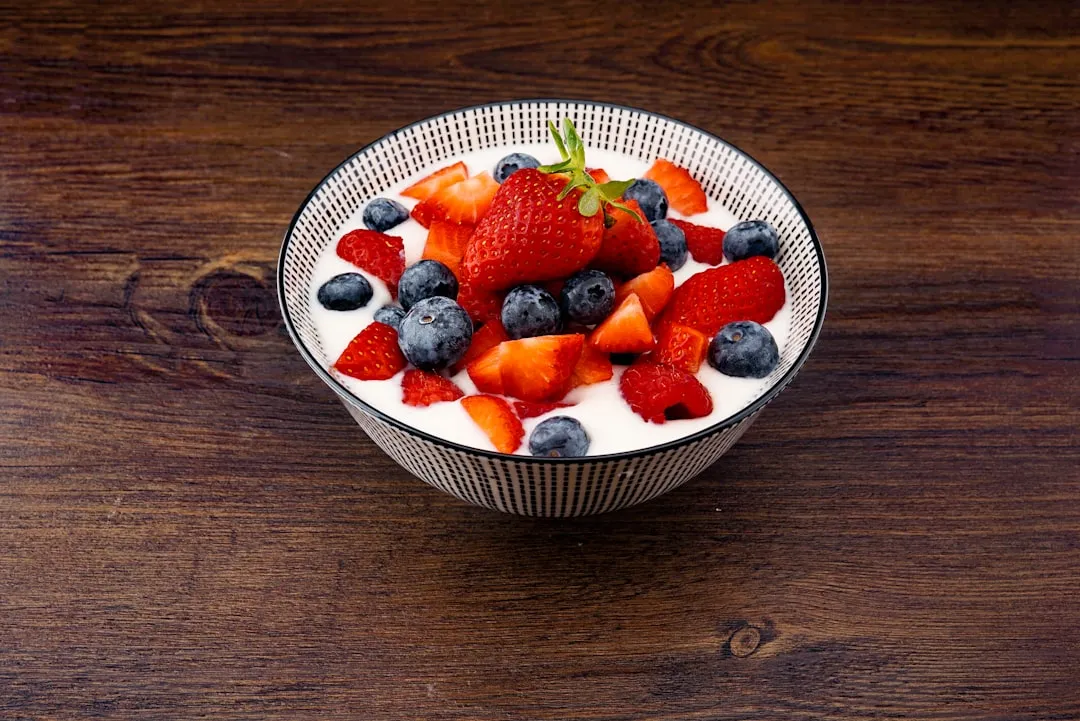
Greek yogurt is packed with protein and healthy fats, making it a genuinely satisfying option without feeling heavy. The berries add a small carbohydrate component, which matters because choosing a mix of complex carbohydrates with fiber and protein helps keep blood sugar stable during the night.
Dairy products such as yogurt are known sources of tryptophan, the amino acid that sets off a chain reaction toward melatonin production. Sleep doctors themselves point to Greek yogurt with berries as one of their own go-to bedtime snacks. It’s simple, genuinely enjoyable, and backed by real nutritional logic.
Pistachios and Walnuts
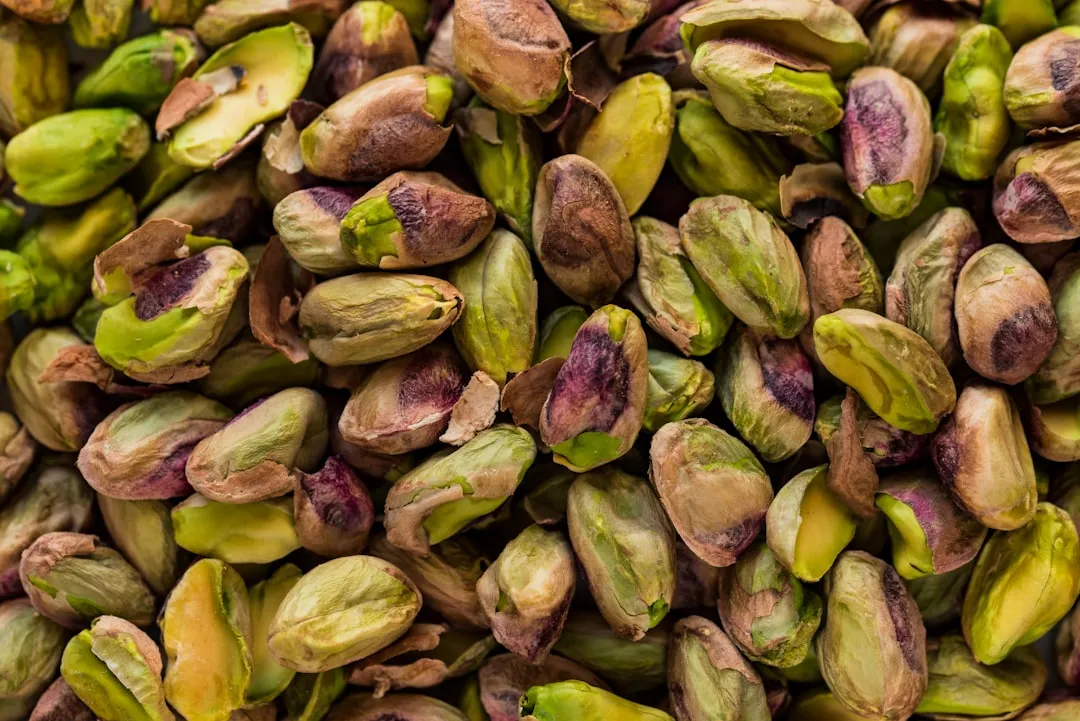
Certain tree nuts like pistachios and walnuts may be helpful for improving sleep because of their melatonin content. Pistachios, in particular, are considered one of the more melatonin-dense whole foods available. Walnuts are among the richest food sources of melatonin, providing 3.5 to 4 nanograms, plus omega-3s and additional magnesium.
To keep things from becoming too heavy, nutritionists recommend keeping the serving size around 90 to 130 calories, roughly ten walnut halves. That’s a small handful, not a generous bowl. A handful of dry roasted nuts makes the perfect sleep-promoting snack, as nuts are a natural source of magnesium.
Warm Milk or a Glass of Dairy
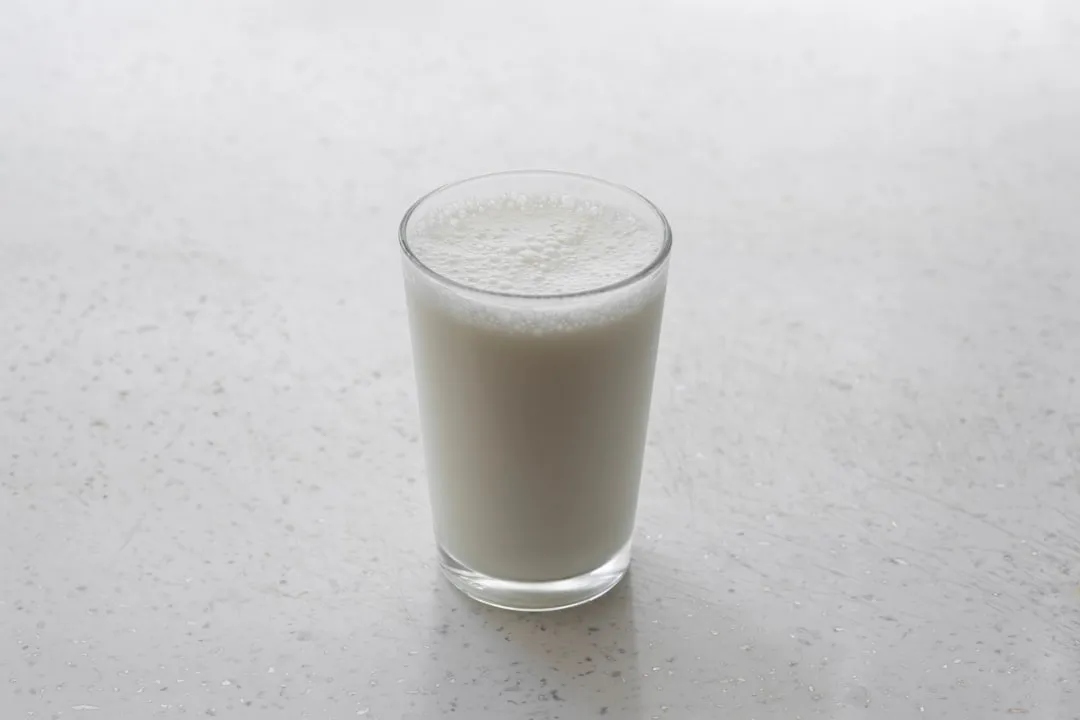
Warm milk before bed isn’t just an old folk remedy. Warm milk is a comforting bedtime snack for good reason, as it contains an almost complete cocktail of sleep-inducing nutrients including tryptophan, magnesium, potassium, calcium, and vitamin D. Tryptophan is needed for the body to produce the neurotransmitter serotonin, which is the precursor to the hormone melatonin.
Milk has been shown to improve sleep in older adults, especially when paired with light exercise. A warm glass with a few drops of vanilla extract is a practical way to make this feel like a genuine wind-down ritual rather than just a nutritional strategy.
Pumpkin Seeds
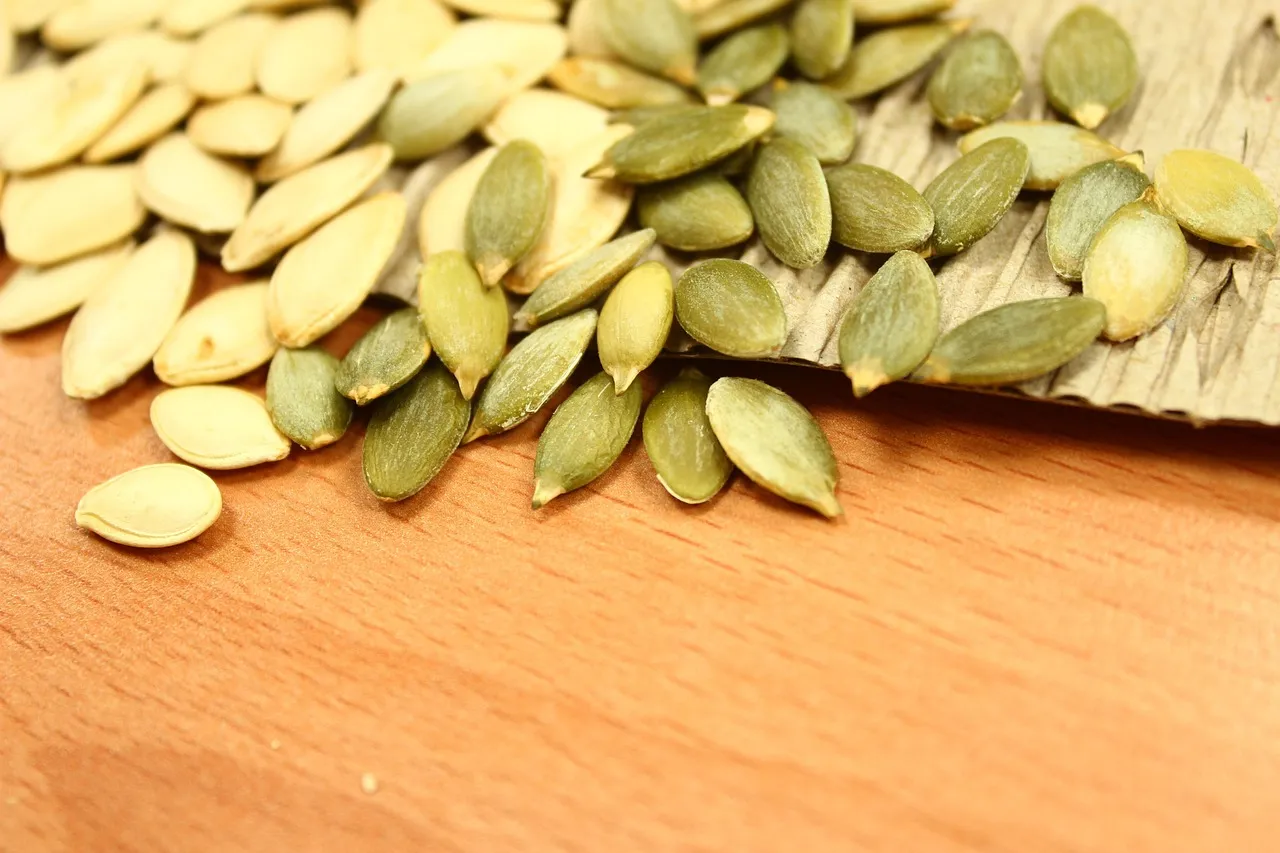
Pumpkin seeds are thought to promote better sleep because of their tryptophan content. They’re also a solid source of magnesium, which has become one of the more studied minerals in the sleep science space. One of the most common dietary supplements for those with sleep troubles is magnesium, and it can improve sleep quality and help you fall asleep faster.
A 2023 review on magnesium supports these sleep benefits. Pumpkin seeds offer a way to get that mineral through food rather than a supplement, which many clinicians prefer. A small handful on their own, or sprinkled over yogurt, does the trick.
Oatmeal with Nuts or Dried Fruit
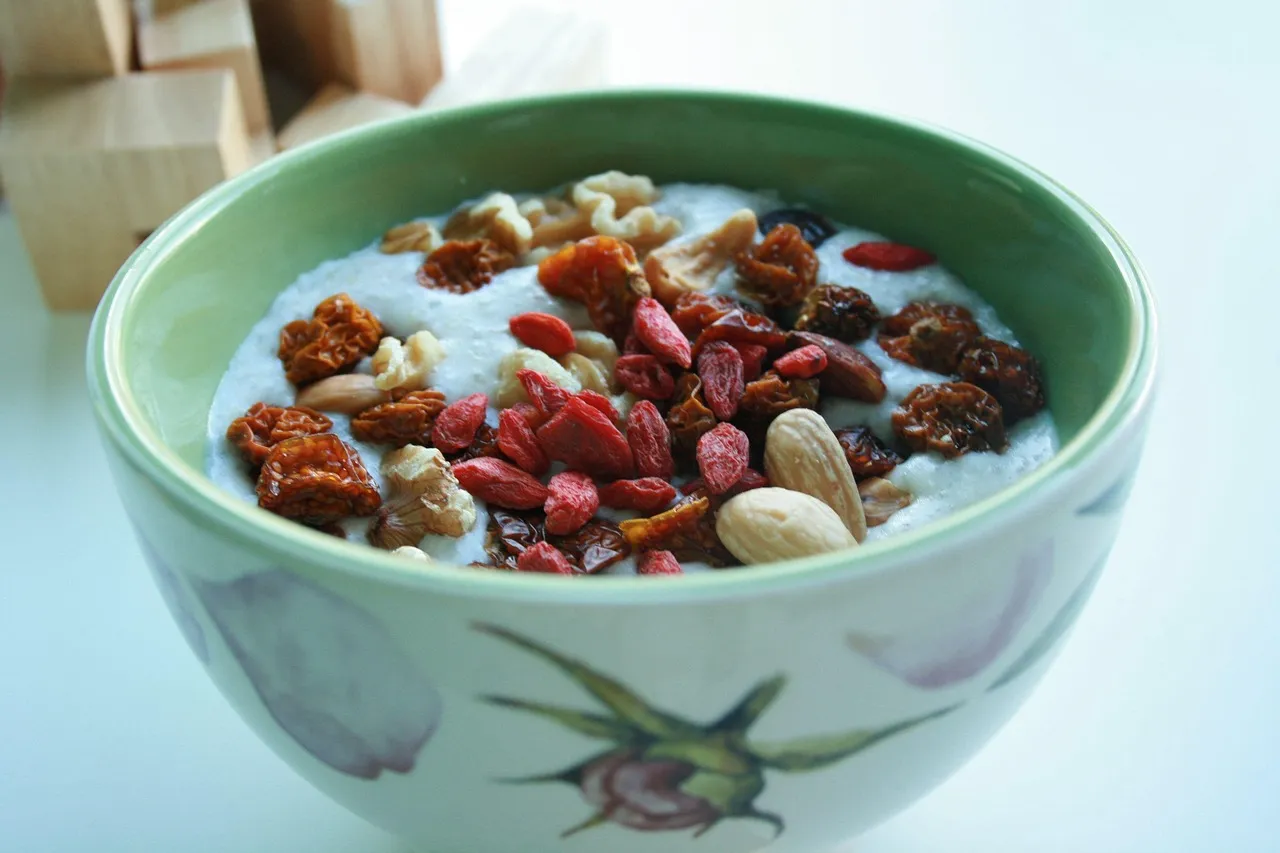
Hot or cold oatmeal might help prepare your body for sleep and keep you full throughout the night. Oats contain magnesium as well as melatonin, the sleep hormone. It’s one of the few foods that provides both at once. You might associate oatmeal with breakfast, but it works just as well as a nighttime snack, ideally with a small serving of berries on top.
The fiber in oats also plays a role. Fiber supports optimal health by regulating the blood sugar response and supporting the gut microbiome, and a 2022 study showed that fiber’s positive impact on the microbiome may be linked to better sleep by supporting the gut-brain axis and reducing symptoms of several sleep disorders.
Cottage Cheese
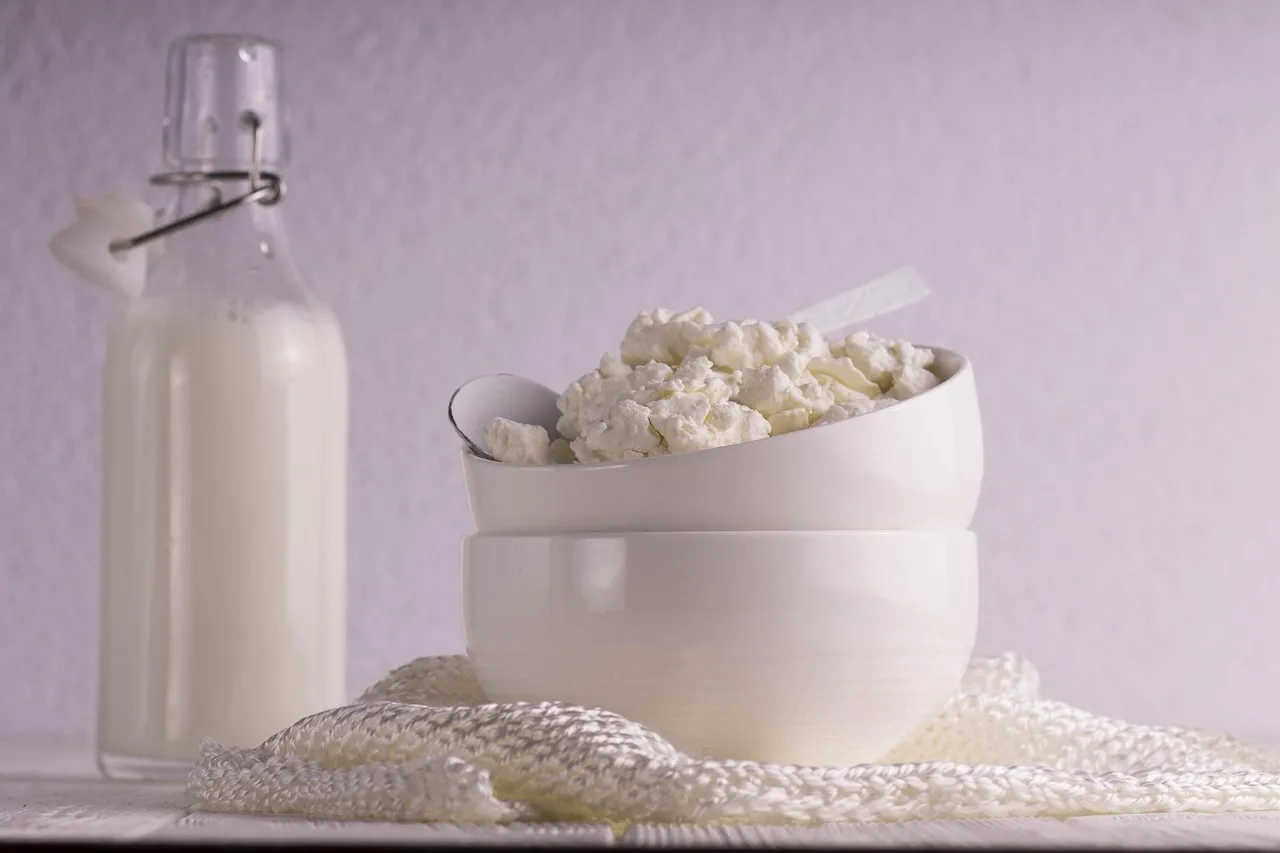
Cottage cheese is rich in casein protein, which digests slowly and supports overnight muscle repair, and is particularly helpful when late-night hunger feels physical rather than emotional. This slow digestion is key. It means you’re less likely to wake at 2 a.m. with hunger pangs pulling you out of deep sleep.
Research suggests that small amounts of protein before bed do not harm metabolism and may even support recovery. Pairing cottage cheese with a few tart cherries or some pineapple gives you both the protein and a light carbohydrate source, which is generally considered the ideal pre-sleep combination.
Peanut Butter on Whole Grain Toast
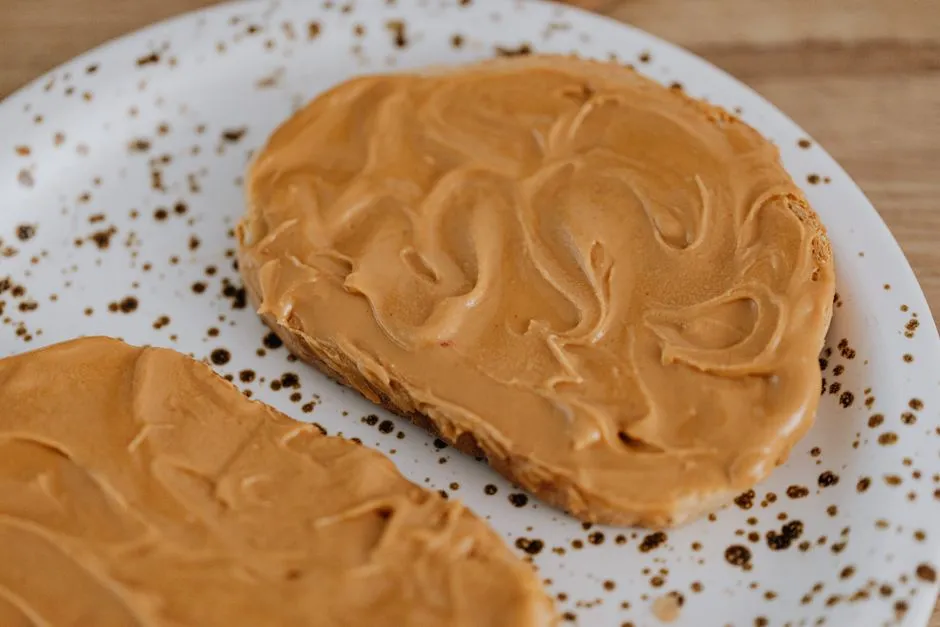
This one shows up repeatedly in the recommendations of practicing sleep physicians. Sleep doctors themselves mention peanut butter on toast as a frequent personal choice before bed. The combination of protein, healthy fat, and complex carbohydrate hits several sleep-supportive targets at once.
The key is to pick foods that contain nutrients and compounds known to promote relaxation and sleep, such as tryptophan, an amino acid that promotes serotonin production. Serotonin is a hormone that helps regulate your sleep, and your body cannot produce tryptophan on its own. Peanut butter is a meaningful source of tryptophan, making this toast a genuinely functional snack rather than just a comfort habit.
What to Avoid Just as Much

The flip side of choosing the right snack is steering clear of the wrong ones. People who consume a lot of sugary foods tend to sleep fewer hours, awaken more often through the night, and experience lighter, less restorative sleep. That alone is a strong argument for cutting the late-night ice cream.
It’s also important not to go to bed too hungry or too full, as being overly full or hungry can trigger insomnia and night waking due to reflux or blood sugar fluctuations. Caffeine, sugary snacks, and spicy or heavy foods can keep you awake, and it helps to finish snacks at least one hour before bed. The goal is balance, not deprivation.
The Takeaway

Consuming caffeine, alcohol, or large meals too close to bedtime can interfere with falling asleep and staying asleep. Sleep and nutrition have a two-way relationship: poor sleep can affect appetite and food choices, while healthy eating habits may help support restful sleep.
The snacks sleep doctors eat before bed aren’t exotic or expensive. They’re tart cherries, a handful of nuts, some yogurt, or a small bowl of oats. Research suggests that a low-calorie, nutrient-dense snack before bed may help you fall asleep faster and stay asleep longer. That’s a pretty good return on a small, thoughtful habit. What you reach for in that last hour may matter more than you’d expect.
AI Disclaimer: This article was created with the assistance of AI tools and reviewed by a human editor.