

Why Dogs Lose Interest So Fast

Research published in the journal Animal Cognition explored the role of novelty in dogs’ toy preferences, with Patricia Kaulfuß from the University of Giessen and Daniel Mills from the University of Lincoln leading the investigation. Their results were clear: dogs chose an unfamiliar new toy roughly three quarters of the time, making it plain that novelty, not the specific toy, drives engagement.
The problem is that new objects can’t stay new forever, so the interest built on novelty tends to fade quickly. Research consistently shows that dogs get bored with their toys fast, and new is almost always perceived as better.
The Science of Neophilia in Dogs

Researchers at the University of Bristol and the Waltham Center for Pet Nutrition concluded, also in Animal Cognition, that dogs show “intense but transient neophilia towards novel objects,” with the key word being “transient.” Neophilia simply means a strong attraction to new things, and it’s deeply wired into canine behavior.
Dogs have evolved as problem-solvers and hunters, meaning their brains are naturally built for mental challenges. When faced with cognitive tasks, their brains release dopamine, a feel-good hormone that reinforces positive behavior and learning. Toy rotation exploits this biological drive in a straightforward, practical way.
What Toy Rotation Actually Means

Toy rotation doesn’t require a large toy collection or a complicated schedule. The idea is simple: you divide your dog’s toys into groups, make only one or two available at a time, and swap them out every few days. The toys that were hidden away feel genuinely new when they reappear.
Both major studies on toy enrichment in dogs have found that enrichment items should be rotated to encourage exploratory behaviors and prevent boredom. Experts suggest aiming for daily mental stimulation of at least ten to fifteen minutes, and rotating toys regularly to keep things fresh and exciting.
The Link Between Enrichment and Problem Behavior

Research into environmental enrichment for dogs shows that its benefits include an increase in the frequency and diversity of species-specific behavioral repertoires, as well as a reduction in stress, anxiety, and abnormal behaviors, alongside improved cognitive abilities. That’s a meaningful list of outcomes from something as simple as toy variety.
Educational toys exercise a dog’s brain and, like a physical workout, leave them with less energy overall. With lower energy levels, a dog is less likely to feel bored and get into mischief, which is why enrichment toys can help prevent problem behaviors such as excessive barking or destructive chewing.
Complexity Matters: Not All Toys Are Equal

A peer-reviewed study published in MDPI’s Animals journal found that while basic toy provision alone did not significantly alter dogs’ activity or cognitive bias, dogs who received more complex toys did show a slightly improved cognitive bias compared to those given simpler options. This suggests that the type of toy you rotate in matters, not just the fact of rotation itself.
Research on environmental enrichment in dogs has reported reduced stress, decreases in abnormal behaviors, increased relaxation, improved cognitive abilities, and reduced barking among dogs receiving enrichment items. Puzzle feeders, snuffle mats, and treat-dispensing toys with varying difficulty levels tend to generate the most lasting engagement.
Enrichment Feeding: Turning Meals into Brain Work
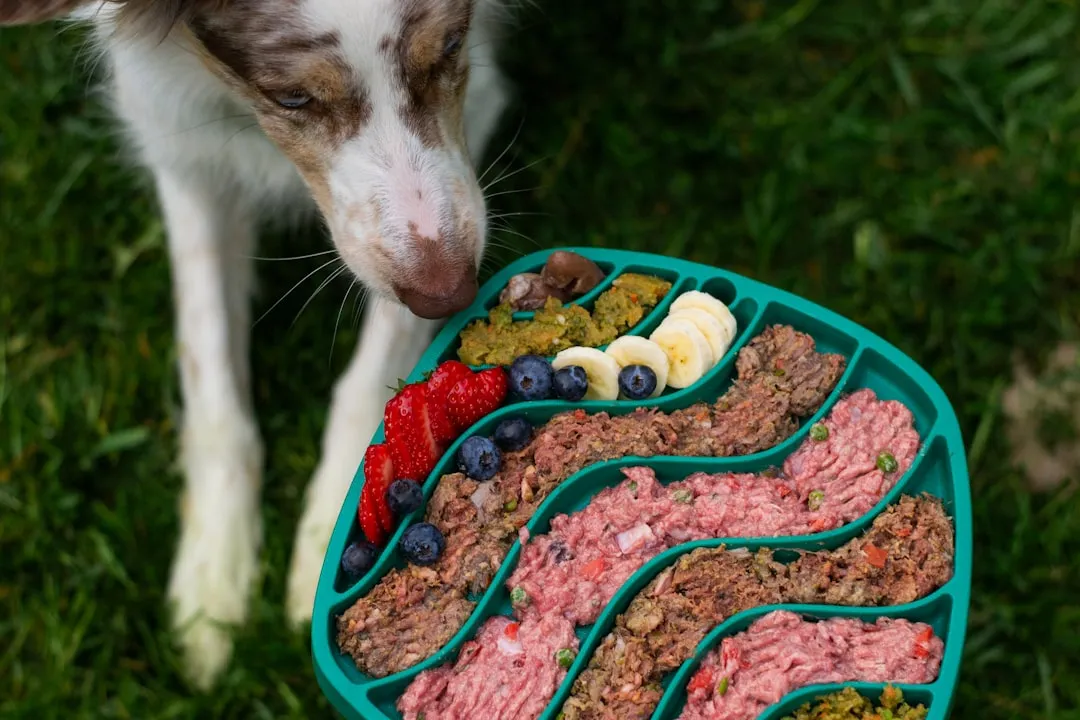
A 2024 study published in Veterinary Record found that nearly all dog owners who used enrichment feeding reported it prevented boredom, and over 98 percent said it provided meaningful mental stimulation (Heys et al., Veterinary Record, 2024). Combining toy rotation with enrichment feeding, like hiding kibble in a rotating puzzle feeder, layers two powerful stimulation strategies at once.
Working for meals engages the full behavioral sequence dogs are wired for, including sniffing, nudging, pawing, and solving, which canine cognition research links to increased confidence, improved focus, and lower stress. Swapping which enrichment feeder your dog uses on a given day adds the novelty component on top of that inherent benefit.
Mental Stimulation and Aging Dogs

Cognitive Dysfunction Syndrome is a common age-related disease in dogs that causes brain deterioration similar to Alzheimer’s disease in humans, and dogs may start developing it around nine years of age or older. The condition may be underdiagnosed because behavioral changes progress slowly, and owners sometimes assume they’re a normal part of aging.
Early intervention with environmental enrichment, diet, and medical management can improve quality of life for dogs affected by Cognitive Dysfunction Syndrome, with regular interaction through play, varied or interactive toys, and regular exercise all helping to stimulate the brain. Longitudinal research has shown that aged dogs treated with behavioral enrichment demonstrate cognitive improvement over time.
How to Build a Simple Rotation System

A practical rotation system doesn’t need to be elaborate. Sort your dog’s toys into three or four small groups. Keep one group accessible, put the others in a bin or cupboard, and swap the accessible group every three to five days. When a previously hidden toy comes back out, most dogs greet it with the same enthusiasm they showed on day one.
Research confirms that the novelty of toys and enrichment items positively impacts dog behavior and improves their welfare, at least in the short term. Building rotation into a regular habit extends that short-term benefit across weeks and months, turning a fleeting effect into a sustained one. Including at least one puzzle or problem-solving toy in each rotation group is a good rule of thumb.
Signs Your Dog Needs More Mental Engagement

Dogs are intelligent creatures with natural instincts to hunt, forage, and problem-solve. Without proper mental engagement, even well-behaved dogs can develop behavioral issues. Common signs that a dog is under-stimulated include restlessness, excessive chewing, persistent barking, pestering the owner for attention, or getting into household items they normally ignore.
Mental stimulation through interactive play helps reduce stress and anxiety in dogs. When they focus on solving a puzzle or finding hidden treats, their minds stay occupied, preventing destructive behaviors that often stem from boredom or excess energy. If those behaviors have crept in, adding or refreshing a rotation schedule is a reasonable first step before assuming a deeper behavioral problem.
Matching Toys to Your Dog’s Individual Style

Not every dog engages with toys the same way. Scent-driven dogs tend to stay engaged longer with snuffle mats and nose-work puzzles. High-energy dogs may prefer toys that involve movement, like treat-dispensing balls they can chase. Calmer dogs often do well with lick mats or slower, stationary puzzles.
Research suggests that interactive games boost positive well-being by combining the rewards of engagement with cognitive and social enrichment, though a gradual introduction to any new toy can promote greater learning and skill, while rushing the process can lead to frustration. Observing which toys your dog returns to during a rotation cycle gives you useful information about their preferences, letting you build a collection that’s genuinely tailored to them over time.
Final Thoughts

Toy rotation is one of those ideas that sounds almost too simple to matter, until you look at what’s behind it. The canine drive toward novelty is real, well-documented, and easy to work with rather than against. A few minutes of organizing your dog’s current toy collection is all it takes to get started.
The broader takeaway is that in 2025 and into 2026, experts broadly agree that mental stimulation for dogs is just as essential as physical exercise. Rotation is one of the most accessible ways to deliver that stimulation consistently. Your dog’s brain, like yours, benefits from variety, challenge, and the small but genuine pleasure of encountering something that feels new.
AI Disclaimer: This article was created with the assistance of AI tools and reviewed by a human editor.