
Too Much Nitrogen Is Sending the Wrong Signal
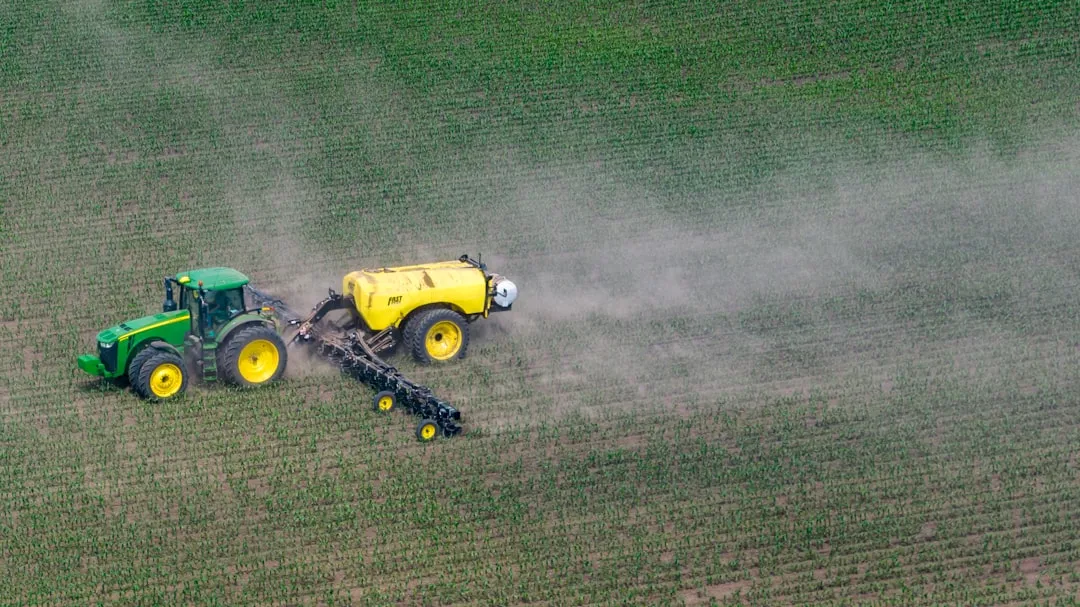
Over-fertilizing your peppers results in bushy plants but delays flowering and fruiting, and it can also shock peppers, causing them to turn yellow and drop leaves. When a plant receives a flood of nitrogen, it reads that as a cue to keep building structure, producing abundant foliage at the direct expense of fruit.
A balanced fertilizer contains equal ratios of phosphorus, nitrogen, and potassium. If you lean too heavily toward nitrogen, you may end up with lush foliage at the expense of fruit, and what fruit does appear can end up smaller than expected. Scaling back nitrogen once plants begin flowering is one of the most effective, and most overlooked, adjustments a home grower can make.
Soil pH Is Locking Nutrients Away from the Roots
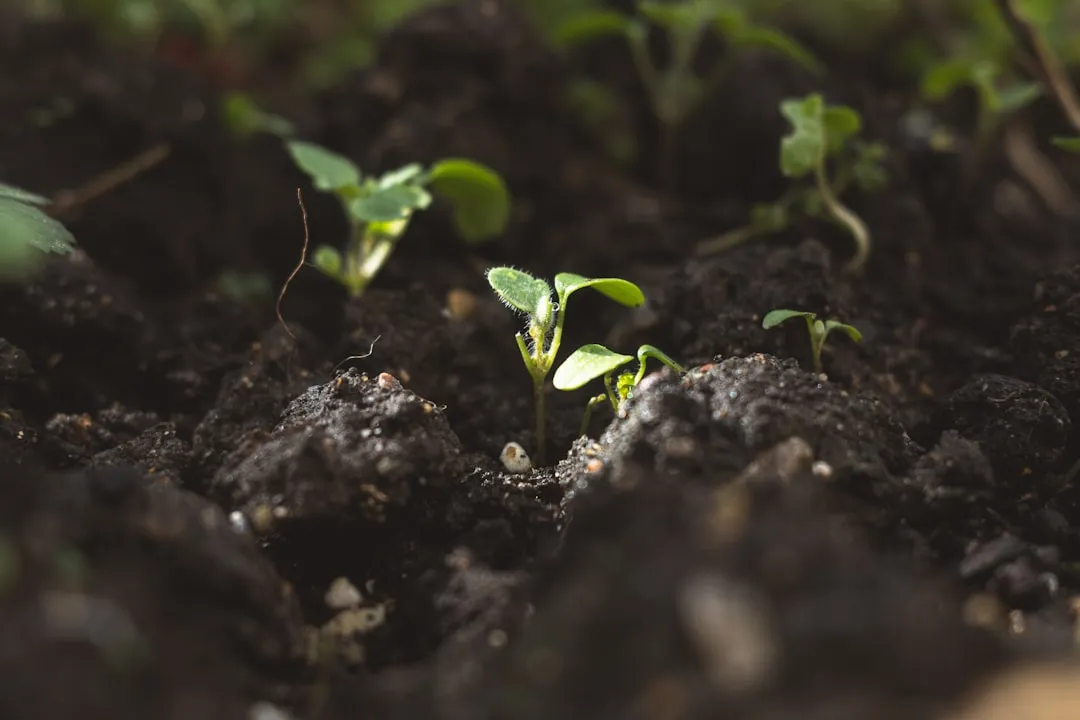
The pH of your soil can have a huge impact on the health and flavor of your peppers. The best soil pH for peppers is 6.0 to 7.0, a range that allows the plant to take up nutrients like phosphorus and magnesium, which are essential for plant growth and development.
If your pepper plants are growing in a very alkaline environment, it affects their ability to take up the essential nutrients they need from the soil. In an alkaline environment, nutrients become less soluble and are more likely to stay in their ionic forms rather than being absorbed by the plant’s roots. In other words, you can pile on fertilizer, but if the pH is off, the roots simply cannot access what’s there.
A fertilizer ratio closer to 5-10-10 or 8-16-16 suits peppers far better than nitrogen-heavy blends, because soil pH governs everything. Nutrients can sit in the dirt and still be invisible to roots if the chemistry is off, per UConn Extension. A basic soil test, available at most garden centers, is the most direct way to find out where you stand.
Temperature Stress Is Quietly Suppressing Growth
Peppers like temperatures ideally above 60°F, and temperatures below 50°F can stunt pepper plants and keep them small. Cold soil is equally problematic, because it slows root activity regardless of what nutrients are present. Many growers transplant too early and never fully recover from that initial setback.
Heat is a major reason too: peppers may hold fruit but size it weakly when the weather is harsh. The ideal temperature for growing bell peppers is between 70 and 80°F during the day and 60 to 70°F at night, and extreme temperatures in either direction can stunt the growth of the peppers.
The increase in global extreme weather events has heightened the frequency of abiotic stresses, such as drought, high and low temperatures, waterlogging, and high salt levels, which impairs pepper growth and development, leading to reduced yield and quality. Climate variability is increasingly a real factor for home gardeners, not just commercial growers.
The Container Is Too Small for the Root System
For container-grown pepper plants, pot size directly affects yield. Plants that are root-bound or grown in undersized containers struggle to absorb enough water and nutrients, which can limit flowering and reduce fruit production.
Most pepper plants perform best in containers that hold at least 5 gallons of soil, allowing roots to spread freely and support healthy, productive growth. Choosing the right container size is critical when growing pepper plants in pots, especially since many pepper varieties grow much larger than expected, some reaching up to 6 feet tall, and need ample soil volume to support healthy root development.
Inconsistent Watering Is Interrupting Fruit Development
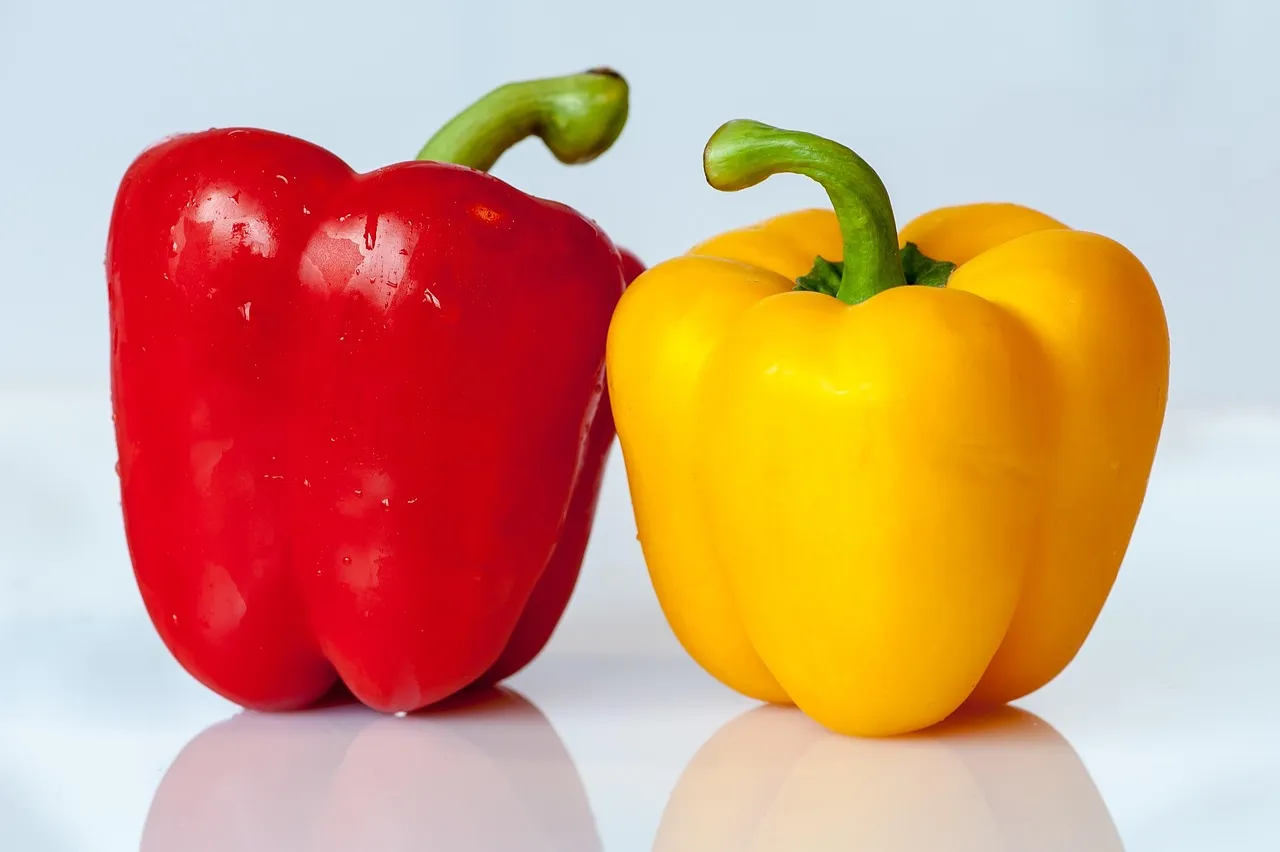
When a normally larger pepper stays undersized, uneven moisture is a common culprit. The plant may have made peppers, but it did not have enough momentum to size them properly. Fruit sizing is a continuous process that requires steady uptake of water and dissolved nutrients throughout the growing period.
Proper irrigation is essential, as both water stress and excessive irrigation can harm pepper plants. Water stress reduces leaf number, total leaf area, transpiration, and photosynthesis, resulting in roughly a 20% reduction in root density. That kind of root damage is invisible above ground, but its effect on fruit size is very visible by harvest time.
Light, frequent watering weakens roots, while deep, weekly watering with proper drainage promotes larger fruit. The goal is consistency, not volume, because peppers respond poorly to cycles of drought and flood.
Pollination Problems Are Stalling Fruit Set
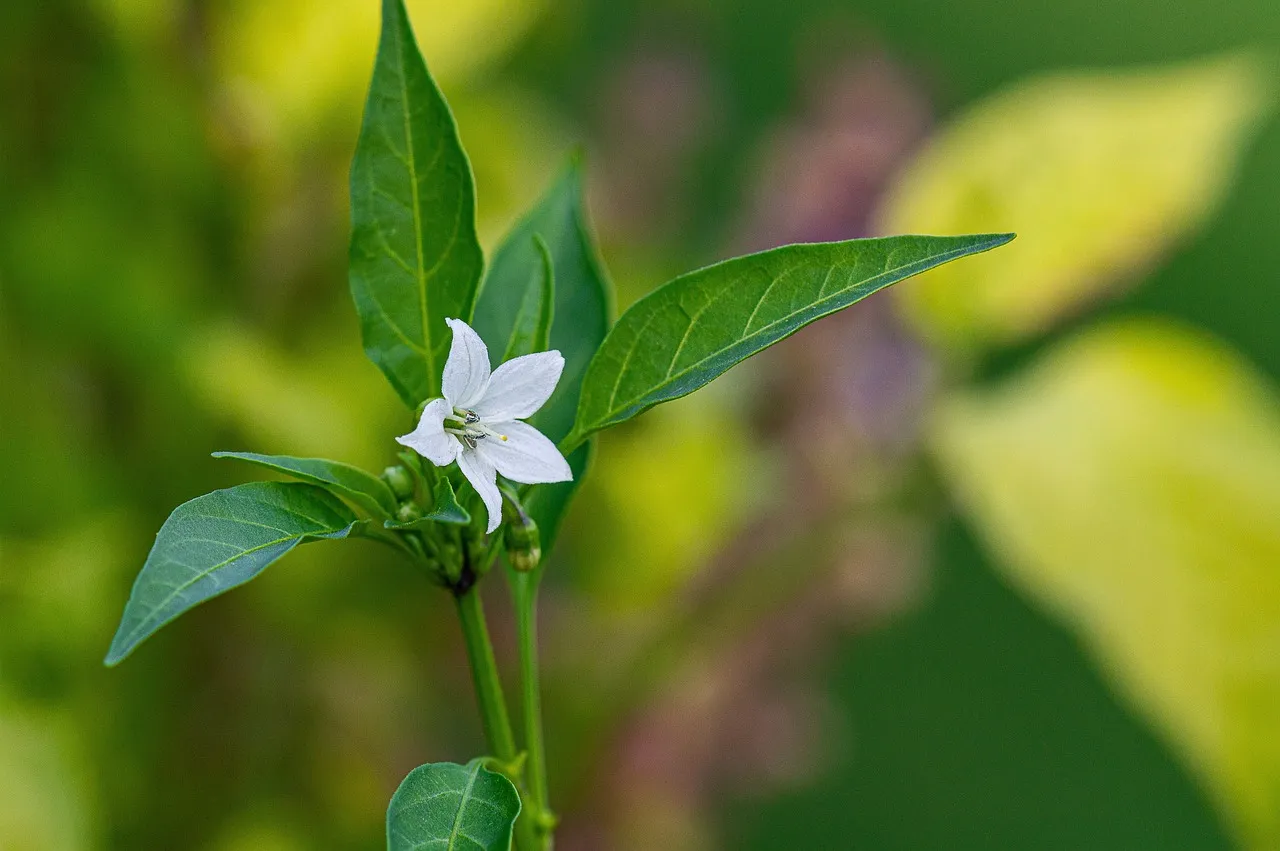
For a pepper flower to develop into fruit, pollen must reach the pistil to complete fertilization. When pollination is incomplete or inconsistent, flowers often drop from the plant without producing peppers, a common issue for indoor growers.
Evidence from research suggests that pollination may be a big factor in cases of poor fruit set. The basic structure of pepper flowers supports this conclusion, since the timing and onset of male versus female flower parts suggest that insect pollination may play a role. Bell pepper flowers produce nectar, a key food source for many pollinators, which is energy-intensive for the plant and typically not done unless necessary.
In gardens with low pollinator activity, or when plants are kept indoors, fruit simply won’t form at the rate or size it should. A soft shake of the plant or a small paintbrush applied to open flowers can substitute for bee activity when needed.
Early Fruit Set Is Draining the Plant Before It’s Ready
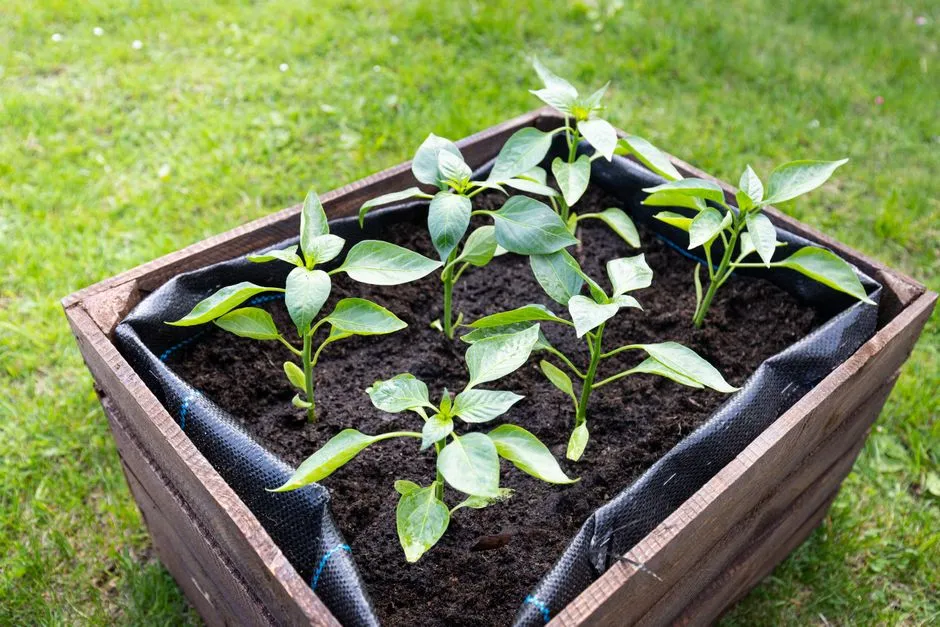
Some younger pepper plants begin producing flowers very early in their growth cycle. This sounds like a good thing, but it often creates a bottleneck. The plant diverts energy into maturing that early fruit before it has built a strong enough root system or canopy to sustain production at full scale.
One of the most common causes of smaller peppers is leaving early fruits to form. During the first few weeks of outdoor growth, removing early forming fruits helps the plant direct more energy into growing roots, branches, and foliage, and that early growth translates to a larger harvest later in the season.
Insufficient Sunlight Is Limiting Photosynthesis
Bell peppers require plenty of sunlight, at least 6 to 8 hours a day, for healthy growth. If they are not receiving adequate sunlight, their growth may be inhibited. Without enough light, the plant simply cannot produce the sugars it needs to fuel fruit development, regardless of what’s in the soil.
Insufficient light, whether under 6 hours daily or from being placed too far from an LED or T5 grow light, limits photosynthesis and keeps peppers small. This is especially relevant for balcony growers or anyone gardening in a space with partial shade. Fertilizer cannot compensate for a fundamental lack of light energy.
Pest and Disease Pressure Is Stealing Growth Potential
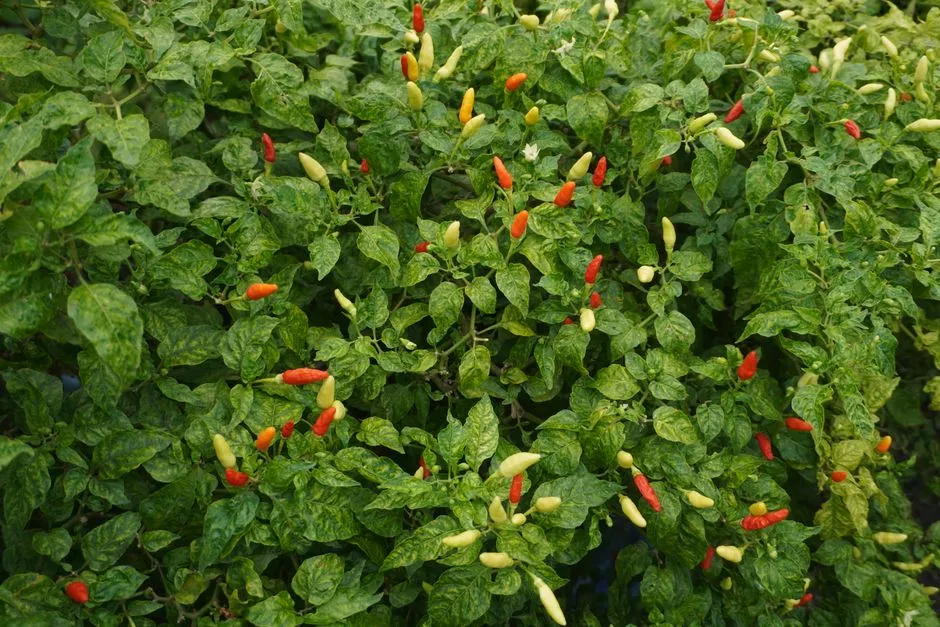
Peppers are not the easiest plants to grow. Pepper plant problems range from insect pests to fungus, and viruses to bacterial infections, not to mention the hazards of too much or too little rain, missing pollinators, and unexpected cool or wet weather.
Verticillium wilt, a fungal infection, shows itself with stunted plant growth and yellowing of the lowest leaves first, followed by shedding leaves and continued yellowing. The most common fungal disease in pepper plants shows up as affected leaves, and destructive strains of fungus can flourish in an environment where there’s too much water. A small pest infestation or low-grade fungal issue can suppress growth in ways that look exactly like a nutrient deficiency, leading growers to fertilize even more, which often worsens the situation.
You May Simply Be Growing the Wrong Variety for Your Conditions
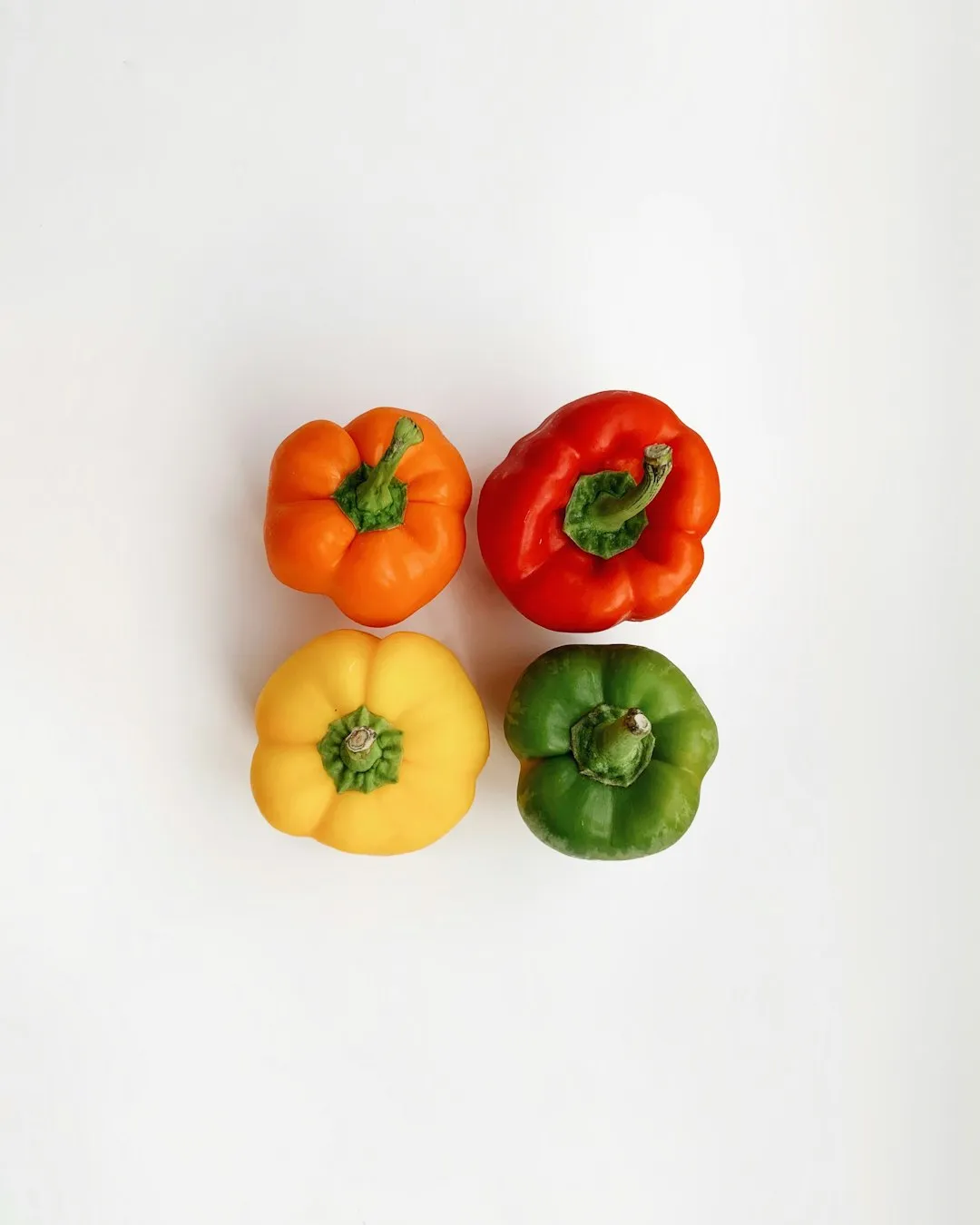
If pepper fruits stay tiny, first ask whether they are supposed to. Some peppers are naturally small, and that is a variety question, not a plant-health problem. It’s an easy thing to overlook, especially when seed packets don’t always make expected fruit size obvious at a glance.
Peppers need a long, warm growing period, strong light, consistent water, and fertility matched to the soil. Starting with the right variety and climate match matters enormously, whether you’re growing a compact sweet pepper, a large bell, a jalapeño, or a long-season hot variety. Trying to push a large-fruited bell pepper in a short, cool season will always be an uphill battle, no matter the feeding schedule.
The Takeaway
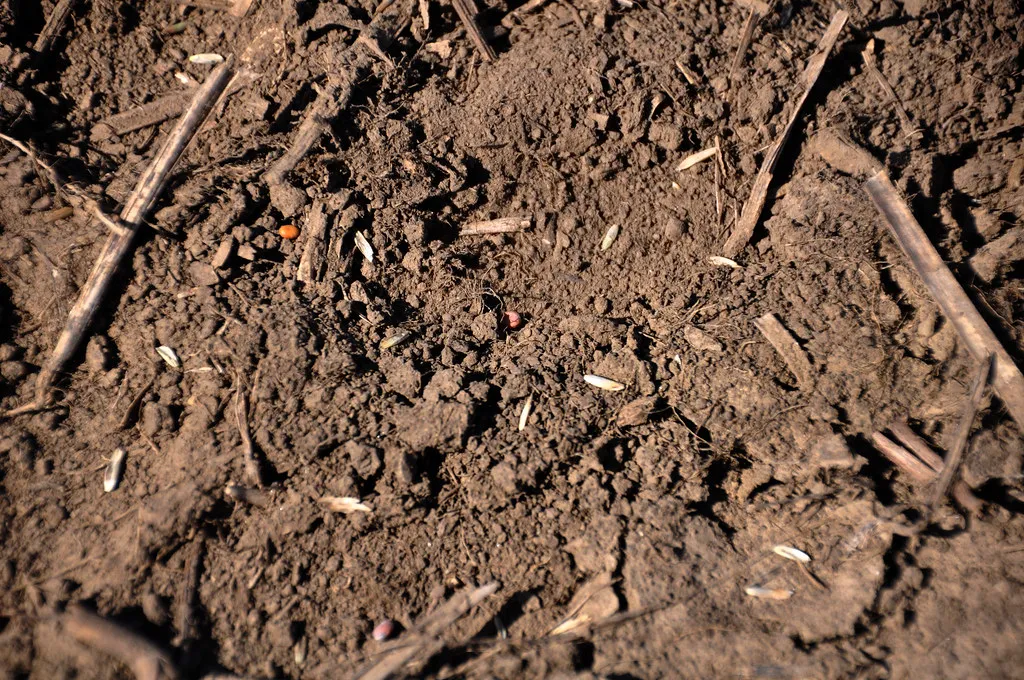
Fertilizer is not a fix-all. Pepper plants are sensitive to a surprisingly wide range of conditions, and when those conditions are off, the plant redirects its energy toward survival rather than fruit production. Soil pH, temperature, watering consistency, light, pot size, and pollination all influence fruit size just as much as the nutrients you’re adding.
Before reaching for another bag of fertilizer, take stock of the full growing environment. A soil test, a thermometer, and a closer look at the plant’s flower and root situation will usually reveal far more than a nutrient analysis alone. Sometimes the most useful thing you can do for a small-fruited pepper plant is simply stop feeding it and fix something else entirely.
AI Disclaimer: This article was created with the assistance of AI tools and reviewed by a human editor.