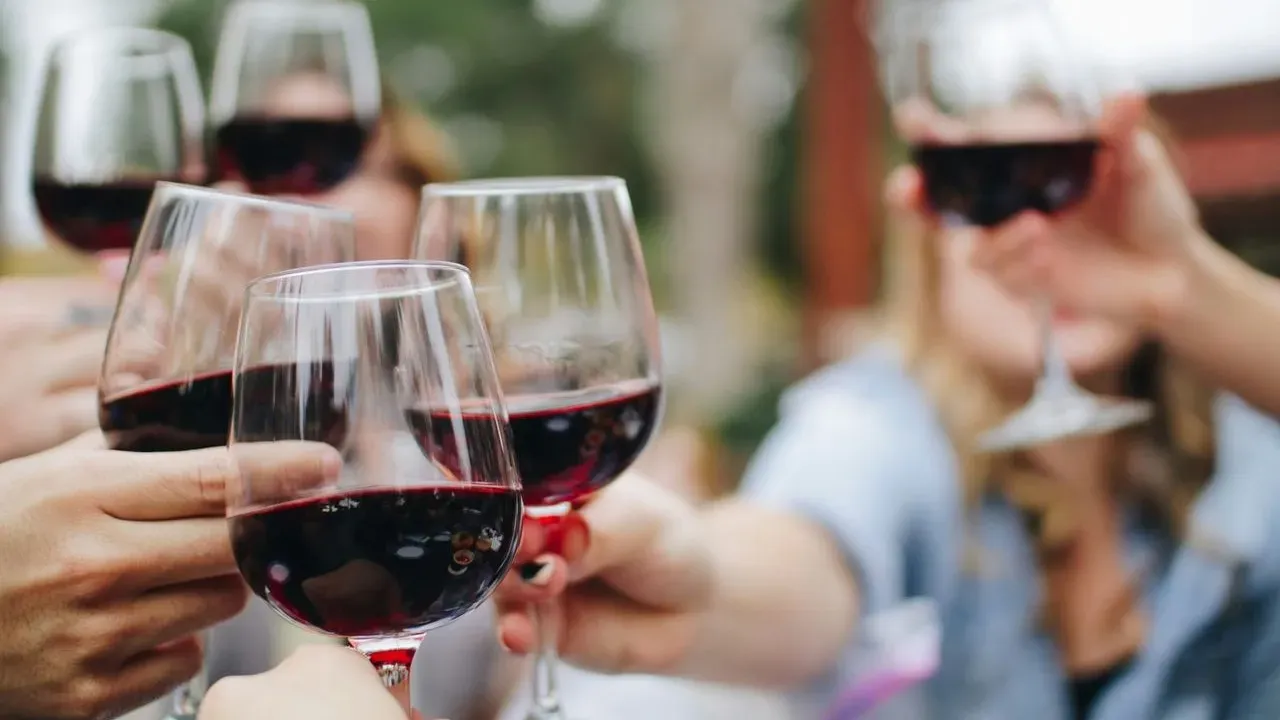

California winemakers are expanding beyond bottles to draw visitors during a period of declining sales and reduced tourism. Special events and classes now sit alongside traditional tastings, with some activities designed to appeal even to people who do not drink wine at all. The shift reflects broader pressures on the industry that have prompted many producers to rethink how they connect with customers. ([1])
Economic Pressures Reshape Priorities
Slumping sales have forced wineries to look for new revenue streams outside their core product. Fewer tourists mean fewer walk-in visitors who might otherwise stop for a tasting or purchase. Producers are responding by creating experiences that stand on their own, whether or not wine is involved.
The change affects a wide range of stakeholders, from small family operations to larger estates that once relied heavily on seasonal foot traffic. Without steady visitor numbers, many facilities face underused spaces and reduced income from direct sales. Events provide a way to fill those spaces and generate activity on slower days.
Events Move Beyond the Tasting Room
Bingo nights, picnic packages, and jewelry-making sessions now appear on winery calendars alongside more conventional offerings. These activities create reasons for people to visit even when they have no immediate interest in purchasing wine. Some sessions are structured as standalone classes or social gatherings that happen to take place on winery grounds.
Picnic setups allow groups to enjoy the setting with food they bring or purchase on site, turning the property into a destination for leisure rather than solely for drinking. Jewelry pop-ups and similar craft events add a retail or creative element that broadens the appeal. In each case, the goal is to make the visit worthwhile regardless of wine consumption.
Reaching Customers Who Skip the Glass
By offering non-wine activities, wineries are deliberately courting people who might never enter a tasting room under normal circumstances. This approach expands the potential audience to include families, craft enthusiasts, and social groups focused on entertainment rather than beverages. The strategy acknowledges that not every visitor needs to become a regular wine buyer.
Classes and events also create opportunities for repeat visits and word-of-mouth promotion. Participants who enjoy a bingo evening or jewelry workshop may return for other activities or eventually try a tasting on a later trip. The model treats the winery as a versatile venue rather than a single-purpose destination.
Longer-Term Implications for the Industry
The pivot raises questions about how wineries will balance these new offerings with their traditional identity. Sustained reliance on events could change staffing needs, marketing approaches, and even the physical layout of some properties. Producers must weigh the short-term benefits against the risk of diluting their core brand over time.
Industry observers note that the trend is still evolving, with different wineries testing formats to see what resonates locally. Success will likely depend on how well each operation integrates events with its existing strengths while maintaining quality across all activities. The coming months will show which approaches gain traction and which fade as conditions shift.
AI Disclaimer: This article was created with the assistance of AI tools and reviewed by a human editor.