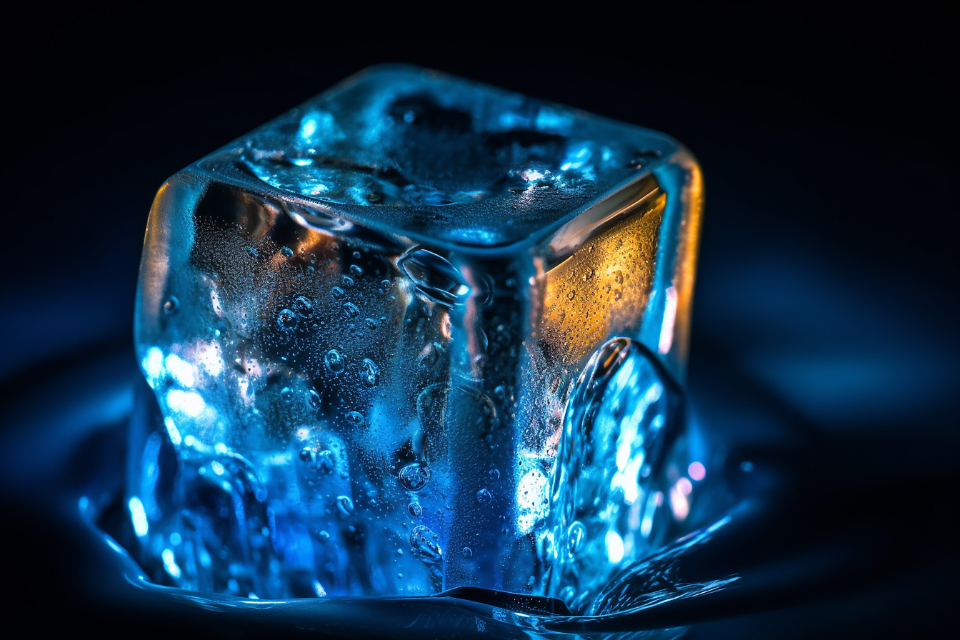

Water Is Not a Normal Liquid When It Freezes
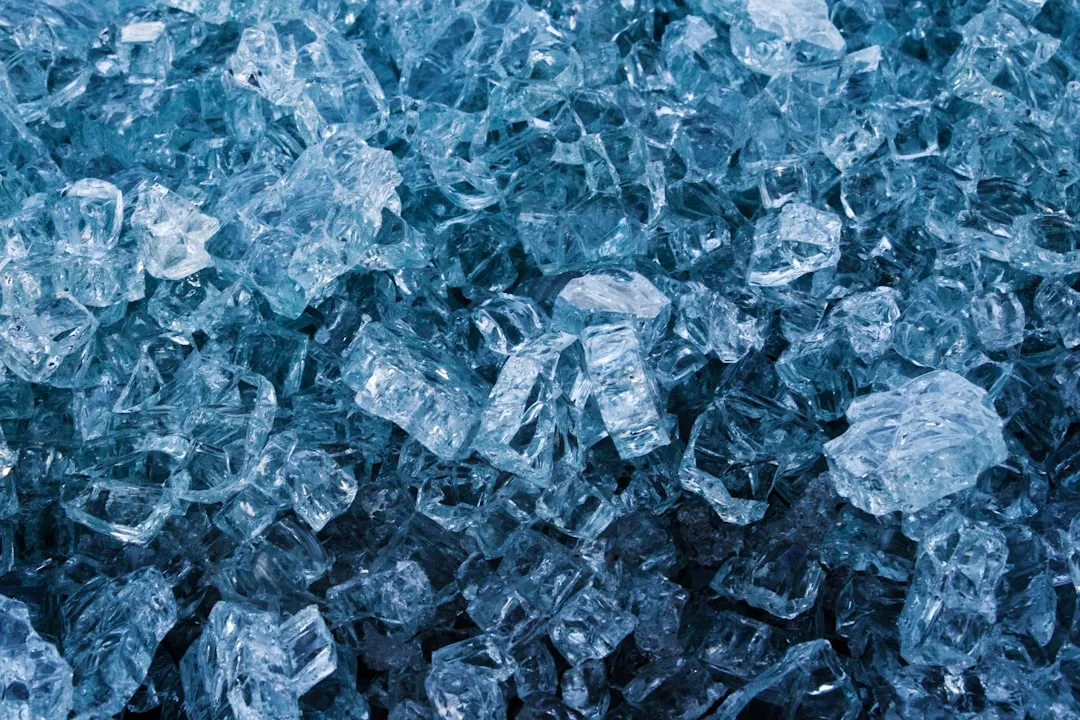
When water freezes, its molecules arrange into a crystalline structure. That structure is less dense than liquid water, and because there are gaps between the molecules, the overall volume increases. Most people know water expands when it freezes, but few appreciate just how forcefully it does so.
A given volume of liquid water increases by roughly nine percent after it turns into ice. A 100 mL container of water, once fully frozen, would need about 109 mL of space. That nine percent push is what starts the whole cracking story.
That modest nine percent increase in volume might sound gentle, but when water freezes in a confined space it is practically unstoppable, and the pressure it builds can be enormous.Freezing Happens From the Outside In
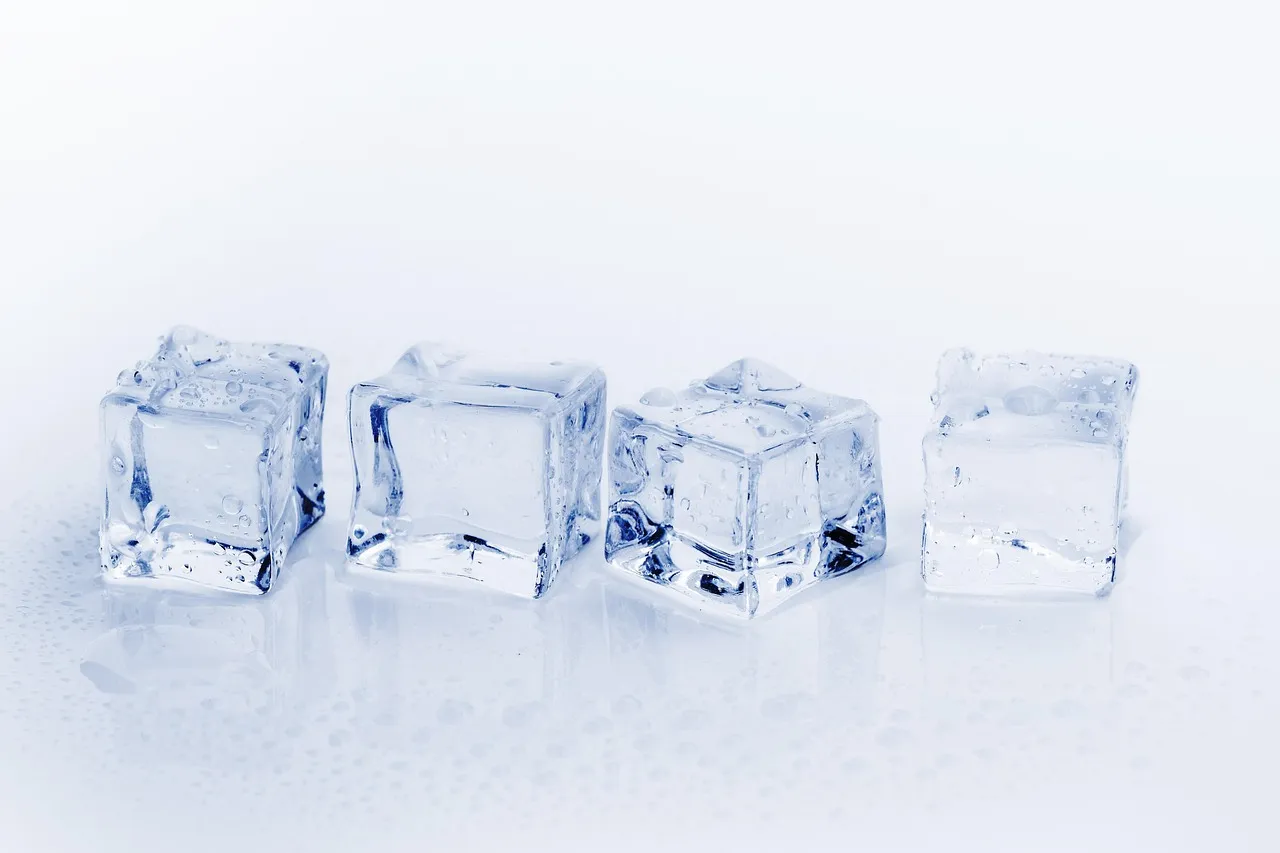
The water in the middle of an ice cube is trying to expand but is prevented from doing so by the freezing of the outer surfaces. This is the central drama playing out inside every ice cube tray. The edges and bottom of each compartment freeze first, locking in a rigid shell before the interior has solidified.
Ice made in plastic trays will have a little mound on the top of each cube because the top edges freeze first, and then as the rest of the water solidifies it pushes up through the weaker center. That upward push is the cube venting its internal pressure the only way it can.
This tends to build up very high stresses in the ice cube which are relieved by cracking. Those stress lines form in predictable places because the geometry of every identical tray pocket is, well, identical.
The Tray’s Design Points to Weak Spots
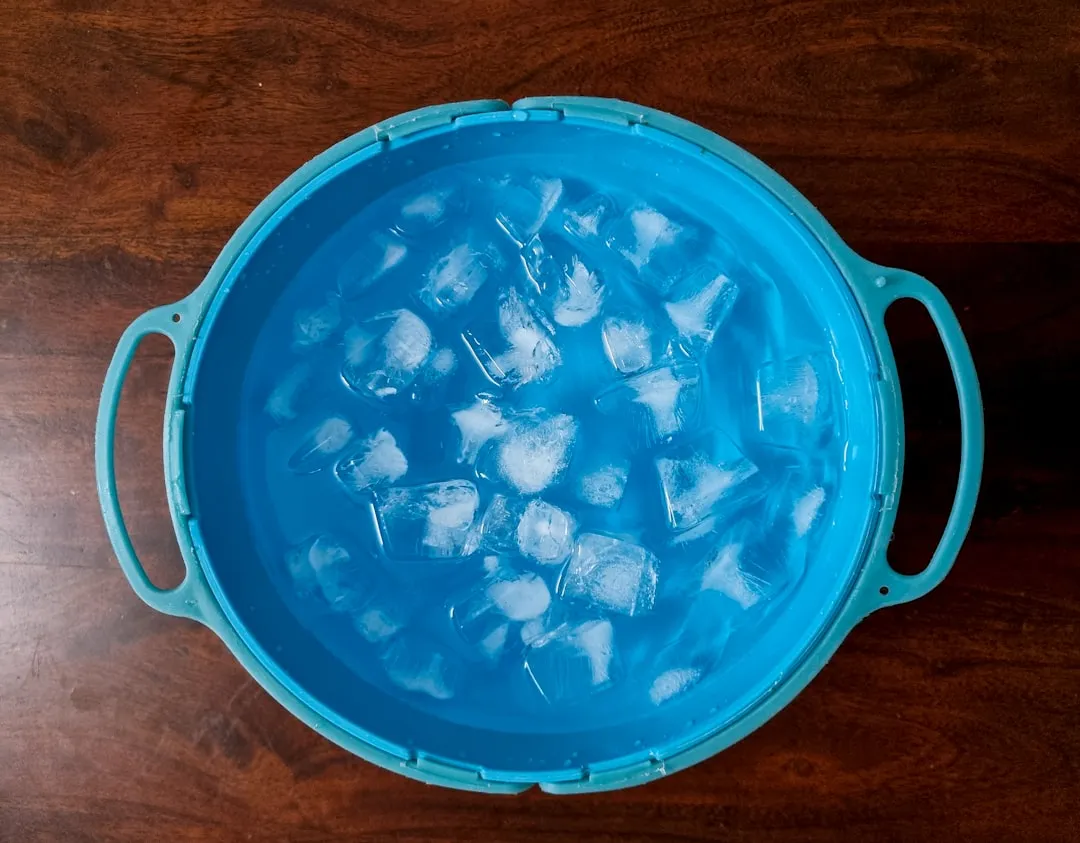
Flexible plastic ice cube trays are in widespread use and are typically of monolithic construction, having a multiplicity of ice cube compartments in a rectangular array with intervening flexible divider portions. Those thin dividers between cells are the exact areas where mechanical stress concentrates when you twist the tray.
The stress concentration areas in the corners of the cube when a tray is flexed to dislodge the ice are by design. Engineers actually studied this problem closely, and US patent documentation confirms that corner stress is a known and measurable force during cube ejection.
The divider walls of a tray are thinner than the base or outer rim, so any flex or twist channels stress directly toward those thinner sections. Every tray of the same model has the same thin spots, which is why every tray of the same model cracks in the same place.
Uneven Freezing Creates Internal Stress Lines
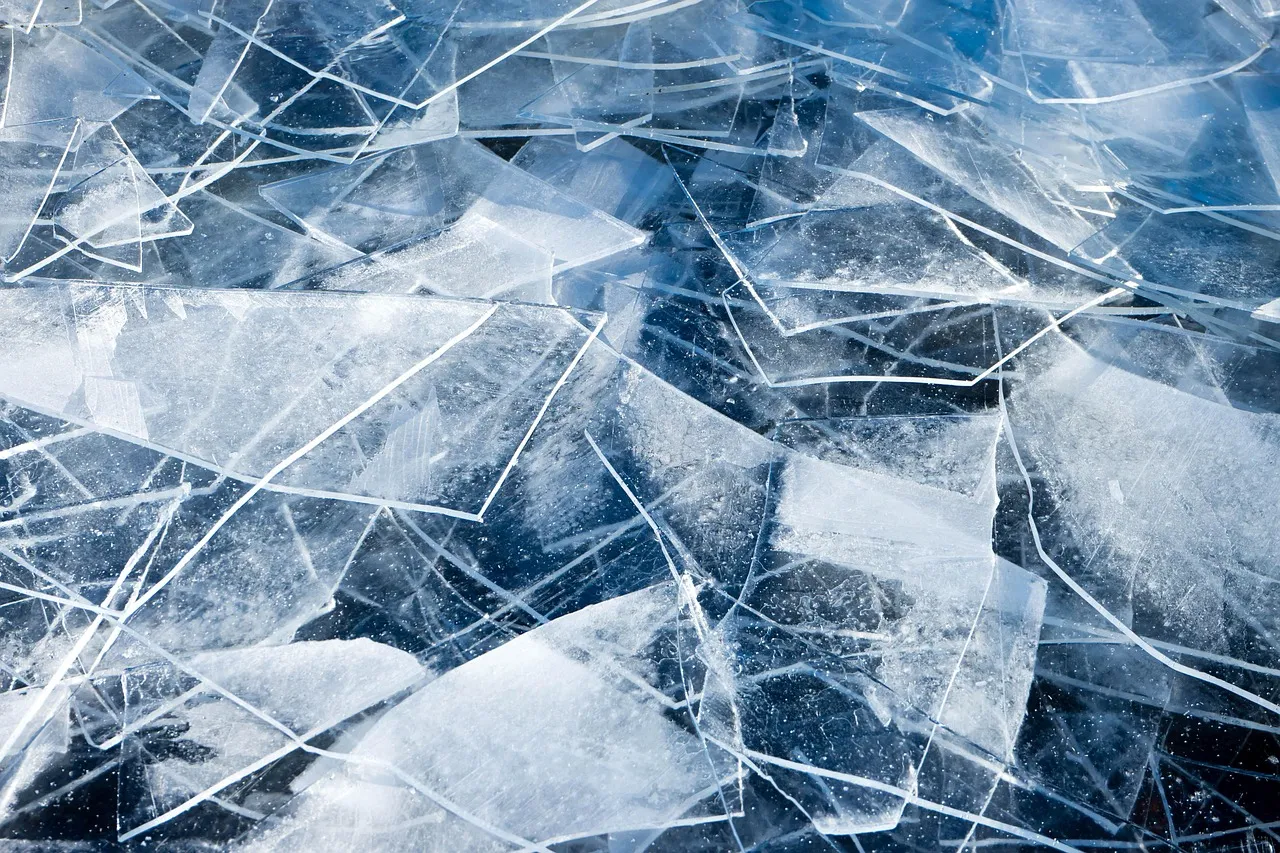
If the water in ice cubes froze unevenly, the cubes can form internal stress lines. These small fractures weaken the structure of the ice, causing it to crumble when flexed. These lines are essentially pre-fractures, waiting for the mechanical twist that releases the cubes to finish the job.
When water quickly freezes in a refrigerator, it expands, and since it does not freeze all at once, stresses and cracks are introduced. The quick freezing of cubes also causes some of the air dissolved in the water to come out and form tiny air bubbles, adding more stress points.
Those air bubbles are not random. They tend to collect along the same internal paths in each cube, because the thermal gradient inside the tray – coldest at the bottom, slightly warmer at the top – follows the same pattern every single time you freeze a batch.
Thermal Shock Does a Lot of the Damage
The temperature change between the chilly freezer and the often warm kitchen or bar area can lead to shattering due to thermal shock when ice cubes are pried from their tray. Thermal shock is not just a dramatic term – it describes a real mechanical failure mode where rapid temperature change creates a differential in expansion across a brittle material.
Ice will crack when a room-temperature beverage is poured over it due to thermal stress. Like other solids, ice shrinks when it gets colder and expands when it is warmer. If ice comes from the freezer very cold and a warm beverage is poured over it, the outer layers of the ice will warm first and expand, while the insides won’t expand. The ice cracks under these circumstances because it is brittle and cannot change its geometry without breaking.
The same logic applies the moment you pull a frozen tray out and start working with it at room temperature. The outer surface of each cube begins warming before the core does, creating tension at exactly the same structural weak points the tray geometry already established.
Rigid Plastic Trays Make the Problem Worse
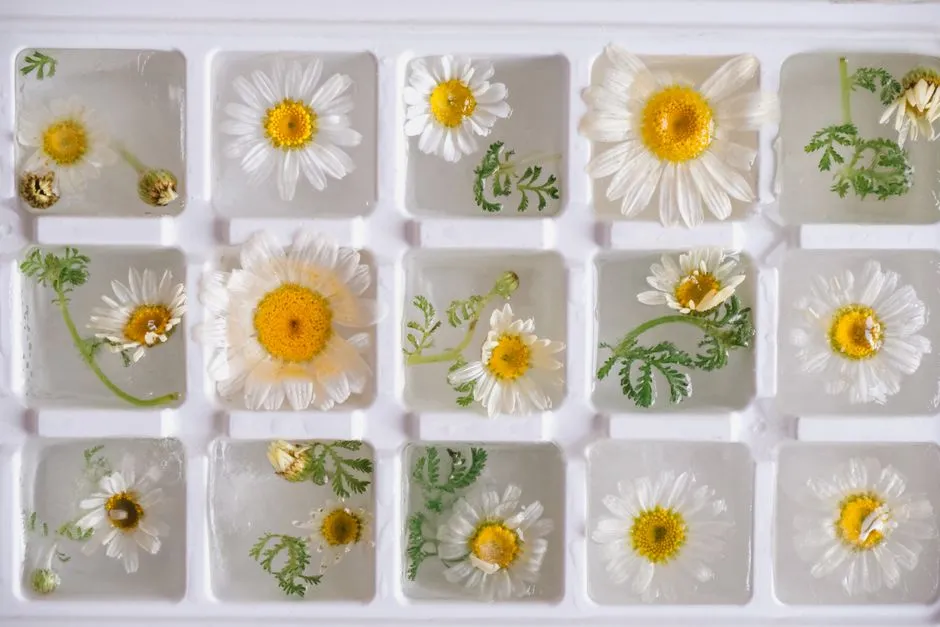
Just because rigid plastic trays may be one of the common choices doesn’t mean they’re the best. Both the amount and type of force required to remove ice cubes from a typical rigid tray risk cracking even the best cubes. Hard plastic does not yield. Instead of flexing away from the ice, it forces all the release pressure directly into the cube itself.
Rigid plastic trays don’t flex easily. As you twist or bang them on the countertop to release the cubes, ice can break before it releases cleanly. Banging the tray on a counter compounds the problem by sending an impact shock straight through the frozen structure.
Typical resins employed in ice tray manufacturing include polyethylene, polypropylene, and equivalent resins, which remain resilient at low temperature and do not adversely affect water quality. However, “resilient at low temperature” does not mean flexible enough to release ice without stress, particularly in older or cheaper trays where the plastic has stiffened over time.
Hard Water and Minerals Shift Where Cracks Form
For some people, the problem starts before the water even comes out of the tap. Hard water, with its high levels of dissolved minerals and other solids, can disrupt typical freezing patterns and lead to air pockets and other irregularities that result in shattering when removed.
The way dissolved minerals reduce the expansion of water as it freezes is another effect at play. Dissolved minerals can reduce the expansion of water during freezing. This changes the internal pressure profile inside each cube, potentially shifting where stress lines form – though not eliminating them.
Research published in 2025 in the journal ACS Nano confirmed that minerals suspended in water affect its freezing behavior at a structural level. The presence of minuscule mineral particles can significantly suppress the volume expansion of water upon freezing. Colloidal calcite precipitates are able to reduce water expansion by a substantial margin at low temperatures. In a standard tap water ice cube, this means mineral content is actively reshaping the internal stress map of every cube you make.
Freezer Position Affects Brittleness
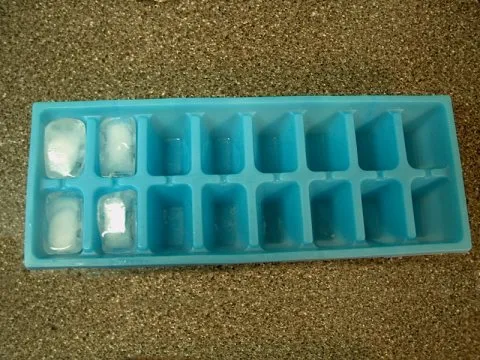
If a tray is closer to the back, closer to the side, or always on top when trays are stacked, it will freeze faster. The faster it freezes, the more brittle it will be. This is a detail most people never think about, yet it reliably explains why one tray in a freezer always cracks while another from the same pack does not.
Proximity to the freezer’s cooling elements matters because rate of freezing directly affects crystal size within the ice. Faster freezing tends to produce more jagged internal crystal boundaries, which behave as natural fracture lines. Slower freezing produces a more uniform crystalline structure that holds together better under mechanical stress.
The bottom tray sits on the shelf with the cooling tubes under it, freezing the water at the bottom quite fast. The water in a tray stacked above keeps the water at the top of the bottom tray from freezing as quickly, upsetting the formation of ice. Position in the freezer, in other words, is not trivial.
The Tray’s Own History Plays a Role
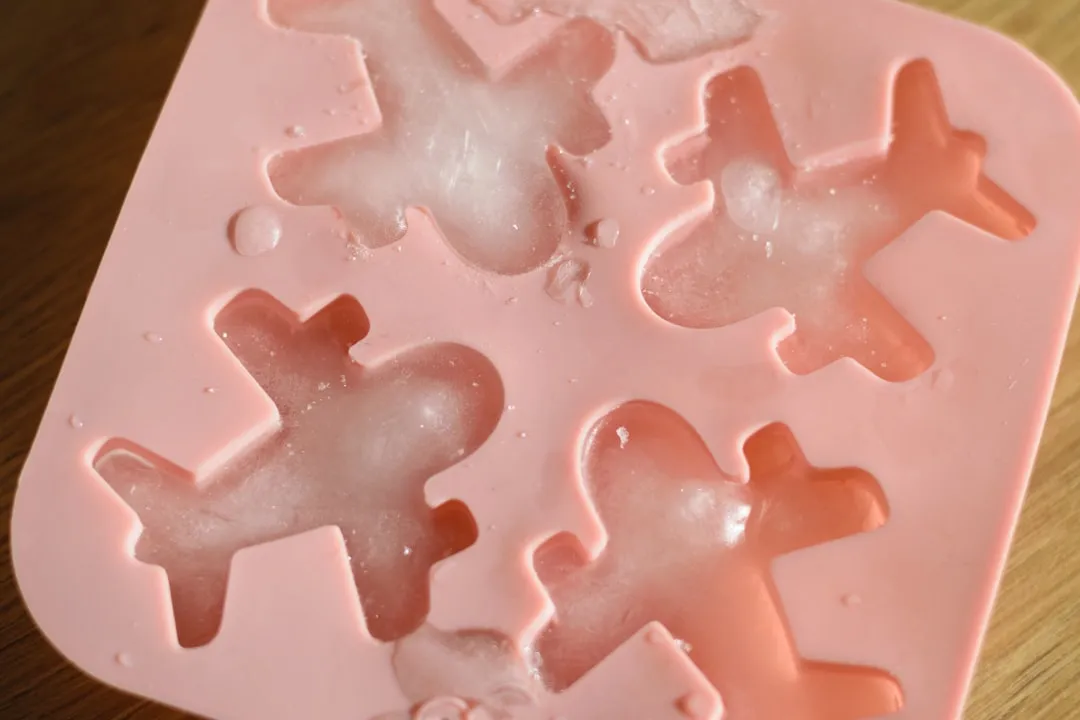
Plastic is not permanent. Every freeze-thaw cycle stresses the tray material itself, and over many uses, micro-fatigue accumulates in the same high-stress regions where the tray flexes most. Those regions line up almost exactly with the spots where the ice tends to crack, because both the tray and the ice are responding to the same geometry.
Hard plastic trays are rigid and stackable, but they can crack over time and sometimes retain odors. A tray that has been twisted hundreds of times has stress-weakened material at its flex points. When those flex points are consistently in the same location, the ice that sits directly against them is more likely to crack there too, because the tray’s slight deformation alters the shape of the ice pocket over time.
In filling, or in cases where the ice cube tray is tilted before freezing, water tends to overflow from one cavity to another and in some instances causes a frozen connection between adjacent cavities that is difficult to break loose, and cracking or shattering of the tray often results. Over time, a tray that is consistently overfilled will crack in consistent spots because the overflow always bridges the same divider walls.
Silicone Trays Largely Break the Pattern
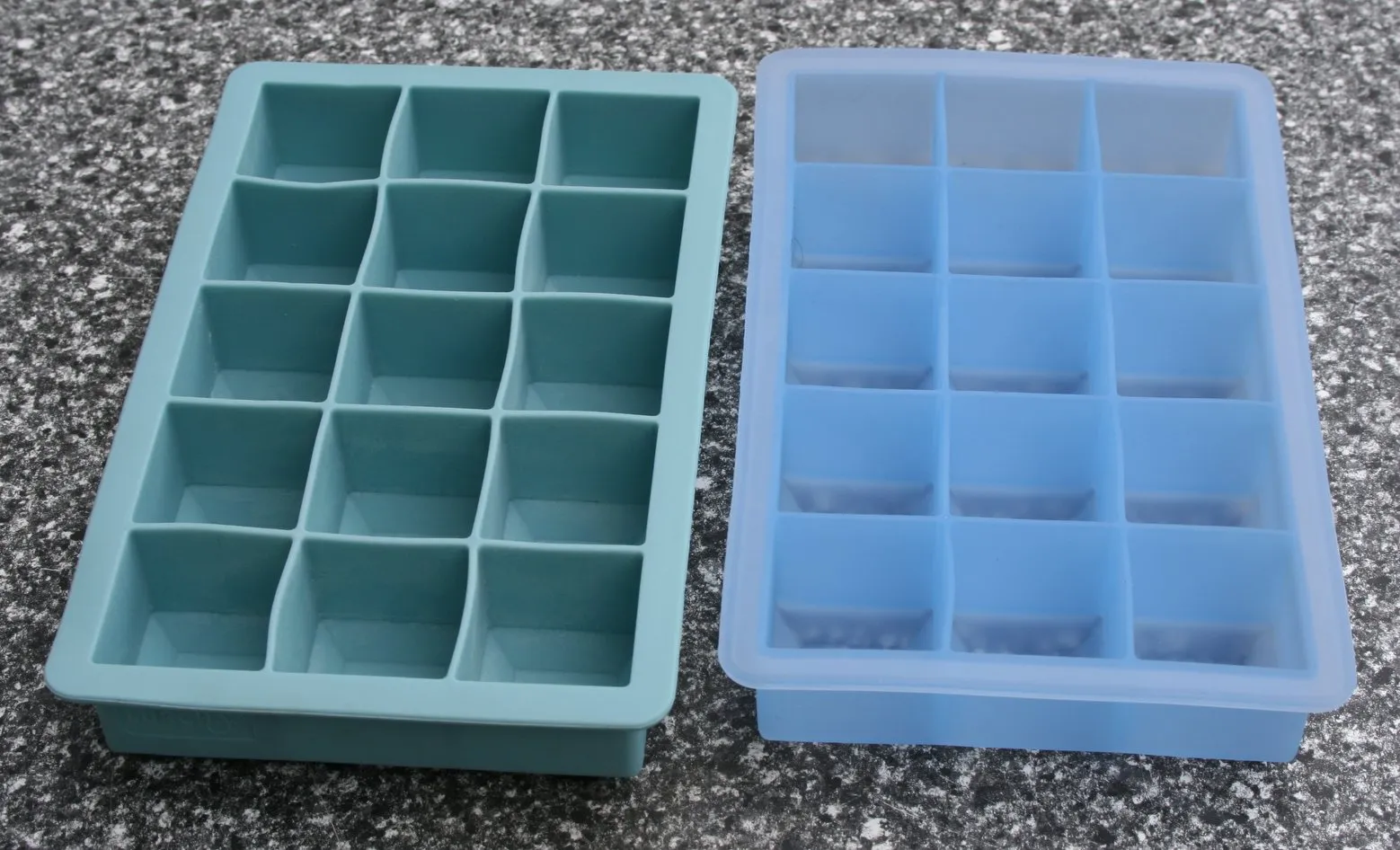
Silicone bends and flexes without losing its shape, making it ideal for products like ice cube trays. Unlike plastic, silicone is not prone to cracking or breaking under pressure, making it more durable and long-lasting than hard plastic. The key difference is that silicone releases the ice through gentle flex rather than transmitted force, so the mechanical stress never reaches the cube itself in the same way.
With a silicone tray, you push the bottom of each pocket outward and the cube lifts free. The tray absorbs the deformation instead of the ice. This breaks the entire chain of events: no concentrated stress point, no predictable crack location, no frustration.
Filtering water removes minerals and air bubbles that can cause fractures. For even smoother cubes, try boiling your water before adding it to the tray. Combining filtered or boiled water with a flexible silicone tray addresses the problem from two directions simultaneously, which is why the combination works so reliably well.
Final Thoughts
The crack that appears in the same spot every time is not a coincidence or a manufacturing flaw. It is a predictable outcome of geometry, physics, and material behavior all converging in the same place, every single time. The tray’s thin divider walls, the ice’s internal stress lines from outside-in freezing, the brittleness amplified by fast freezing, and the thermal shock of ejection – all of these forces point to the same location.
Understanding why it happens also makes the fix obvious. Slow the freeze, soften the tray, clean up the water, and handle the tray gently after it comes out of the freezer. The physics does not change, but the outcome can.
There is something quietly satisfying about a whole, intact ice cube dropping cleanly into a glass. It turns out getting there is less about luck and more about knowing which forces you are actually dealing with.
AI Disclaimer: This article was created with the assistance of AI tools and reviewed by a human editor.