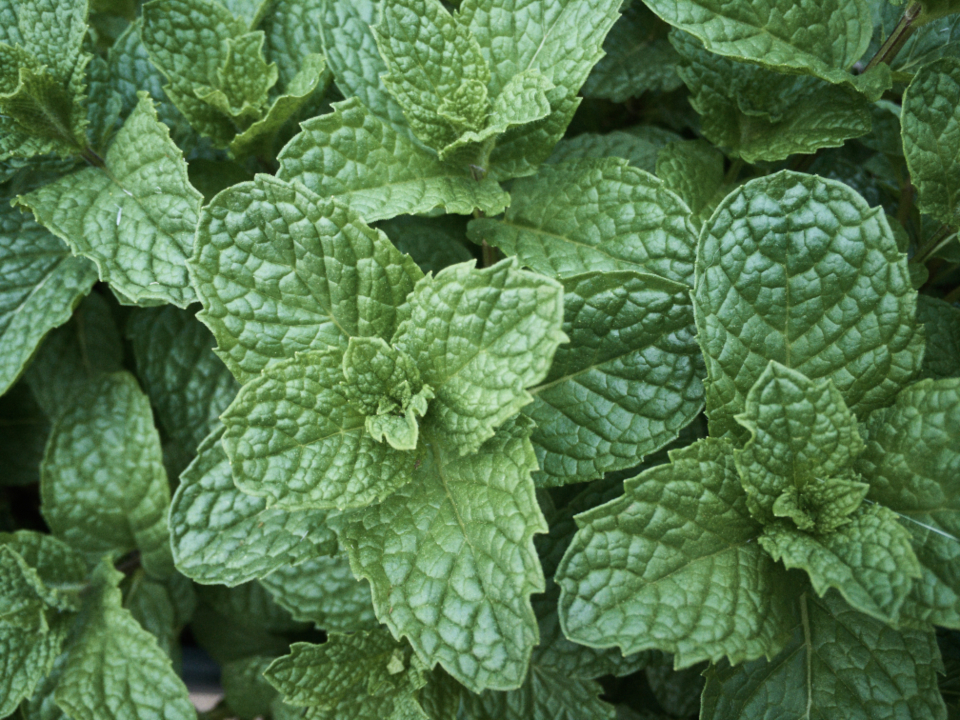

Mint’s Secret Weapon: Underground Rhizomes
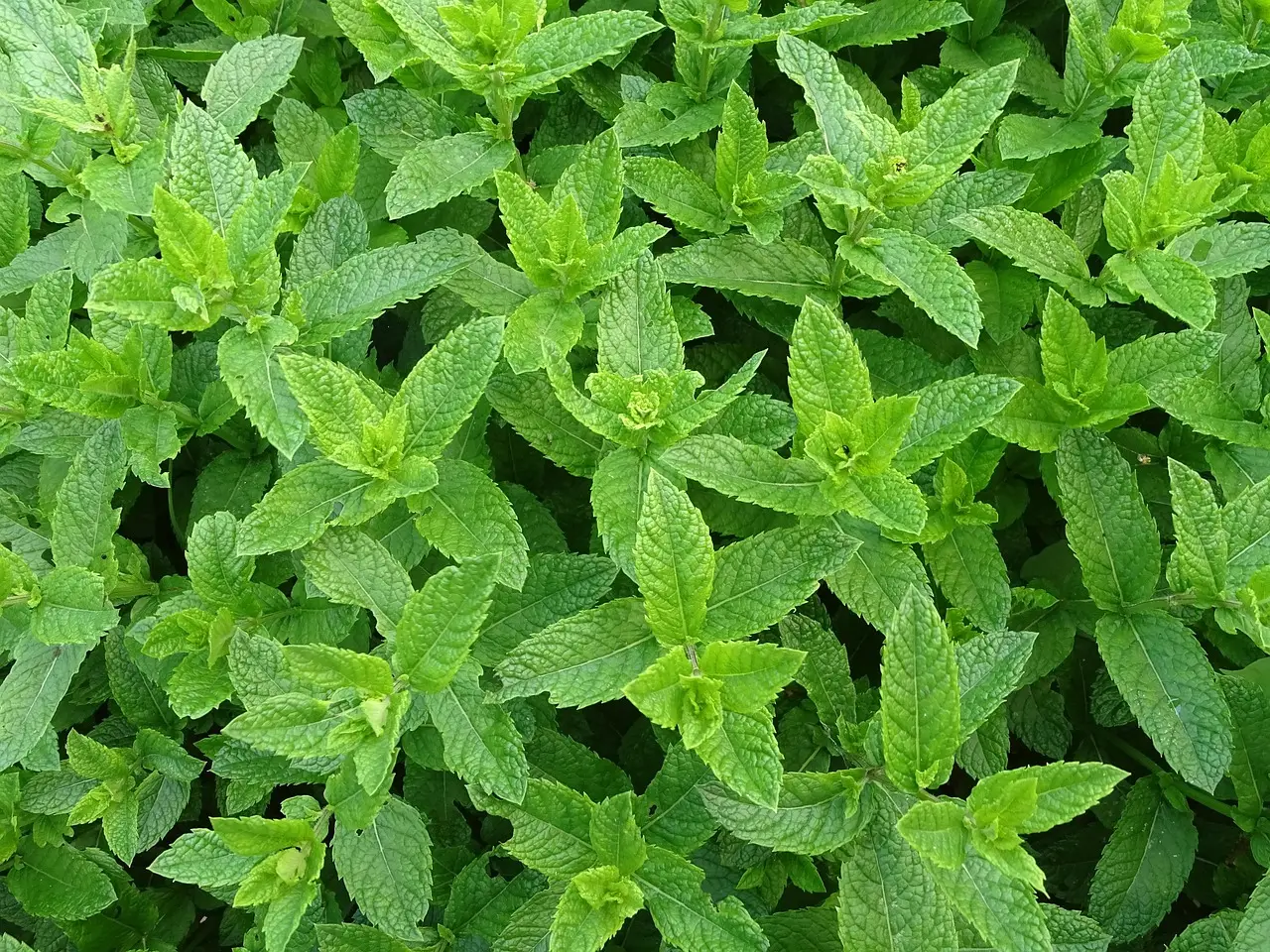
Mint spreads primarily through underground stems called rhizomes, which grow horizontally and send up new shoots, allowing the plant to colonize surrounding soil rapidly and aggressively. This isn’t casual growth. Its aggressive rhizomatous growth enables it to spread rapidly underground, colonizing soil up to 2 feet deep and 3 feet wide per season.
Rhizomes are horizontal root-type structures that are actually modified and specialized underground stems growing horizontally along the soil surface or just below it, and they also serve as storage organs containing the plant’s food reserves. Think of them as a self-sustaining expansion system that never really sleeps.
Rhizomes can survive winter and resume growth in spring, making mint perennial in zones 3 through 11. That cold-weather resilience is one of the reasons mint feels almost unstoppable once it gets going.
One Plant Can Take Over an Entire Bed
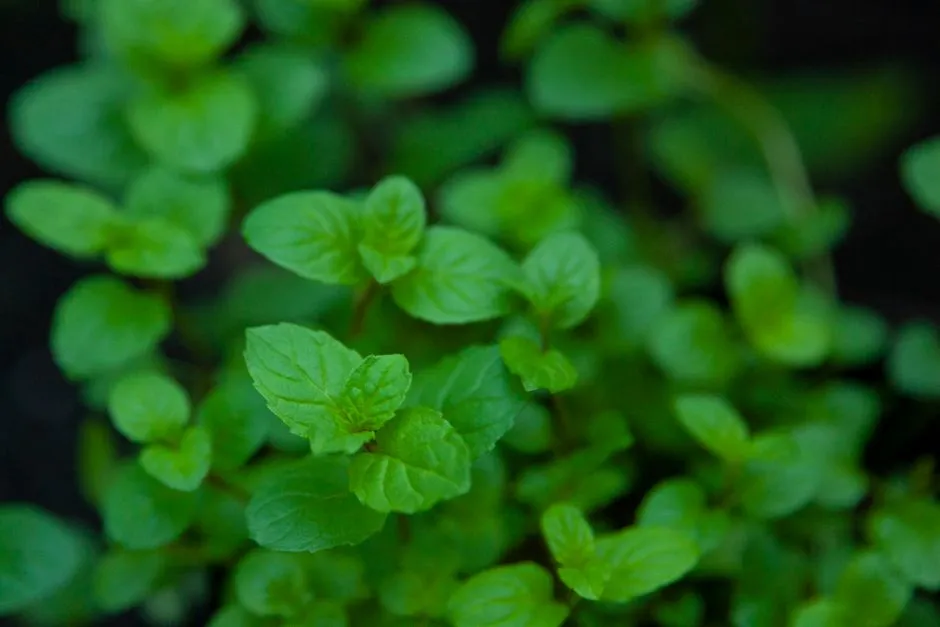
Left unchecked, a single mint plant can dominate 10 or more square feet of garden bed within one growing season. That’s not a cautionary tale. That’s documented botanical behavior.
Even small rhizome fragments left in soil can regenerate into new plants. So every time you dig near mint, pull it, or disturb the soil, you may be helping it multiply rather than controlling it. This explains why mint thrives along pathways, near compost piles, and in raised beds with shared soil contact: every time you till, dig, or transplant nearby, you unintentionally fragment and redistribute rhizomes.
Mint Doesn’t Even Need Seeds to Spread
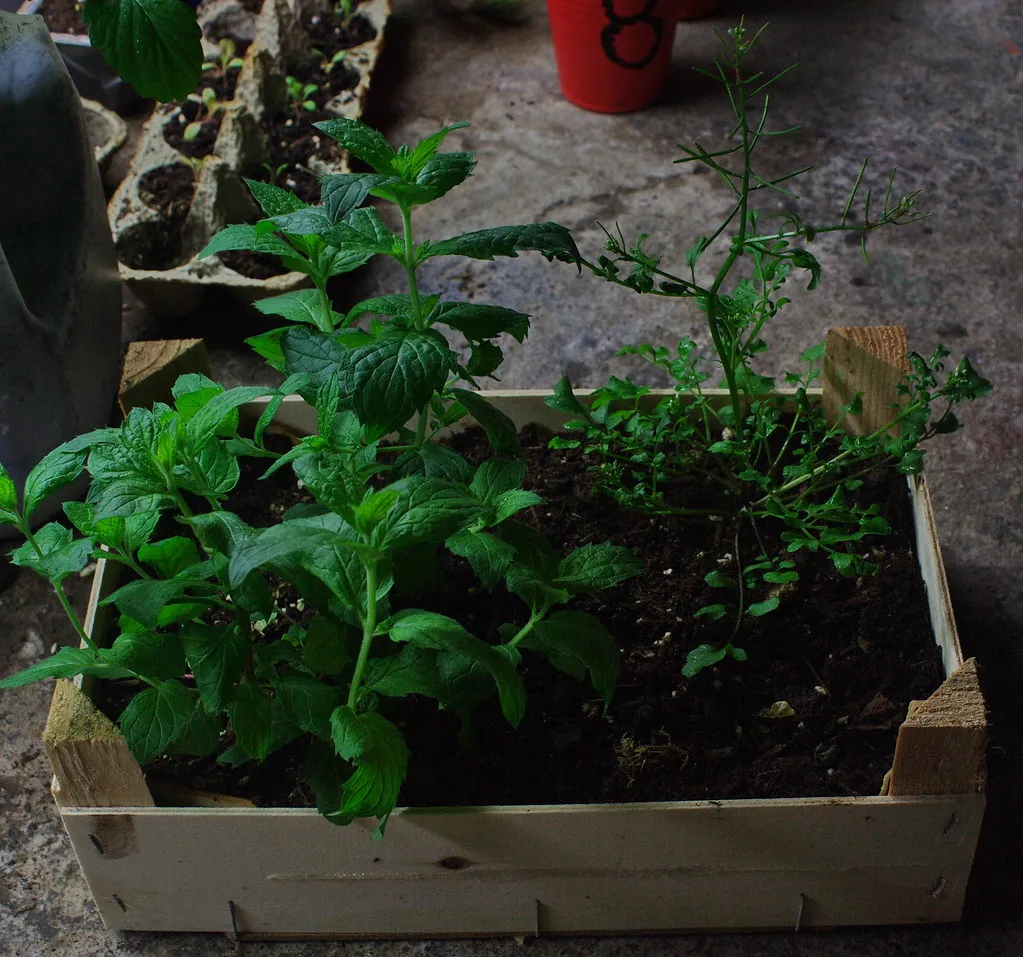
While flowering occurs, typically from July through September, most garden-grown mints are sterile hybrids or self-incompatible cultivars. The plant doesn’t need to reproduce sexually to expand its territory. The rhizome network handles everything underground.
Mint can also spread above ground, sending out runners, which are stems with roots, and can clump rapidly. Before long, a mint plant will fill your bed or container, and against this invasive grower, the other plants in your herb garden won’t stand a chance.
Basil Is a Tropical Herb Playing by Tropical Rules
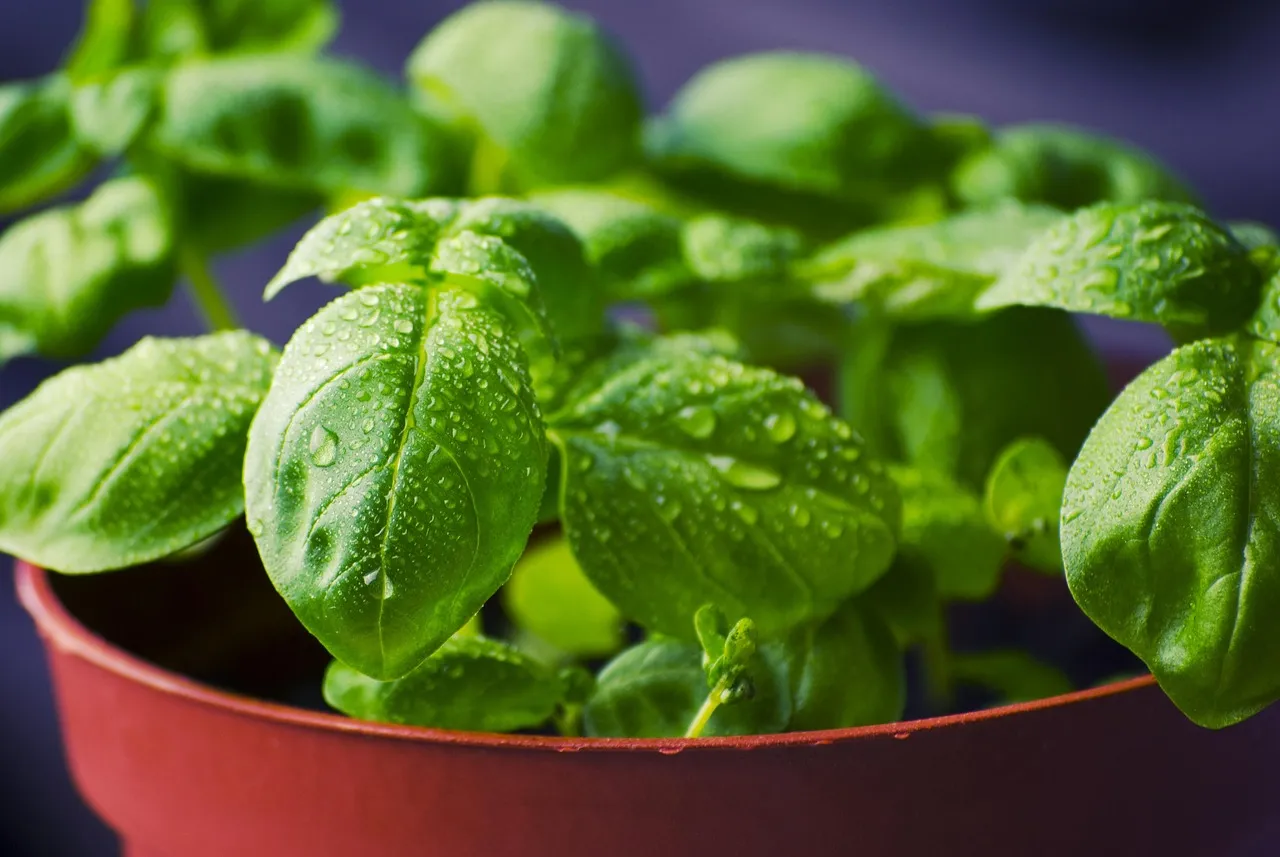
Basil is native to tropical and subtropical regions, and as such, it is sensitive to chilling, with temperatures below 12°C causing strong wilting, discoloration of the leaves, and loss of aroma. Most temperate gardens spend a significant portion of the season flirting with exactly that threshold.
Basil is not cold-hardy. Most types of basil hail from warm regions of Asia and Africa, meaning that this tender herb suffers injury or death with the onset of frost. Basil really begins to suffer when temperatures drop into the 40s Fahrenheit, and by the first frost, it is usually on its last legs.
Cold Temperatures Shut Down Basil at the Cellular Level
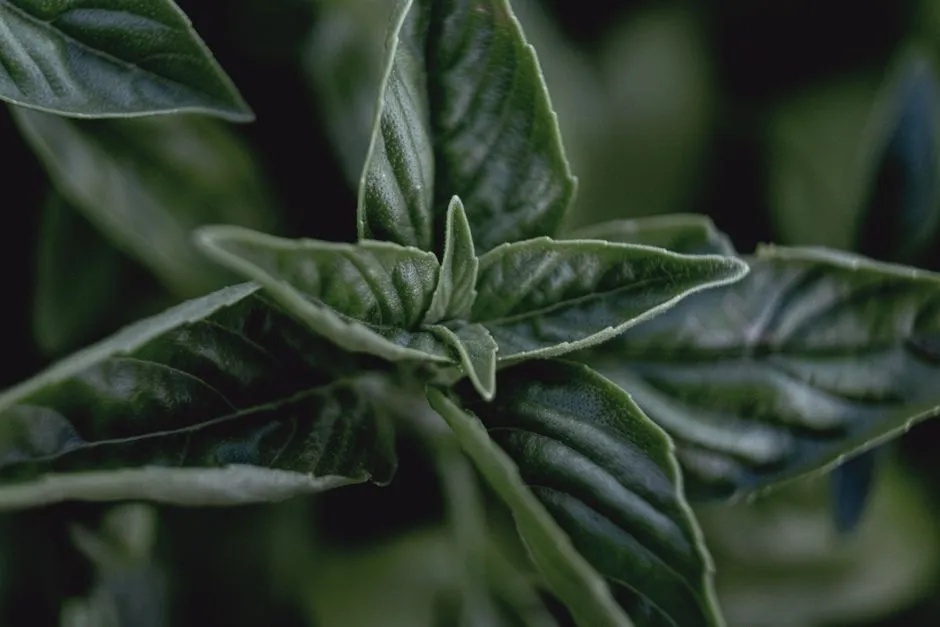
The threshold that matters is 54°F (12°C). Below that, MSU Extension notes, is the recommended minimum for basil storage and shipment, because below it, chilling injury sets in. Research published in Frontiers in Plant Science identifies the biological sequence: cold disrupts the lipid structure of cell membranes, causing electrolyte leakage and triggering a surge of reactive oxygen species, molecules that damage cellular machinery.
Growth stops not because the plant is frozen, but because its cellular infrastructure can no longer support cell division. A 2025 study published in ScienceDirect that screened 14 basil cultivars confirmed this: cold stress poses a significant challenge for basil, a chilling-sensitive crop that sustains severe damage at temperatures below 5°C.
Basil is very chill-sensitive and will be damaged before the temperature drops to freezing. Mint, meanwhile, calmly waits out the winter underground and resumes its expansion in spring.
Basil Downy Mildew: The Disease That Strikes Without Warning
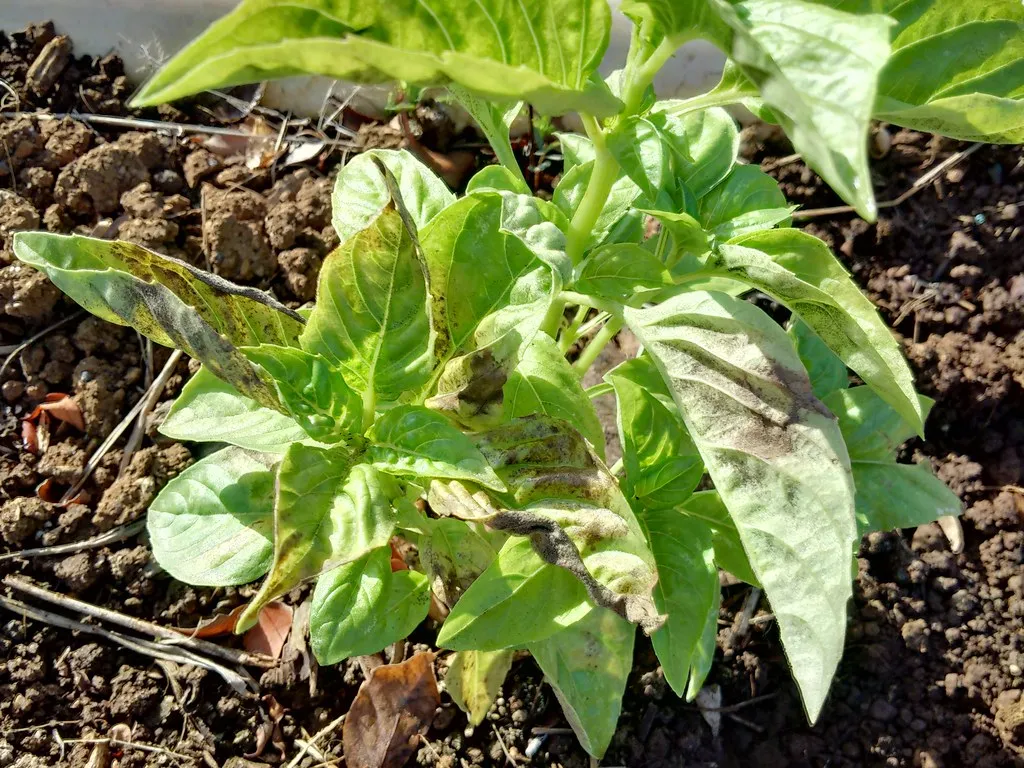
Beyond cold, basil faces a serious fungal threat that mint simply doesn’t contend with. Basil downy mildew is caused by the host-specific fungus-like organism Peronospora belbahrii. On wet leaves at temperatures from 41 to 83°F, spores germinate within 2 hours and infect plant tissue within 4 hours. Spores are produced in darkness before sunrise, with sporulation occurring at 50 to 78°F and above 85% relative humidity.
High humidity, mild temperature, poor air circulation, and extended periods of leaf wetness are favorable for disease development. That describes a perfectly normal early-summer morning in most gardens. Five to 10 days may elapse between infection and the appearance of symptoms, with the duration of the latency period depending upon temperature and light exposure. By the time you notice something is wrong, the damage is already done.
Basil’s Light and Soil Demands Are Unforgiving
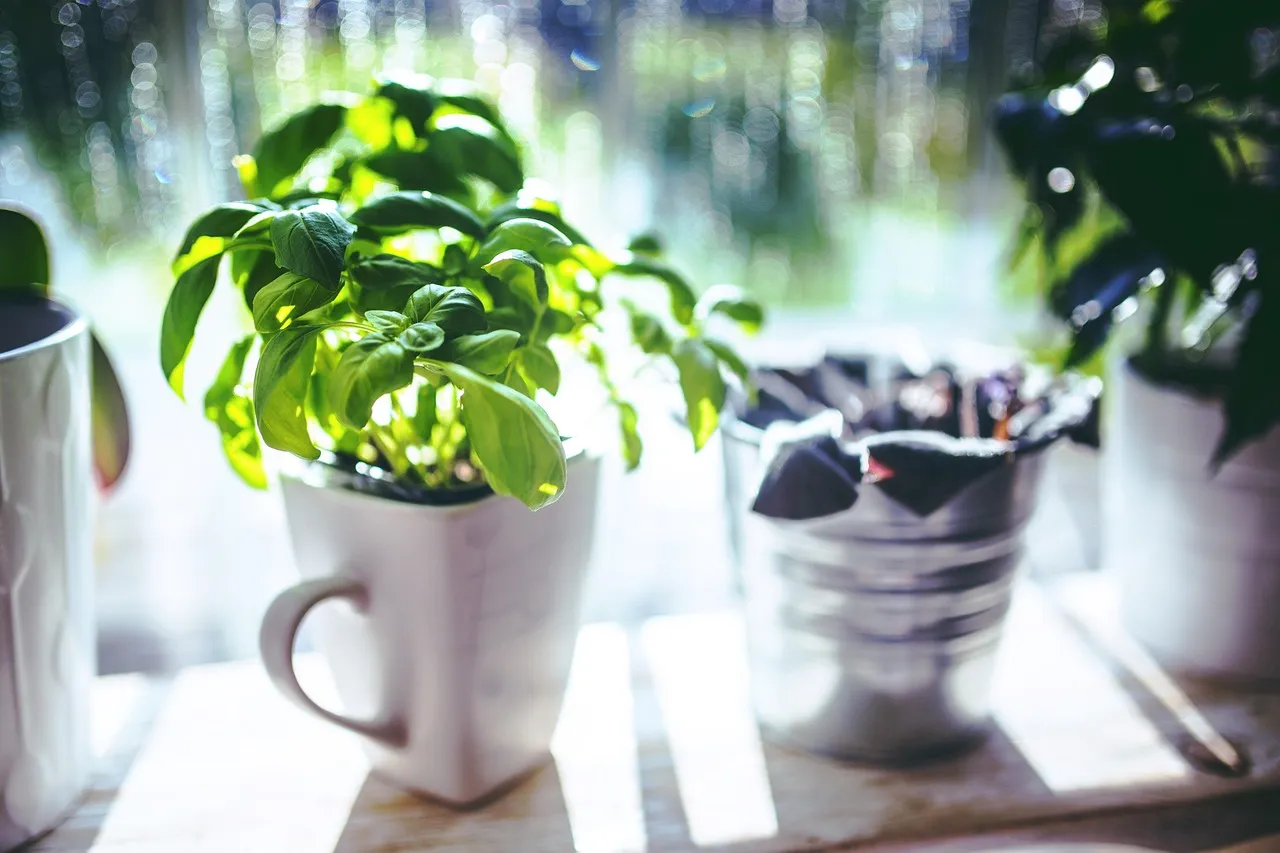
Basil requires at least 6 to 8 hours of full sun per day. Miss that window consistently, and the plant responds with leggy, weak growth as it reaches toward light it isn’t getting. The most common problems growing basil include symptoms like small, yellow, curling, or wilting leaves, along with pest and disease issues.
It may also lack the correct water, nutrients, or amount of sunlight, causing the basil plant to struggle growing. A lack of water, excess water, poor soil nutrients, unfavorable seasonal climate, fungal diseases, and incorrect soil pH are all causes of yellowing leaves. The margin for error is genuinely narrow compared to most herbs.
Mint Thrives in Conditions Most Herbs Merely Tolerate
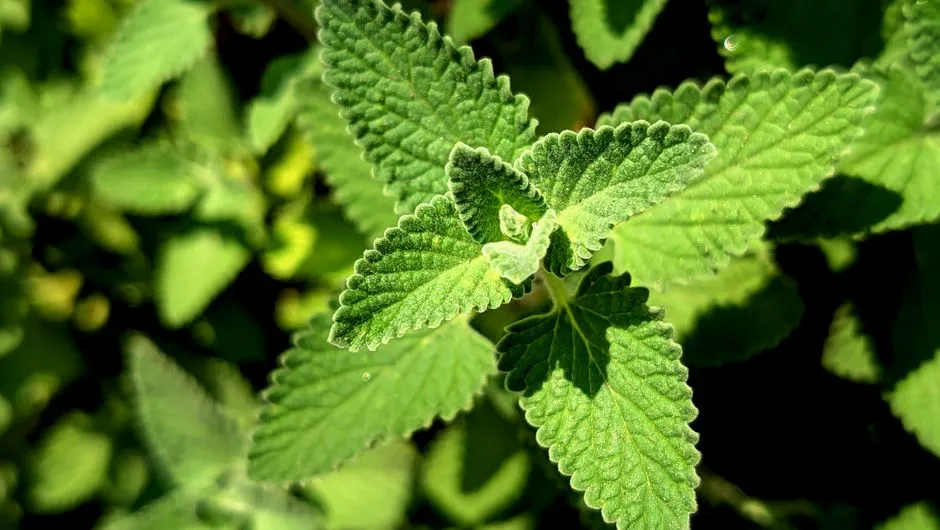
Mint evolved to thrive in disturbed soils and moist, fertile conditions common in home landscapes. That’s almost a direct description of the average garden bed. While other plants compete for nutrients, mint is already extending its roots into next season’s real estate.
Under optimal conditions, rhizome growth rates in full sun with moist soil can reach over 3 inches per week, spreading to a diameter of more than 27 inches in 90 days. Even in partial shade, the expansion barely slows. Mint doesn’t need perfect conditions. It just needs a foothold.
Containment Is Possible, But You Have to Mean It
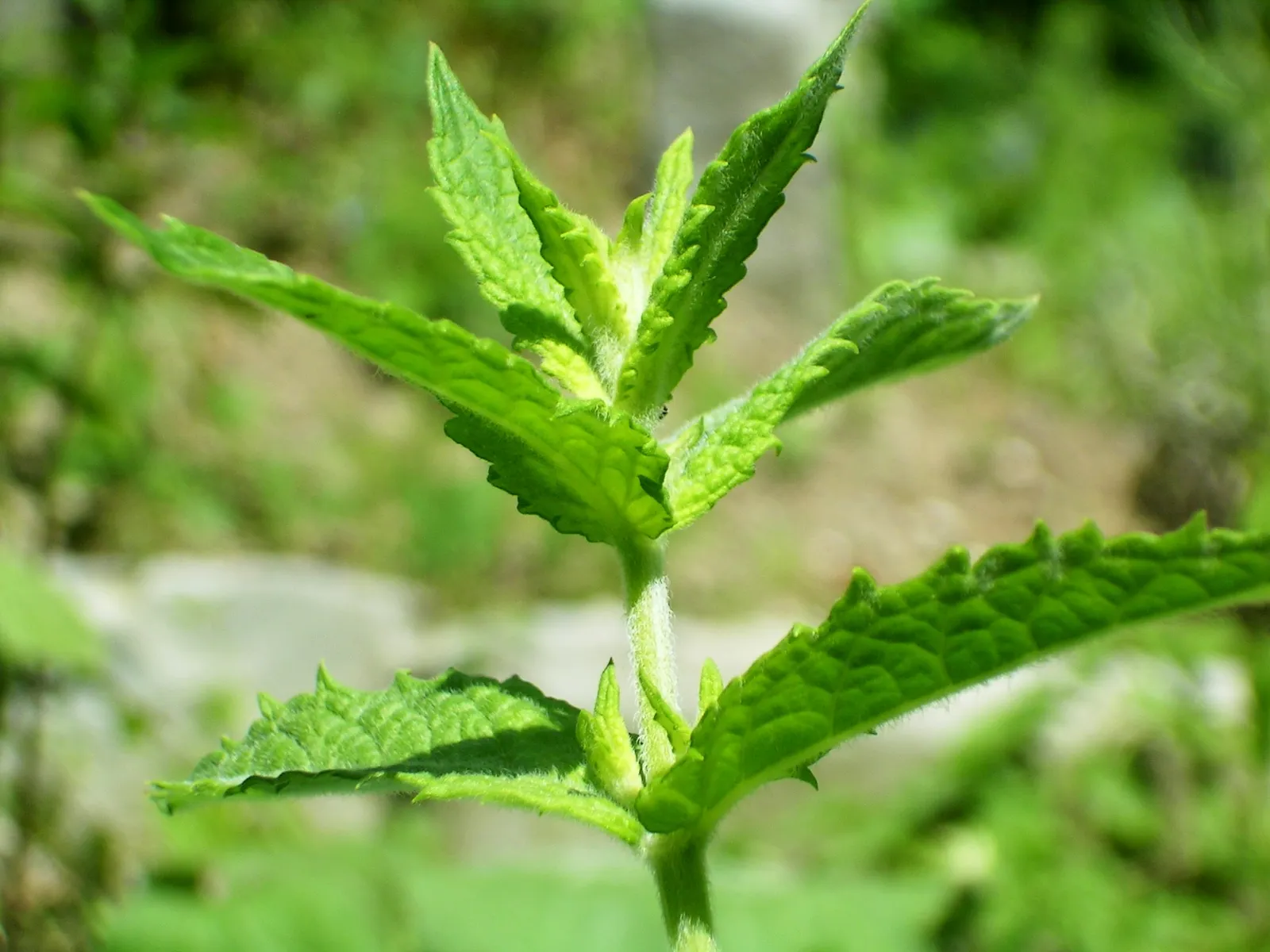
If you want to plant mint directly in the ground, consider installing root barriers around the plant. Burying a solid barrier such as a plastic or metal sheet at least 12 to 18 inches deep around the mint, leaving a few inches above the soil line, will block the rhizomes from spreading beyond the barrier.
Growing mint in buried containers is another effective way to contain the spreading rhizomes, with containers extending 3 to 4 inches above and 10 to 15 inches below the soil surface to ensure containment. The key word is ensure. A half-measure with mint tends to produce a half-contained plant, which is still an invasive one.
Helping Basil Survive Alongside the Invasion
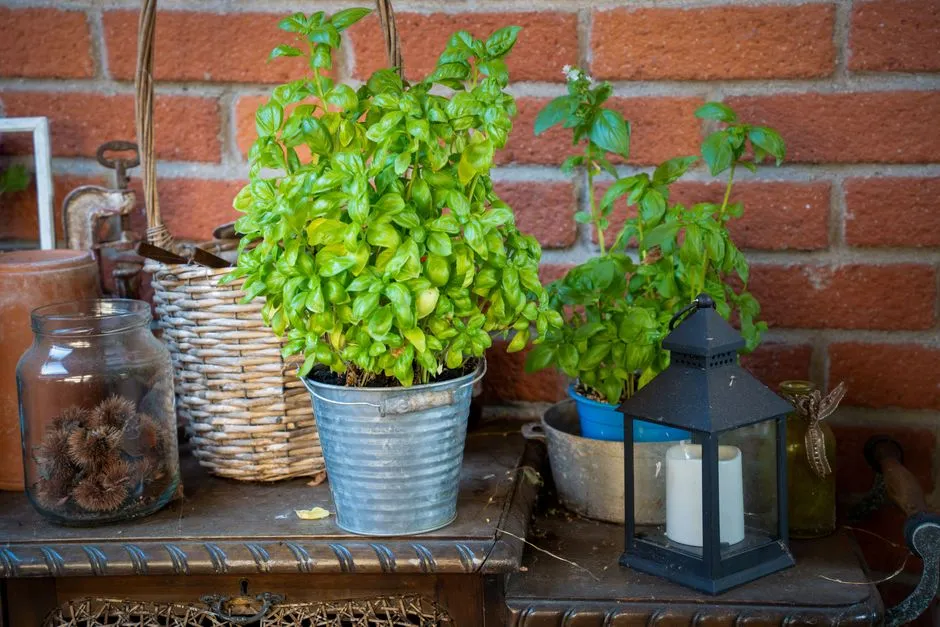
Basil stops growing when it is stuck in one of five problems: poor light, cold temperatures, weak soil, overwatering, or overcrowding. Identifying which factor is at play matters more than applying a generic fix. Almost all problems can be traced back to one of three core causes: underwatering, overwatering, or downy mildew.
Giving basil its own raised bed, away from the competitive root zone of mint and other aggressive herbs, removes several of those stressors at once. Using seed not infested with the basil downy mildew pathogen, selecting a less susceptible variety, and applying fungicides are the primary management practices for downy mildew. Small decisions at planting time tend to have outsized effects by midsummer.
The Takeaway
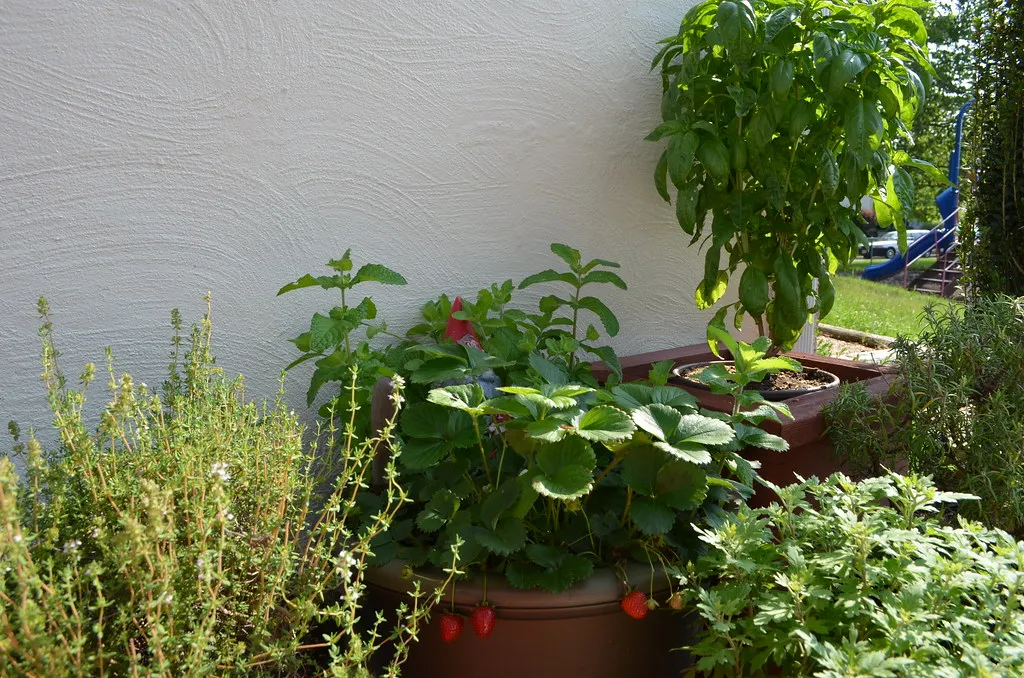
The mint-versus-basil story is really a story about evolutionary strategy. Mint is a perennial survivor built for territorial expansion, armed with a root system that is difficult to exhaust and nearly impossible to fully eradicate. Basil, by contrast, is a heat-loving tropical annual with a narrow comfort zone and a real vulnerability to cold, moisture, and disease.
They can coexist in the same garden, but only if you respect what each plant actually is rather than what you wish it were. Give mint a firm boundary and give basil warmth, drainage, and sun. The difference between a thriving herb garden and a mint monoculture often comes down to that one decision made at planting time.
AI Disclaimer: This article was created with the assistance of AI tools and reviewed by a human editor.