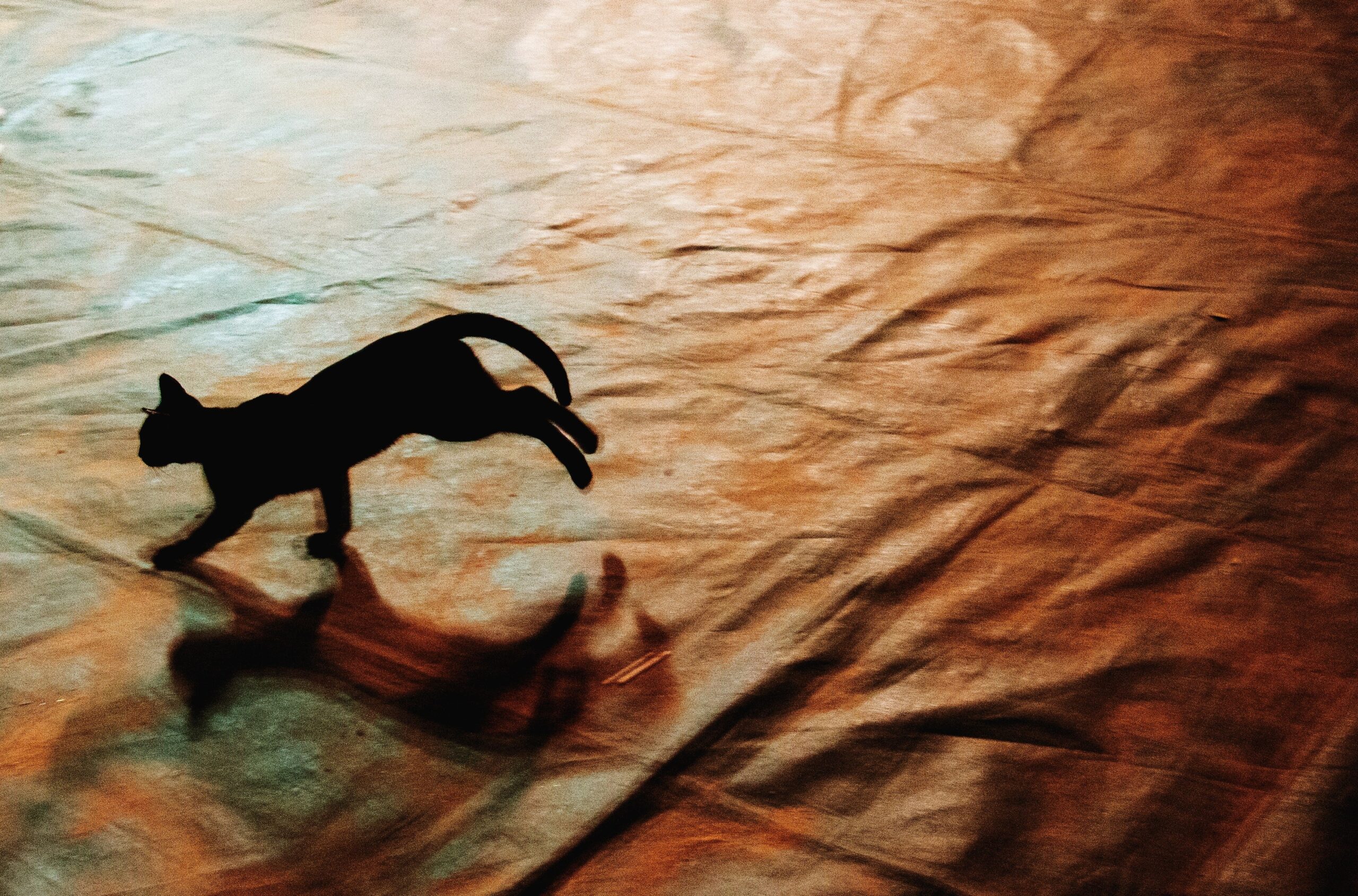

It Has a Real Name: Frenetic Random Activity Periods
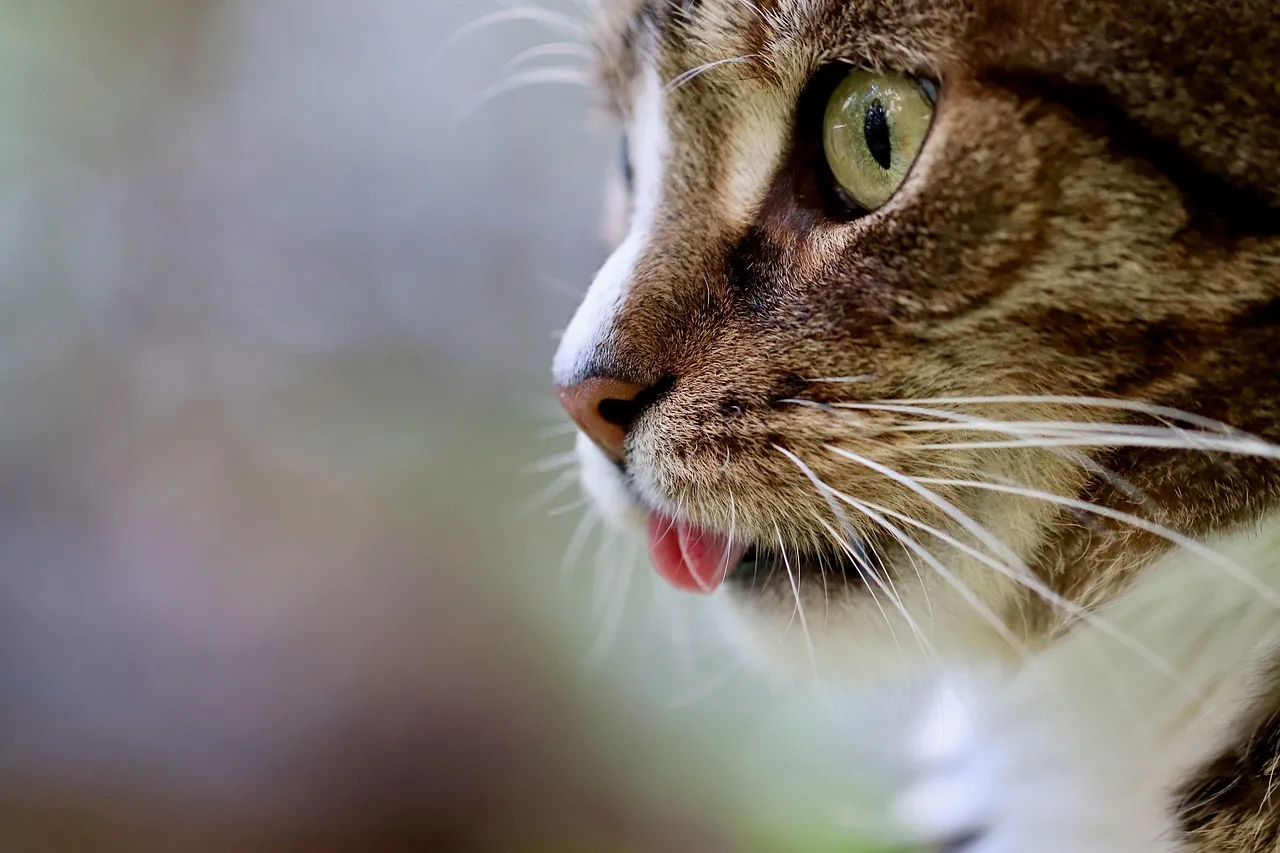
These sudden bursts of frantic movement are formally called frenetic random activity periods, or FRAPs, and they involve cats running at high speed, commonly in circles. They are sudden, typically one-to-two-minute bursts of energy that can hit any cat at any age.
José Arce, president of the American Veterinary Medical Association, has described zoomies simply as cats “having fun,” adding that these bursts of energy are natural and seen in many domesticated and wild animal species. FRAPs are considered normal and healthy behavior for cats.
Your Cat Is Not Nocturnal – It’s Crepuscular
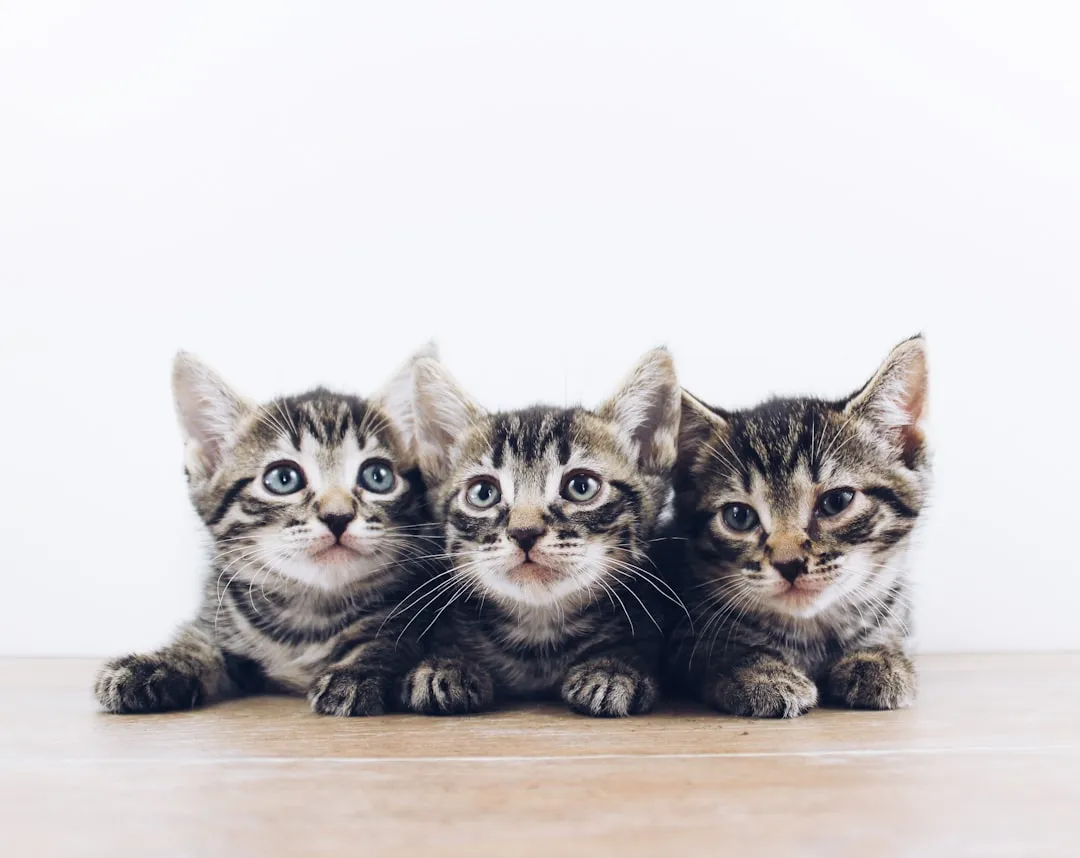
Cats are actually not nocturnal but rather crepuscular, which means they are active around dawn and dusk. This is one of the most widely misunderstood facts about domestic cats, and it explains a lot about the timing of those nighttime sprints.
According to Dr. Sarah Ellis, head of cat advocacy at International Cat Care, cats are most active at dawn and dusk because those are periods when their prey are also active, and cats’ eyes are adapted to work really well in low-light conditions.
A published study on daily rhythms in domestic cats found two main peaks of activity: one in the morning before sunrise, and one in the evening following the end of the working day, confirming the crepuscular nature of the species.
The Evolutionary Hunting Drive That Never Switched Off
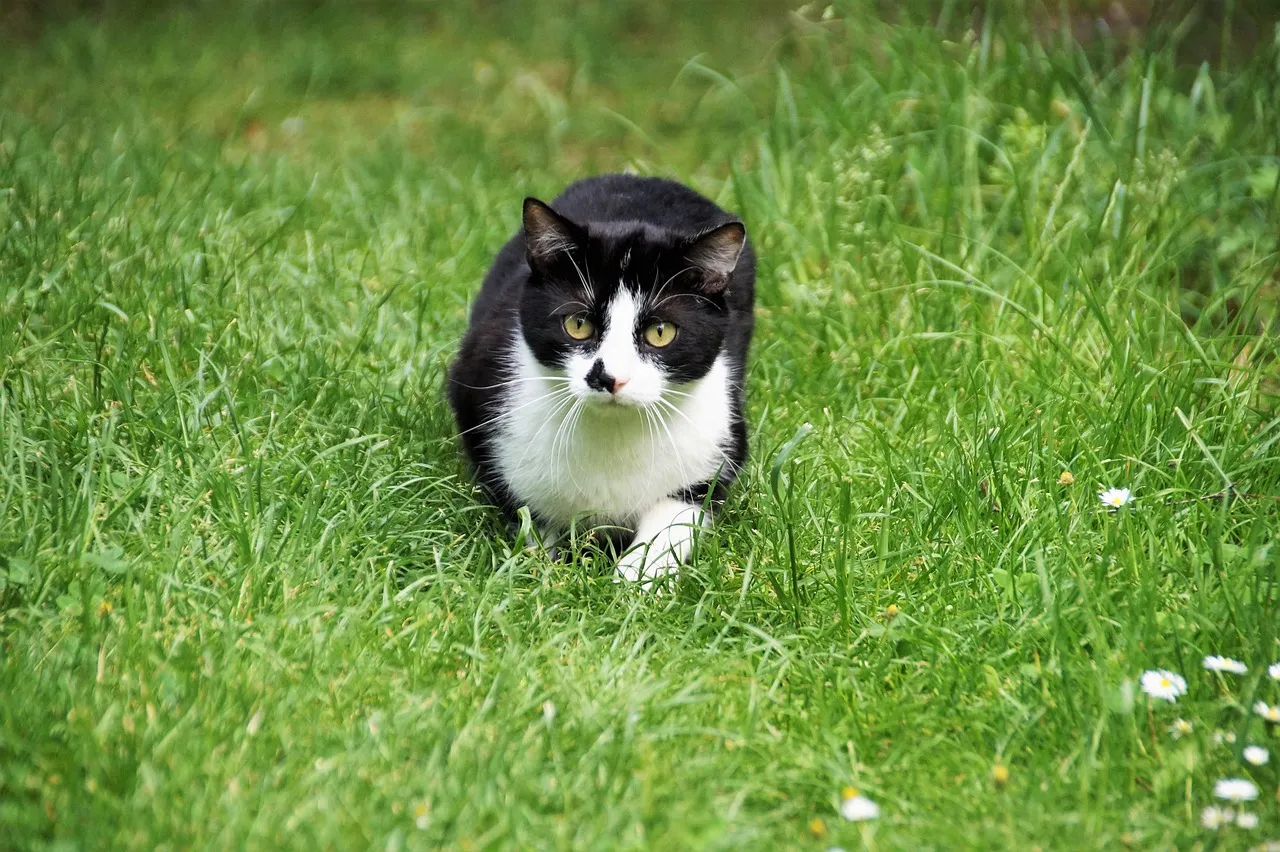
Domesticated cats, while very comfortable in our homes and not needing to hunt for food, are still driven by their instincts to hunt and chase prey, and this connects directly to their crepuscular sleep schedule – in the wild, their ancestors hunted during twilight hours.
This behavior is rooted in evolutionary history as hunters: dawn and dusk are prime hunting times when prey animals are most active, and even though domesticated cats no longer need to hunt for survival, their instincts to be active during these times remain strong.
The midnight sprint is often the tail end of an evening energy burst that was not fully spent during the earlier crepuscular window. In other words, that 2 a.m. gallop is essentially yesterday’s hunt being cashed in late.
Pent-Up Energy from Sleeping All Day
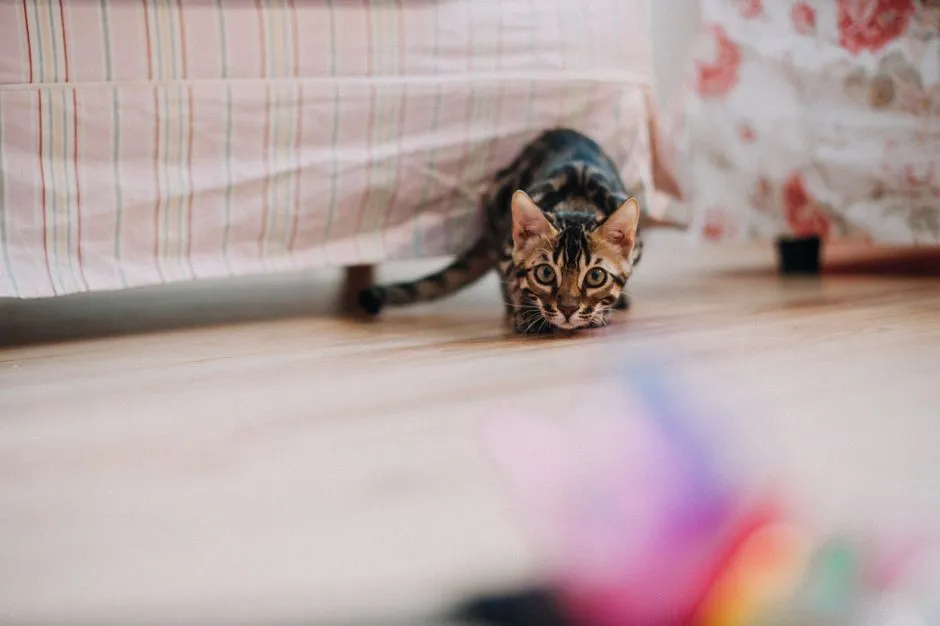
Indoor cats that don’t need to hunt conserve energy all day long. Between napping for up to 16 hours and lounging in their favorite spots, a massive build-up of both physical and mental power accumulates – and when they can no longer contain that energy, the cat experiences a FRAP, essentially a safe and efficient physical release valve.
Veterinary experts note that zoomies happen because cats nap during the day while most pet owners are at work, leaving them wide awake at night and full of energy, eventually causing them to race through the house and wake people up.
Your Schedule Is Shaping Theirs
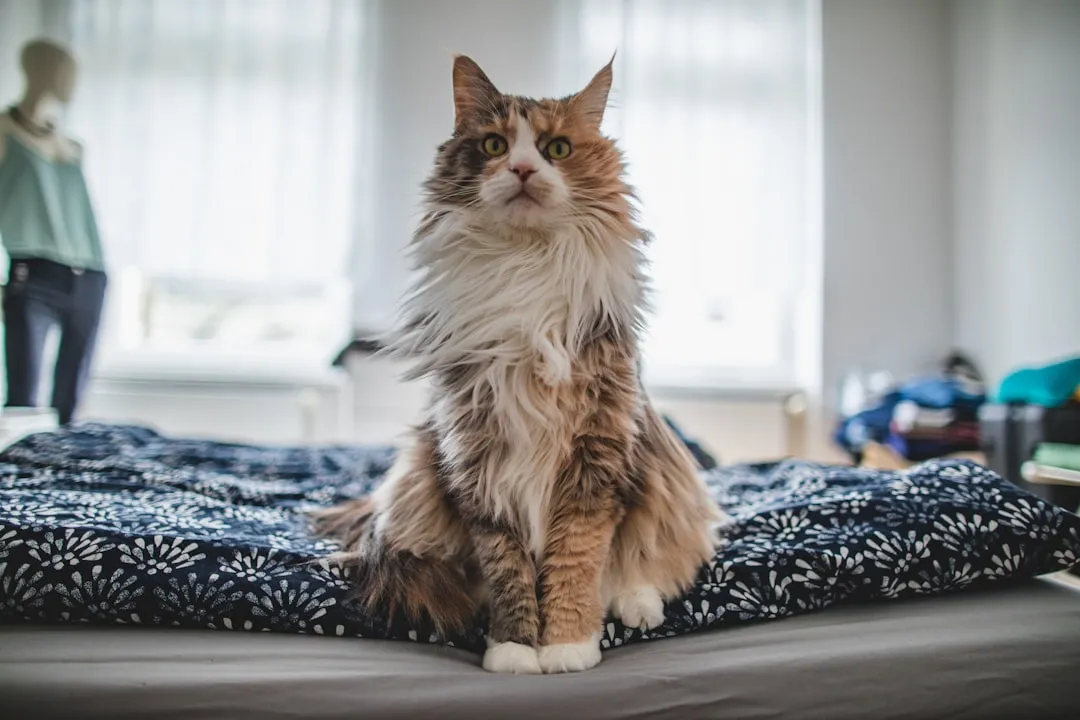
Cats tend to be more active when their owners are more active, and since many cat guardians are gone all day, when they get home there’s more going on in the house and cats have all that energy stored up from lounging all day.
This rhythm is shaped by cats’ evolutionary past as hunters, but it’s also heavily influenced by indoor lighting, human schedules, and the modern home environment. Artificial lighting in particular blurs natural day-night cues and can shift cat activity later into the evening.
The Post-Litter Box Sprint Is a Separate Phenomenon
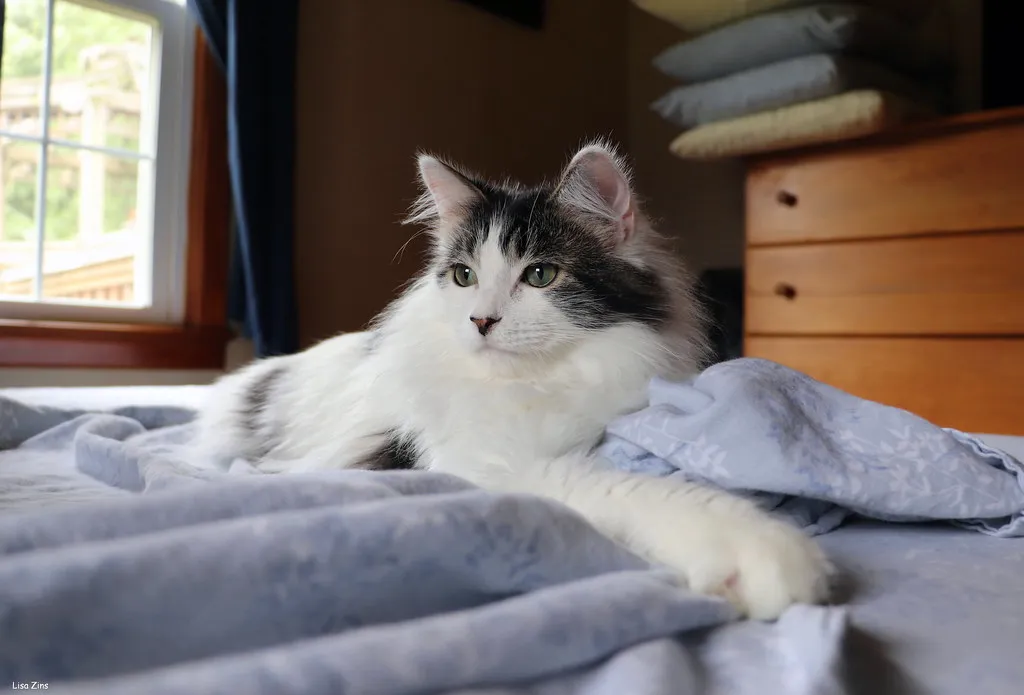
Cats also tend to experience FRAPs after grooming and using the litter box. This catches many owners off guard the first time they see it, but there’s a practical explanation rooted in survival instinct.
In a wild environment, waste leaves a distinct scent trail that could give away a cat’s position to larger predators, so sprinting away from their elimination site is an instinctual survival mechanism to put immediate distance between themselves and the spot. Even a perfectly safe indoor cat still carries that wiring.
Boredom and Insufficient Daytime Stimulation
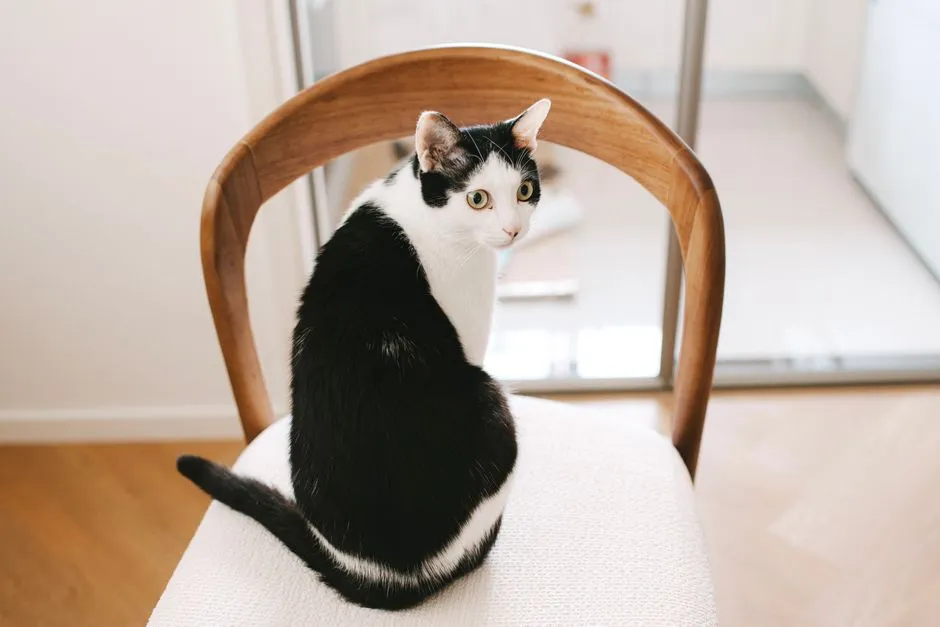
If zoomies happen regularly in the evening or at night, this can be a sign that your cat needs more exercise and mental stimulation during the day. Cats are natural hunters who need opportunities to engage in play and exploration to satisfy these instincts, and if they don’t use enough of their energy during the day, they may become restless and more active at night.
According to Shawsheen Animal Hospital in Massachusetts, one reason cats get the zoomies is because they’re feeling playful and overstimulated, and one way to utilize this excess energy is to run about the house with exaggerated movements. Interactive play sessions during the day can go a long way toward reducing how dramatic the nighttime output gets.
When Health Problems Are Actually Behind It
Certain health conditions may cause a cat to be hyperactive, uncomfortable, or vocal at night, including pain, anxiety, hyperthyroidism, chronic illness, and dementia. These are worth knowing, especially in older cats.
Hyperthyroidism is characterized by the overproduction of thyroid hormone resulting in an increase in metabolic rate, and this disease is common in older cats. Affected cats are often restless and may become cranky or aggressive, may have increased water consumption and urination, and it is common for hyperthyroid cats to exhibit increased vocalizing, particularly at night.
It is important to understand when hyperactive behavior crosses the line from a healthy release of energy into a sign of discomfort or stress. If the sprinting seems frantic rather than playful, or is paired with other unusual symptoms, a vet visit makes sense.
Stress and Environmental Change Can Trigger It Too
Zoomies can also result from stressful triggers or lifestyle changes, such as bath time, moving home, or being scared, which can cause a cat to release nerves by running frantically around the living room.
Researchers are also increasingly interested in the role of stress and anxiety in relation to hyperactivity in cats, using behavioral studies and physiological measurements to understand how stress hormones such as cortisol can influence cat behavior. A new pet, a new home, or even rearranged furniture can be enough to trigger a burst of anxious energy that looks a lot like a playful sprint.
How Long Do Zoomies Actually Last?
Most cats can’t sustain the zoomies for more than a minute or so, and as cats age, the FRAPs often get shorter and less frequent. Typical features include running at top speed, rapid turns and spins, jumps and sudden stops, and brief vocalizations or tail-posture changes.
While a zoomie episode can happen at any time, cats tend to sprint around the same time each day, and these episodes are rarely random. Paying attention to your cat’s specific pattern – what triggers it, how long it lasts, and what time of night it peaks – can tell you a lot about whether it’s healthy behavior or something worth flagging.
The Takeaway
The late-night sprint is almost never pointless. It’s the product of millions of years of feline evolution meeting the very specific reality of the modern indoor cat: too little stimulation during the day, a biological clock wired for twilight activity, and an instinct to hunt that doesn’t simply vanish when a bowl of kibble is placed on the floor.
Most of the time, those midnight laps around the living room are a sign of a healthy, energetic cat doing exactly what cats do. The best response is usually simple: more structured play during the day, a consistent evening routine, and a watchful eye for anything that starts to look less like play and more like distress. Your cat isn’t being unreasonable. It’s just being a cat.
AI Disclaimer: This article was created with the assistance of AI tools and reviewed by a human editor.