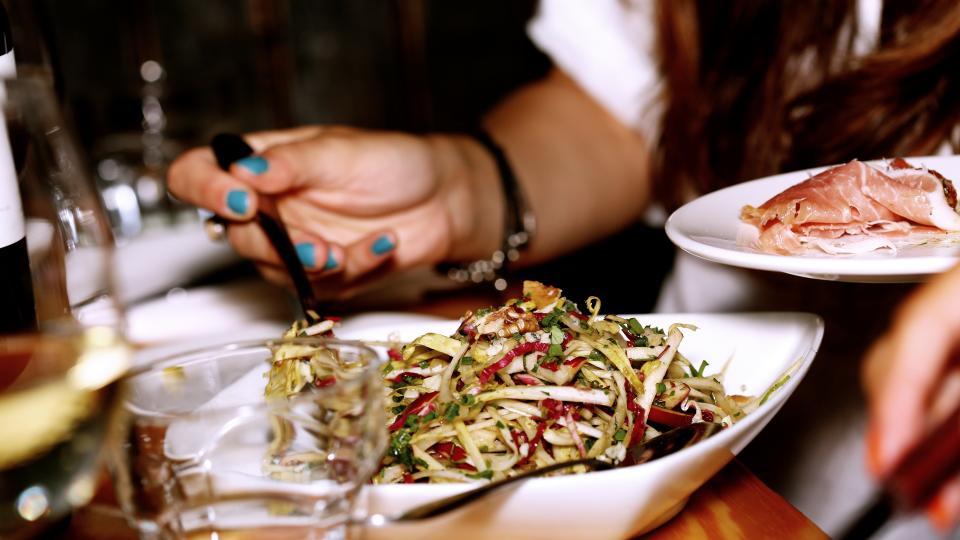

1. Fatty Fish: The Omega-3 Powerhouse Your Skin Craves
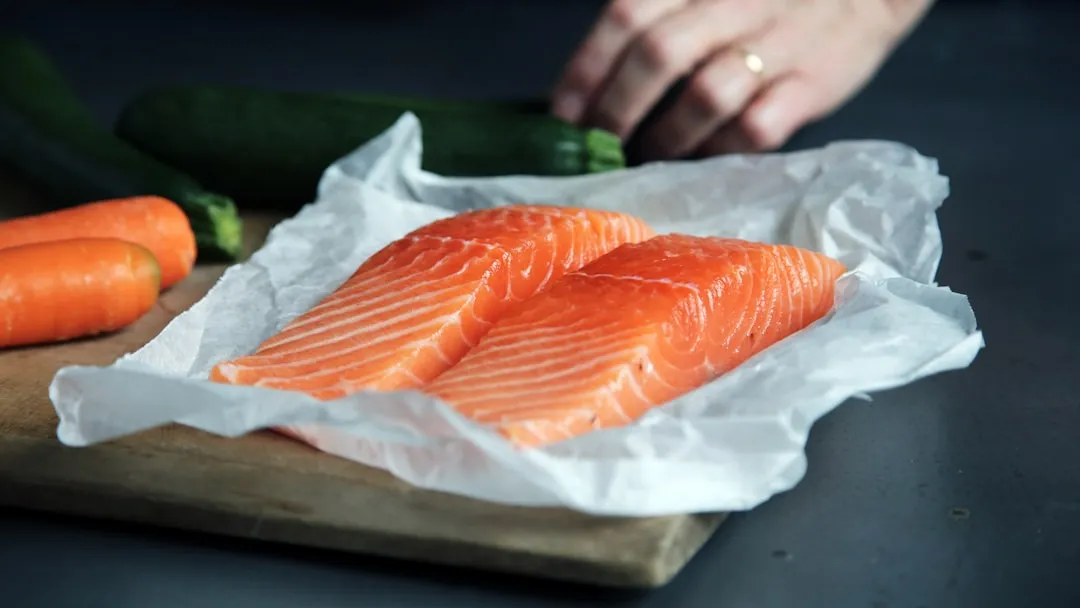
Salmon, sardines, and mackerel are probably the most consistently recommended foods among dermatologists, and the reasoning is solid. Studies have indicated that fish rich in omega-3 fatty acids may have a positive impact on acne, with benefits including regulating sebum production, decreasing inflammatory responses, and promoting skin cell turnover.
Recent research highlights that omega-3 fatty acids significantly reduce acne severity, with supplementation and a Mediterranean diet improving skin condition in most study participants. The numbers from one study were notable: while almost 80% of the study cohort reported improved acne, 8% of patients felt it had worsened.
Fish oil supplementation may be associated with an improvement in overall acne severity, especially for people with moderate to severe acne, though very few studies assess the impact of dietary omega-3s on acne specifically. Still, the direction of evidence is consistent. Most experts recommend aiming for two to three servings of fatty fish per week.
2. Blueberries and Berries: Antioxidants That Fight Skin Damage from the Inside
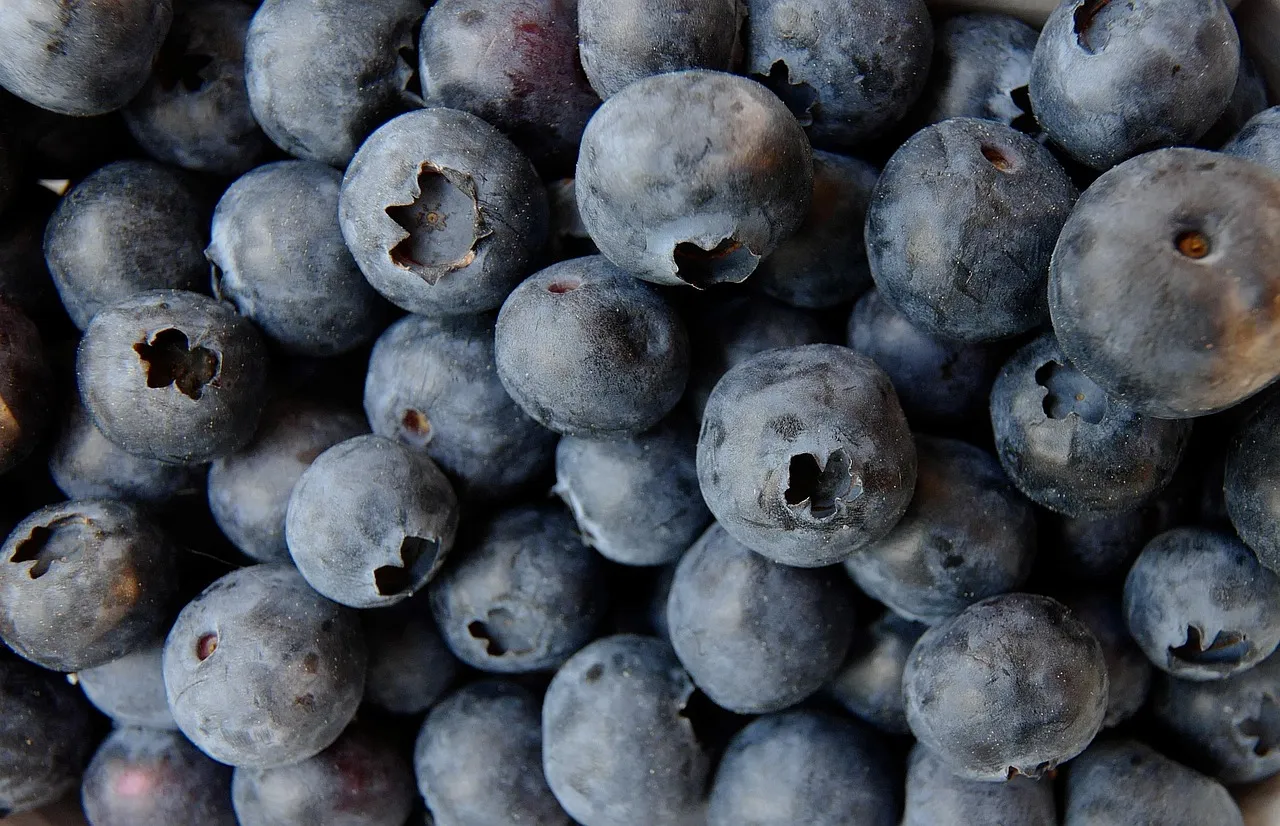
Blueberries deliver anthocyanins and vitamin C, which together support antioxidant protection and collagen synthesis in the skin. These aren’t minor benefits. Collagen is the structural protein that keeps skin firm, and oxidative stress from UV exposure and pollution accelerates its breakdown.
Consumption of fruits rich in vitamins and polyphenols can improve skin health, with beneficial effects that include improvement in hydration, hyperpigmentation, wrinkles, erythema, collagen, and elasticity. That’s a remarkably broad list for something you can sprinkle on your morning oats.
Antioxidants from fruits, vegetables, and nuts neutralize free radicals, proteins promote regeneration, and essential fatty acids support hydration. Berries happen to cover the antioxidant category particularly well, which is likely why they show up in nearly every dermatologist-approved food list currently circulating in clinical nutrition literature.
3. Avocado: Healthy Fats for Skin Barrier Support
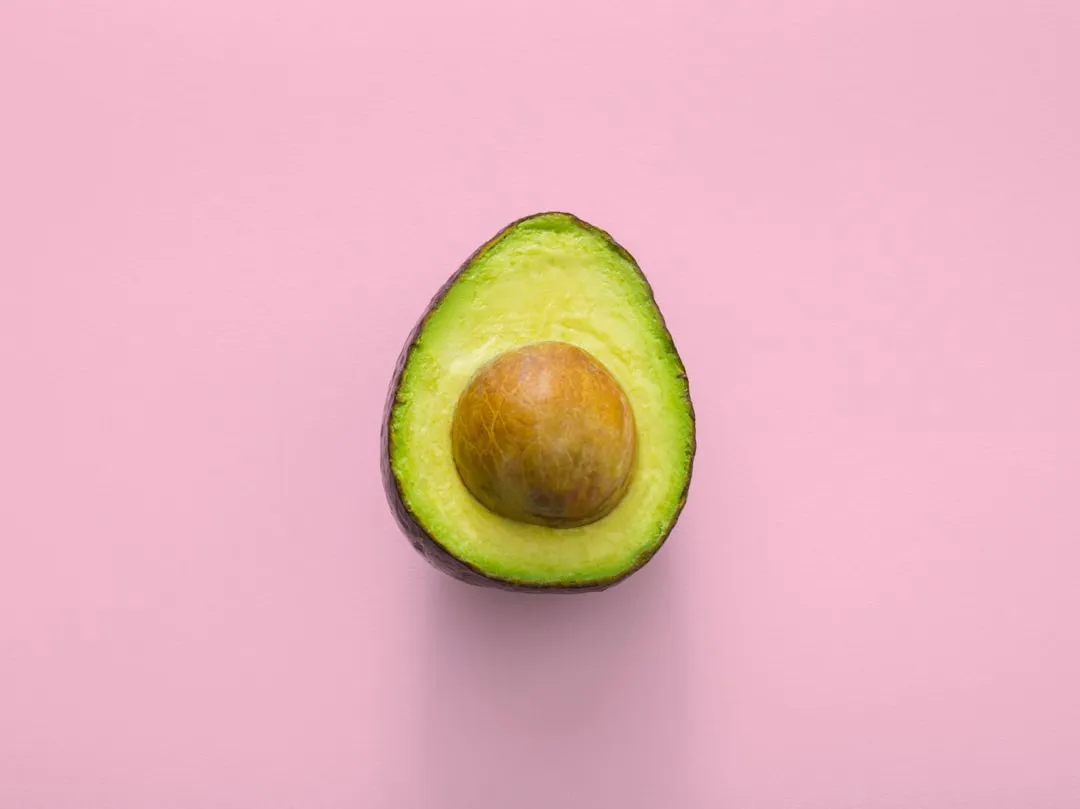
Avocado delivers tocopherol (vitamin E) and lutein, both of which support skin hydration and photoprotection. Vitamin E is a fat-soluble antioxidant that sits within the skin’s membrane, essentially acting as a buffer against environmental damage.
Avocados, nuts, and seeds provide essential fatty acids that keep skin supple and moisturized. For people dealing with dry or reactive skin, this makes avocado particularly useful since its fatty acid profile helps reinforce the skin’s natural lipid barrier, which is what prevents water loss in the first place.
A balanced diet rich in antioxidants, proteins, and essential fatty acids helps delay skin aging by reducing oxidative stress, aiding tissue repair, and maintaining the skin’s lipid barrier. Avocado quietly ticks several of those boxes in a single serving. It’s one of those rare foods where the nutritional density genuinely justifies the hype.
4. Sweet Potatoes and Colorful Vegetables: Beta-Carotene and UV Defense

Sweet potatoes are rich in beta-carotene, a provitamin A compound that supports cell turnover and UV defense. Your body converts beta-carotene into vitamin A, which regulates how quickly skin cells renew themselves. That process matters for both acne and aging.
Carotenoids found in brightly colored vegetables have a beneficial impact on reducing skin discoloration, and as potent antioxidants they protect skin from UV rays and help guard against sunburn. Worth noting that this isn’t a replacement for SPF, but it does add a meaningful layer of internal defense.
A diet high in carotenoids such as beta-carotene and lycopene may protect the skin against UV radiation, according to research, while vitamin C from leafy greens, bell peppers, and tomatoes plays a crucial role in collagen production. The broader the color range on your plate, the broader the spectrum of skin-protective compounds you’re likely consuming. Dermatologists tend to eat this way not because it’s fashionable, but because the evidence supports it.
5. Fermented Foods: The Gut-Skin Connection in Practice

Fermented foods that support the gut microbiome include kefir, yogurt, kimchi, sauerkraut, kombucha, miso, and tempeh. The logic here runs through the gut-skin axis, a biological pathway that has attracted substantial research attention over the past several years.
Plant-based and fermented foods may improve inflammatory skin diseases by supporting the gut microbiome, exerting anti-inflammatory effects, providing barrier support, and improving glycemic control. That’s a meaningful list of mechanisms, particularly for people managing conditions like acne, eczema, or psoriasis.
Probiotics have been shown to reduce inflammatory markers, decrease Psoriasis Area and Severity Index scores, and improve quality of life in psoriatic participants, further supporting the role of the gut microbiome in dermatology. A daily serving of kefir or a spoonful of kimchi isn’t a dramatic lifestyle overhaul. It’s a small, consistent habit with growing clinical backing.
Why Dermatologists Emphasize Diet Over Supplements
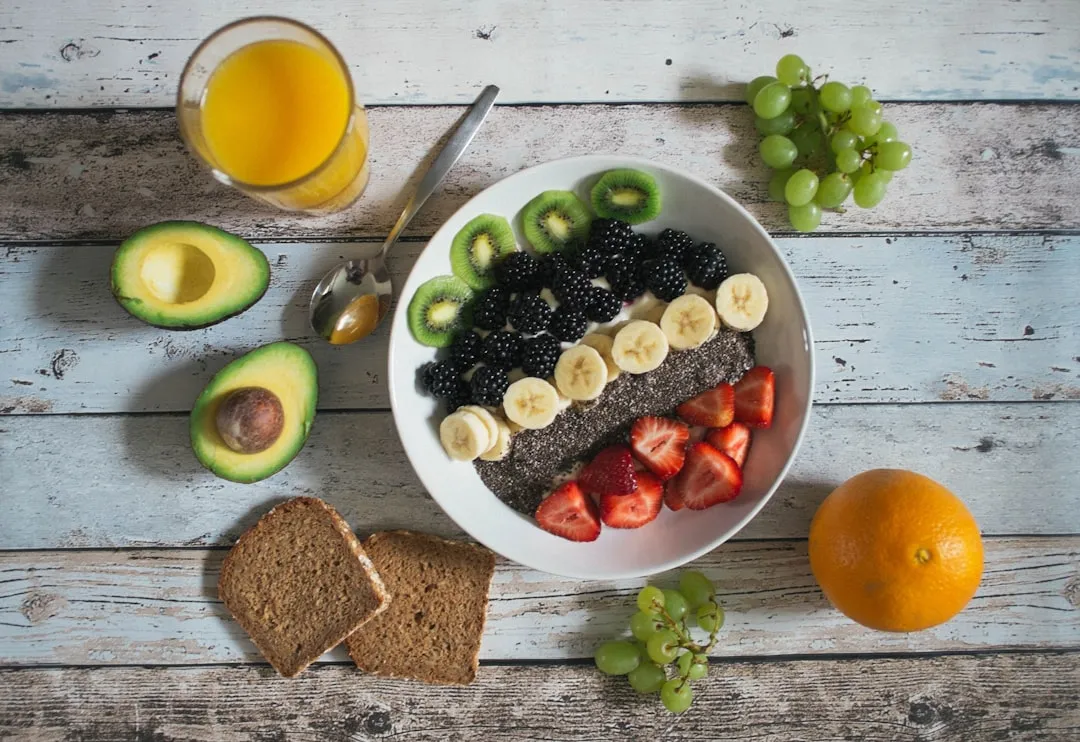
The best skin foods are those that deliver specific nutrients your skin cells need to build structure, fight oxidative damage, regulate oil production, and maintain hydration. Fatty fish, colorful vegetables, seeds, and certain fruits consistently top the evidence-based list because their nutrient profiles directly support how skin tissue functions from the inside out.
Supplements can help in cases of genuine deficiency, but whole foods come packaged with compounds that often work synergistically in ways that a capsule can’t replicate. A salmon fillet delivers omega-3s alongside protein, astaxanthin, and vitamin D simultaneously.
Diets high in sugar, unhealthy fats, and processed foods can accelerate aging through inflammation and advanced glycation end products that damage collagen and elastin. So the argument for eating well isn’t only about what you add. It’s also about reducing the load of things that quietly degrade skin over time.
The Role of Zinc-Rich Foods in Skin Repair

Oysters, pumpkin seeds, and lentils, all rich in zinc, are known to aid in skin repair and inflammation reduction. Zinc deserves a mention here because it doesn’t get nearly as much attention as omega-3s or antioxidants, yet its role in skin health is well-established.
Zinc helps reduce inflammation and regulate oil production, with good sources including pumpkin seeds, chickpeas, and lentils. For anyone dealing with persistent breakouts, low zinc levels are worth discussing with a doctor. It’s one of the more overlooked dietary factors in acne management.
Zinc supports anti-inflammatory processes, aids in wound healing, UV protection, and reduces acne lesions, with deficiency linked to acne, dermatitis, and delayed healing. Pumpkin seeds are a practical way to incorporate zinc into your routine since they’re easy to add to salads, oatmeal, or eaten as a standalone snack.
Green Tea: The Beverage Dermatologists Actually Drink

Green tea contains epigallocatechin gallate (EGCG), a polyphenol shown in clinical research to reduce sebum production and decrease acne-related inflammation. That’s a fairly specific mechanism, and it helps explain why this drink keeps appearing on dermatologist-approved lists.
A sample skin-healthy daily diet outlined in a nutritional dermatology study included green tea as a breakfast staple, demonstrating that skin experts genuinely incorporate it into their own eating patterns. It’s not just a cultural trend. There’s biochemical reasoning behind it.
Swapping out sugary drinks for green tea addresses two things at once: you reduce the sugar load that can spike insulin and worsen breakouts, while adding a polyphenol-rich beverage with documented skin benefits. Good hydration bolsters the skin’s hydration and elasticity while reducing dryness that can aggravate skin conditions, and avoiding sodas and other sugar-loaded drinks is a step most dermatologists actively recommend.
What the Mediterranean Diet Gets Right for Skin
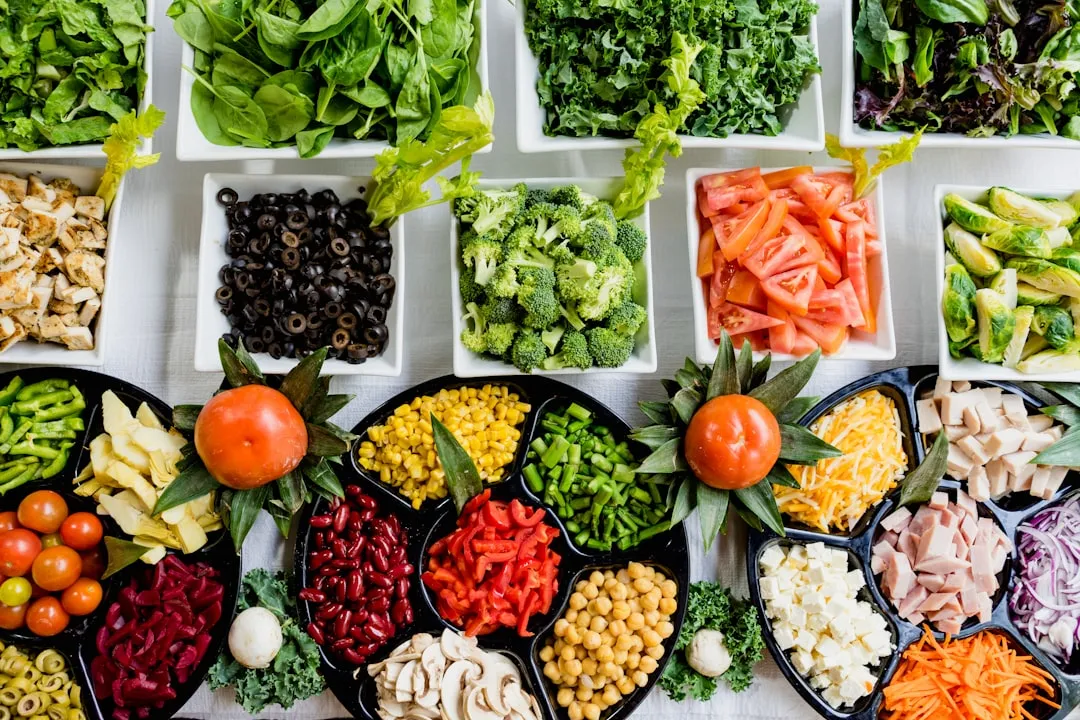
A review published in the journal Nutrients examined dietary patterns and skin aging across multiple human cohort studies, finding that higher consumption of vegetables, fish, olive oil, and legumes was associated with less severe skin wrinkling and better skin hydration in older adults. The Mediterranean diet effectively bundles most of the foods discussed here into one coherent eating pattern.
Olive oil is a mainstay of the Mediterranean diet, along with plenty of tomatoes that are high in lycopene, an antioxidant compound associated with skin protection. Lycopene, interestingly, becomes more bioavailable when tomatoes are cooked, making tomato paste and marinara sauce genuinely useful for skin health.
Omega-3 fatty acid deficits can be corrected by consuming a Mediterranean diet, and by recovering this deficit through dietary intervention, most patients in one study experienced a significant improvement in the severity of their acne. A pattern of eating rather than a single superfood seems to be what most dermatologists are pointing toward.
How Long It Takes to See Results from Dietary Changes
Small, consistent dietary changes can lead to significant improvements in your skin health. The timeline varies. Skin turns over roughly every four to six weeks, so dietary improvements tend to show results on a similar timescale rather than overnight.
Preliminary research showed that six weeks of cranberry juice intake improved part of women’s skin health parameters and decreased oxidative stress. Six weeks is a realistic benchmark worth keeping in mind before deciding whether a dietary shift is working.
Although nutrition cannot completely prevent intrinsic skin aging, growing evidence suggests that appropriate dietary practices can significantly delay the visible signs of skin aging and improve skin health, since aging is associated with reduced collagen synthesis, impaired barrier function, decreased hydration, and increased oxidative stress. Managing expectations is important here. Diet supports your skin. It doesn’t replace a full skincare routine or medical treatment when those are genuinely needed.
The Takeaway

The five foods at the heart of this article, fatty fish, berries, avocado, colorful vegetables, and fermented foods, are not particularly exotic or expensive. What makes them notable is the consistency of the evidence behind them, and the fact that they tend to work together rather than in isolation.
The most effective approach builds a pattern of eating rather than fixating on one ingredient. That’s probably the most practical thing a dermatologist can tell you about food and skin. No single ingredient is going to transform your complexion, but a dietary pattern built around anti-inflammatory, nutrient-dense whole foods genuinely shifts the conditions under which your skin operates.
Clearer skin through better eating isn’t a guarantee, but it’s a reasonable investment with benefits that extend well beyond how you look. The research, at this point, is clear enough to act on.
AI Disclaimer: This article was created with the assistance of AI tools and reviewed by a human editor.