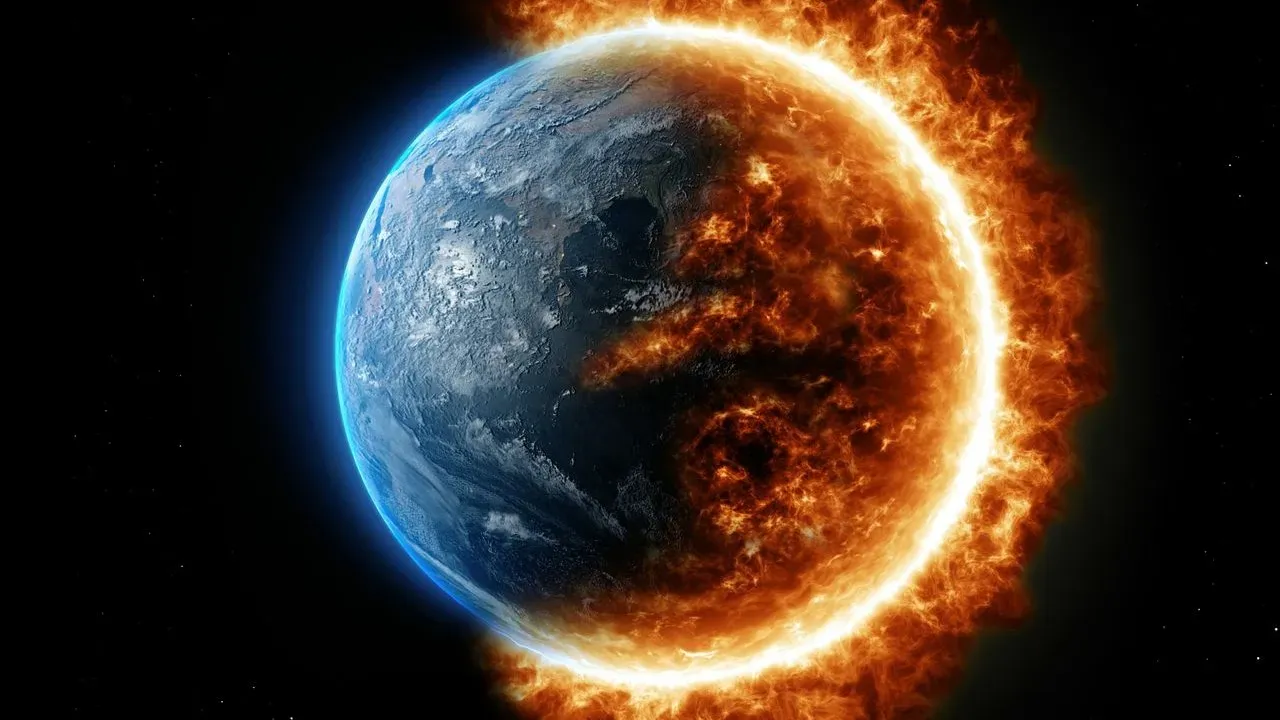

The United Nations Environment Programme has released a report acknowledging that global temperatures will soon surpass the 1.5°C threshold set in the 2015 Paris climate agreement. ([1]) Current warming stands near 1.4°C above pre-industrial levels, and the world is projected to cross the limit within the next few years under most scenarios. This development shifts the focus from strict prevention to managing an overshoot period followed by efforts to cool the planet later in the century. ## Why the Timing Matters for Gardeners Now The report describes an “overshoot” pathway in which temperatures rise above 1.5°C, peak, and then gradually decline if aggressive emissions cuts and carbon removal technologies are deployed. Under the most optimistic outlook, warming could reach 1.8°C around mid-century before easing. Current national policies, however, point toward 2.6°C by 2100. For those who plan outdoor spaces, these timelines translate into decades of altered growing conditions rather than a distant abstract risk. Gardeners in many regions are already noticing earlier last frosts and later first frosts. The coming overshoot period is expected to extend those trends, lengthening the frost-free season in some areas while introducing more frequent heat waves and erratic rainfall in others. Such changes affect everything from seed-starting schedules to the viability of traditional varieties. ## Adapting Planting Choices to a Hump-Shaped Temperature Path During the period above 1.5°C, the report highlights increased risks of extreme weather, water shortages, and stresses on food production. Home gardeners will likely encounter similar pressures on a smaller scale. Heat-tolerant cultivars may outperform older favorites, while plants sensitive to prolonged high temperatures could require more shade, irrigation, or relocation. Hardiness zones, which are based on average minimum winter temperatures, have been shifting northward in recent decades. Continued warming during the overshoot phase could accelerate those movements, prompting many gardeners to experiment with species previously considered marginal for their location. At the same time, the report stresses that limiting the height and duration of the temperature peak reduces long-term damage, suggesting that early adoption of resilient practices now can ease later adjustments. ## Practical Steps During the “Coping and Containment” Phase The UN assessment calls for stronger adaptation measures alongside emissions reductions. For gardeners, this means evaluating water-use efficiency, soil health, and microclimate management. Simple actions such as adding organic matter to improve water retention, installing drip irrigation, or creating windbreaks and shade structures can buffer plants against hotter, drier spells. The report also notes that some impacts cannot be avoided entirely. Gardeners may need to accept occasional crop losses from extreme events and diversify plantings to spread risk. Monitoring local extension service updates on shifting frost dates and pest ranges becomes increasingly useful as conditions evolve. ## Looking Ahead to Cooling and Long-Term Resilience Once temperatures begin to decline later in the century, the report envisions a return toward safer levels through large-scale carbon removal. For individual gardens, the legacy of the overshoot years will still shape choices for years afterward. Perennial plantings made during the warmer period will continue to influence landscapes even as averages moderate. The overall message from the assessment is measured rather than resigned. Every increment of warming avoided still lessens damage, and every practical adaptation implemented today improves outcomes for the decades of elevated temperatures that lie ahead. Gardeners who track these developments can make informed decisions that keep their outdoor spaces productive and enjoyable through the transition.
AI Disclaimer: This article was created with the assistance of AI tools and reviewed by a human editor.