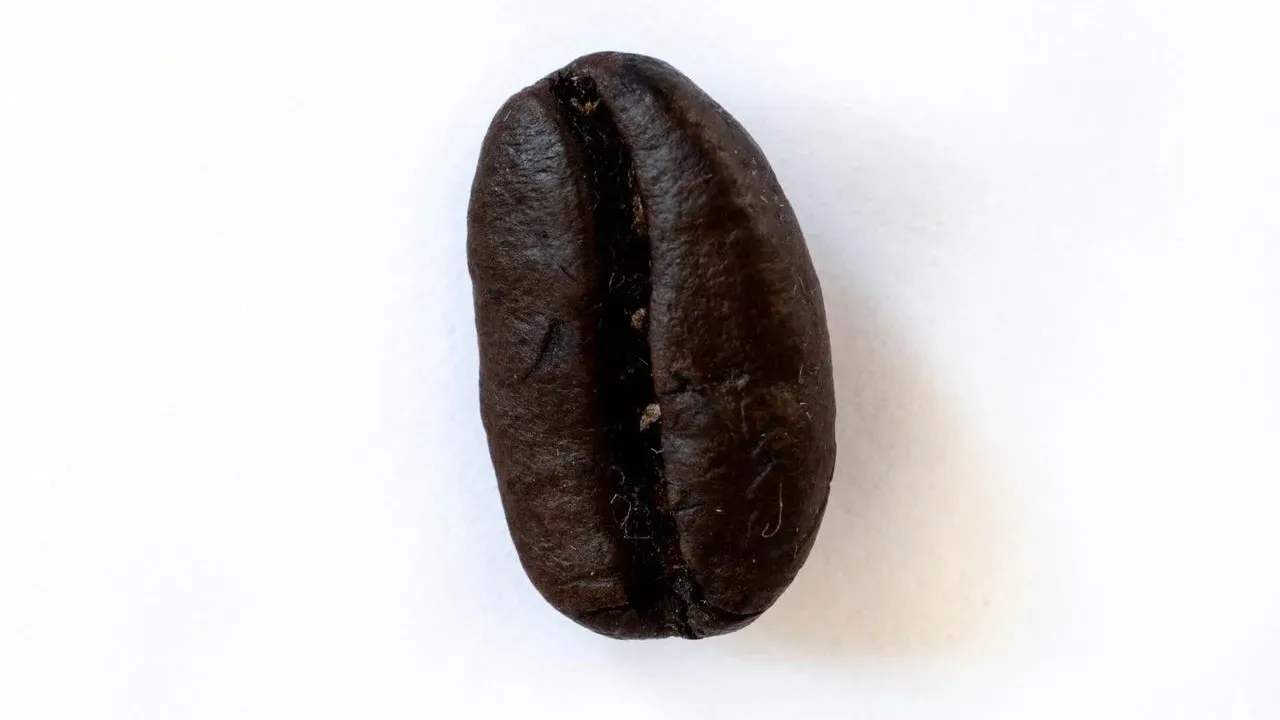

The pull of a café often begins before the first sip, as rich coffee notes blend with vanilla, caramel, and warm spices to create an inviting space. Recreating that same sensory experience at home relies on straightforward habits rather than specialized gear or professional skills. A few deliberate choices around daily routines can shift the mood of an ordinary kitchen into something more welcoming and layered. ([1])
Building the Foundation With Fresh Coffee
Whole beans hold their fragrant oils far better than pre-ground varieties, which lose potency soon after exposure to air. Grinding them fresh releases those volatile compounds right into the room, delivering the roasted scent that defines many cafés. A basic blade grinder proves sufficient for most households and makes an immediate difference in aroma strength. Storing beans in an airtight container away from sunlight preserves their quality over time. Grinding only the amount needed for each brew keeps the process efficient while maximizing the scent release. Some households even grind a small extra portion solely to scent the air before visitors arrive.
Selecting Roasts and Brewing Methods
Medium and dark roasts generally produce more noticeable aromas than lighter ones, with tasting notes of chocolate, caramel, or nuts translating well into kitchen environments. Beans from regions such as Colombia, Ethiopia, or Sumatra each bring their own distinct profiles worth sampling over repeated mornings. Preparation choices also shape how widely the fragrance spreads. French press and pour-over techniques leave coffee exposed longer than enclosed drip machines, allowing more scent to circulate. Moka pots generate a concentrated, espresso-style brew with an intense presence that fills the space quickly. Adding flavored elements like vanilla or caramel cold foam introduces complementary notes that rise with the steam. Creamier bases such as oat or soy milk carry those aromas differently than lighter options, extending the overall effect beyond the cup itself.
Layering Scents Through Simple Simmering
Café atmospheres rarely rely on coffee alone. A stovetop simmer pot combines cinnamon sticks, orange peel, and a splash of vanilla extract in water over low heat to create a steady background fragrance. Gentle simmering preserves the aromatic oils far longer than a vigorous boil, which can scorch the mixture and shorten the pleasant effect. This approach complements the coffee ritual without overwhelming it and works well on days when additional depth feels needed. The method stays flexible, allowing small adjustments to suit personal preferences while keeping the kitchen inviting for hours.
Enhancing the Experience With Baking and Setup
Fresh baking adds another dimension that many associate with cafés. Simple items like scones, banana bread, or even store-bought cookie dough release browning butter, caramelizing sugars, and warming vanilla that fill the space rapidly. Timing these activities around moments when the aroma will be most appreciated, such as before work or guest arrivals, heightens the impact. Designating a visible coffee station with beans in clear containers, accessible mugs, and the grinder nearby turns the process into a deliberate ritual. This setup primes the senses and signals that coffee holds a central place in the home. Proper ventilation management, such as keeping exhaust fans off during brewing, helps retain the scents where they can be enjoyed most. Over repeated use, these combined habits create lasting associations with comfort and focus. The kitchen evolves from a purely functional area into one shaped by personal sensory rituals that reward consistency.
AI Disclaimer: This article was created with the assistance of AI tools and reviewed by a human editor.