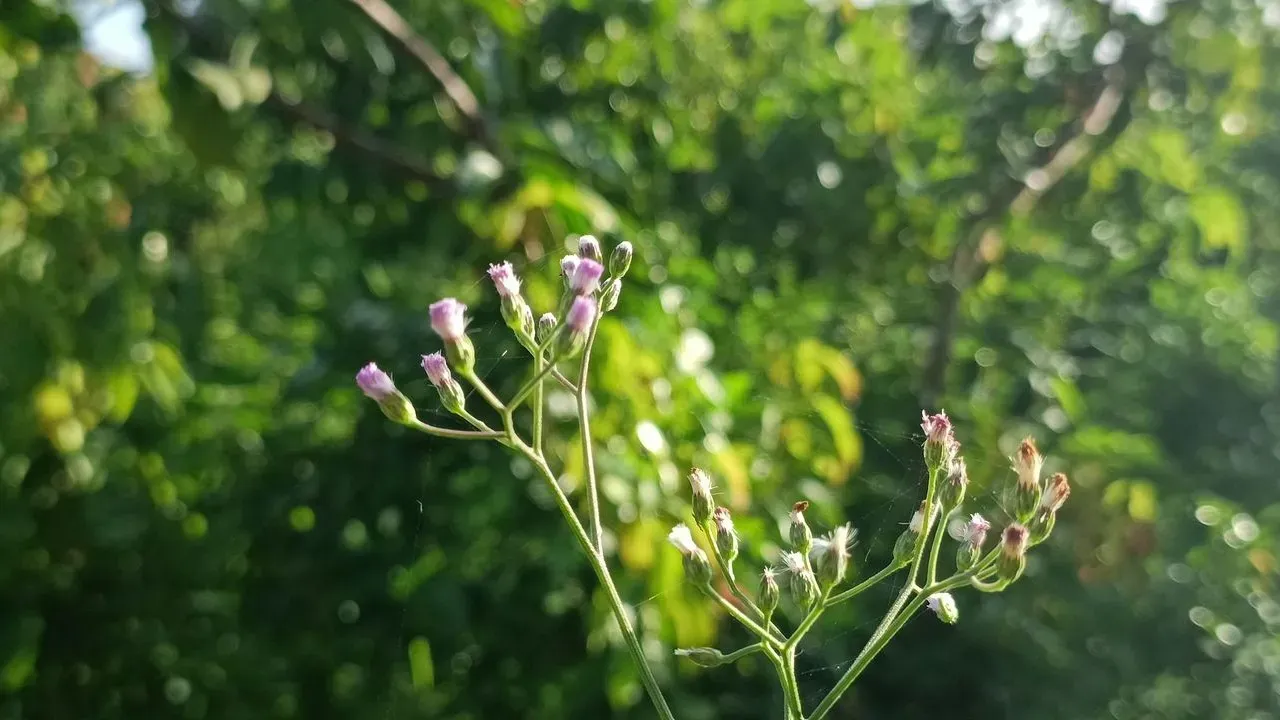

Along rural roads in Indiana this September, tall stands of bluish-purple flowers stand out against the late-summer landscape. The native perennial known as ironweed draws attention for its vivid color and reliable timing. Gardeners looking for low-maintenance options that support pollinators have a strong candidate in this plant. Its presence on roadsides hints at resilience that translates well to home landscapes. ([1])
Visual Impact and Seasonal Timing
The flowers reach significant height and produce clusters of deep bluish-purple blooms that remain visible from a distance. This display peaks in September and continues into early fall, filling a gap when many other perennials have finished. The color holds steady even as surrounding vegetation begins to fade. Such consistency makes ironweed a reliable marker of the changing season in the Midwest.
Observers note that the plant appears in large numbers along country routes, creating repeated patches of color. This widespread occurrence reflects its adaptation to local conditions without special care. For gardeners, the same traits mean fewer interventions once established. The result is a plant that contributes structure and color at a time when many beds look tired.
Benefits for Pollinators and Gardeners
Ironweed serves as a late-season resource for bees and butterflies seeking nectar. Its open flower structure allows easy access for a range of insects active in early autumn. Planting it extends support for these visitors beyond the peak summer months. The practical outcome is a garden that remains productive for wildlife even as temperatures drop.
Homeowners gain a perennial that tolerates typical Indiana soils and weather patterns. Once rooted, it requires limited watering or fertilizing compared with many cultivated varieties. This reduces ongoing costs and effort for the gardener. Over time, the plant can form stable clumps that return each year with minimal division.
Practical Considerations for Planting
Site selection favors full sun and average moisture levels, conditions common in many residential yards. Spacing allows for the plant’s mature height and spread without crowding neighbors. Early fall planting aligns with the natural cycle and gives roots time to settle before winter. Local nurseries or native plant sales often carry ironweed starts suited to the region.
Maintenance stays straightforward: remove spent stems in late winter or early spring. The plant shows resistance to many common pests and diseases that affect garden perennials. Gardeners report steady performance across varying rainfall years. These traits lower the risk of disappointment for those adding natives for the first time.
Long-Term Value in the Landscape
Ironweed contributes to biodiversity goals by supporting insects that face fewer resources in fall. Its presence can encourage other beneficial species to visit the garden. Over several seasons, the plant helps build a more balanced ecosystem in the yard. This outcome matters for gardeners interested in measurable environmental contributions from their plant choices.
The combination of striking color, seasonal reliability, and pollinator support positions ironweed as a practical addition rather than a novelty. Its roadside success demonstrates durability that carries over to cultivated settings. Gardeners who include it this fall can expect visible results the following season and beyond.
AI Disclaimer: This article was created with the assistance of AI tools and reviewed by a human editor.