

It Starts with Your Tap Water
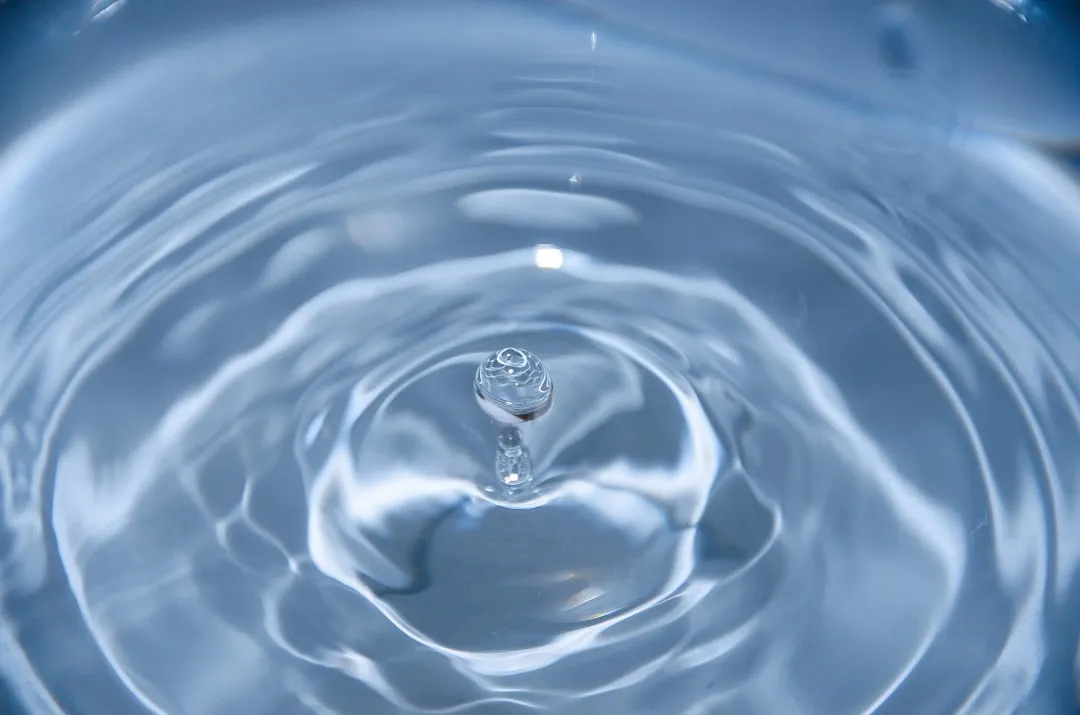
If the water supply in your neighborhood has a funny taste due to algae, mineral deposits, sulfur, or other impurities, you’re going to taste it in your ice. That connection is more direct than most people realize, because freezing water doesn’t remove those compounds. It locks them in.
If your ice tastes like chemicals, it could be due to chlorine in the water supply. Chlorine is commonly used to disinfect tap water but can leave behind a chemical taste. This is one of the most consistent complaints about homemade ice, and it rarely has anything to do with the freezer itself.
The Freezer Odor Problem Is Very Real
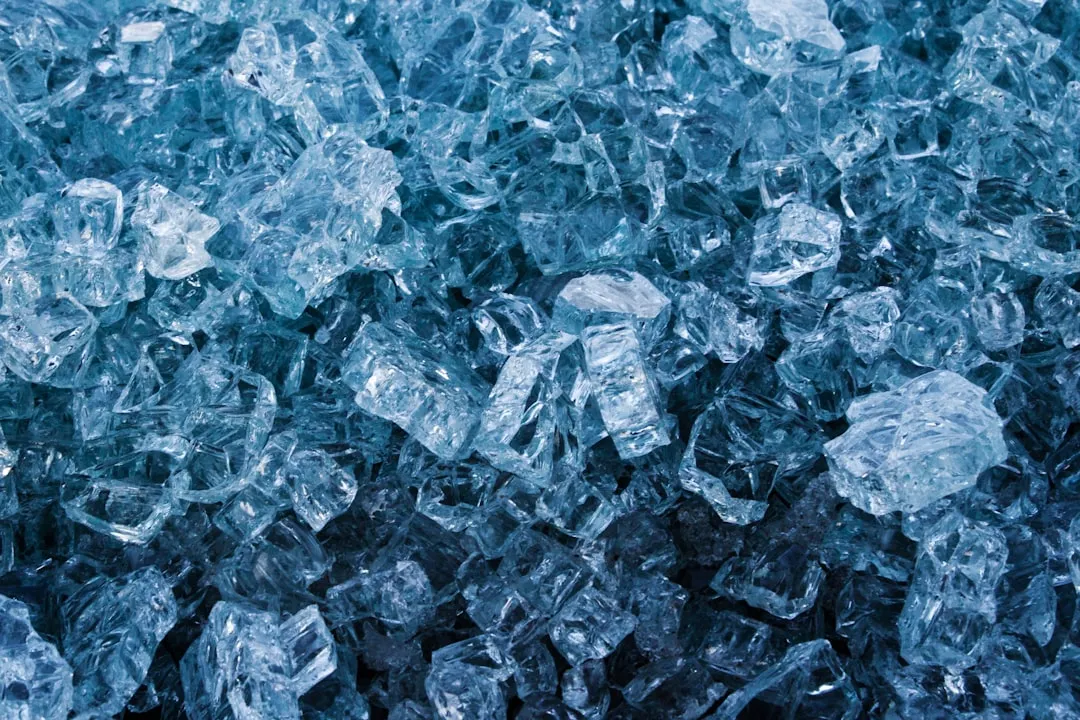
As ice sits in your freezer, it slowly absorbs odor compounds from nearby foods. Garlic, onions, seafood, frozen leftovers, and other strongly scented foods can all contribute to what people describe as “freezer taste.” It is the same reason ice left uncovered for weeks rarely tastes as fresh as a new batch.
The longer ice stays exposed, the more opportunity it has to absorb odors and slowly lose quality through sublimation, a process where ice gradually turns directly into water vapor even below freezing. This is worth knowing, because most people assume frozen means preserved indefinitely.
To avoid odor absorption, you can store freshly made ice cubes in a plastic bag within the freezer, which will help prevent them from picking up any odors and altering their taste. It is a simple step, though most people skip it entirely.
Commercial Ice Uses Filtered Water by Design

Almost any commercial ice maker will have a good quality filter in it for two reasons. First, it lowers maintenance costs on the machine by removing some minerals and chlorine. Second, it removes chlorine since that will affect the flavor of cocktails and food.
Some brands advertise the use of filtered, reverse osmosis, deionized, or distilled water. These processes remove dissolved minerals, chlorine taste, and many contaminants. That level of water treatment is rarely happening in a standard home freezer setup.
Even in localities where the tap water tastes good, most refrigerators either don’t have an in-line filtration system or have a higher level of mold, mildew, or stagnant water sitting in the water line. Therefore, the ice being made in it is also “tainted” or “cloudy.”
Speed of Freezing Changes Everything
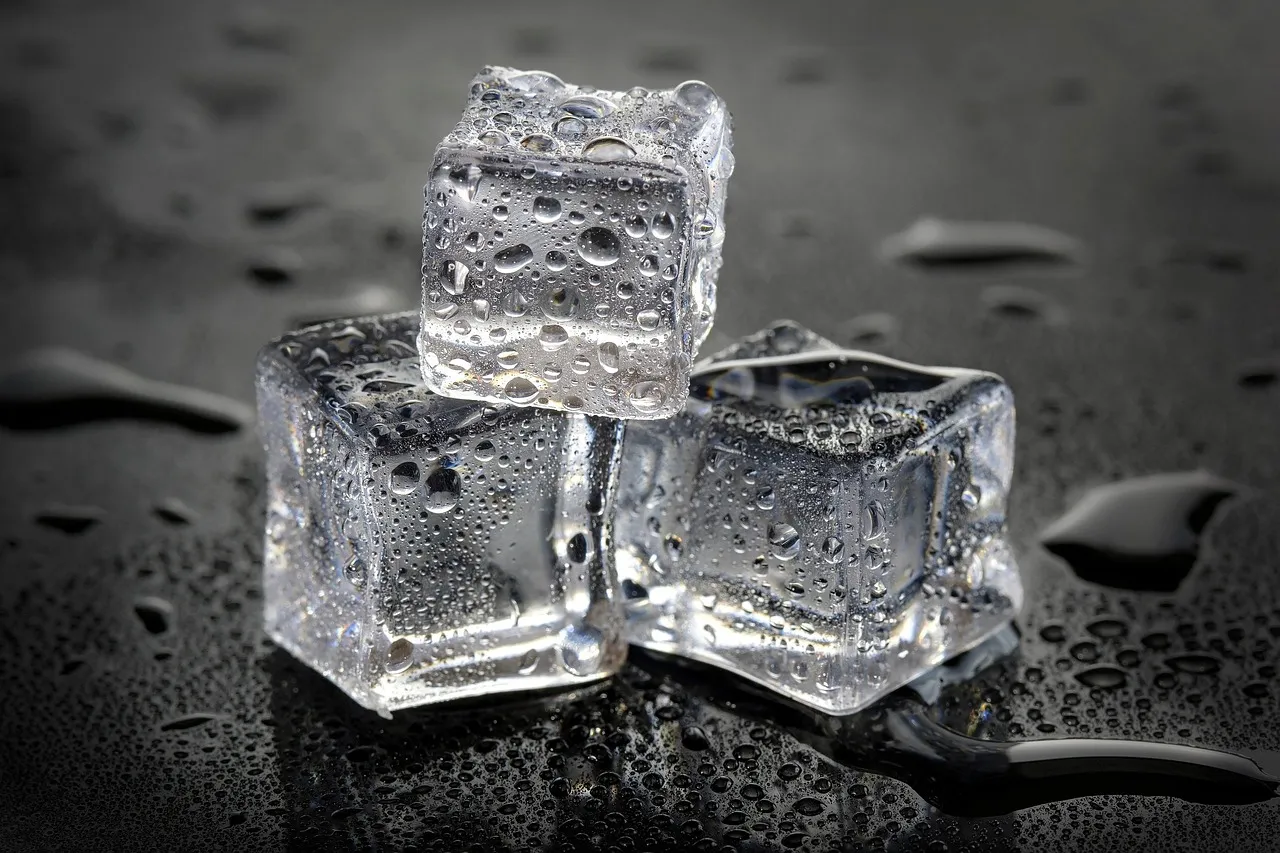
Ice machines freeze water at a slower rate than home freezers do. Not only does this mean the ice is clearer, but it’s also denser thanks to the lack of non-water substances getting in the way, so it looks better and melts more slowly.
Homemade ice will often melt much faster due to the presence of small air bubbles stuck inside the ice. On the other hand, a perfectly solid ice cube packed with only water molecules will have very small crystals and maintain its low temperature longer.
Trapped Air Makes Ice Cloudy and Worse-Tasting

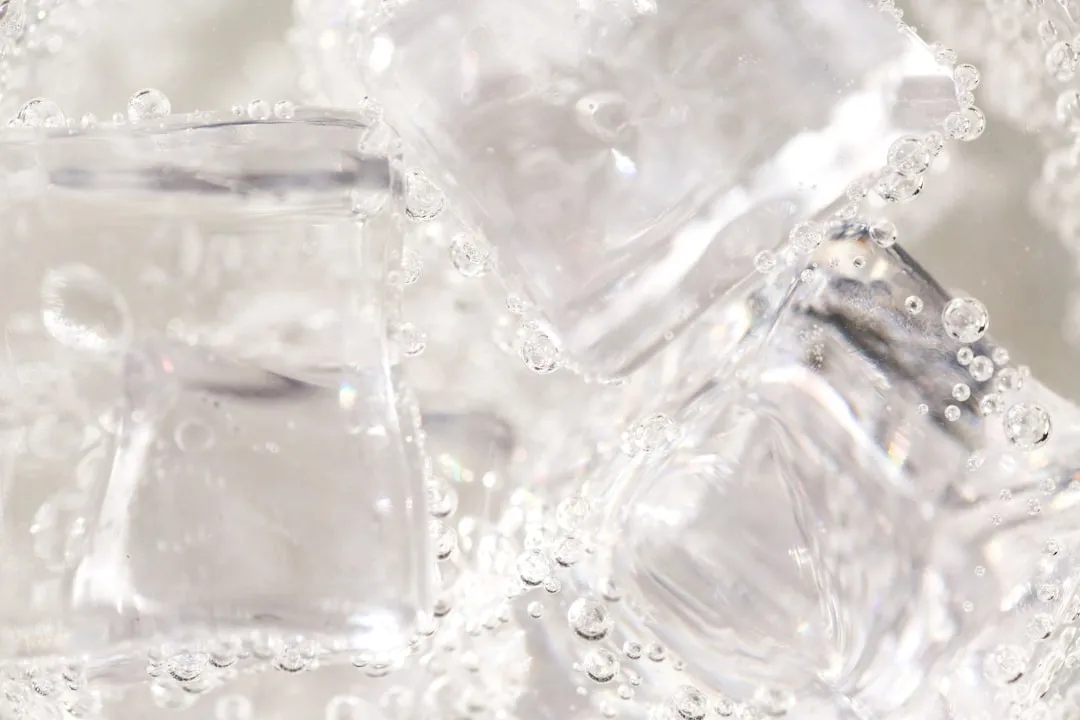
The cloudy, white-ish colour we associate with homemade ice is actually thanks to the air trapped in the frozen water. That cloudiness is not cosmetic. It affects the structure and behavior of the ice itself.
Cloudy ice is full of microscopic air bubbles and tiny cracks. These imperfections act like fault lines, transferring heat into the ice and causing it to fracture and melt faster. Clear ice is dense and solid throughout, with no trapped air.
Regular ice tray ice is opaque because of air trapped inside of it when it freezes quickly, as it does in most household freezers. That rapid freezing is a normal part of how home refrigerators work, and it is nearly impossible to avoid without purpose-built equipment.
Directional Freezing Is the Key Difference

Many commercial ice machines freeze water from the inside out using a waterfall-style process. Water flows over a cold surface and freezes in layers, while displaced impurities and dissolved gases are washed away rather than trapped. That is why restaurants and coffee shops using commercial machines often get much clearer ice than a home freezer, even when the incoming water is the same.
Directional freezing eliminates this problem by ensuring that solidification travels in a single, controlled direction. Dissolved air and impurities are continuously pushed ahead of the freezing front and expelled before they can become trapped in the ice structure. What remains is optically clear, dense, and structurally uniform.
Store-Bought Ice Melts More Slowly
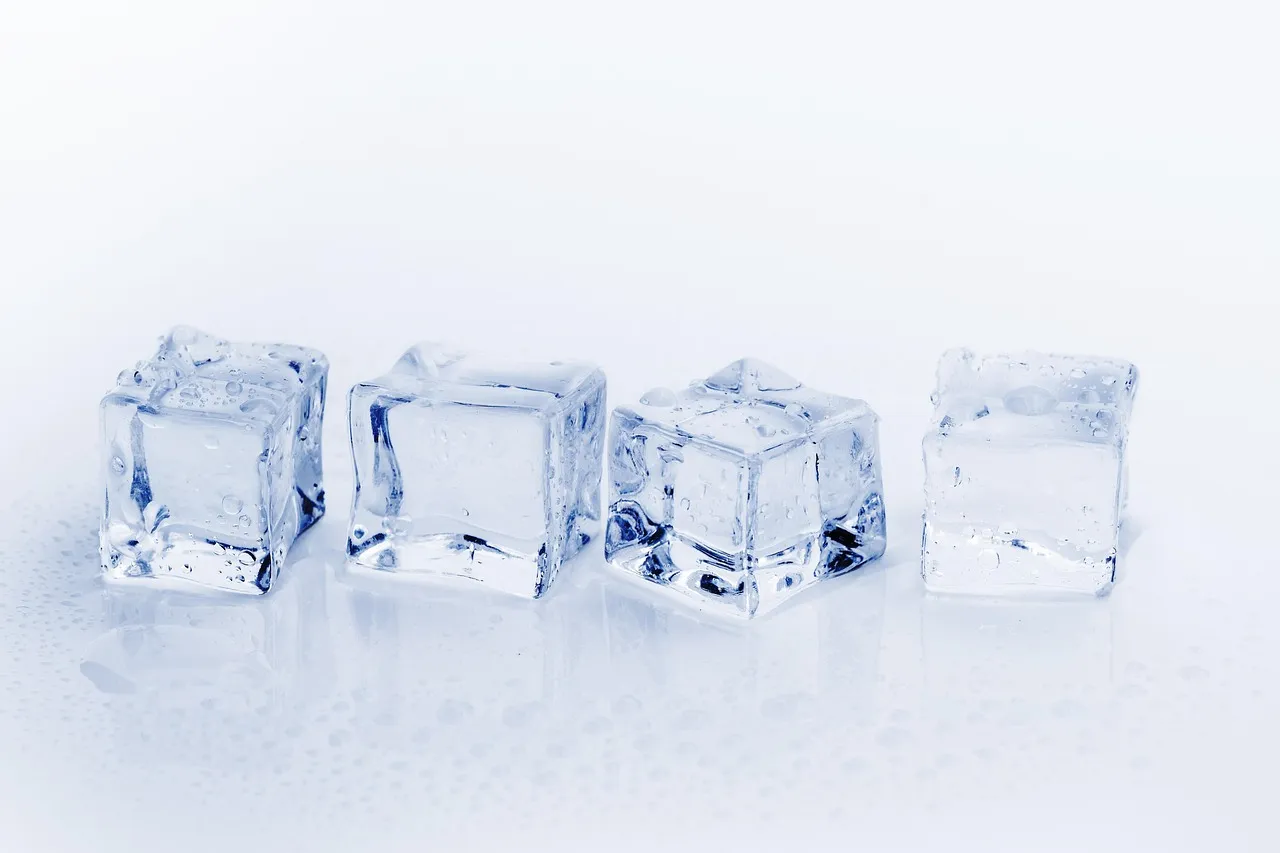
Clear ice melts more slowly and dilutes your drinks less quickly, which helps them stay colder longer without getting watered down or losing any flavor. Because it is made from water without impurities, it does not alter the way your beverage tastes.
The melt rate of clear ice is significantly lower, which means a whiskey served on a clear cube stays cold and undiluted for 20 to 30 minutes instead of becoming watery in 10. That is a real, measurable difference, not just a perception.
Silicone Trays and Old Ice Trays Carry Their Own Issues
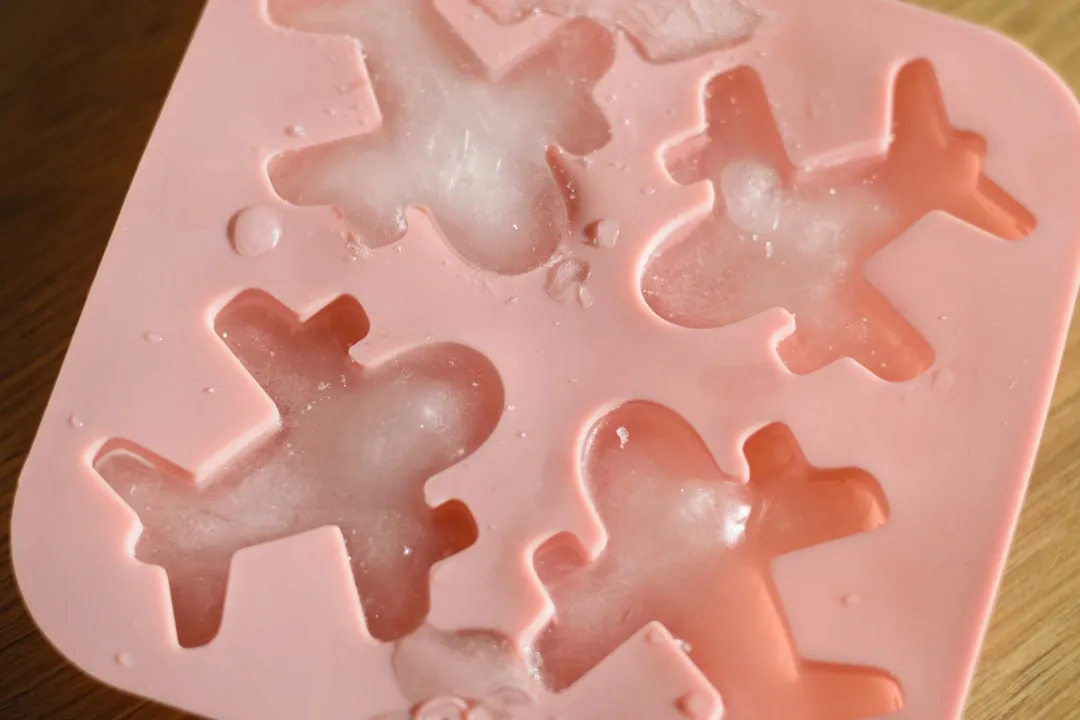
Wash your ice trays every so often, especially silicone ones, which tend to hold onto odors over time. This is a commonly overlooked source of off-flavors that has nothing to do with the water or the freezer environment itself.
If the filter in a refrigerator isn’t working properly, impurities in the water can end up in the ice cubes. Generally, we tend to notice these impurities more when they are frozen in ice cube form compared to drinking the water directly from the tap. That amplification effect is part of why ice flavor problems feel so noticeable.
Home Filtration Can Close the Gap

Ice made at home using well-maintained reverse osmosis filtration and hygienic practices frequently outperforms retail ice in terms of clarity, taste, and microbial safety. Compared to built-in fridge filters, dedicated home filtration systems often provide superior water quality, resulting in even clearer and better-tasting ice.
To get perfectly clear ice at home, try starting with distilled water. Bottled water may or may not be distilled and therefore may cause cloudy ice, so be sure to check the label. Even without a directional freezing setup, starting with cleaner water makes a noticeable difference.
Controlling the quality of the water you freeze means cleaner cubes in your glass and fewer hidden additives in your drinks. It is one of those small improvements that costs very little but pays off in every glass.
The Sustainability Angle Worth Knowing
Making ice at home eliminates plastic packaging, making it a cleaner option for the environment. Store-bought ice comes sealed in single-use plastic bags that usually end up in landfills or waterways. When you use reusable trays or a built-in ice maker, you skip that waste entirely.
When you freeze water at home in reusable trays or an efficient freezer, you skip the single-use plastic bags, transport emissions, and constant industrial refrigeration that come with store-bought ice. So while commercially produced ice often tastes better out of the bag, the environmental ledger is more complicated.
The Takeaway
The flavor gap between homemade and store-bought ice is not imaginary, and it is not mysterious. It comes down to water quality, freezing speed, trapped air, odor absorption, and tray hygiene. Commercial ice producers engineer around most of these problems by default, while home freezers do none of it automatically.
The good news is that a few simple adjustments, such as using filtered water, storing ice in a sealed bag, cleaning trays regularly, and experimenting with directional freezing methods, can get homemade ice surprisingly close to store-bought quality. You probably will not replicate a commercial machine, but you can stop tasting your leftover soup in every sip.
AI Disclaimer: This article was created with the assistance of AI tools and reviewed by a human editor.