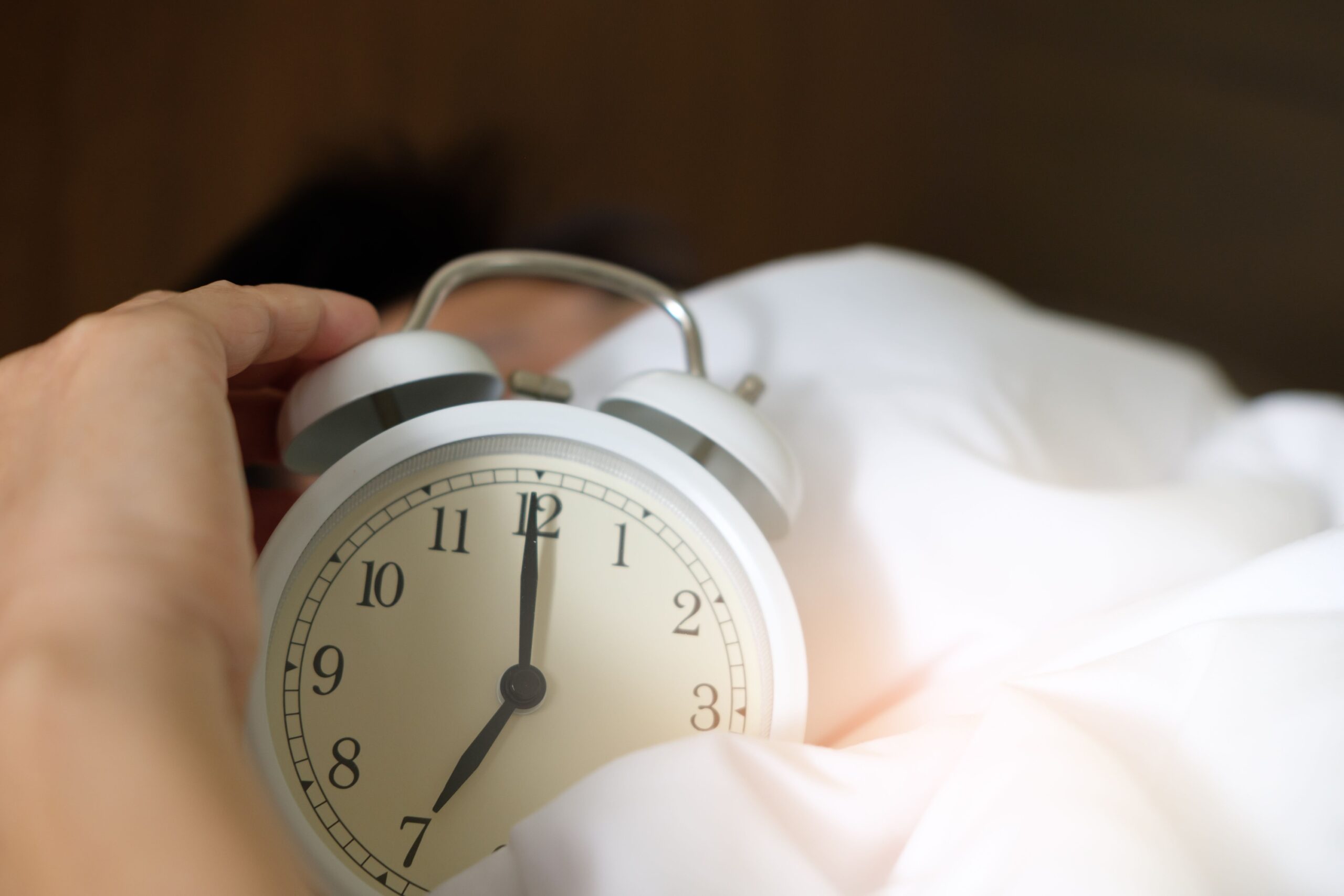

Your Sleep Cycles Hit a Structural Turning Point Around This Hour
Waking up at 3 AM usually comes down to a predictable shift in sleep architecture. Around that time, your body has burned through most of its deep sleep for the night and is cycling more frequently through lighter stages, making you far more vulnerable to brief awakenings. Think of it like a building that shifts from solid concrete floors to thin plywood: disturbances that had no effect earlier now pass straight through.
Toward the end of each sleep cycle, sleep becomes lighter, making brief awakenings more likely. Deep sleep also occurs mostly in the earlier part of the night and becomes less frequent as morning approaches. That means waking in the early hours is not unusual.
That architectural shift means that by 2 AM or 3 AM, you are simply easier to wake. A noise, a snoring partner, a full bladder, a cold room – disturbances that deep sleep would have absorbed at 11 PM can tip you into full wakefulness at 3 AM.
Cortisol Starts Rising Hours Before You Actually Need to Wake Up

Cortisol, your body’s primary alertness hormone, doesn’t wait for your alarm. It begins rising in the final hours before your typical wake time, preparing your metabolism, immune function, and brain for the demands of the day. This is entirely normal biology, but it has an obvious side effect: it makes you progressively easier to rouse.
In healthy individuals, cortisol does not typically spike sharply at exactly 3 AM. Instead, it increases gradually between approximately 2 and 4 AM in preparation for waking. The distinction matters. This isn’t a malfunction. It’s your internal clock doing its job a few hours early.
Waking up does not activate an increase in the release of cortisol. Cortisol does, however, increase in the hours prior to wakening as part of the body’s preparation for the next day, according to research led by the University of Bristol. The hormone is more likely contributing to the waking than responding to it.
Your Body Temperature Hits Its Lowest Point Right Around 3 AM

Core body temperature falls through the night and reaches its lowest point in the hours before dawn. Around the same time, the body begins its natural pre-waking rise in cortisol, the hormone that mobilises energy and alertness for the day ahead. These two processes converge at almost exactly the same window.
The combination of rising cortisol and lighter sleep stages creates a window around 3 to 4 AM where your brain is primed to flip into alert mode at the slightest provocation. Even a minor environmental trigger that wouldn’t have registered at midnight can cut through cleanly at this hour.
Stress and Anxiety Make the Whole System Tip Much Earlier

In the early morning, the body begins preparing to wake up, and levels of cortisol start to rise. This increase is part of the body’s normal daily rhythm and helps us feel more awake as morning gets closer. If your mind is already crowded with worries about work, relationships, or everyday pressures, a brief awakening can quickly turn into a full spell of overthinking.
This is why 3 AM waking so often shows up during stressful periods. A stressed nervous system runs warmer: sleep is lighter, awakenings are more frequent, and the mind that surfaces at 3 AM finds its problems waiting, magnified by the darkness and the silence.
For those experiencing stress, anxiety, or trauma-related conditions, cortisol levels are already elevated. So when cortisol rises at 2 to 3 AM, it triggers the sympathetic nervous system, leading to an increased heart rate and blood pressure, factors that can make you wake up earlier than planned and make it much harder to fall back asleep.
A Hyperarousal Loop Can Quietly Take Hold

Studies found patients with early morning awakening insomnia had their temperature and melatonin rhythms shifted 2 to 4 hours earlier than normal. This means their biological clock isn’t simply misfiring at 3 AM; it’s actually running on a different schedule entirely.
A 2024 study in the Journal of Psychiatric Research tracked 207 people for 9 days. Researchers monitored emotional fluctuations constantly. They found a hyperarousal factor made up of tension and distress. People with insomnia scored higher on hyperarousal at every single timepoint.
Roughly three in five individuals with chronic insomnia experience a dysregulated hypothalamic-pituitary-adrenal axis. When this occurs, even minor stressors can activate the system early in the morning and lead to full wakefulness. The threshold for stress response is much lower than in people sleeping normally.
Blood Sugar Dips Overnight and Your Brain Notices
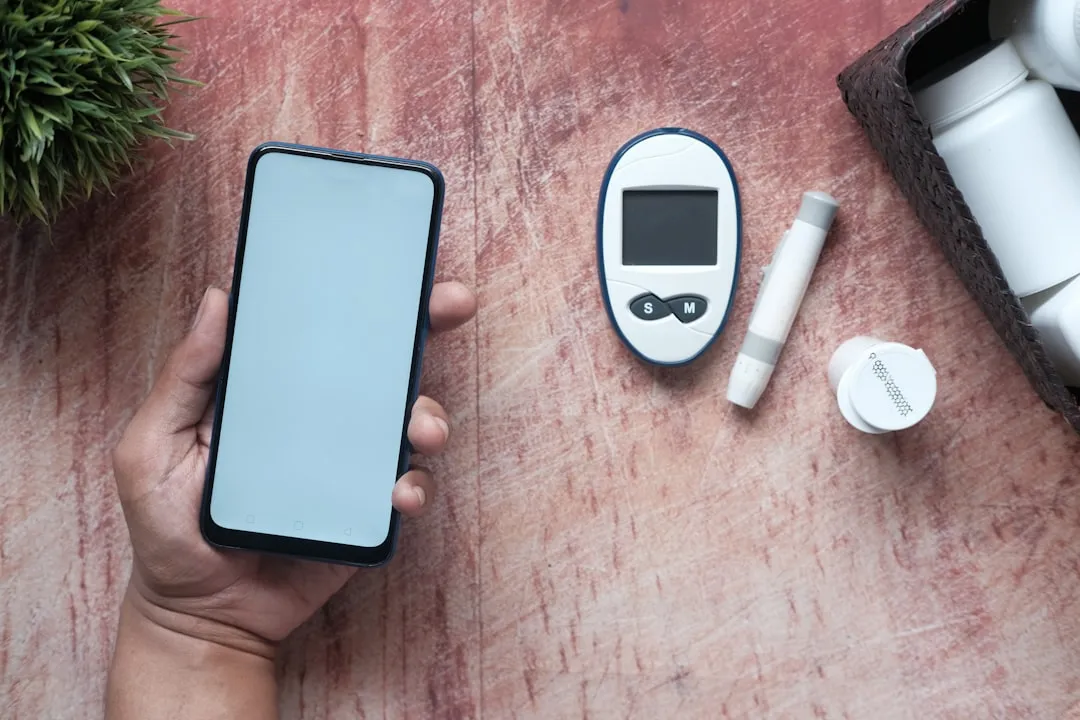
Blood sugar drops overnight. Glucose levels decline during extended fasting, which can signal your brain to increase arousal as a protective mechanism. This metabolic shift explains why some people wake feeling anxious or with racing thoughts they can’t quite pin down.
Nocturnal hypoglycemia can trigger awakening as the brain detects insufficient fuel supply. This typically occurs 4 to 6 hours after the last meal, coinciding with early morning hours for most people. The brain responds by increasing arousal and triggering counter-regulatory hormones like cortisol and adrenaline to mobilize glucose stores.
Late-night refined carbohydrates cause rapid glucose spikes followed by sharp drops. This pattern can manifest as 3 AM awakenings accompanied by anxiety, a racing heart, or sweating. It’s not a dramatic medical emergency for most people, but it is a real and underappreciated trigger.
Alcohol Does the Opposite of What Most People Expect

Alcohol may make it easier to fall asleep initially, but it disrupts sleep quality during the second half of the night. It suppresses REM sleep and increases the likelihood of waking in the early morning hours. This is one of the most common and least suspected reasons people jolt awake at 3 AM.
A systematic review and meta-analysis published in Sleep Medicine Reviews confirmed that alcohol consumption adversely affects REM sleep in a dose-dependent manner. Changes in sleep architecture were observed, including a delay in the onset of REM sleep and a reduction in the duration of REM sleep.
A drink or two in the evening acts as a sedative initially, helping you fall asleep faster. As your liver metabolizes the alcohol over the next several hours, the sedation wears off and your nervous system swings in the opposite direction. This rebound effect brings sympathetic activation, increased arousability, and fragmented sleep, typically hitting hardest in the second half of the night.
Caffeine Has a Longer Reach Than You Think

Caffeine has a half-life of five or more hours. An afternoon coffee can still be active at 2 AM. That’s not a minor detail. For someone who had a coffee at 3 PM, a meaningful amount of caffeine may still be circulating in their system at midnight or beyond.
Caffeine, even if it was last consumed in the afternoon, can increase the chance of waking. Most people attribute their 3 AM waking to stress or a bad mattress. The afternoon latte rarely makes the suspect list, but it probably should.
This May Actually Be an Ancient Sleep Pattern, Not a Disorder

Writers barely bothered explaining what a “first sleep” and “second sleep” were, because everybody already knew. Then, around the time of the Industrial Revolution when artificial light pushed bedtimes later, those two sleeps fused into one. The 3 AM awakening may be less a malfunction than a vestige of how humans historically slept.
Before electric lighting compressed sleep into a single block, waking mid-night was normal and culturally expected. People would read, pray, or have quiet conversations during this window before drifting back into what was called the second sleep. The fact that this pattern still surfaces today suggests it’s deeply wired into human biology.
Hormonal Changes in Midlife Add Another Layer

Cortisol has long been linked to the jolt of wide-awake clarity that hits at 3 AM as part of its natural rise ahead of morning. A 2026 review in the journal Physiologia looked at sleep disruption during the menopause transition, which affects an estimated forty to sixty percent of women going through it. As estrogen and progesterone decline, the drop in progesterone alone can undercut deep sleep, while overnight hot flushes and a resurgence of cortisol in the second half of the night combine to make sleep hard.
Older adults wake up at 3 AM far more often because of these biological shifts. It’s not simply a matter of lighter sleeping with age. The internal clock itself shifts, melatonin production decreases, and the hormonal scaffolding that holds sleep together becomes less stable over time.
What You Can Actually Do About It

Eating a balanced dinner with protein, fat, and complex carbohydrates helps prevent the blood sugar crashes that trigger adrenaline release overnight. Cutting alcohol, or at minimum stopping it well before bed, removes one of the most reliable triggers. Keeping your bedroom between 60 and 67 degrees Fahrenheit prevents temperature-driven awakenings in the early morning.
Research suggests that anxiety tends to be highest in the morning hours, partly because of the same cortisol dynamics that make early waking more likely. One effective strategy from cognitive behavioral therapy for insomnia is this: if you’ve been awake for 20 to 30 minutes and are not falling back asleep, get out of bed. Lying in bed awake trains your brain to associate the bed itself with wakefulness.
Most 3 AM wake-ups are normal, but consistent nighttime waking that affects how you feel the next day is worth addressing. Occasional episodes are part of being human. A pattern that leaves you exhausted and anxious most mornings is worth discussing with a doctor or sleep specialist.
The Takeaway

The 3 AM wake-up is less mysterious than it feels in the moment. Your body temperature is at its lowest point, your cortisol is quietly climbing, your sleep stages have shifted toward light and fragmented territory, and any stress, sugar dip, or alcohol metabolite you’ve been carrying gets its clearest shot at pulling you fully conscious right around that window.
Understanding the biology doesn’t make the wide-eyed staring at the ceiling any less annoying. Still, it does remove the sense that something is badly wrong. Most of the time, you’re not broken. You’re just a human running ancient biological programming in a world that expects you to sleep straight through it.
AI Disclaimer: This article was created with the assistance of AI tools and reviewed by a human editor.