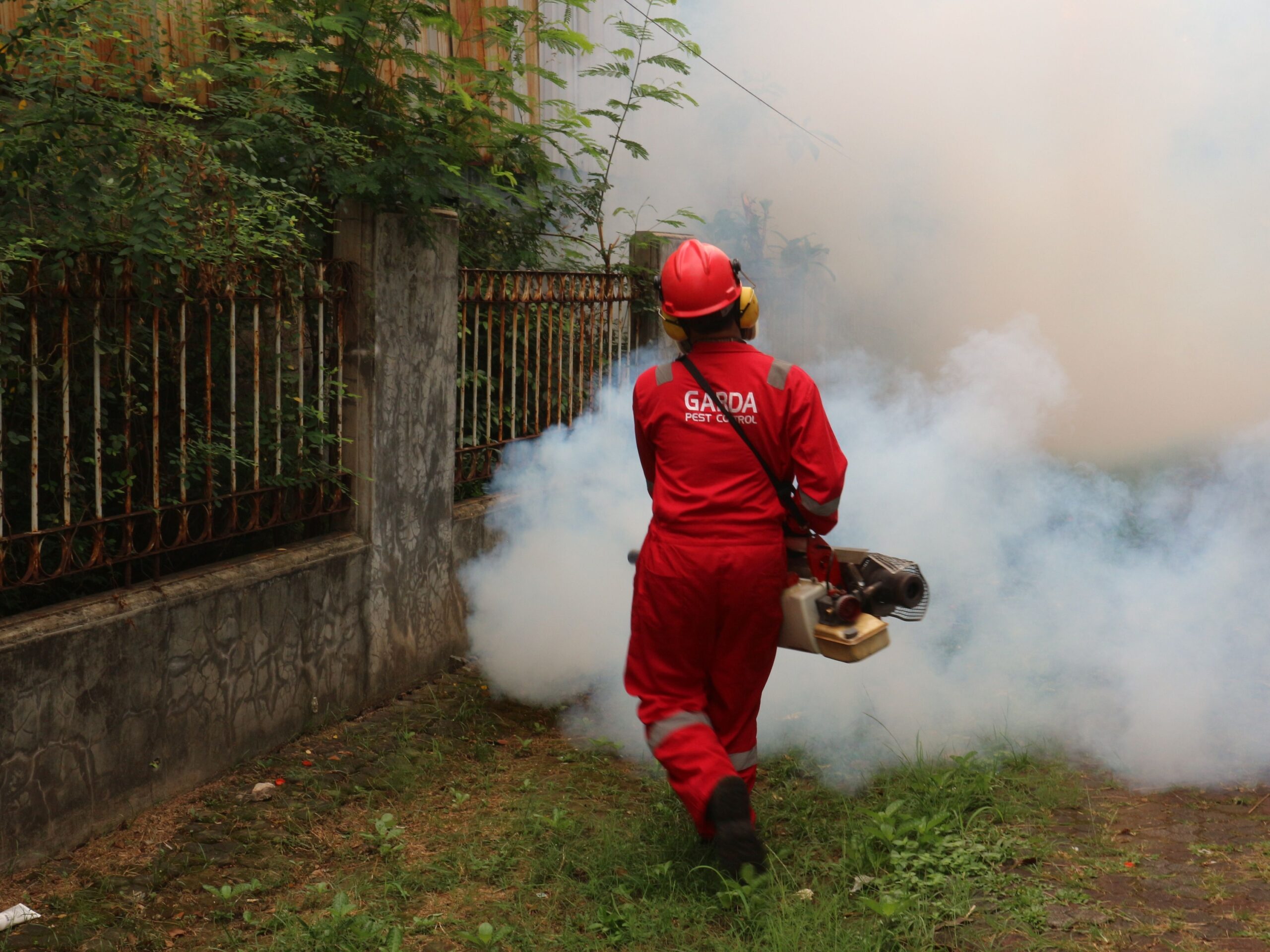

1. The Crawl Space
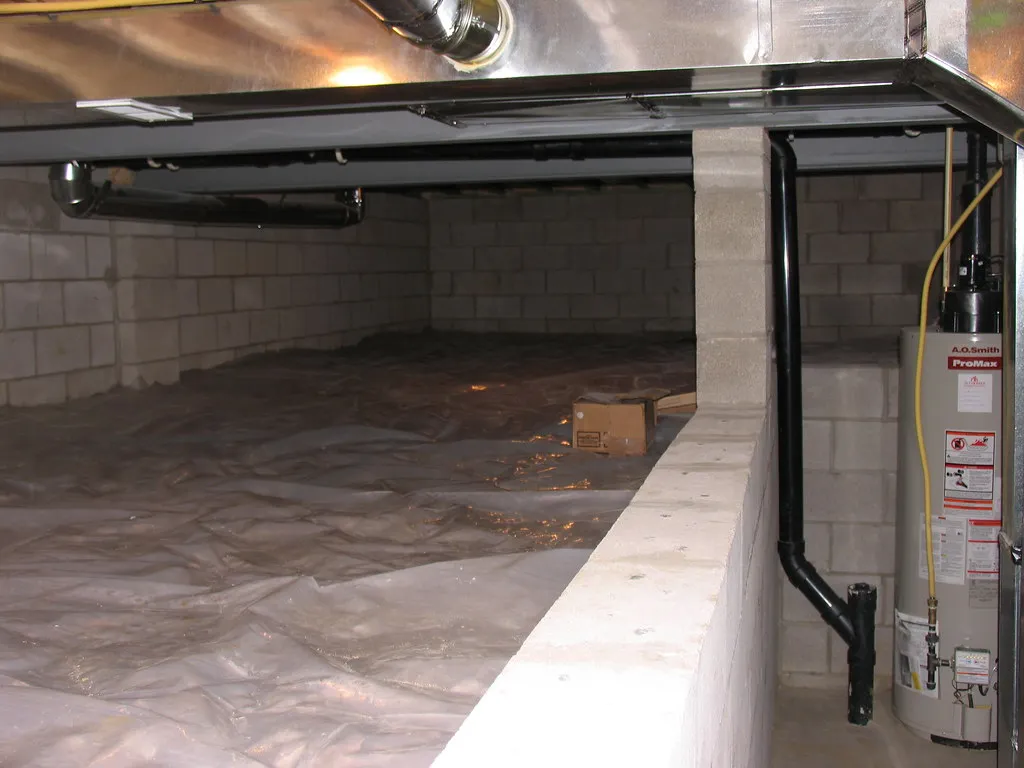
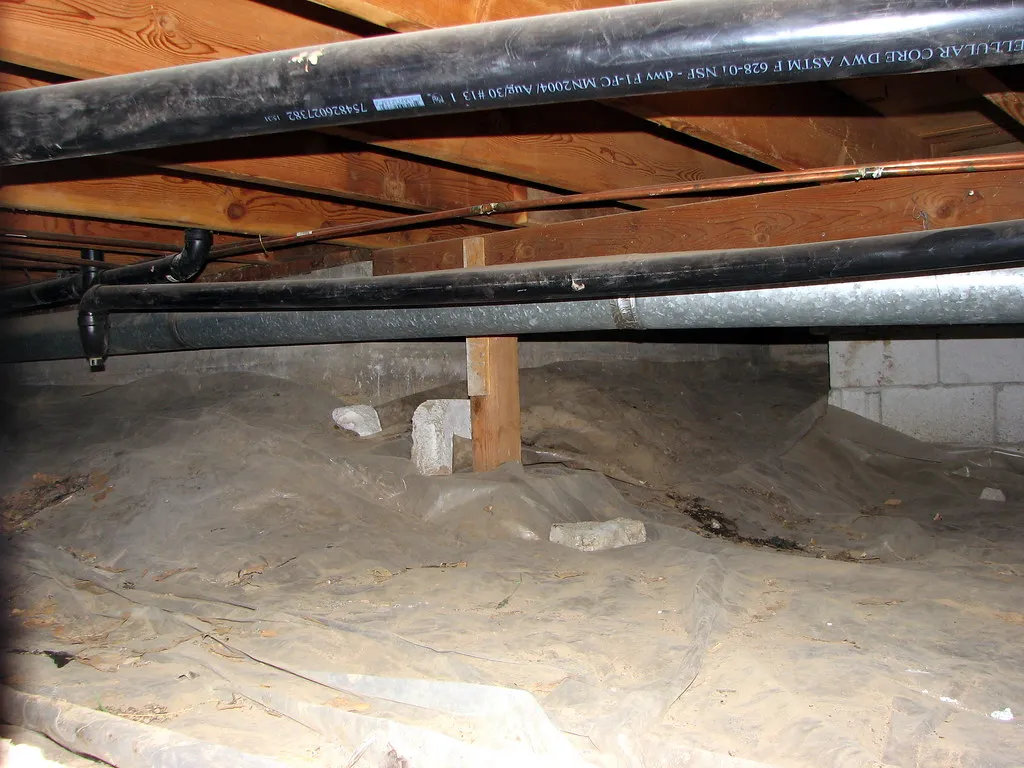
Most homeowners open the crawl space hatch maybe once after moving in, then never again. Pest professionals, on the other hand, treat it as the first stop on any inspection. Many infestations go undetected for months because they occur out of sight, and by the time homeowners notice scratching sounds, strange odors, or droppings in the basement, animals may already be breeding inside the structure.
Crawl spaces are especially prone to termite issues, and professionals can also inspect and help defend this space from other pests like rats, mice, and ants, using methods such as encapsulation and vapor barriers. The combination of exposed soil, moisture, and limited airflow creates near-perfect conditions for a wide range of pests to nest undisturbed.
Crawl space inspectors are fully geared and trained to enter these confined areas, something homeowners shouldn’t attempt themselves. It is recommended that you bring an inspector in at least twice a year, but preferably each season to ensure seasonal issues aren’t present.
2. Foundation Gaps and Exterior Cracks
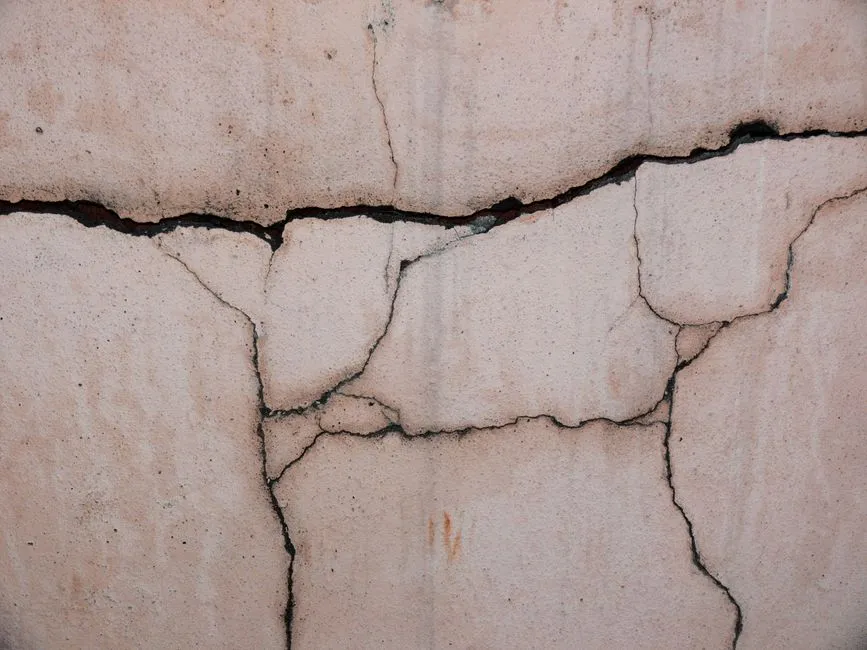
A crack in your foundation might look cosmetic from a homeowner’s perspective. To a rodent, it’s a front door. Based on a 2024 Pests.org Home Entry Audit, 63% of reported rodent entries occurred through foundation gaps under half an inch wide, and these paths let ants, rodents, and roaches move from the yard directly into your living areas.
Termites, too, are primarily attracted to moisture and wood and invade properties through cracks in building exteriors. Professionals scan the entire perimeter at ground level, looking for hairline fractures, gaps around utility conduits, and where the foundation meets the siding. These are places most homeowners walk past every day without a second glance.
Sealing gaps wider than a quarter inch, keeping tight vent covers, and inspecting weather stripping each spring and fall prevents most infestations before they start. The fix is often inexpensive. The oversight, though, can cost thousands.
3. Weep Holes and Brick Veneer Gaps
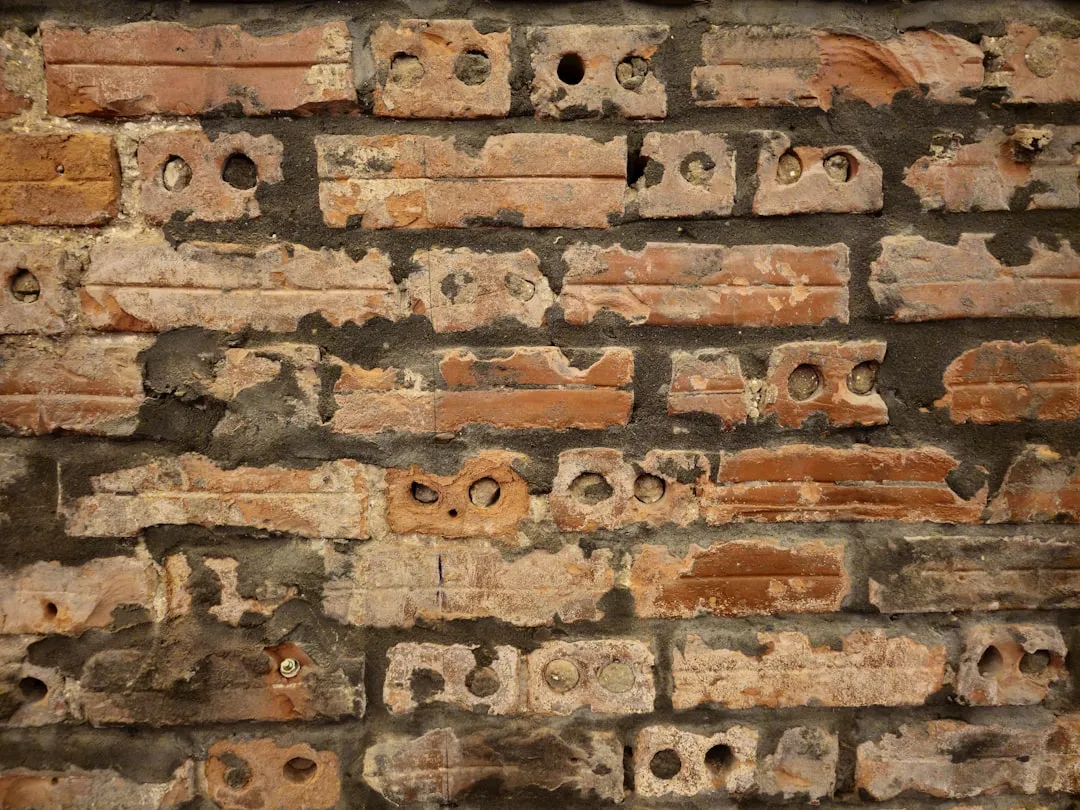
Brick weep holes are small openings built into exterior masonry walls to allow moisture to drain out. They serve a genuine structural purpose. They also happen to be perfectly sized for wasps, mice, and certain ant species to slip through. Most homeowners have never heard of them, let alone inspected them.
Pest professionals recommend covering attic and crawl space vents, brick weep holes, and the dryer vent with quarter-inch hardware cloth or purpose-made covers that still allow airflow. The key word there is “purpose-made.” Blocking them entirely creates moisture problems, so the solution requires specific materials rather than a blob of caulk.
Experienced technicians walk brick facades slowly, noting which weep holes are open, which show signs of activity like mud dauber clay or grease marks, and which gaps in the mortar have grown wide enough to become entry points. It’s methodical work that requires knowing what you’re looking for in the first place.
4. Behind and Beneath Kitchen Appliances
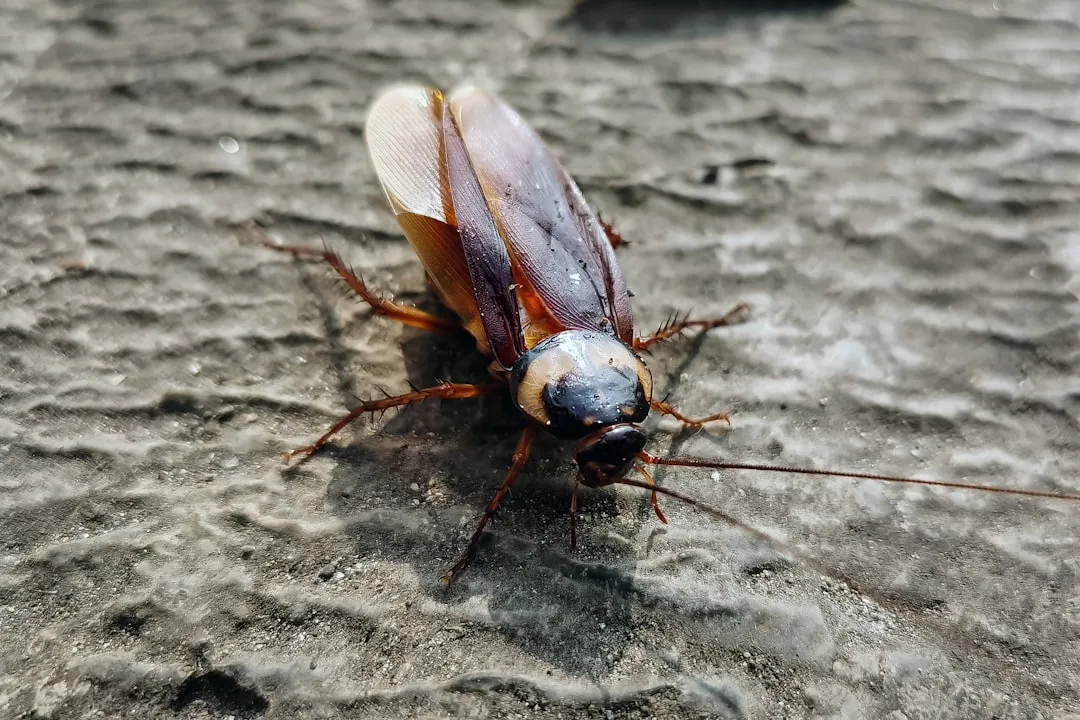
Cockroaches are drawn to warm, enclosed spaces with access to food residue. The gap behind a refrigerator, the warm motor cavity beneath a dishwasher, and the area under a stove are prime real estate. Cockroaches remain one of the most common indoor pests, thriving in warm, humid environments and carrying bacteria that can trigger allergies and food contamination.
Professionals pull appliances away from walls during inspections, checking for droppings, egg casings, and grease trails. Over 98 percent of cockroaches may carry harmful pathogens or microorganisms, which makes early detection behind appliances far more important than it might appear on the surface. A routine deep clean simply doesn’t reach the areas a pest tech will examine.
The motor housing beneath a refrigerator generates consistent heat year-round, which is exactly what insects look for during cooler months. If you’ve never pulled your fridge out and examined the wall and floor behind it, you’re not alone. You’re also missing one of the most common cockroach harborage points in any kitchen.
5. Attic Insulation and Roofline Gaps
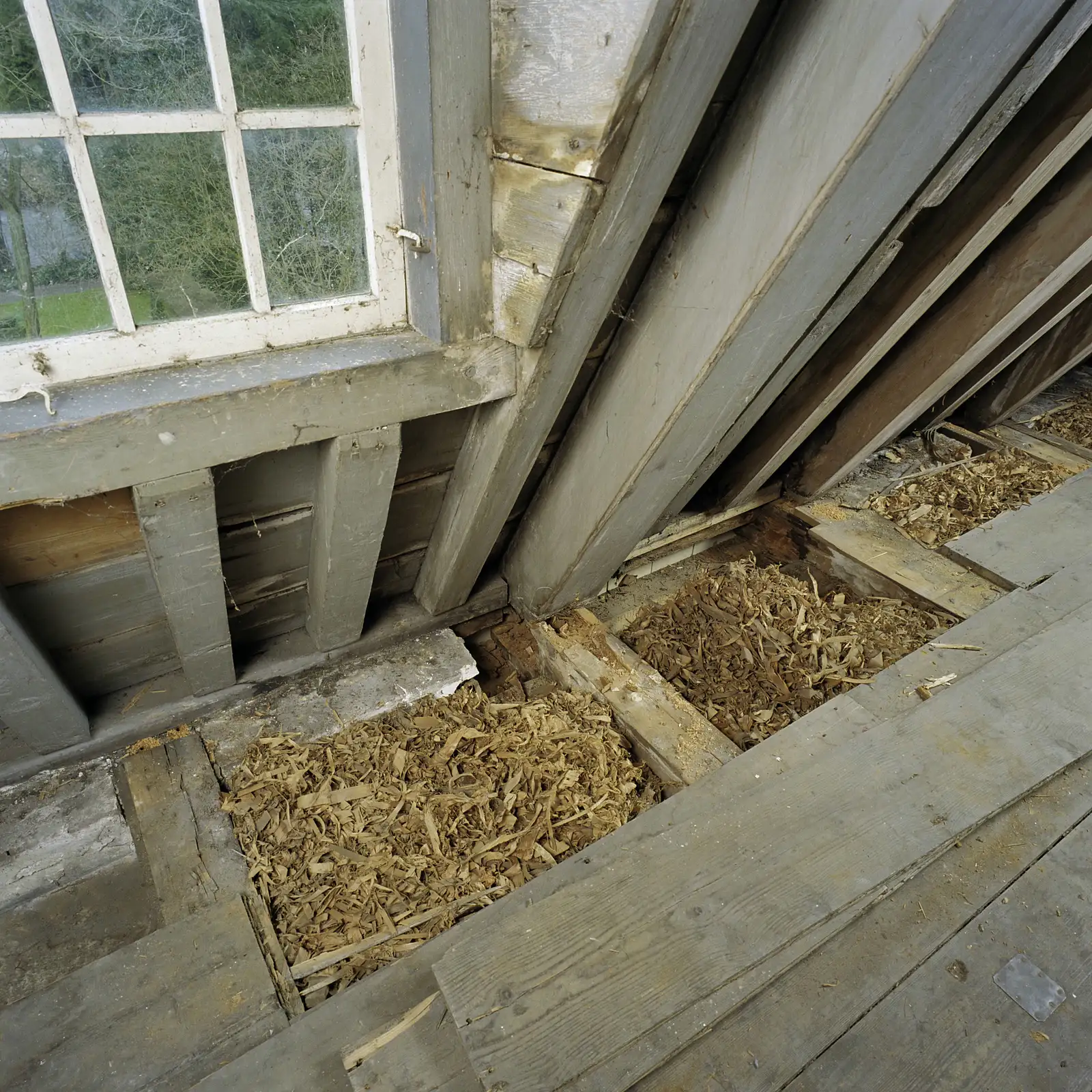
By the time homeowners notice scratching sounds, strange odors, or droppings in the basement, animals may already be breeding inside the structure. Knowing how to identify attic and crawlspace pests early can save thousands of dollars in repairs and protect your family from health risks.
Attic insulation is particularly attractive to rodents because it provides warmth and nesting material in one place. Rodents infest approximately 21 million U.S. homes each winter, and a significant portion of those entries happen through the roofline. Professionals check fascia boards, ridge vents, soffit edges, and any spot where roofing materials have shifted or deteriorated.
Drones are now being used by some pest control services to monitor and treat large areas for pest infestations efficiently, including identifying termite damage on rooftops and attics. Even without high-tech tools, a trained inspector knows to look for gnaw marks, compressed insulation trails, and nesting debris that most homeowners would dismiss as settling dust.
6. Gaps Around Utility Penetrations
Every pipe, cable, and wire that enters your home from the outside passes through a hole. These penetrations are often sealed quickly during construction and rarely inspected again. Over time, caulk shrinks, foam degrades, and what was once a tight seal becomes a gap wide enough for ants, mice, or even small rats to push through.
Pest professionals seal all holes, gaps, and cracks, noting that common points of rodent and insect entry include under poorly sealed doors and where pipes and wires go through walls. For utility penetrations, small gaps can be filled with foam, spackle, or caulking. The trouble is that most of these penetrations are in basements, behind cabinetry, or under sinks where homeowners rarely look.
Sewer vent pipes can be covered with commercial shields to prevent rodents and birds from entering the building by slipping through gaps next to the pipes. The number of active entry points found around utility penetrations in an average home routinely surprises homeowners during a first inspection.
7. Under Sinks and Inside Vanity Cabinets
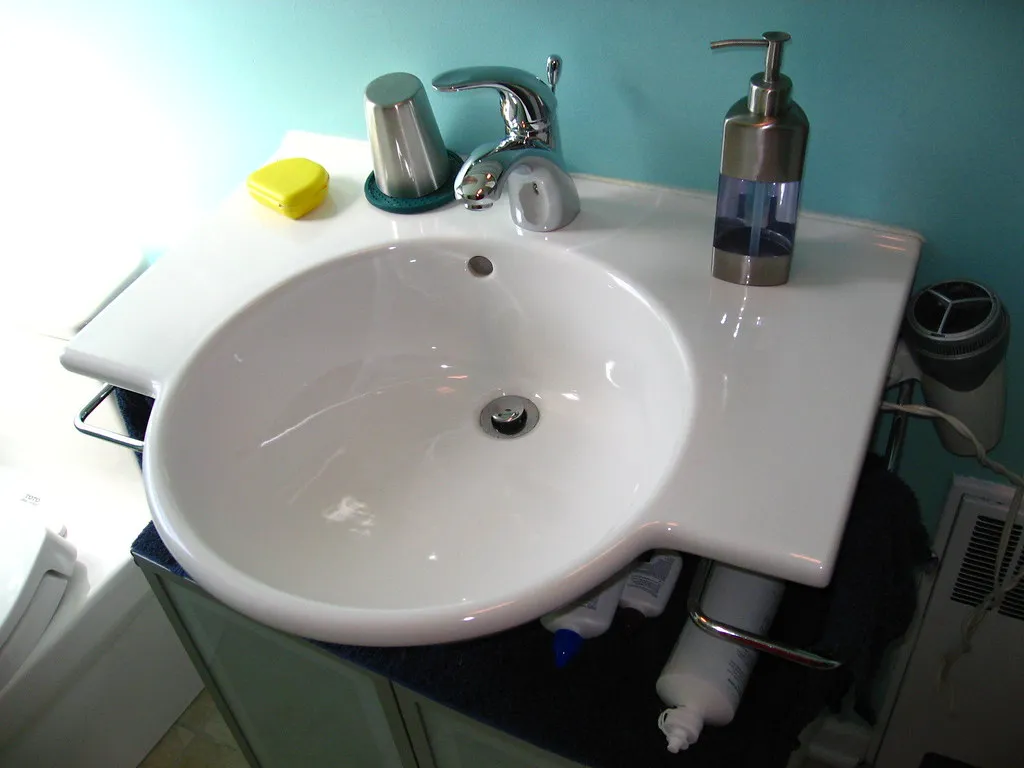
The interior of bathroom and kitchen sink cabinets checks several boxes for pests: moisture from pipe drips, darkness, and infrequent human intrusion. Pests like mosquitoes, cockroaches, and rodents are attracted to moisture, and sources of standing water include leaks under sinks, clogged drains, and areas where water collects around the foundation.
Pest technicians examine the back walls of under-sink cabinets closely, checking for droppings, egg casings, and the pipe entry holes where plumbing meets the wall. These holes are almost always larger than the pipe itself, and that gap is a reliable highway for cockroaches and occasionally small rodents. It’s not glamorous work, but it’s where many kitchen infestations originate.
Repairing leaks promptly, clearing gutters, and ensuring proper drainage around the home keeps pests at bay over the long term. But addressing the wet cabinet under the bathroom sink is where many professionals start, because it’s one of the most commonly overlooked moisture sources in any home.
What the Experts Do Next
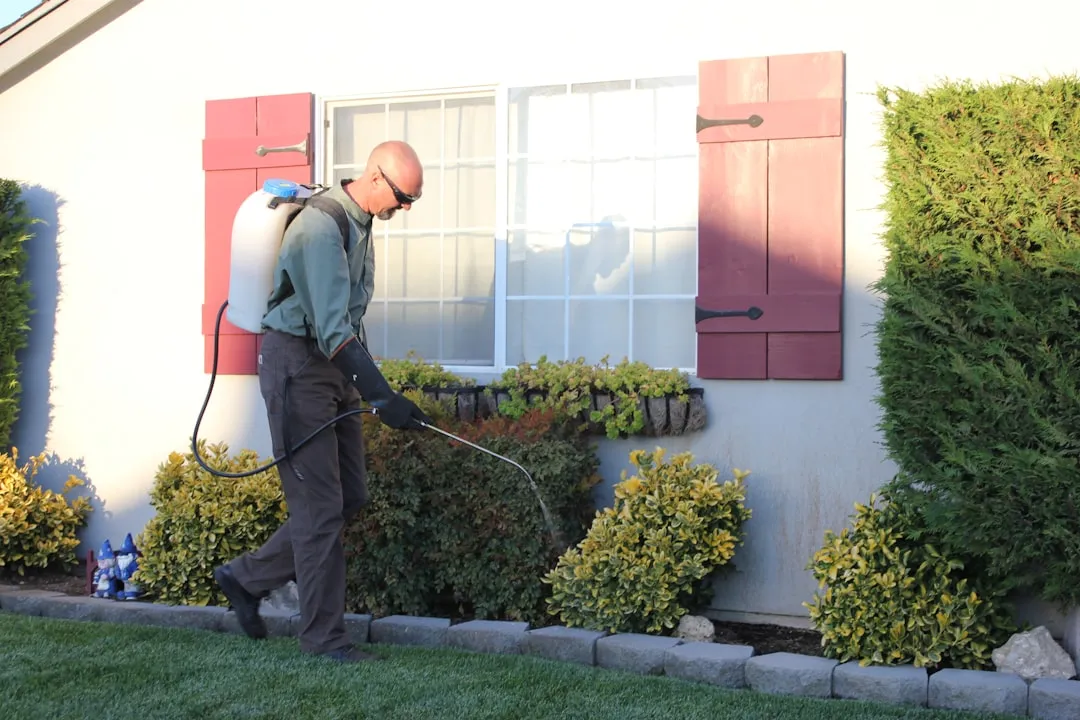
Exclusion specialists use fiber-optic scopes and thermal imaging to locate hidden access points, closing them with metal, mortar, or hardware cloth designed to withstand weather and gnawing. Reputable companies follow Integrated Pest Management, which prioritizes exclusion, sanitation, and monitoring before any chemical controls.
Even with the best prevention measures, professional pest inspections are key to catching small problems before they escalate into major infestations. The cost of an inspection is modest compared to what delayed treatment tends to cost. On average, a homeowner dealing with termites spends $3,000 to repair the damage, and that figure doesn’t account for rodent-chewed wiring or mold from moisture-related pest activity.
Termites alone affect more than 600,000 homes facing infestations each year, underscoring the importance of ongoing pest control efforts. The difference between a quick fix and a major remediation project is almost always early detection, and early detection almost always starts with looking in the right places.
The Blind Spots in Plain Sight
Research shows that one in five homeowners notices the most indoor pest activity during the fall, and the most popular preventive measure is sealing cracks and gaps around the home, chosen by 58 percent of households. The awareness is growing. The follow-through, for many, still isn’t quite there.
The seven locations in this article have one thing in common: they’re places that are easy to avoid without even realizing you’re avoiding them. A crawl space hatch stays shut because it’s awkward to open. The back of a vanity cabinet is never emptied. Foundation cracks get noticed and then forgotten during the next walk to the mailbox.
Pest professionals aren’t doing anything mysterious. They’re simply looking at the parts of a home that most people have decided, consciously or not, to leave to someone else. Knowing where to look is more than half the battle, and now you do too.
AI Disclaimer: This article was created with the assistance of AI tools and reviewed by a human editor.