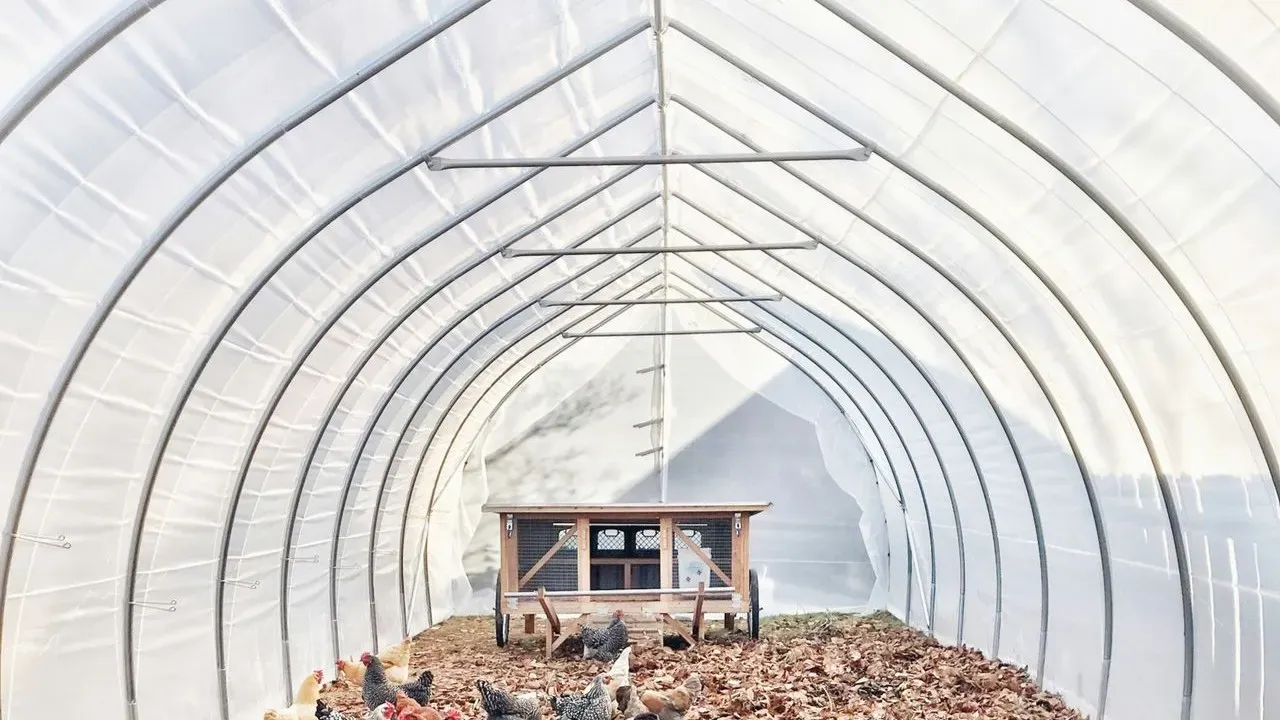

Home gardeners who keep laying hens in one fixed location often overlook a simple way to improve their soil. Mobile shelters, commonly called chicken tractors, allow the birds to forage across fresh ground while distributing manure and scratching the surface. This approach turns routine chicken care into an active soil-building process that stationary coops cannot match. The method draws on natural chicken behavior to reduce the need for purchased fertilizers and mechanical tilling.
The Core Soil-Building Mechanism
Chickens confined to a single coop deposit manure in one spot, which can lead to nutrient imbalances and odor issues. When the same birds move regularly across pasture or garden plots, their droppings spread evenly and mix into the topsoil through scratching. The result is a gradual release of nitrogen, phosphorus, and potassium that supports plant growth without concentrated piles. Gardeners report that grass stays shorter and more uniform under this system, while soil structure improves over successive rotations. The process works best when shelters advance to new sections every day or two, giving each area time to recover before the next pass. This rotation prevents overgrazing and keeps the birds on fresh forage that supplies additional insects and seeds.
Practical Design Choices That Support Soil Goals
Shelter size and weight directly affect how often and how easily the unit can be moved. Heavier frames resist wind but demand more effort or mechanical help, while lighter versions risk tipping in storms. Lower-profile shapes such as A-frames or hoops tend to stay grounded better than tall box designs. Wheels mounted at the corners simplify daily shifts on uneven ground, and a floorless base lets birds reach the grass directly. In some cases a wire or mesh floor becomes useful, especially with young birds, to avoid injury during moves. Nest boxes mounted inside the shelter and accessible from outside keep egg collection straightforward without disturbing the rotation schedule.
Protecting Birds While Maintaining Mobility
Predator defense remains essential even when the shelter travels. Electric netting around the perimeter deters digging animals, and a single strand of electrified wire at nose height adds further security. For areas with owls or raccoons, closing the shelter at night or using half-inch hardware cloth instead of standard chicken wire provides extra protection. Dust-bathing areas must still be supplied, either inside the shelter or set out on the pasture during dry weather. Temporary anchors or weighted buckets help secure the structure during high winds without permanent fixtures that would hinder movement.
Materials and Long-Term Considerations
Wood frames coated with nontoxic sealers offer durability for many builders, though rot-resistant species or replaceable bottom rails extend service life. Plastic pipe and metal conduit appear in some designs, yet each carries trade-offs in strength and weather resistance. Woven polyethylene or metal roofing provides reliable covers that last multiple seasons. Screws rather than nails keep joints tight through repeated moves. When the shelter sits idle in winter, elevating it on blocks prevents moisture damage to the frame. These choices keep the focus on consistent soil contact rather than frequent repairs.
The approach integrates poultry into garden cycles in a way that rewards consistent observation and modest adjustments. Over time, the combination of manure distribution, surface aeration, and natural pest control can reduce external inputs while supporting stronger plant growth.
AI Disclaimer: This article was created with the assistance of AI tools and reviewed by a human editor.