
1. Lentils: A Quiet Giant in the Iron World
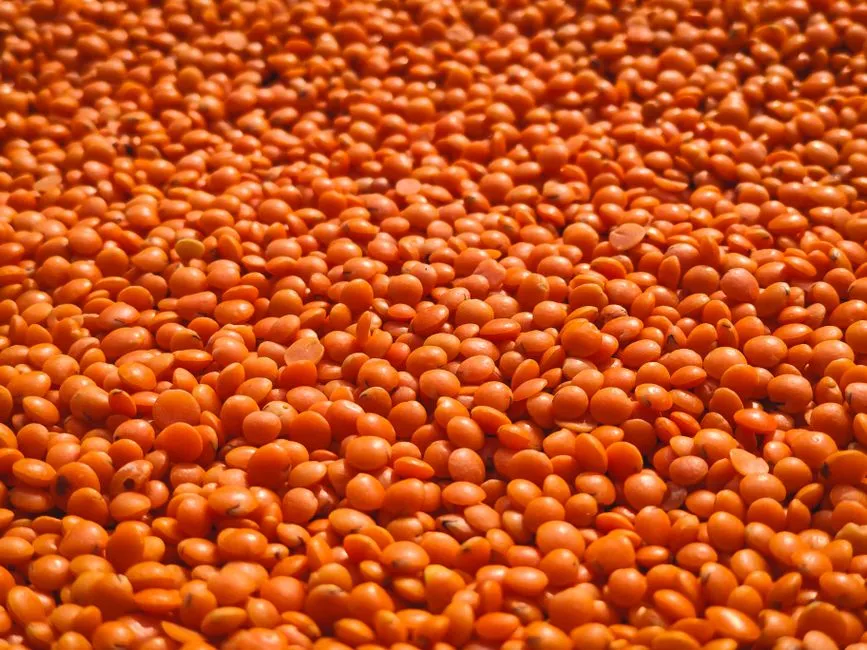
Lentils have been a staple across South Asian, Middle Eastern, and Mediterranean diets for centuries, and the nutrition science behind them is hard to argue with. One cup of cooked lentils delivers around 6.6 milligrams of iron, which represents a substantial contribution toward the daily requirements most adults need. Adults generally need between 8 and 18 milligrams of iron per day, with higher needs during pregnancy.
Fermented and sprouted grains and legumes are a particularly smart choice for people with iron deficiency, because sprouting and fermenting break down anti-nutrient compounds that can otherwise negatively impact iron absorption. Soaking your lentils overnight before cooking is a simple habit that genuinely pays off. They’re also high in fiber and plant-based protein, making them a well-rounded addition to any meal plan.
2. Spinach: More Nuanced Than Its Reputation Suggests
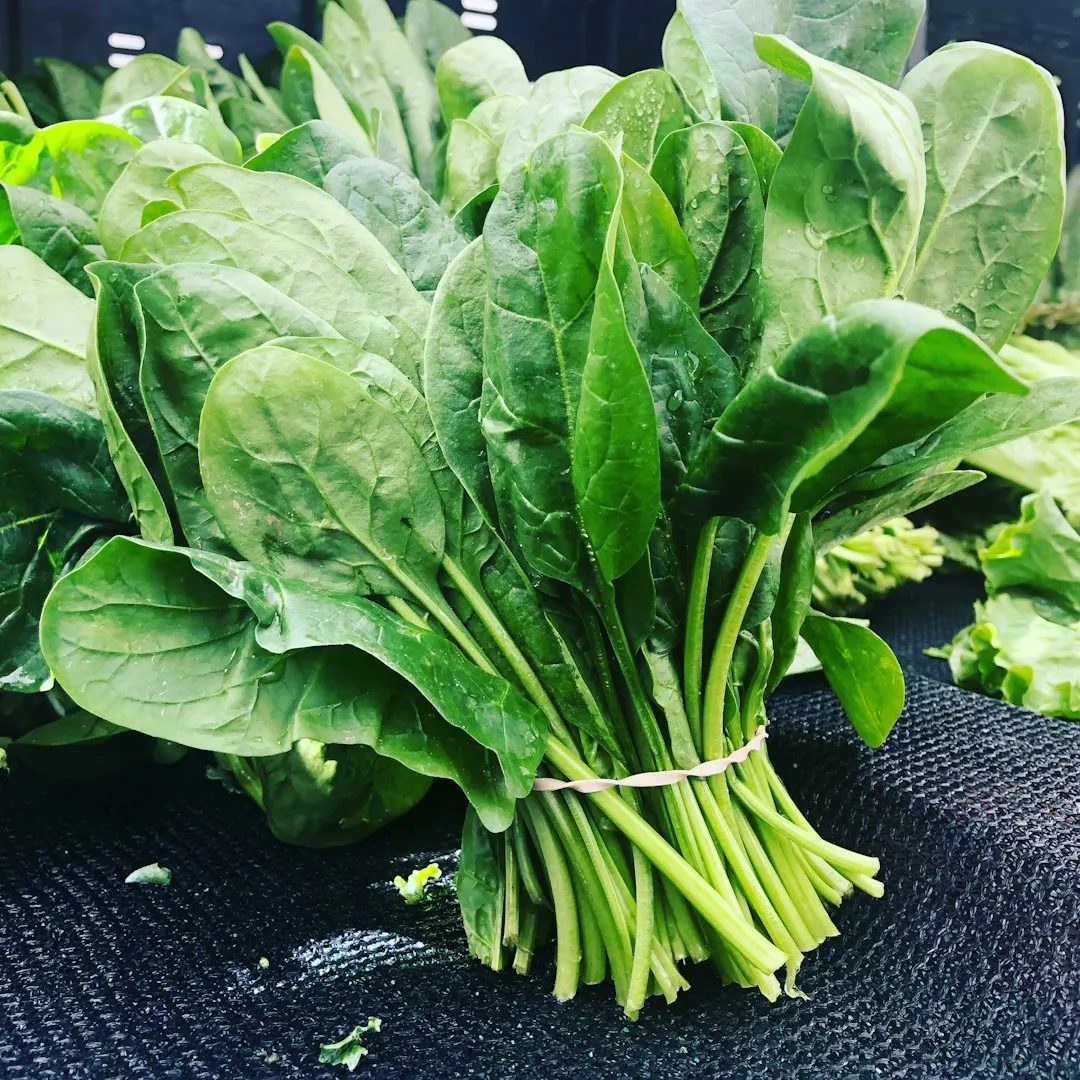
Spinach has long been associated with iron, partly thanks to cultural mythology, and while the reality is slightly more complicated, it remains a genuinely useful food. Cooked spinach contains around 3.6 milligrams of iron per 100 grams, which is a solid figure for a leafy vegetable. The key issue is that the iron it contains is non-heme iron, meaning your body needs a little help to absorb it efficiently.
Because non-heme iron is not easily absorbed, pairing plant foods like spinach with vitamin C-rich foods in the same meal dramatically improves how much iron your body actually absorbs. Squeezing lemon juice over a spinach salad or serving it alongside tomatoes is more than just a flavor choice. Some dark leafy greens, including spinach, also contain oxalates, which can inhibit iron absorption, so variety across different greens is worth keeping in mind.
3. Shellfish, Especially Oysters and Clams
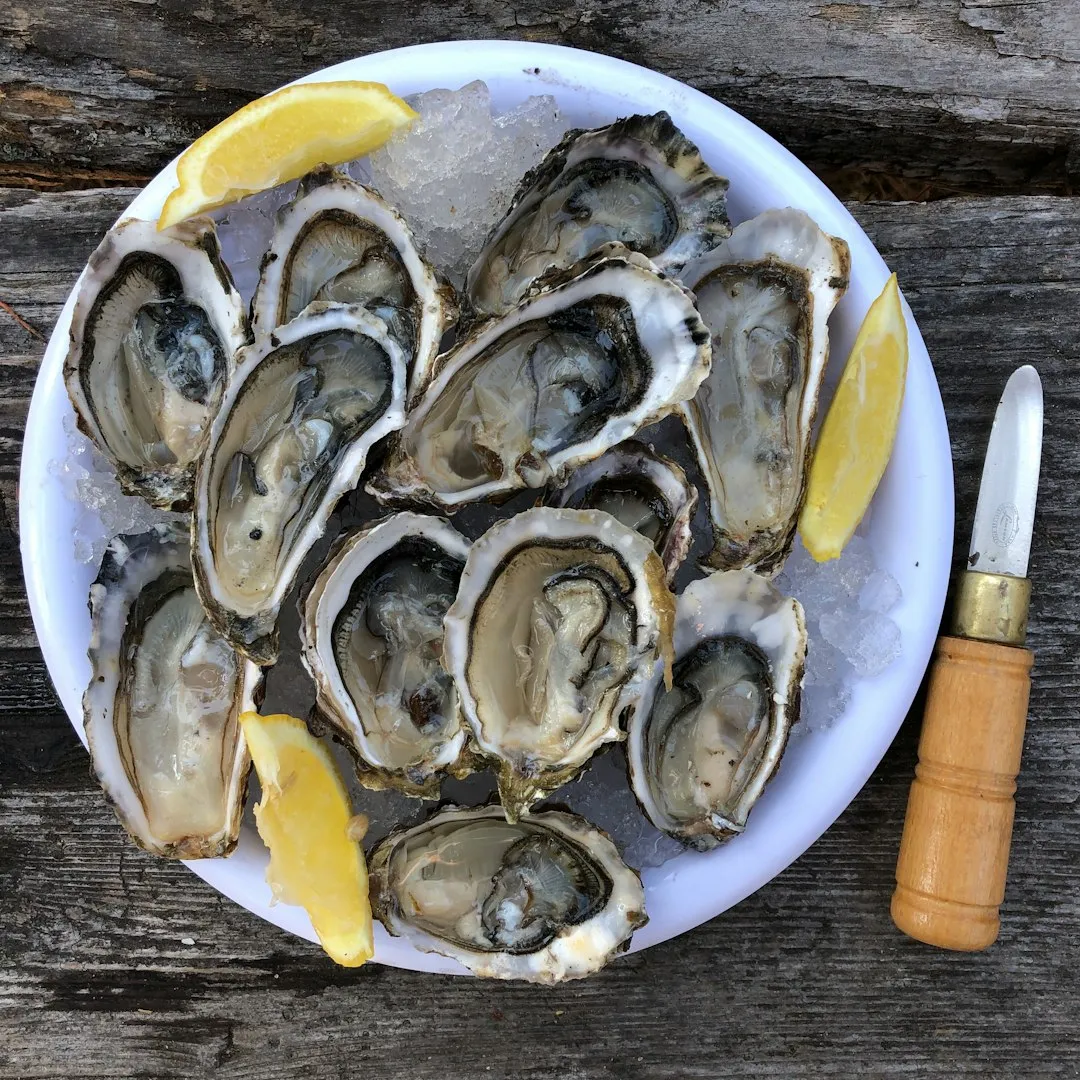
Shellfish like clams, oysters, and mussels are among the richest sources of iron available in any diet. What makes them stand out from plant-based options is the type of iron they contain. Heme iron, found in meat, fish, and poultry, is the form most readily absorbed by the body, and you can absorb up to 30 percent of the heme iron you consume.
That absorption rate is dramatically higher than what most plant foods offer, where rates can be as low as two to three percent depending on the meal composition. Oysters in particular are also notable sources of zinc and vitamin B12, so they deliver several nutritional benefits at once. Even a modest serving a couple of times per week can meaningfully support iron levels over time.
4. Pumpkin Seeds: A Surprisingly Dense Snack
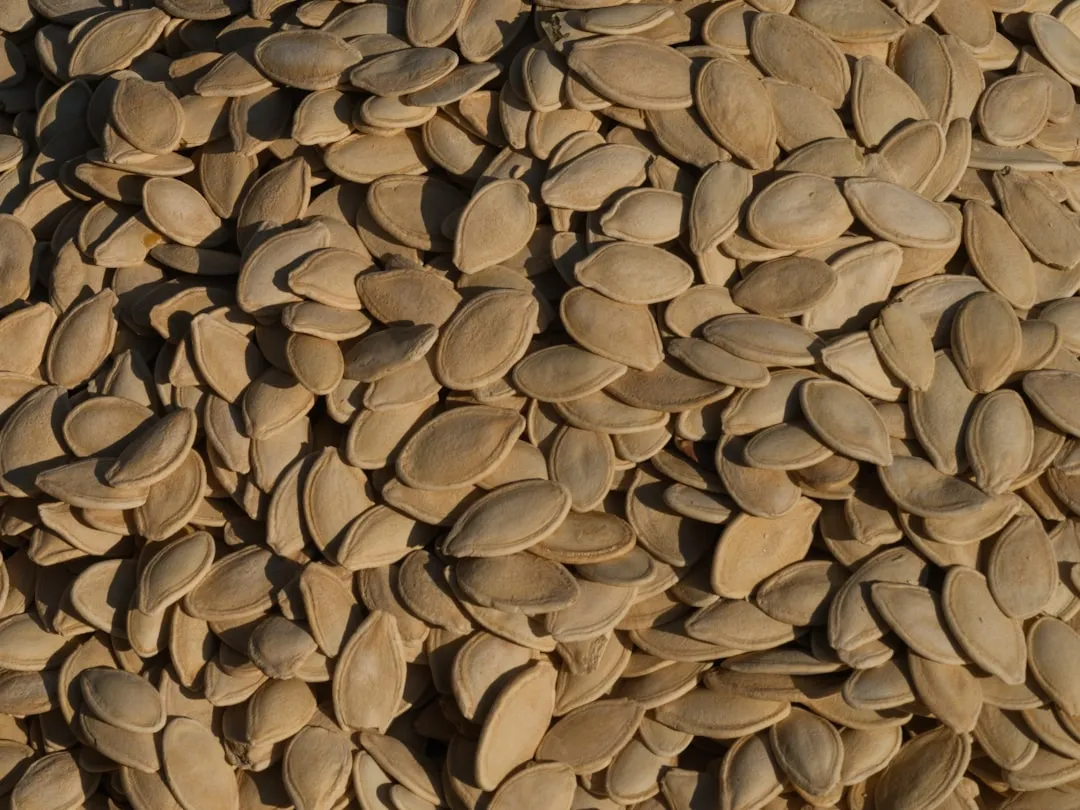
A one-ounce serving of pumpkin seeds contains around 2.5 milligrams of iron, which accounts for roughly 14 percent of the daily value. Given that a single ounce is barely a small handful, that’s a genuinely efficient way to pick up iron between meals. Pumpkin seeds are also a good source of vitamin K, zinc, and manganese, which rounds out their nutritional profile nicely.
A small handful of pumpkin seeds has roughly the same amount of iron as a full cup of cooked spinach, according to registered dietitians who have reviewed their nutritional profile. They work well tossed into oatmeal, stirred into soups, or eaten on their own. Because they’re a plant-based source, pairing them with something vitamin C-rich helps improve absorption.
5. Lean Red Meat: The Most Efficient Source for Non-Vegetarians
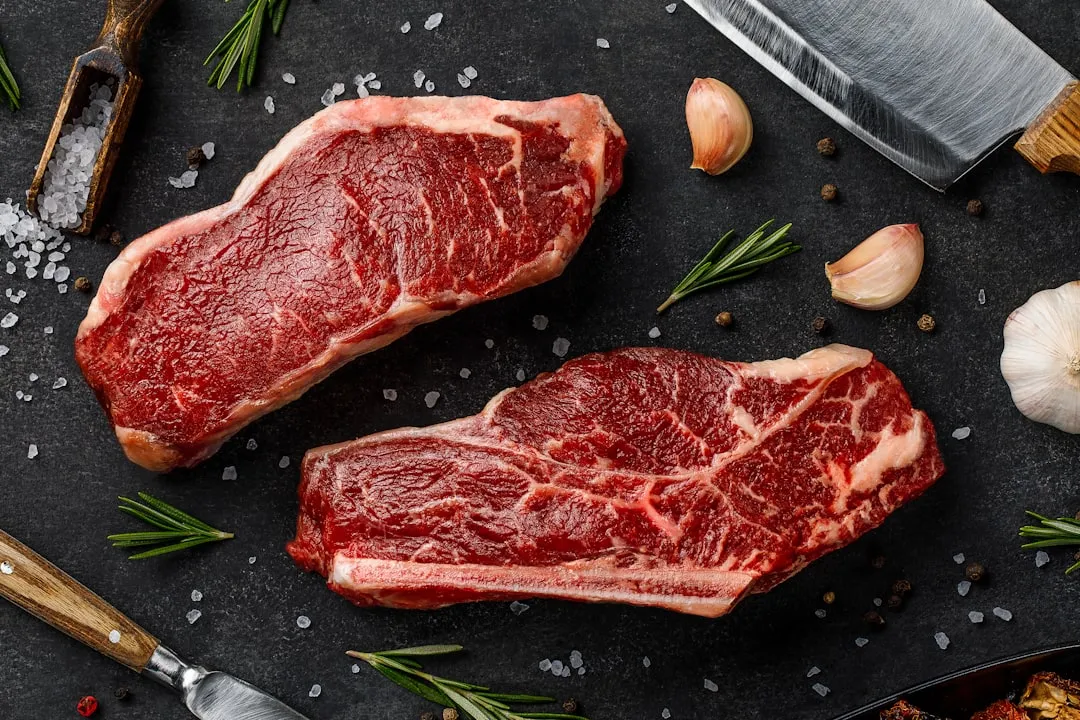
Red meat, including beef, lamb, and venison, is an excellent source of iron, and a small serving of lean beef can provide nearly half of your daily iron needs. The efficiency comes from heme iron, which the body absorbs at significantly higher rates compared to plant sources. You can also boost absorption further by eating foods with heme iron, such as meats, together with those that contain non-heme iron.
This combination effect is one of the lesser-known advantages of including some animal protein in an otherwise plant-heavy diet. Even modest amounts of lean beef added to a bean stew or lentil dish can raise the total iron absorbed from the entire meal. For people who eat meat and are struggling with borderline low iron, this is one of the most direct dietary interventions available.
6. Tofu: A Reliable Option for Plant-Based Eaters
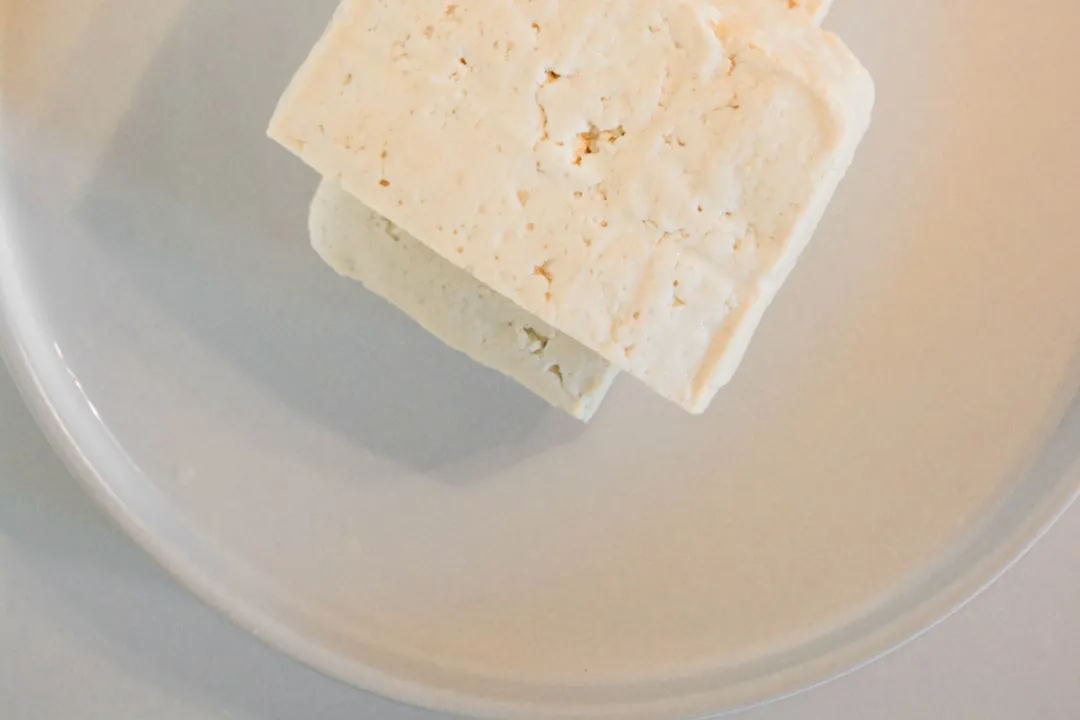
Tofu delivers around 13.3 milligrams of iron per cup, which makes it one of the most concentrated plant-based iron sources on the table. That figure places it above lentils and many other well-known iron foods on a per-cup basis. Tofu and tempeh are excellent protein sources for vegetarians and vegans looking to boost their iron intake.
Vegetarians can maintain good iron levels by regularly including foods like lentils, spinach, tofu, and chickpeas in their meals, combining them with vitamin C-rich fruits and vegetables, and using cooking methods such as soaking, sprouting, or fermenting to make plant-based iron easier to absorb. Tofu is also versatile enough to be used in savory and sweet dishes alike, which makes it easier to eat consistently. Firm tofu stir-fried with bell peppers is a particularly smart combination, since the peppers bring the vitamin C needed to maximize iron uptake.
How Iron Absorption Actually Works
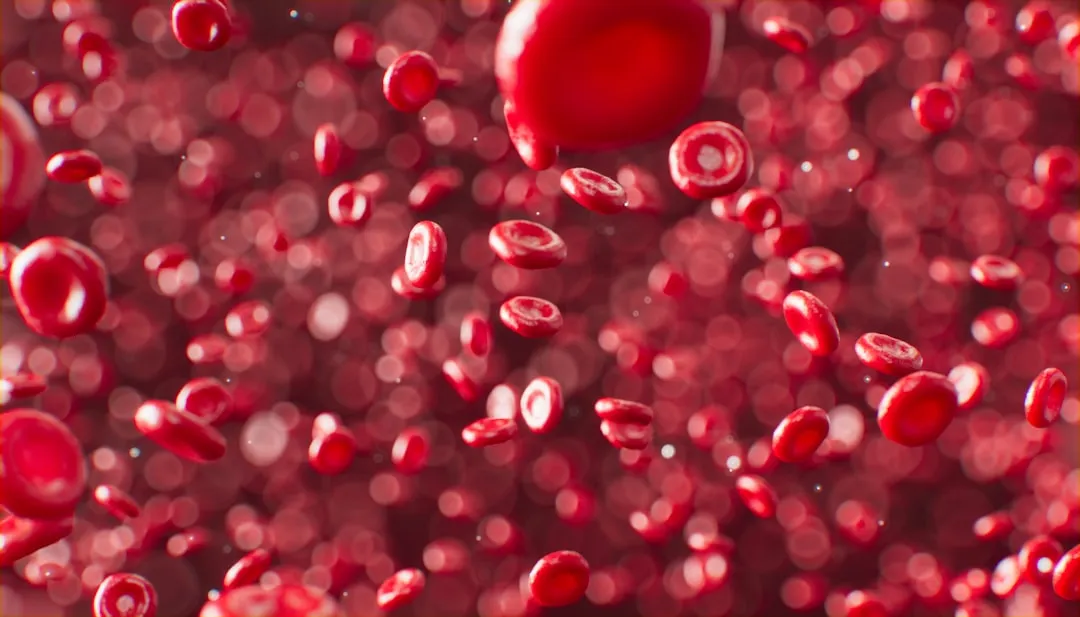
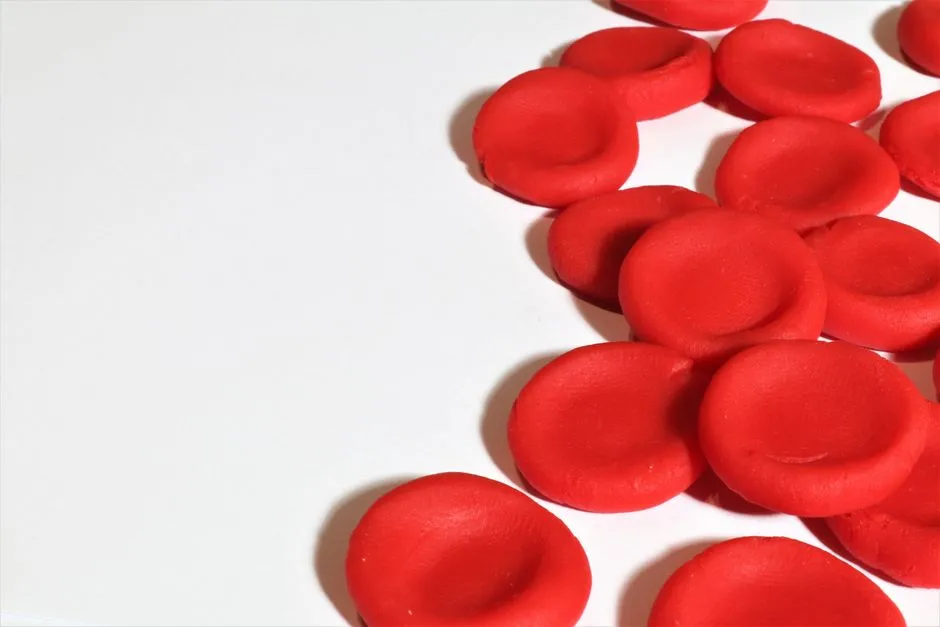
Iron is a vital mineral that helps transport oxygen throughout the body via hemoglobin in red blood cells. The two forms it comes in, heme and non-heme, behave very differently once they enter the digestive system. Non-heme iron is found in plant-based foods and has absorption rates as low as 2 percent, whereas heme iron from animal sources is absorbed much more readily.
Vitamin C may enhance non-heme iron absorption by converting ferric iron into an absorbable ferrous form. On the flip side, certain compounds work against absorption. To maximize iron absorption, it helps to avoid combining coffee, tea, and calcium-rich foods with meals containing iron-rich foods. These are not reasons to eliminate those foods entirely, just timing considerations worth keeping in mind.
The Role of Vitamin C as a Natural Enhancer
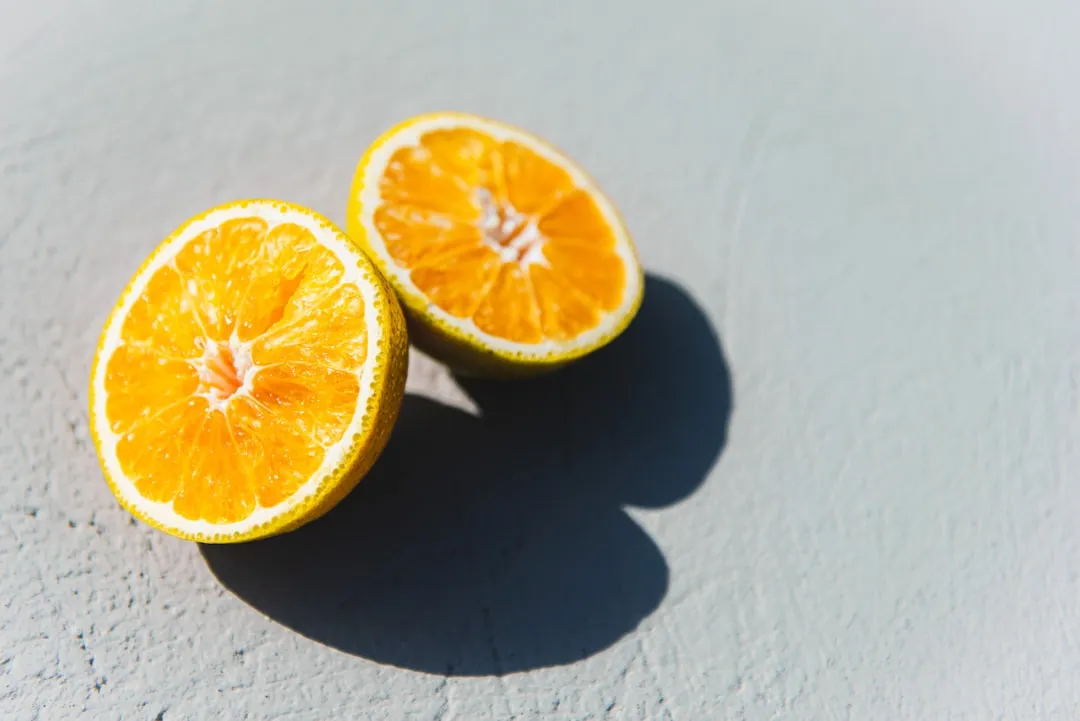
Vitamin C deserves its own mention because it functions almost like a key that unlocks non-heme iron for the body. Vitamin C-rich foods that pair well with iron sources include citrus fruits, strawberries, kiwi, bell peppers, broccoli, and tomatoes. Adding any of these to an iron-rich plant-based meal is one of the simplest and most evidence-supported dietary strategies available.
Adding citrus fruits like oranges or lemon to meals, or including bell peppers, tomatoes, broccoli, and strawberries alongside lentils, beans, or spinach, are practical ways to apply this principle daily. The combination doesn’t need to be elaborate. A squeeze of lemon over cooked greens, or a handful of strawberries after a lentil dish, achieves the same result. Small habits like these, repeated consistently, build a meaningful nutritional foundation over time.
What the Latest Data Tells Us About Iron Deficiency
About one in four U.S. adults may have inadequate iron levels or factors that interfere with absorption, according to NHLBI-supported research based on data from more than 8,000 Americans. The issue isn’t just about how much iron people consume but also whether their dietary patterns allow for adequate absorption. Among patients diagnosed with iron deficiency in a large health system study published in 2024, 58 percent still had persisting iron deficiency based on low ferritin levels after three years, and only 7 percent had their levels return to normal within the first year.
Anemia and iron deficiency are a global healthcare burden affecting almost 25 percent of the population, a figure that reinforces how widespread and persistent this problem remains. Diet alone won’t resolve every case, particularly when absorption disorders or underlying conditions are involved. Still, for a significant portion of the population, consistent dietary changes are both accessible and effective.
Practical Tips for Getting More From Iron-Rich Foods
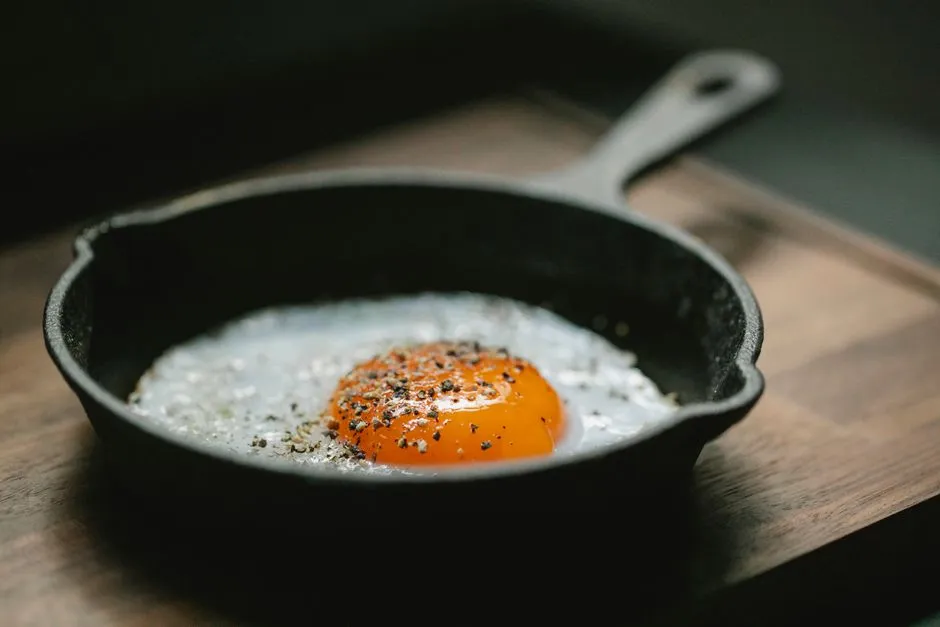
Soaking, sprouting, or fermenting beans, lentils, and some grains can reduce phytates and free up more minerals for absorption. These are low-effort changes that don’t require any special equipment. Cooking acidic foods like tomato sauce in cast iron cookware can also increase the iron content of the meal itself, which is a neat and genuinely practical kitchen tip.
Finishing iron-rich meals with a small serving of fruit instead of tea or coffee is another simple way to protect absorption. Many people habitually drink tea with their meals, which can reduce how much iron the body takes in from that same meal. Timing beverages like tea and coffee between meals rather than with them is a small behavioral shift that can make a real difference for people working to raise their iron levels through food.
Final Thoughts

Iron deficiency is one of the most common nutritional shortfalls in the world, yet it’s also one of the most addressable through food choices alone for many people. The six foods covered here, lentils, spinach, shellfish, pumpkin seeds, lean red meat, and tofu, aren’t exotic or expensive. They’re widely available and fit into a broad range of eating styles.
The real leverage comes not just from eating these foods but from understanding how to combine them, when to eat them, and what to avoid pairing them with. Getting iron from food rather than supplements also means getting it alongside fiber, protein, and dozens of other micronutrients that support overall health. That’s a meaningful difference, and it starts with what ends up on your plate.
AI Disclaimer: This article was created with the assistance of AI tools and reviewed by a human editor.