

1. Your Rules Are Still Built Around Clock-Watching Alone
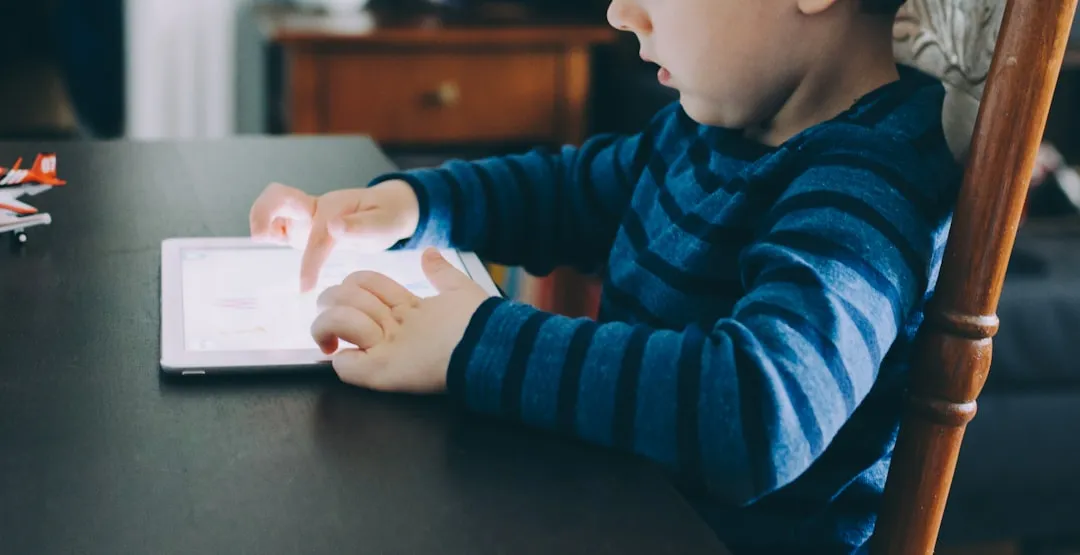
If your household policy is simply “two hours a day and that’s it,” you’re not alone, but you may be working with an outdated model. The American Academy of Pediatrics updated its guidance to reflect a world where digital media is part of everyday life, and the latest AAP recommendations for screen time move beyond simple time limits to focus on quality, context, and conversation.
The new standard asks not “how long?” but “what is it replacing, and is it enriching or diminishing my child’s life?” Not all screens are equal: video chatting a grandparent, using a purposeful learning tool, or exploring a kid-safe AI is qualitatively different from passive scrolling.
A rule that treats all screen use the same is a blunt instrument. It may shut down something genuinely useful while leaving the real problem untouched.
2. Your Kids Are Using AI Tools and You Have No Guidelines for Them

AI is increasingly part of the mix: about one in ten parents say their five to twelve-year-old ever uses artificial intelligence chatbots like ChatGPT or Gemini. That number is almost certainly growing. Most family media plans written before 2024 say nothing about it.
If your screen rules don’t account for AI tools, your kids are navigating them without any agreed-upon framework. That’s not a criticism of your parenting. It’s simply a gap that didn’t exist a few years ago and now does.
A growing body of research suggests that one-size-fits-all solutions are not the answer, and managing appropriate use of digital media needs to take into account a child’s developmental milestones and the ways kids use it to connect and learn. AI use fits squarely into that conversation.
3. Your Teen Is Showing Signs of Anxiety or Sleep Disruption

This one is worth taking seriously. High levels of screen time have been linked with adverse health outcomes, including poor sleep habits, fatigue, and symptoms of anxiety and depression. About one in four teenagers ages 12 to 17 with four hours or more of daily screen time had experienced anxiety or depression symptoms in the past two weeks.
Teenagers with higher non-schoolwork screen use were more likely to experience a series of adverse health outcomes, including infrequent physical activity, infrequent strength training, being infrequently well-rested, having an irregular sleep routine, weight concerns, depression symptoms, and anxiety symptoms.
If your teen is irritable at night, struggling to fall asleep, or withdrawing from activities they used to enjoy, screens may not be the only factor, but they’re a reasonable place to look. Platform features like autoplay and infinite scroll are specifically designed to extend use beyond what’s healthy, and teens are particularly vulnerable to their pull. Sleep disruption, anxiety, or pulling away from in-person friends can be signs of excessive use or exposure to harmful content.
4. Mealtimes and Bedrooms Are No Longer Screen-Free

When devices quietly migrate to the dinner table or the bedroom without anyone making a conscious decision, that’s a sign the rules have drifted. Screens shouldn’t replace sleep, physical activity, family time, or free play, and device-free bedrooms and mealtimes help keep routines healthy.
Children in key developmental years are building habits that influence long-term physical and mental health. Screen time should not replace active play, social time, or sleep. Experts suggest that screens be removed from bedrooms to support healthy routines.
The bedroom issue is especially worth addressing directly. More than half of Americans say they use screens within an hour before bedtime, raising concerns about sleep disruptions. Children tend to mirror what they see adults do, so if the phone goes everywhere, it eventually goes to bed too.
5. Your Young Child Is Using Screens Alone for Long Stretches

Solo screen use without adult involvement is a pattern that the research flags consistently. Parental involvement creates opportunities through guided engagement for both language learning and development of executive functions that help with self-control. The harms to development noted from high screen time come predominantly from solo screen use without parent-child interaction.
Young children with higher levels of screen time spend less time, on average, in social interactions with and talking with parents. That displacement matters more than most people realize, especially in the early years when language and social skills are being built rapidly.
If your rules allow the tablet to occupy a toddler for extended periods without any co-viewing or conversation, that’s worth revisiting. Research shows that co-viewing helps reinforce learning and promotes language development. Passive viewing without interaction offers minimal developmental benefit and can be confusing for toddlers.
6. Your Rules Don’t Distinguish Between Educational and Passive Use

There’s a real difference between a child using a screen to write, research, or learn and one scrolling through short videos for an hour. The most effective approach to screen time focuses on how screens are used, not just how long they’re used. A family ruleset that lumps both together misses that distinction entirely.
When a teen uses a screen to write, design, code, edit videos, or create presentations, that’s high-value screen time. When they’re passively scrolling, watching without purpose, or consuming content without engagement, that’s low-value screen time.
Drawing that line, even informally, tends to shift conversations at home from confrontational to collaborative. Kids can more readily accept limits on passive scrolling when productive use is explicitly valued.
7. Your Children Are Getting Far More Screen Time Than Guidelines Suggest
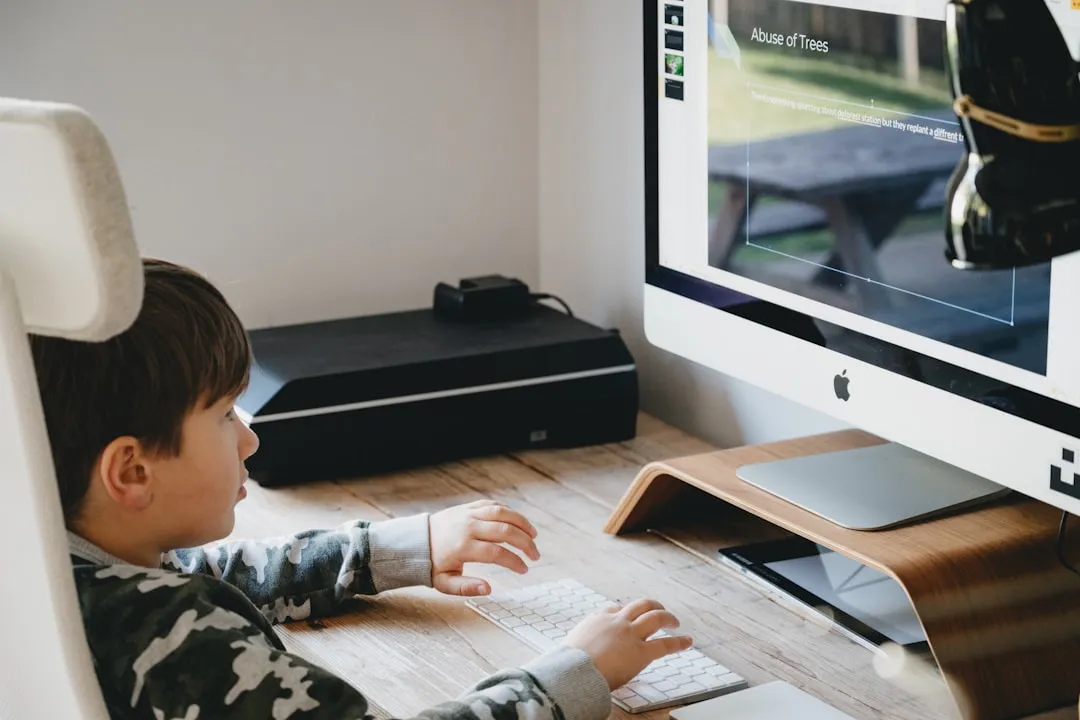
The numbers that researchers are finding are striking. Children aged 8 to 12 now average around 5.5 hours of daily screen use, excluding school assignments, a notable rise in recent years. Children in the United States spend a significant amount of time engaged with screens, and estimates suggest screen time can exceed seven hours per day.
Research on a nationally representative sample of U.S. families found that most families had some form of rules about allowable screen time: covering roughly 86 percent of elementary school-aged children, 81 percent of middle school-aged children, and 61 percent of high school-aged children. Having rules matters, because having rules was consistently associated with fewer hours of screen time across all age groups.
If the actual daily numbers in your household are far above what guidelines recommend, it may be less about willpower and more about rules that need structure.
8. Your Kids’ Rules Haven’t Changed as They’ve Grown Older

A seven-year-old and a fifteen-year-old need very different guardrails. If the rules in your house haven’t evolved as your children have, there’s a mismatch. Child involvement in making rules was significantly greater for high school students compared to elementary school students, and research shows this involvement matters for older kids in particular.
Older children tend to respond better to collaborative boundaries than to top-down ones. Tweens face an increased risk of online dangers like cyberbullying and overexposure to social media. Setting clear screen time limits and involving children in creating a family media plan fosters digital literacy and responsible habits.
Letting a teenager have a voice in shaping the rules isn’t giving in. It’s actually one of the more effective tools available, and the research backs that up.
9. Physical and Eye Health Complaints Are Going Unaddressed

About 65 percent of the U.S. population reports symptoms of digital eye strain tied directly to prolonged screen usage. Children aren’t exempt from this. Research indicates that nearly 80 percent of youth aged 10 to 17 who spend extended time on devices report some degree of eye discomfort.
Physical warning signs are often the clearest signals that something needs to change. A National Institutes of Health study found children with more than seven hours a day of screen time experienced thinning of the brain’s cortex, the area of the brain related to critical thinking and reasoning. Each additional hour children spend on screen time is linked to a cluster of cardiometabolic risks, such as high blood pressure and obesity.
Headaches, eye complaints, or a general restlessness after long sessions are worth taking as data points, not just passing discomforts to dismiss.
10. More Than Half of Parents Sense Something Is Off

Sometimes the clearest sign is a gut feeling backed up by what you’re actually observing. More than half of parents have felt their child is addicted to screens. Other top concerns include reduced attention spans, disrupted sleep, behavioral issues, lower levels of physical activity, and weakened social skills because of screen time.
Warning signs of problematic use are behavioral, not numerical: resistance to stopping, screens replacing sleep or physical activity, or emotional dysregulation after use. If you’re regularly seeing those behaviors, that matters more than whatever the clock says.
A written Family Media Plan reduces screen-related conflict and creates consistent expectations across caregivers, and it’s especially essential for co-parenting and blended family households. Putting something in writing, even loosely, tends to make rules stick better than informal expectations.
The Takeaway

Screen rules aren’t meant to last forever unchanged. The technology evolves, kids grow, and the research keeps refining what we know about healthy use. Studies increasingly show that how kids are using screens is more important than the exact amount of time they’re spending on them, and parents and caregivers tend to know what’s best for their families.
None of this requires a dramatic overhaul or a family summit. A simple, honest conversation about what’s working, what’s drifted, and what the household actually needs right now is usually enough to get things back on track. The rules that serve families best are the ones that get revisited regularly, not the ones written once and assumed to hold forever.
AI Disclaimer: This article was created with the assistance of AI tools and reviewed by a human editor.