

1. The Weekly “State of Us” Check-In

One of the most consistently supported practices in relationship research is the intentional weekly conversation between partners. Not a fight, not logistics, not planning. Just a scheduled moment to ask how the relationship itself is actually doing.
Couples who check in with each other once a week tend to fight less and feel closer. It prevents resentment from building silently and makes both partners feel seen. That’s a significant return on twenty or thirty minutes of honest conversation.
A consistent time each week, with each partner answering questions like “What went well for us this week?”, “What felt hard?”, and “What do I need from you in the coming week?” forms the backbone of this ritual. The structure keeps things from veering into blame or becoming a therapy session. It works best when both people are genuinely listening rather than preparing a rebuttal.
Dr. John Gottman emphasizes that rituals of connection create predictability and security within relationships. That sense of security, researchers argue, is not a nice bonus. It’s load-bearing.
2. A Shared Gratitude Practice at the End of the Week
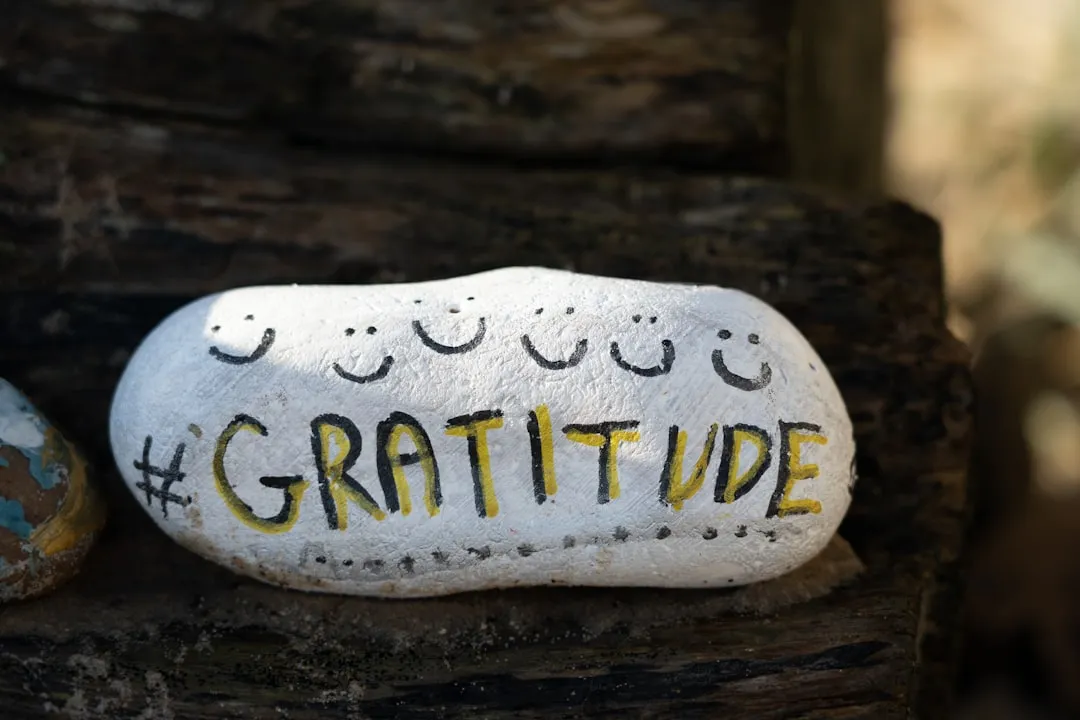
Gratitude turns out to be one of the most well-documented factors in long-term relationship satisfaction. It’s not a trend or a self-help cliché. The research behind it is genuinely substantial.
In a 2024 dyadic study, partners who regularly expressed gratitude perceived each other as more responsive and reported higher satisfaction overall. That’s a meaningful finding, especially because it points to gratitude as something that shifts how you literally see your partner, not just how you feel about them in abstract.
A 2024 study published in Frontiers in Psychology found evidence pointing to a mediating role of gratitude: when dyadic coping was related to higher gratitude, it was in turn related to higher own and partner relationship satisfaction. In plain terms, managing stress together works better when you thank each other for it.
At the end of each week, sharing one thing you appreciated about your partner may feel minor, but research shows gratitude is one of the strongest predictors of relationship happiness, according to work by Algoe and colleagues. A simple Friday evening ritual of naming something specific works far better than a vague “I’m grateful for you.”
3. A Phone-Free Window Together

The presence of a smartphone on a dinner table has been shown to reduce the quality of conversation even when it isn’t being used. For couples in long marriages, this matters more than younger couples often recognize, because complacency tends to creep in quietly.
Designating a weekly window where phones are out of reach, whether it’s dinner together or a long walk around the neighborhood, means that undivided presence becomes one of the most intimate offerings a couple can make. It costs nothing but attention, which is, of course, increasingly rare.
No-digital time together helps couples truly see and hear each other, and switching off devices to savor shared moments is now widely recognized as a core relationship practice. Choosing one consistent evening per week for this tends to be more effective than an unscheduled, good-intentions approach that never quite happens.
4. A Regular Date That Prioritizes Novelty

The concept of a “date night” gets dismissed sometimes as too ordinary to matter. The research, though, consistently suggests the opposite. Doing something genuinely new together, even something modest, activates the same reward circuits that characterized early courtship.
Research by Lee, Min, and Chi emphasized the importance of leisure activities in creating shared memories and traditions, which strengthen the marital bond over time. Establishing rituals and traditions through shared activities has been shown to enhance marital satisfaction.
Picking a consistent evening midweek to pause the grind, whether it’s takeout and a show, a walk around the block, or a shared hobby, proves more effective when consistency is valued over extravagance. A couple who reliably shows up for each other on Tuesday evenings is doing something more powerful than a once-a-year expensive dinner.
Writing down small activities and drawing one out each week, from trying a new recipe to visiting a local café, keeps novelty alive while still being structured. Novelty doesn’t have to be expensive or time-consuming. It just has to be genuinely fresh.
5. A Weekly Physical Reconnection Ritual

Physical affection in long marriages tends to decline gradually and often without either partner noticing. Life gets full. Touch becomes functional rather than meaningful. A deliberate weekly ritual around physical connection, something beyond routine, can reverse that drift.
Research cited by relationship specialists shows that couples who share intentional physical connection feel more connected, with even brief rituals long enough to break autopilot and remind both partners that they are still actively choosing each other.
John Gottman’s longitudinal research on long-term marriages found that stable couples maintain at least five positive interactions for every negative one, even during conflict. Physical warmth, a long hug, holding hands during a walk, lingering physical closeness during a shared wind-down, all count toward that ratio without requiring grand effort.
Gottman’s 5:1 ratio research further supports this: regular expressions of appreciation, including physical ones, are a core component of the positive interactions that sustain happy relationships. The weekly ritual doesn’t need a name or a schedule. It just needs to be protected from the week’s noise.
Why These Five Rituals Work Across Decades

There’s a pattern across all five of these habits. None of them require a perfect relationship to begin with. None of them demand that couples resolve every disagreement or feel intensely in love in every moment. They work precisely because they’re small and repeatable.
When couples know that a certain time is reliably theirs, it creates a sense of anticipation and belonging. Research shows that couples who engage in shared rituals experience greater intimacy and resilience against stress. That resilience, built slowly over many weeks and years, is what distinguishes long marriages that thrive from those that simply endure.
Decades of data from the Harvard Study of Adult Development show that close, warm relationships are the strongest predictor of both happiness and longevity, more predictive than wealth, IQ, or social class. That’s a finding worth sitting with. The quality of a marriage, maintained through consistent small acts, turns out to matter more than almost anything else.
How to Actually Start Without Forcing It

The instinct with rituals is to overdesign them. Couples sometimes get so focused on making a ritual meaningful that it becomes a performance, or they wait for the right moment to start and the right moment never arrives.
A more practical approach is to choose one of the five rituals here and try it for four consecutive weeks before evaluating whether it fits. Routine builds trust in a practice. One week of anything tells you very little.
Weekly rituals such as a scheduled date night or time together reinforce the commitment between partners not because they’re romantic in an obvious way, but because they signal, week after week, that the relationship is a priority. That signal is what accumulates into something lasting.
What the Research Actually Says About Long Marriages

A major survey of over 127,000 American adults found that married men are healthier than men who were never married or whose marriages ended in divorce or widowhood, and that the longer a man stays married, the greater his survival advantage over his unmarried peers. These aren’t small effects.
Marriage reduces cardiovascular risks and lowers overall mortality rates, according to Harvard Health, with research indicating married men can expect to live roughly two and a half to eight years longer than their single or never-married counterparts. The quality of the marriage, though, matters enormously. An unhappy marriage does not confer the same benefits.
People in unhappy marriages have a two- to three-fold increase in risk for depression, anxiety disorders, and substance abuse compared to those in satisfying relationships, according to findings from the Journal of Family Psychology. The rituals above aren’t just about feeling connected. They’re about maintaining the kind of relationship that actually protects both people.
The Quiet Advantage of Small and Consistent

There’s something worth naming about why these rituals stay quiet. They don’t produce obvious, measurable results week to week. A single check-in conversation doesn’t transform a marriage. Neither does one phone-free dinner. The effect is cumulative and slow.
That slowness is actually the point. Relationships that feel solid after twenty or thirty years were usually built by couples who didn’t wait for a crisis to invest in connection. They kept putting small deposits into the account, steadily, without drama.
Rituals are essential to a relationship not only because they increase intimacy but also because they strengthen the connection and further develop the bond partners have established. That’s the understated truth about long marriages. The connection doesn’t just survive. It deepens, if you give it a consistent place to grow.
The Takeaway

Five rituals, one week at a time. Nothing here requires a perfect relationship, extra money, or radical change. What it does require is the quiet decision, made repeatedly, to show up for the relationship in small, dependable ways.
The couples who have been together the longest tend to know this intuitively. They may not describe what they do as “rituals.” They’d probably just call it what they do. That unselfconsciousness, that lack of performance, is part of what makes these habits work.
Long marriages aren’t built in the highlight moments. They’re built in the ordinary Wednesday evenings and the Friday gratitude exchanges and the walks where phones stay in pockets. That’s where the real architecture of a marriage gets made.
AI Disclaimer: This article was created with the assistance of AI tools and reviewed by a human editor.