
Start with the Size: It Tells You Almost Everything
The size and depth of holes can distinguish several diggers, and it’s genuinely the fastest way to narrow down your list of suspects. A hole the width of a pencil points to a very different creature than one wide enough to fit your fist.
Holes under one inch in diameter are typically the result of invertebrates or specialized insects. Larger openings, meanwhile, shift the conversation toward rodents and burrowing mammals. The easiest way to identify what created the burrows you find is by looking at the size of the entrance, and the area around it.
Ground-Nesting Bees: The Surprising Pollinators Under Your Feet
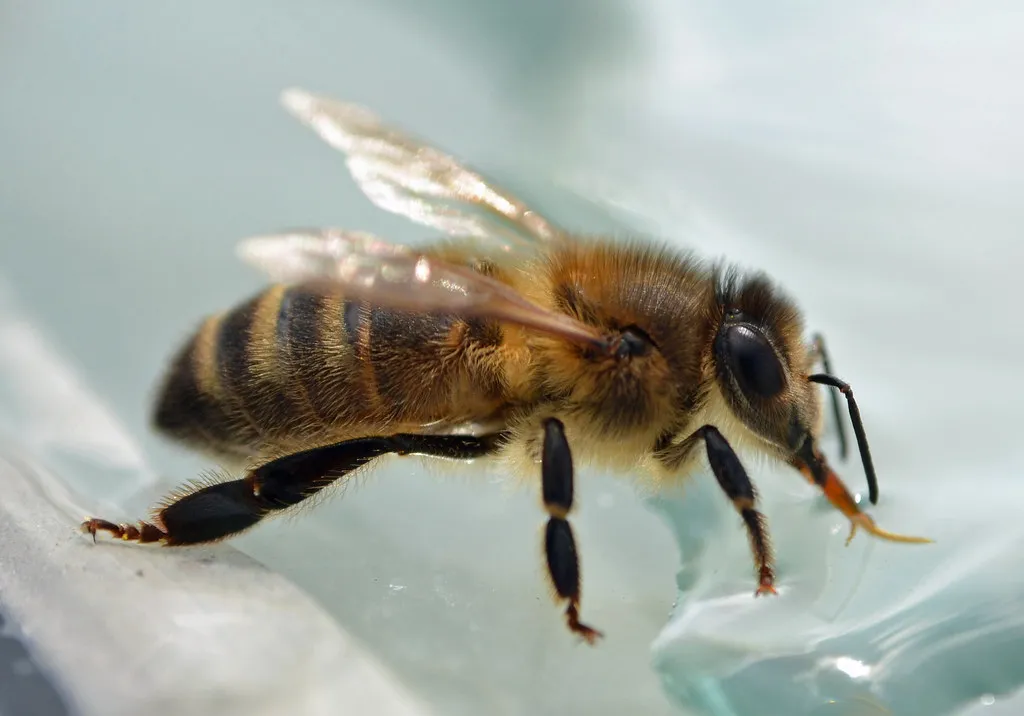
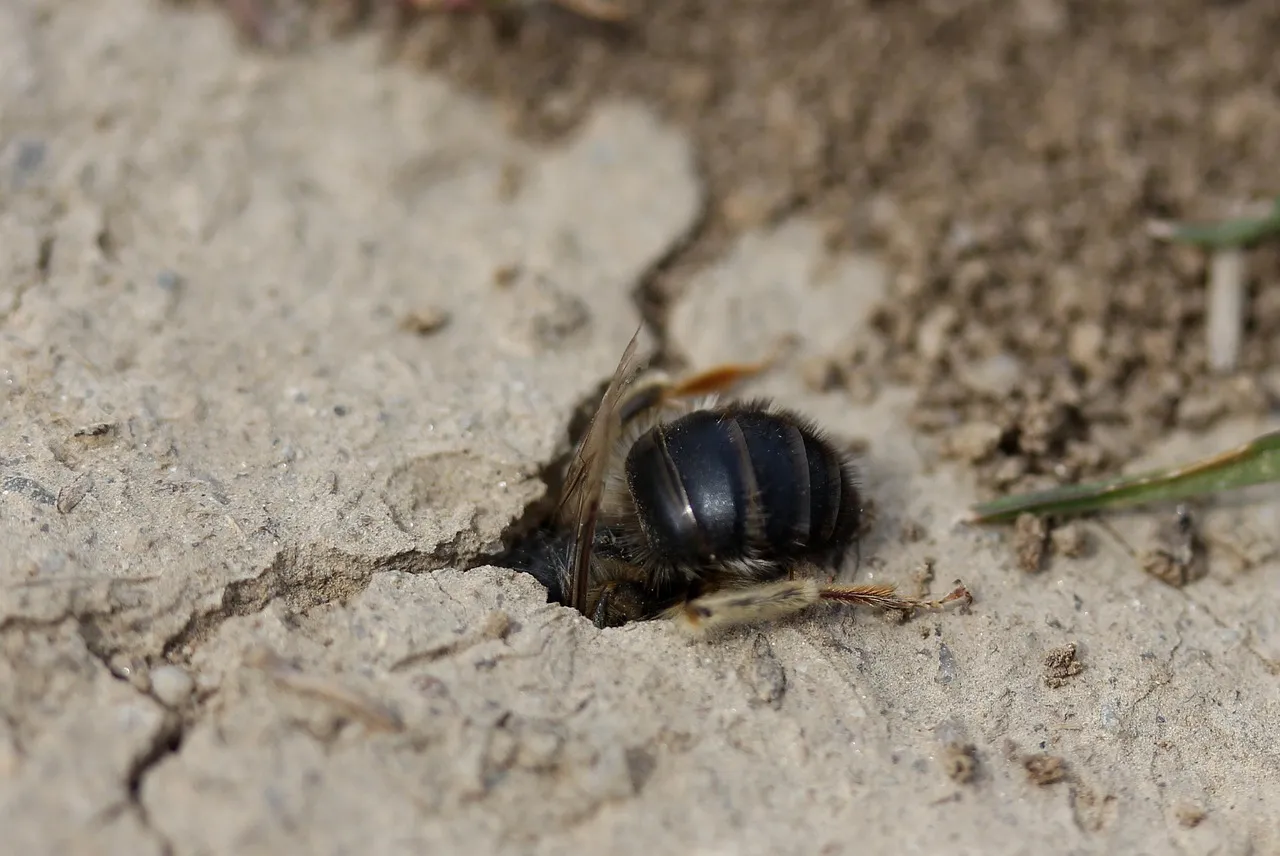
Ground bee holes measure approximately a quarter of an inch in diameter and may or may not have dirt piled around them. They tend to appear in spring and often cluster in warm, dry patches of the yard.
The holes and accompanying bees are concentrated in warm, sunny, dry areas of the landscape with well-drained soils that are low in organic matter. If you notice bees hovering just above the ground near the hole, that’s a strong sign. Ground-nesting bees differ from many types of bees because they live in solitude rather than in colonies, and they like to make their nests in areas with exposed soil, thin grass, and good drainage.
The recommendation when you see ground-nesting bees in the spring is to simply ignore them and they will soon be gone. Ground-nesting bees are native bees and beneficial insects that are important for pollination of many plants. Since they are beneficial and harmless, it is not recommended to control them with an insecticide but to instead protect them.
Ground Wasps and Yellow Jackets: When the Hole Demands More Caution
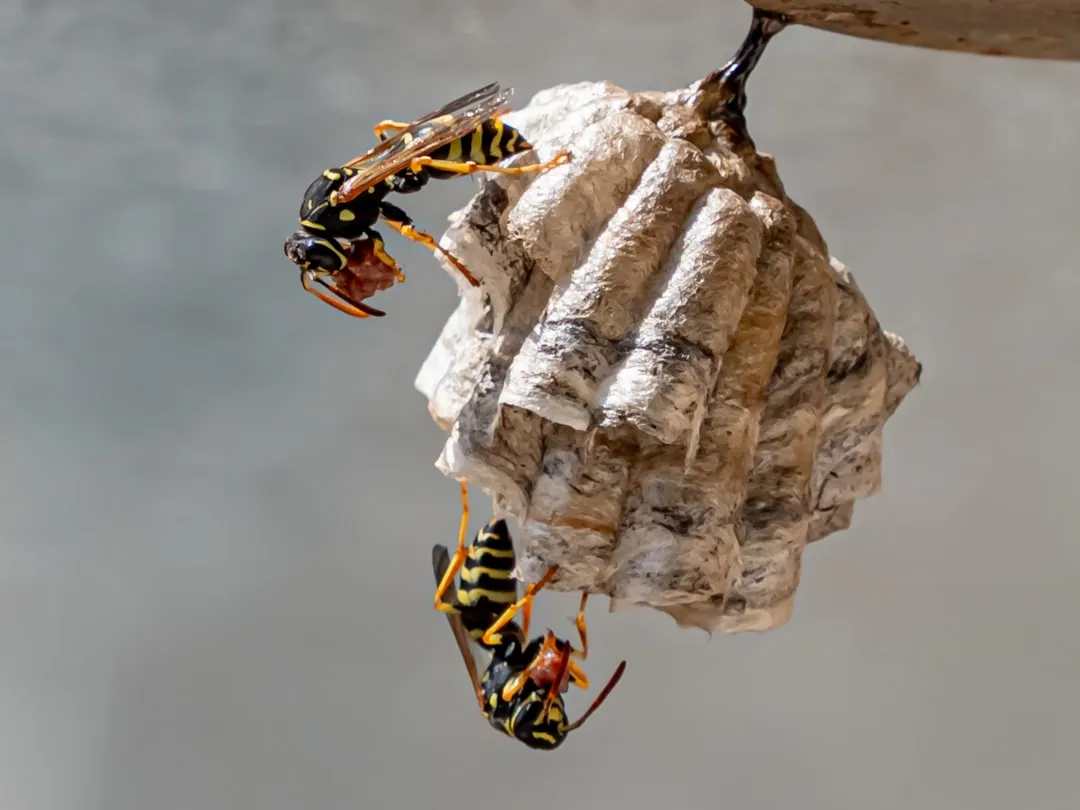
Certain wasps dig into soil to build nests or create burrows for their young. The holes can look similar to bee entrances, but wasp activity may feel more intense, especially if you notice repeated flight paths or insects hovering over the same spot.
Ground-nesting yellowjackets are social insects, and a colony of several hundred wasps typically uses a single hole to enter and exit the nest. That heavy, constant traffic is the giveaway. Because wasps can sting and may defend nesting areas, it’s important to be cautious before mowing or working near active holes.
Chipmunks: The Cleanest Diggers in the Yard
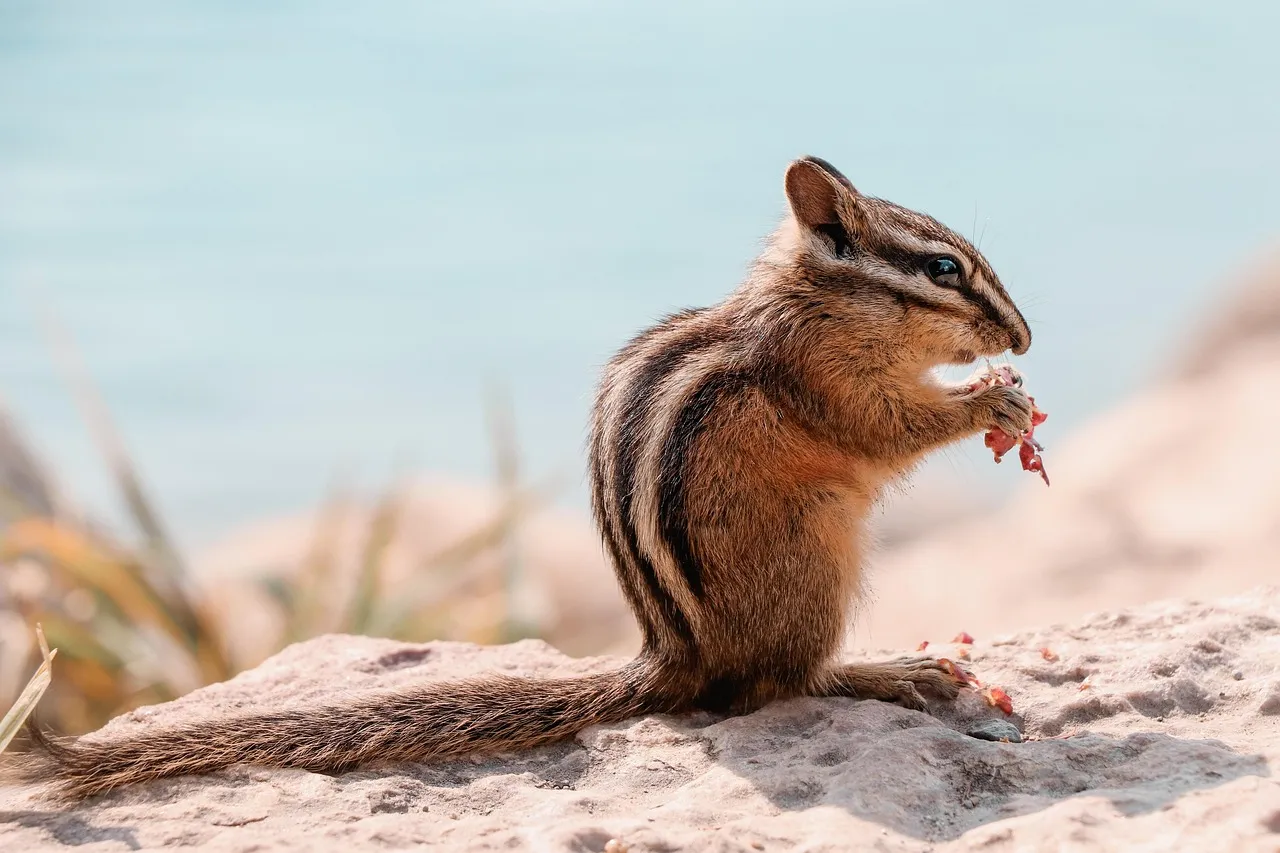
Chipmunk holes tend to be cleanly dug and silver dollar-sized. Unlike many other burrowers, chipmunks are careful about concealing their entrances, which makes the hole appear almost intentionally neat. That precision is part of what makes them so easy to mistake for something more exotic.
Chipmunks use your yard to create a network of burrows with multiple entrances, and these burrows offer shelter and storage for their food. If you notice one clean hole near a rock, a tree root, or a garden border, a chipmunk is a very reasonable first guess. Chipmunks are easily seen during the day, so a bit of patient observation will often confirm it.
Voles: Small Holes With a Bigger Underground Story
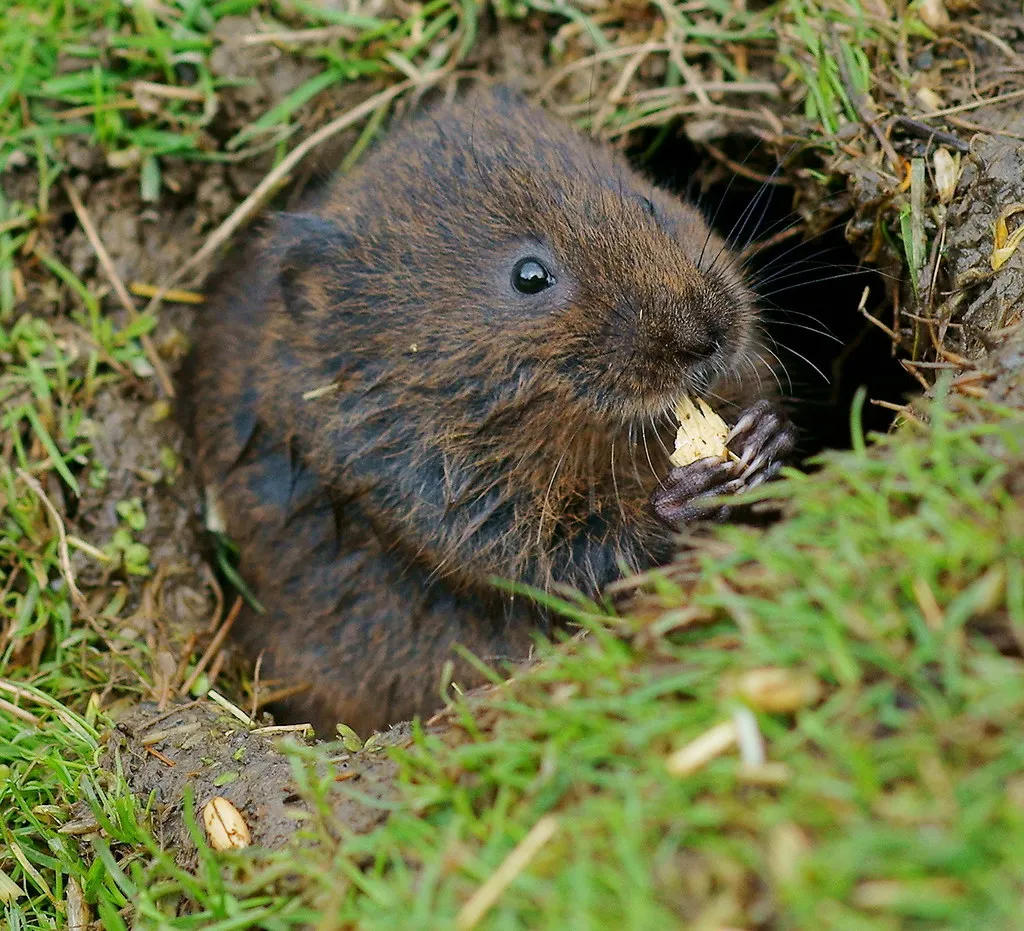
Voles create small entrances roughly one to two inches wide without large soil mounds. The absence of a visible dirt pile is what tends to throw people off, since many burrowing animals leave obvious excavated soil behind.
Voles eat plants and don’t usually create mounds, making holes around one to two inches wide. Vole holes usually leave serpentine raised tunnels through which they travel and feed, which can damage the lawn, flower bulbs, and root vegetables. If your yard also shows strips of worn-down grass connecting the holes, voles are very likely the culprits.
Moles and Their Volcano-Shaped Signatures
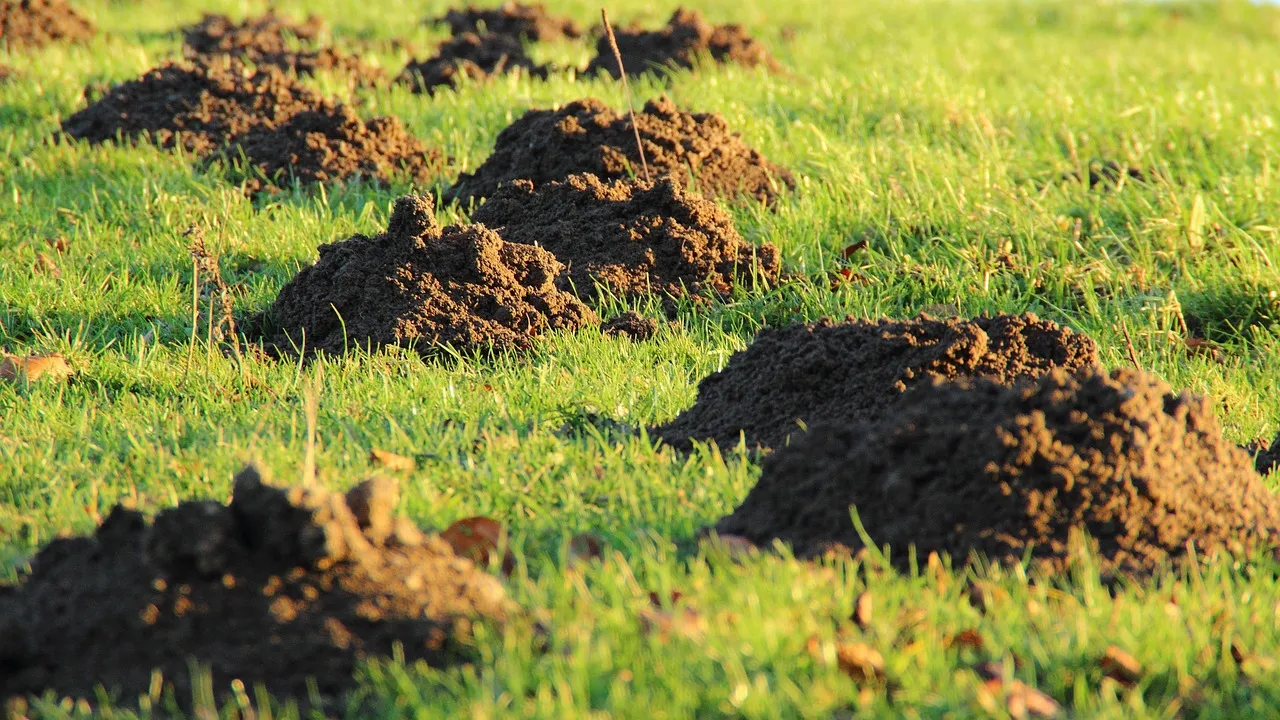
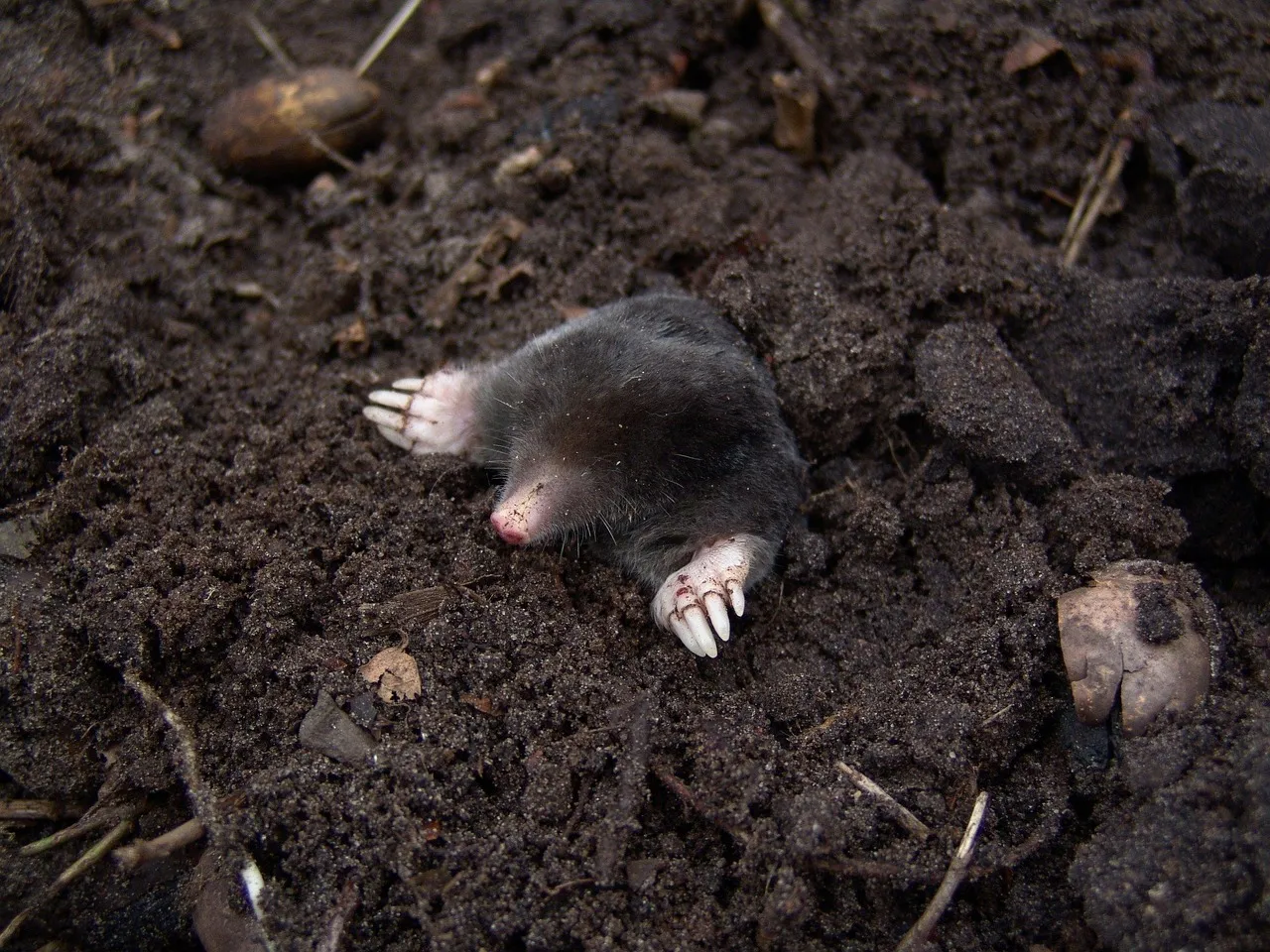
Moles are notorious for their subterranean activities, creating intricate networks of tunnels just below the surface. Their presence is typically marked by volcano-shaped mounds of loose soil, which are the result of their excavation efforts. These mounds can appear sporadically across grassy lawns and gardens, disrupting the even surface of the ground.
Moles are insectivores and create cone-shaped mounds about two inches in diameter. The round hole itself may be small, but the raised ridges radiating outward from it tell the real story. Mole tunnels are usually unseen, but their raised ridges can be felt underfoot, crisscrossing through the soil.
Groundhogs: When the Hole Is Genuinely Large
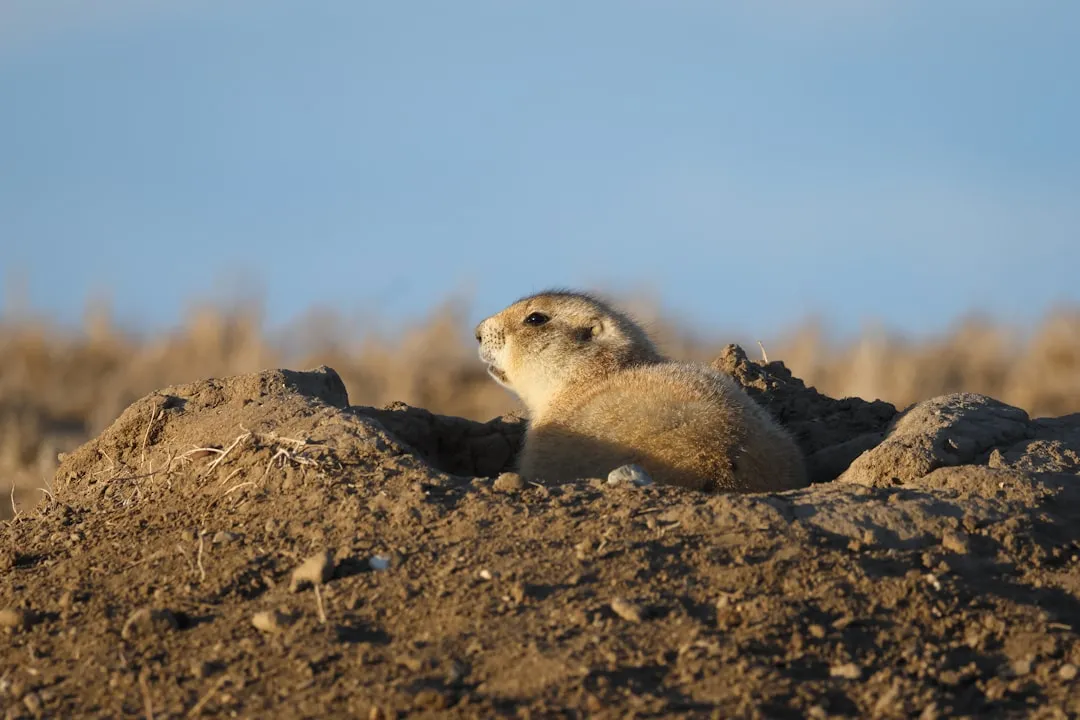
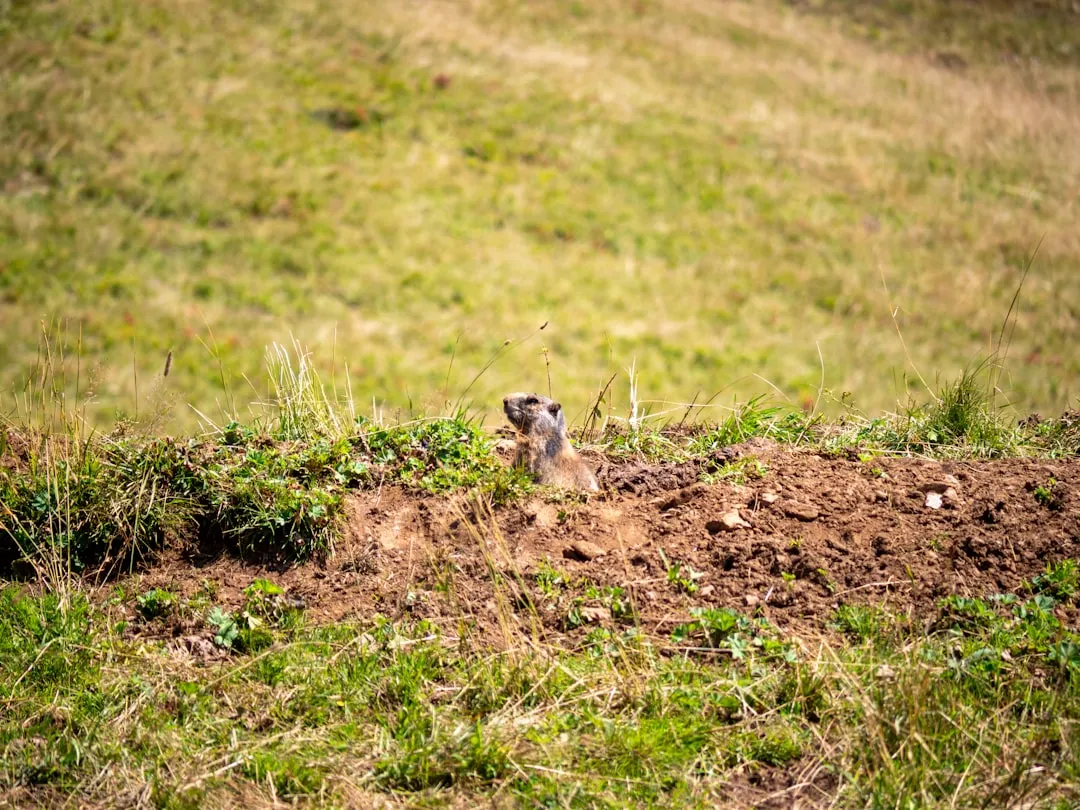
Groundhogs create burrows with openings of ten to twelve inches in diameter. If your hole is that wide, you’re no longer dealing with insects or small rodents. This is a dedicated, committed burrower.
Groundhogs can create large holes in your lawn as they burrow for food, so it’s important to remove food sources and invest in natural repellents. The damage can go well beyond aesthetics. Groundhogs can damage underground watering systems and wiring, and the series of holes could lead to human injuries while working in the yard.
Skunks and Raccoons: Foraging Holes vs. Burrow Holes
Skunks leave behind an identifiable mark: three- to four-inch cone-shaped holes surrounded by a ring of loose soil, and they dig in search of grubs and other insects to eat. These holes are messier than a chipmunk’s entrance and often scattered randomly across the lawn rather than positioned near a structure.
Skunks and raccoons use their sharp claws to dig up lawns in search of grubs, earthworms, and beetles. Raccoons are notorious for literally peeling back freshly laid sod like a carpet to get to the insects underneath, while skunks leave distinct, clean-cut, three- to four-inch holes. If grubs have been identified as a problem in your lawn, these two animals will often follow close behind.
Earthworms and Crayfish: The Underrated Hole-Makers
Earthworms make small little holes the size of pencils to aerate the soil and provide air to their tunnels. These pencil-thin openings are easy to dismiss as insignificant, but a high concentration of them can actually attract larger burrowing animals looking for a meal.
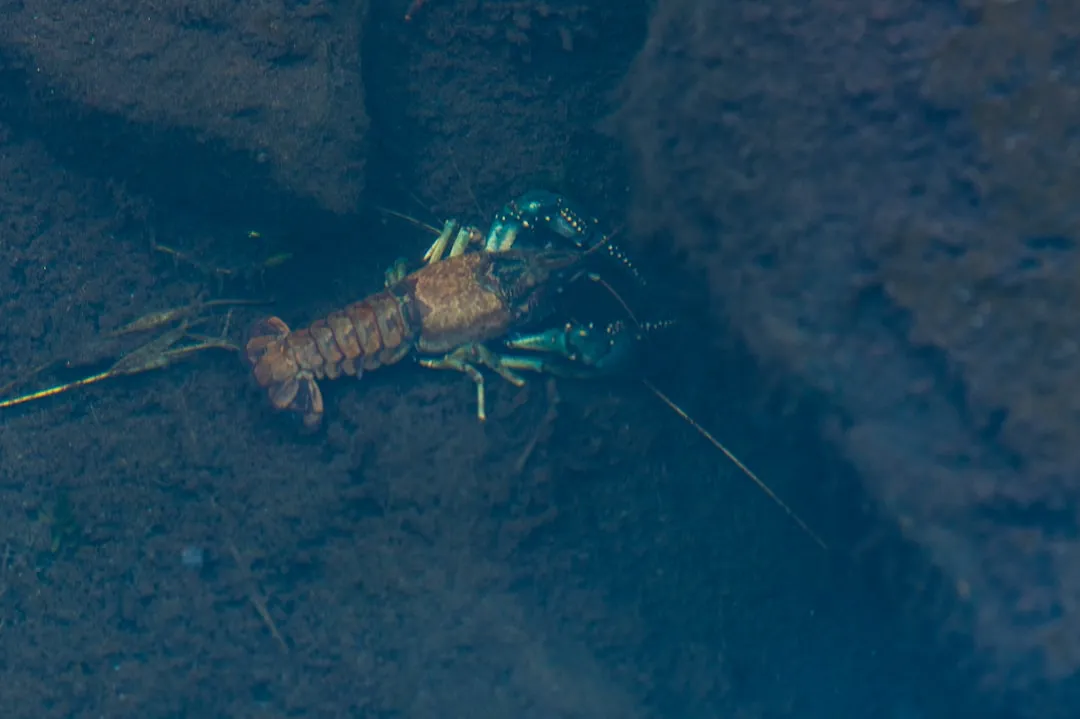
If a hole is perfectly round and surrounded by a small chimney of mud, crayfish may be present if the soil is consistently saturated or near a water source. That mud chimney is quite distinctive, and it almost always means the ground stays wet. Crayfish can burrow two-inch-wide holes into the lawn, and these lawns must be near water.
Moisture, Season, and Soil: The Environmental Clues
Most yard holes come down to one of three things: a pest using the soil as a nest or burrow, a pest emerging from the ground at a certain time of year, or an animal digging because it smells food below the surface. Understanding the timing of when a hole appeared matters just as much as what it looks like.
Moisture, irrigation schedules, and the amount of thatch or debris in the yard can all make the lawn more attractive. If you’ve had recent rain, increased watering, or a sudden warm spell, that timing can be a big hint. A hole that appears after a week of heavy rain tells a different story than one that shows up on a dry, sunny slope. Flatter ground with minimal woody vegetation is attractive to voles, moles, gophers, chipmunks, and thirteen-lined ground squirrels, while areas with uneven ground structure such as roadsides, ditches, and rock piles are favored by woodchucks, skunks, opossums, weasels, badgers, foxes, and coyotes.
What to Do Once You’ve Identified the Source
Your initial reaction may be to just fill the holes in. However, before you can address the problem, you need to identify the cause of holes in your lawn. Filling an active burrow without knowing what’s inside can create new problems, particularly if the animal simply digs back out, or if it’s a species that warrants a specific removal approach.
For insects like ground-nesting bees, doing nothing is often genuinely the right call. The small holes created by ground bees do not damage your lawn, and they can provide beneficial aeration, making it easier for moisture and nutrients to get into the ground. For mammals like groundhogs or rats, a licensed wildlife professional is usually the most reliable and humane option. The most common types of animals that dig holes in yards are skunks, groundhogs, moles, pocket gophers, voles, raccoons, wasps, and earthworms, among others. If burrowing animals are destroying your yard, the first step is identifying which kind of animal is responsible for the damage.
The Takeaway
A perfectly round hole in your yard is never just a hole. It’s evidence of an active, underground world running quietly beneath the surface of your lawn. Most of the time, the culprit is harmless, temporary, or even beneficial.
The smartest approach is always observation first. Note the size, the location, the soil condition, and whether you see any animal traffic. That combination of clues almost always points clearly to the answer, and it can save you from treating the wrong problem entirely.
AI Disclaimer: This article was created with the assistance of AI tools and reviewed by a human editor.