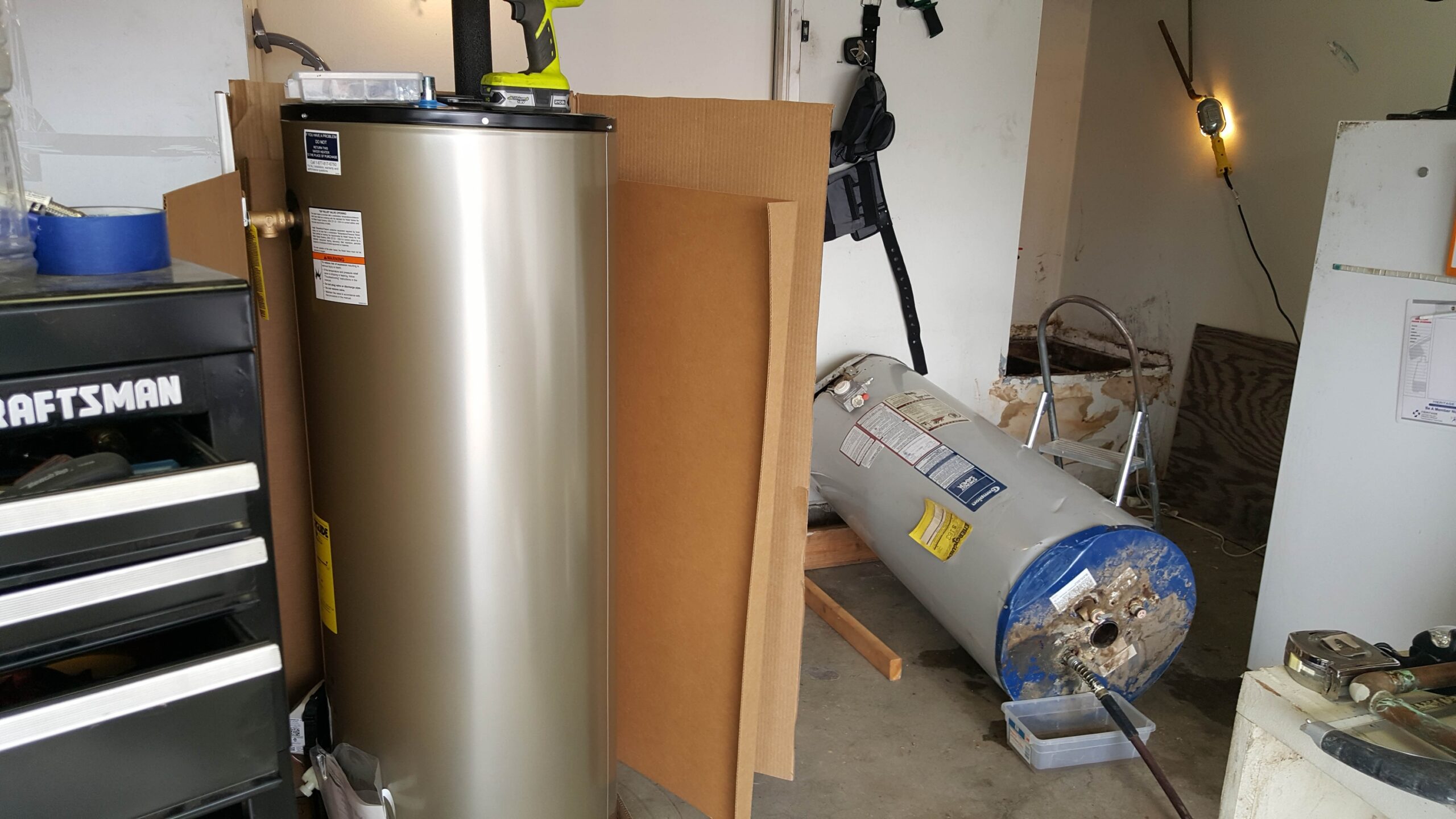

The Default Setting Almost Nobody Questions
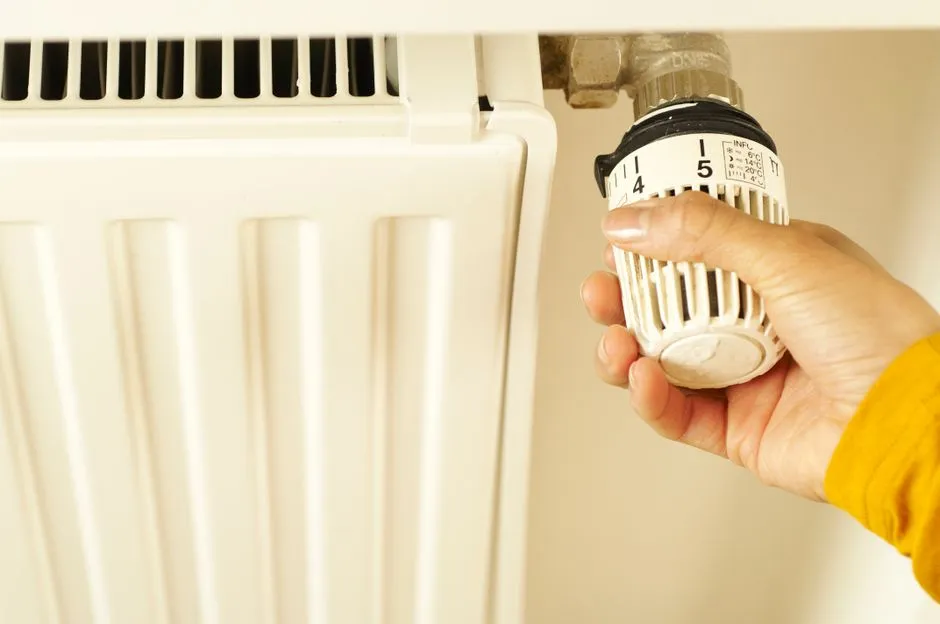
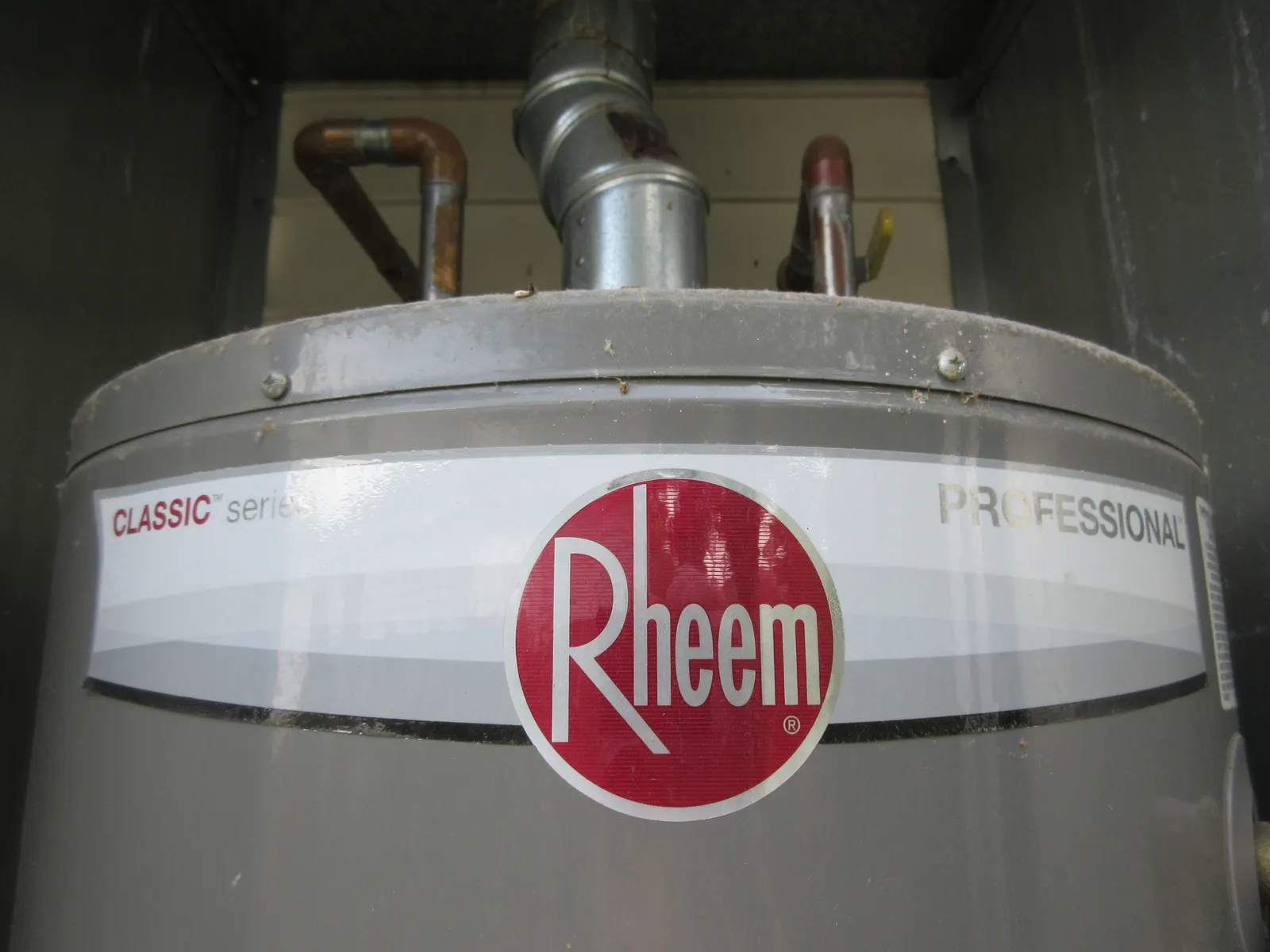
Most water heater manufacturers ship their units with the thermostat set to a default temperature of 140 degrees Fahrenheit. That’s the number that gets locked in on day one, and it stays there unless someone deliberately changes it. While this temperature guarantees consistently hot water, it is not necessarily the best setting for your home.
Your hot water heater accounts for nearly 20 percent of your entire energy bill. That’s a significant slice of household spending for an appliance most people essentially ignore. Running it at a higher-than-necessary temperature only makes that slice larger.
What the Department of Energy Actually Recommends
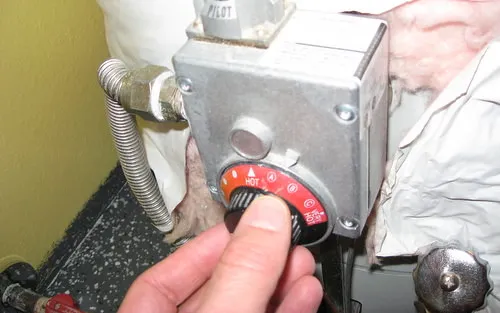
Many experts, including the U.S. Department of Energy and the Environmental Protection Agency, recommend that your water heater be set to about 120 degrees Fahrenheit. That’s a full 20 degrees below where most tanks are set out of the box. That single number reflects a careful balance: hot enough to prevent Legionella bacteria growth, cool enough to eliminate serious scald risk.
At 120°F, the temperature is efficient enough to reduce energy consumption and utility costs. It’s not a compromise so much as a genuine sweet spot, where comfort, safety, and cost all converge.
How Much Money Is Actually Being Lost
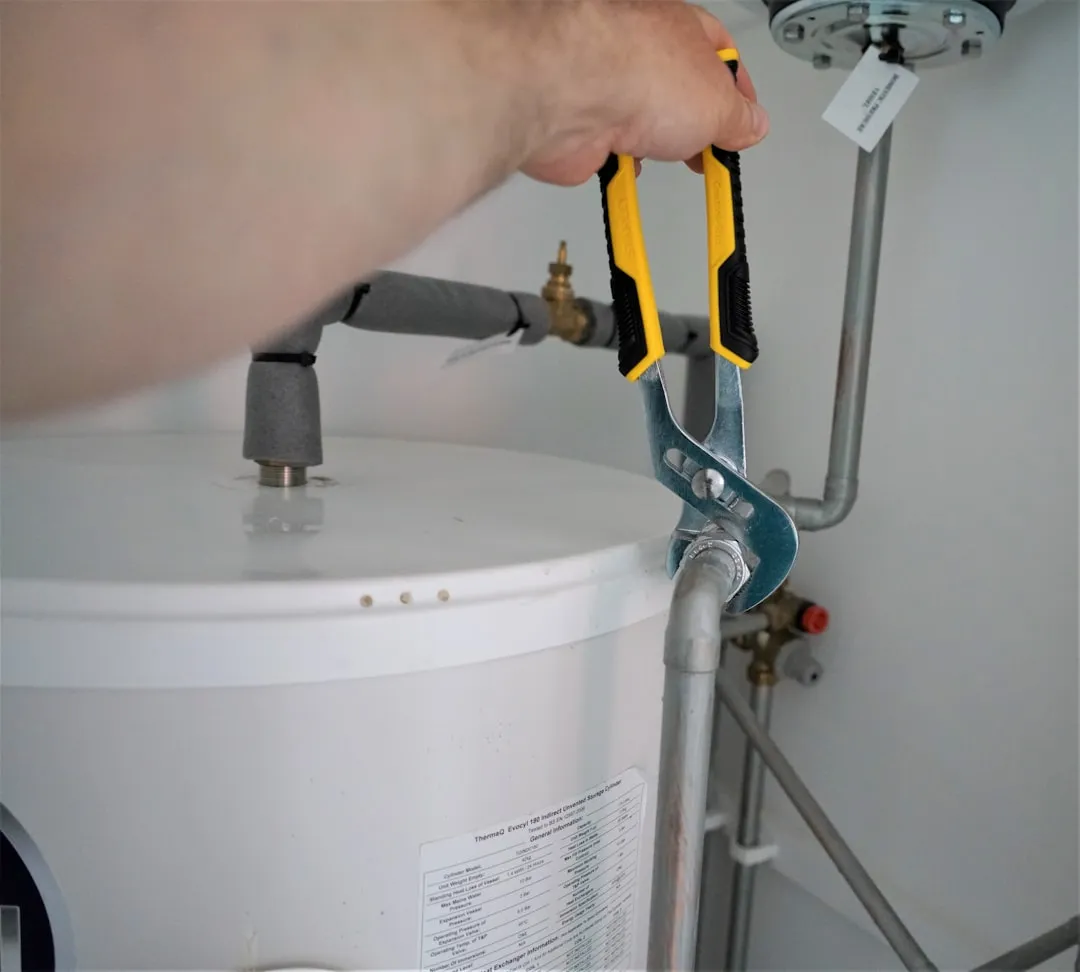
Reducing your water heater’s temperature from 140 to 120 degrees can cut your water heating energy costs by 6 to 10 percent. The Department of Energy estimates this can save an average household $36 to $61 per year. That’s real money for an adjustment that requires no tools and no contractor.
For every 10-degree temperature reduction, you can save up to 5 percent in energy costs. Stacked over time, across months and years of use, the cumulative savings become genuinely meaningful, especially for larger households with higher hot water demand.
The Standby Heat Loss Problem Nobody Talks About
Your water heater’s energy consumption breaks down into two categories: standby losses, meaning the energy used to maintain water temperature when not in use, which typically make up 20 to 25 percent of total consumption, and active heating, which accounts for the remaining 75 to 80 percent.
The savings from lowering temperature come from reduced standby heat loss, which is the energy your heater burns just to keep water hot while it sits in the tank. The higher the temperature setting, the more energy the unit burns continuously just to maintain that heat. For a 50-gallon tank, standby losses can translate to an annual standby cost of $80 to $120, depending on local electricity rates.
The Scalding Risk Hidden in Your Current Setting
Water at 140 degrees can cause a third-degree burn in as little as five seconds, a risk especially dangerous for children and the elderly. This isn’t a theoretical hazard. It’s a practical, daily exposure that exists in households where the thermostat was simply never adjusted after installation.
At 130 degrees, a third-degree burn can happen in just 30 seconds. At 150 degrees, it takes only two seconds. Lowering the setting to 120°F puts meaningful distance between daily hot water use and a genuine injury risk, especially for young children or older adults in the home.
The Bacteria Question People Worry About
Most experts agree that anything below 120 degrees creates a risk for bacteria to develop inside your water heater from stagnant water, such as Legionella, which causes Legionnaire’s disease. This is the argument often used to justify keeping the temperature cranked up, though it doesn’t hold up cleanly against the evidence.
The recommended minimum hot water temperature is 120 degrees Fahrenheit, as this is sufficient to kill most bacteria. For most healthy adults in an average household, 120°F provides adequate protection. However, individuals with suppressed immune systems or respiratory diseases may require hotter water temperatures. If no younger children are present, a water temperature of no higher than 140 degrees is recommended for those higher-risk situations.
Sediment Buildup and the Hidden Efficiency Drain
In addition to saving energy, lowering temperature increases the life of the water heater and reduces the risk of scalding. Draining a quart of water from your water tank every three months also helps remove sediment that impedes heat transfer and lowers the efficiency of your heater.
Running at an appropriate temperature reduces the likelihood of mineral buildup in the tank, extending the lifespan of your water heater. Higher temperatures accelerate mineral deposit formation, which forces the heater to work harder and shortens its useful life. Sediment and excess heat are two sides of the same inefficiency problem.
Insulation: The Upgrade Almost Everyone Skips
Adding a water heater blanket can reduce standby losses by 25 to 45 percent, saving $20 to $45 annually on a typical electric water heater. That’s a straightforward, low-cost improvement that works in addition to a temperature adjustment, not instead of it.
Insulating your water heater and hot water pipes can reduce heat loss, ensuring that the water stays hot for longer periods. Modern tanks with improved insulation, rated R-16 to R-24, significantly reduce standby losses compared to older units rated R-8 to R-12. If your water heater is more than ten years old, insulation quality alone could be costing you noticeably more than it should.
When 140°F Might Actually Be the Right Call
Not every household is the same, and the 120°F recommendation isn’t a universal mandate. It may be a better, safer idea to store water at temperatures closer to 140 degrees Fahrenheit for certain households. The circumstances where that’s true are fairly specific, though.
Though the 120-degree temperature setting is safe for most people, bacterial growth at this setting may pose a health issue for individuals with suppressed immune systems, who may be best keeping water heater settings at the higher 140-degree mark. If your dishwasher doesn’t have a booster heater, you may also want to keep your water heater at 140 degrees Fahrenheit for optimum cleaning. Most modern dishwashers, however, have internal heating elements that handle this independently.
How to Actually Check and Adjust Your Setting
If your dial shows labels like “Low,” “Medium,” or “Hot” rather than specific temperatures, refer to your water heater’s manual to understand what each setting means. Many units don’t display a precise degree readout, which makes it easy to assume the setting is correct when it’s actually running hotter than needed.
To verify the actual water temperature, run the hot water at the tap for two minutes and then measure it with a kitchen thermometer. After living with a new setting for a while, readjust it if necessary to a temperature that suits your needs. The U.S. Department of Energy recommends setting your water heater to 120 degrees for safety and efficiency. Although the 20-degree difference might not seem like much, it can lower your energy costs, reduce the risks of scalding injuries, and extend your water heater’s lifespan.
The Takeaway
The water heater is one of the few appliances in a home that runs constantly, costs a significant amount to operate, and almost never gets adjusted after installation. Your water heater accounts for about 18 percent of your home’s energy use. It’s a silent, constant expense, but one that’s easy to manage. By simply lowering your water heater’s temperature, you can cut your energy bills without giving up the comfort of hot showers or clean dishes.
The dial is there. The savings are real. For the vast majority of households, a fifteen-minute adjustment is all that stands between the current bill and a meaningfully lower one. That’s a rare kind of problem to have.
AI Disclaimer: This article was created with the assistance of AI tools and reviewed by a human editor.