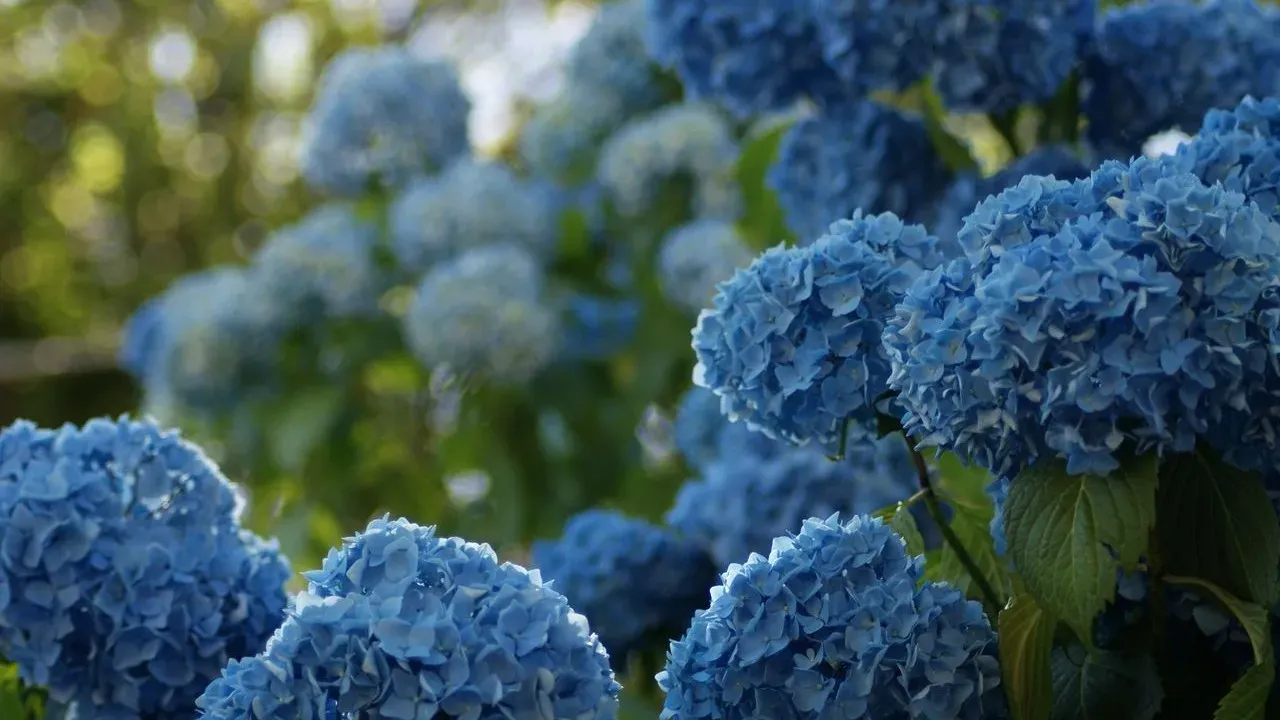

Many gardeners picture hydrangeas as the familiar mophead shrubs that line suburban yards in summer. The broader genus, however, contains dozens of species with unexpected leaf textures, bloom shapes, and growth habits that remain largely unknown in North American gardens. These plants offer structural interest and pollinator support without requiring the same conditions as their more common relatives. ## Medium and Large Shrubs That Anchor Plantings Several species reach substantial size and provide reliable focal points in partial shade. Rough-leaved hydrangeas in the Villosa group produce velvety foliage and bicolor lacecap blooms that attract a wide range of insects in mid to late summer. Cultivars such as Plum Passion develop striking purple-green leaves that deepen to chocolate tones with raspberry undersides. Himalayan tree hydrangea stands out for its oversized, soft-textured leaves that can reach nearly a foot in length. Its lacecap flowers feature purple fertile centers surrounded by white sterile florets. Woolly hydrangea grows into a large shrub or small tree with leathery foliage and white sterile florets that can cascade from a central disk of fertile flowers ranging from white to lavender. ## Vines and Tree Forms That Expand Vertical Options Mexican climbing hydrangea offers a well-behaved evergreen vine that clings to trunks rather than spreading aggressively across branches. Its white lacecap flowers emerge from drumstick-like buds, and the plant draws nutrients from the soil instead of competing heavily with its host tree. This species suits gardeners wary of invasive climbers yet seeking height in shaded spaces. Narrow-petaled hydrangea brings an uncommon yellow tone to early blooms. Selections such as Golden Crane produce golden fertile flowers edged by white sterile florets and carry a light fragrance. These plants remain compact enough for smaller gardens while adding seasonal color that few other hydrangeas provide. ## Compact Species for Tight or Shaded Spaces Smaller members of the genus fill gaps where larger shrubs would overwhelm. Yellow-vein hydrangea grows on deep purple stems and bears early flowers in the leaf axils rather than at branch tips. Its modest size and fragrant selections make it suitable for woodland edges or containers. Tea of Heaven produces nodding blossoms with both fertile and sterile florets on a compact shrub that turns golden in autumn. Cardiandra functions as a herbaceous perennial with lacecap-style flowers and alternate leaf arrangement, retreating underground each winter. False hydrangea offers waxy, nodding white or pink-tinged blooms on forked leaves and proves hardier than many expect in consistent shade. Chinese quinine stands apart by forming fleshy blue or pink berries after flowering instead of dry capsules. Flower color shifts with soil pH, and the plant can remain evergreen or semi-evergreen depending on climate. These lesser-known hydrangeas expand design possibilities for gardeners ready to move past the standard choices. Their distinct habits and seasonal features reward observation throughout the year. ([1])
AI Disclaimer: This article was created with the assistance of AI tools and reviewed by a human editor.