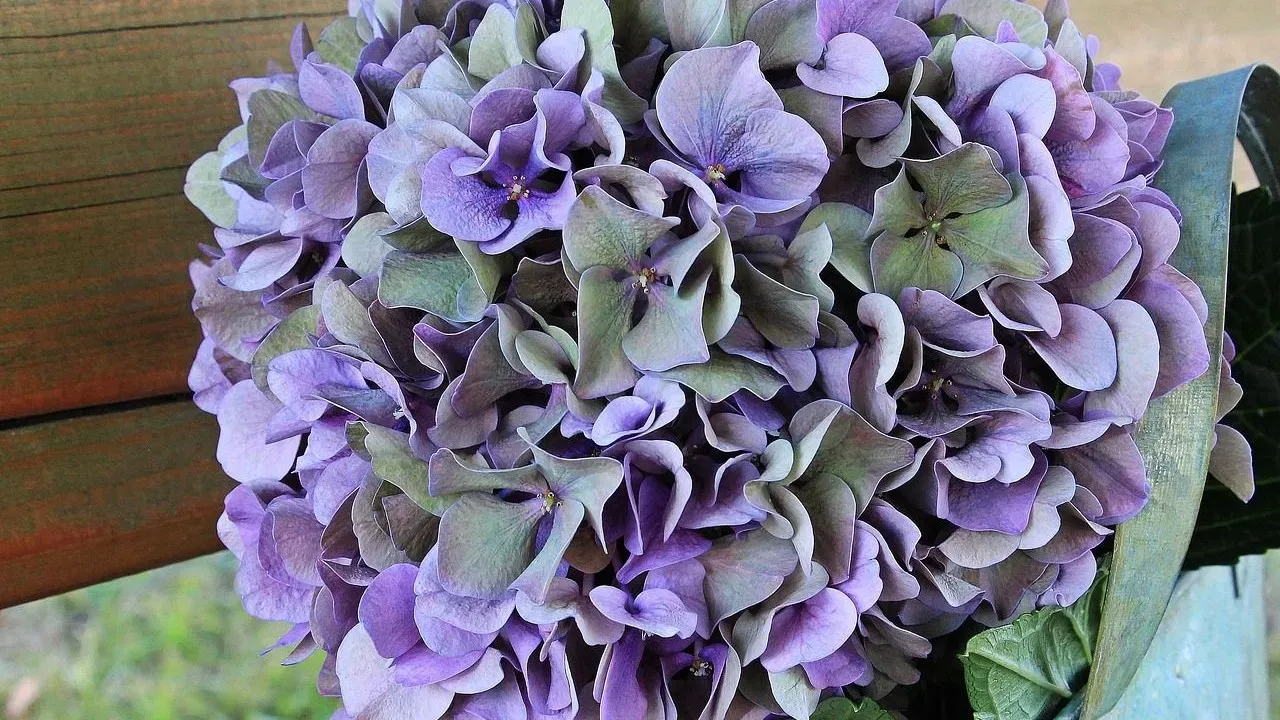

Plant breeders continue to explore new combinations that could reshape the hydrangeas available to gardeners in coming years. Recent efforts focus on crossing common garden types with species once classified separately, opening possibilities for different growth habits and other characteristics. These developments reflect broader trends in the nursery industry, where innovation often balances commercial appeal with practical performance in landscapes.
Expanding Hybridization Efforts
Traditional hydrangea breeding has largely stayed within familiar species boundaries. New work now incorporates plants previously placed in genera such as Dichroa and Platycrater. One result is the × Didrangea group, which combines traits from both lines. Ed Bowen at Issima Nursery in Rhode Island has produced additional hybrids involving former Platycrater species. These crosses represent a deliberate move beyond standard mophead and lacecap forms. Nurseries and plant explorers see such efforts as a way to introduce greater diversity while responding to shifting market demands for compact or distinctive plants. The practical outcome for commercial growers lies in plants that may ship more easily and perform reliably across wider regions. Gardeners, in turn, could gain access to selections that fit smaller spaces or offer extended seasonal interest.
Traits Under Development
Hybridization increases the chance of introducing fragrance and a wider palette of flower colors and shapes. Breeders aim to retain or enhance features that support pollinators, though this requires careful selection. Mophead hydrangeas that bloom on new wood have gained strong commercial traction. Yet these forms typically provide little nectar or pollen. Lacecap types, by contrast, continue to attract insects more effectively. Maintaining pollinator value remains a stated priority for some programs. The industry faces a clear tension between visual appeal that drives sales and ecological contributions that matter to many home gardeners.
Implications for Nurseries and Home Gardens
Stakeholders across the supply chain stand to be affected. Breeders invest time and resources in multi-year trials to stabilize new hybrids. Nurseries must decide which selections warrant production scale-up based on performance data and customer feedback. Home gardeners may eventually choose from plants that combine familiar reliability with novel attributes. The timeline for widespread availability depends on successful propagation and regional testing. Current trends suggest that future offerings will reflect both aesthetic preferences and growing awareness of biodiversity needs. Selection decisions made now will shape what appears on retail benches in the years ahead. These breeding steps illustrate how incremental scientific work translates into tangible choices for landscapes.
AI Disclaimer: This article was created with the assistance of AI tools and reviewed by a human editor.