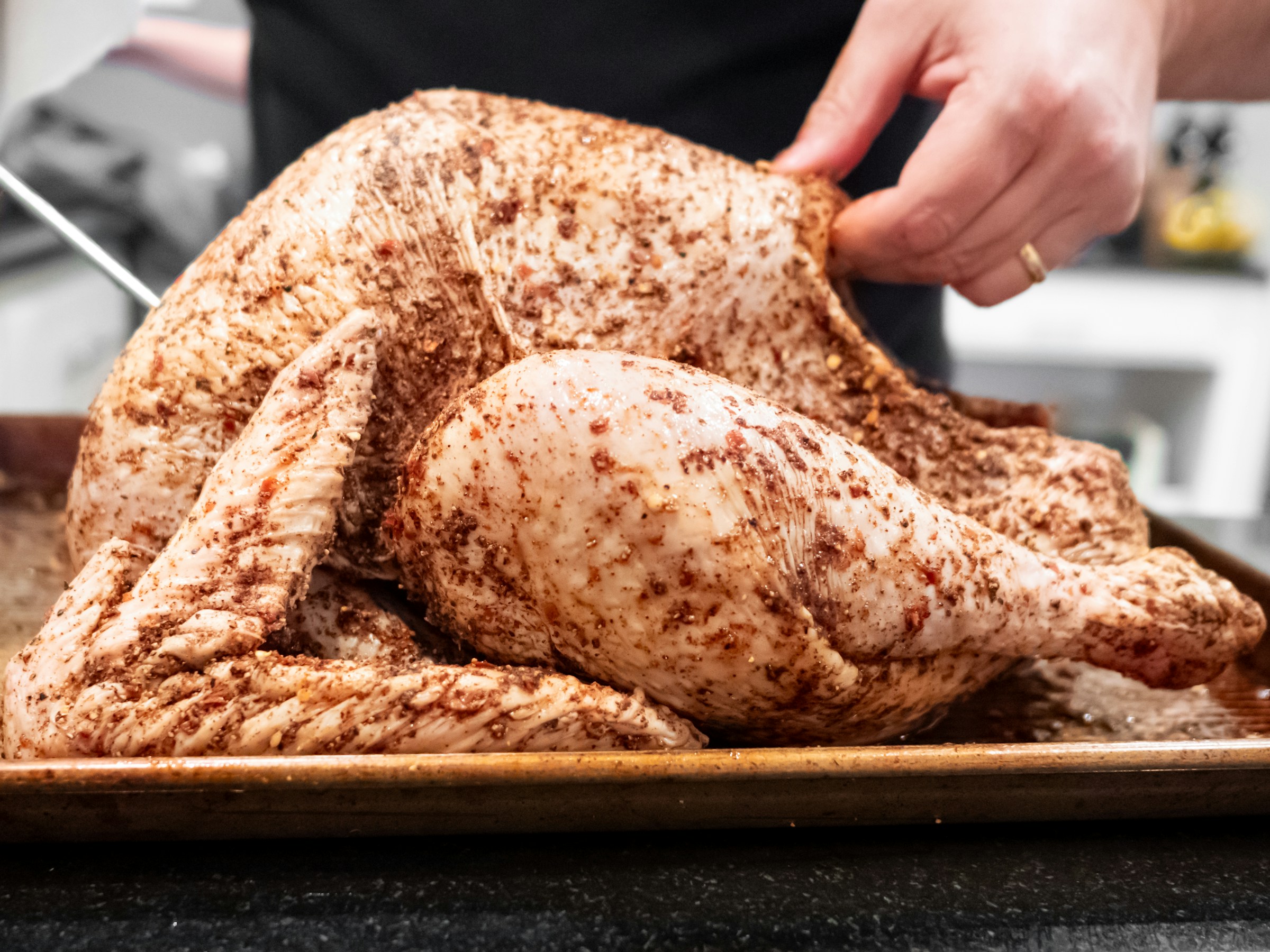

Every November, tens of millions of Americans pull a turkey out of the oven, assume it looks done, and serve it to a table full of family. That assumption has consequences. What feels like a reliable instinct, judging doneness by color, timing, or the way the juices run, turns out to be one of the most common and consequential mistakes in home cooking.
The problem isn’t carelessness. Most people genuinely believe they’re doing it right. The gap between what looks safe and what is safe is exactly where foodborne illness takes hold each holiday season.
The Scale of the Problem Is Bigger Than Most People Realize
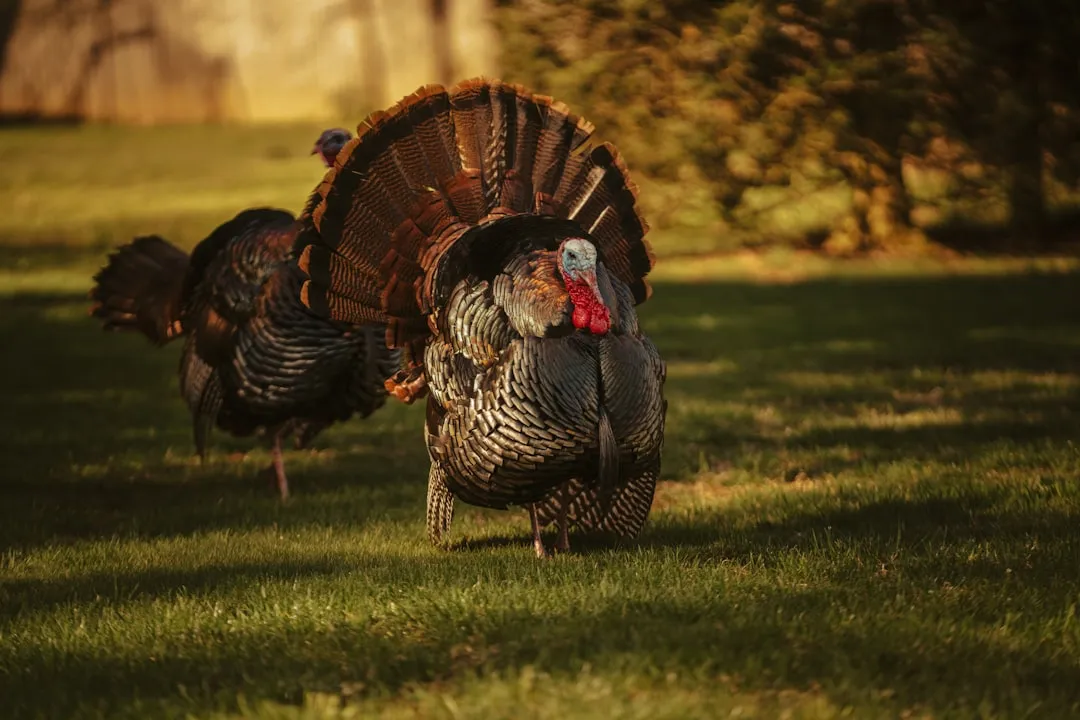
Every year in the United States, roughly 48 million people get sick, 128,000 are hospitalized, and 3,000 die from foodborne diseases, according to the CDC. Those numbers aren’t spread evenly across the calendar. Most C. perfringens outbreaks happen in November and December, and many have been linked to popular holiday foods, including turkey and roast beef.
Roughly nine out of ten people in the United States report eating turkey during their Thanksgiving meal. That near-universal participation, combined with widespread misunderstanding about safe cooking temperatures, creates a predictable annual spike in foodborne illness cases tied directly to the holiday.
The One Number That Actually Matters: 165°F
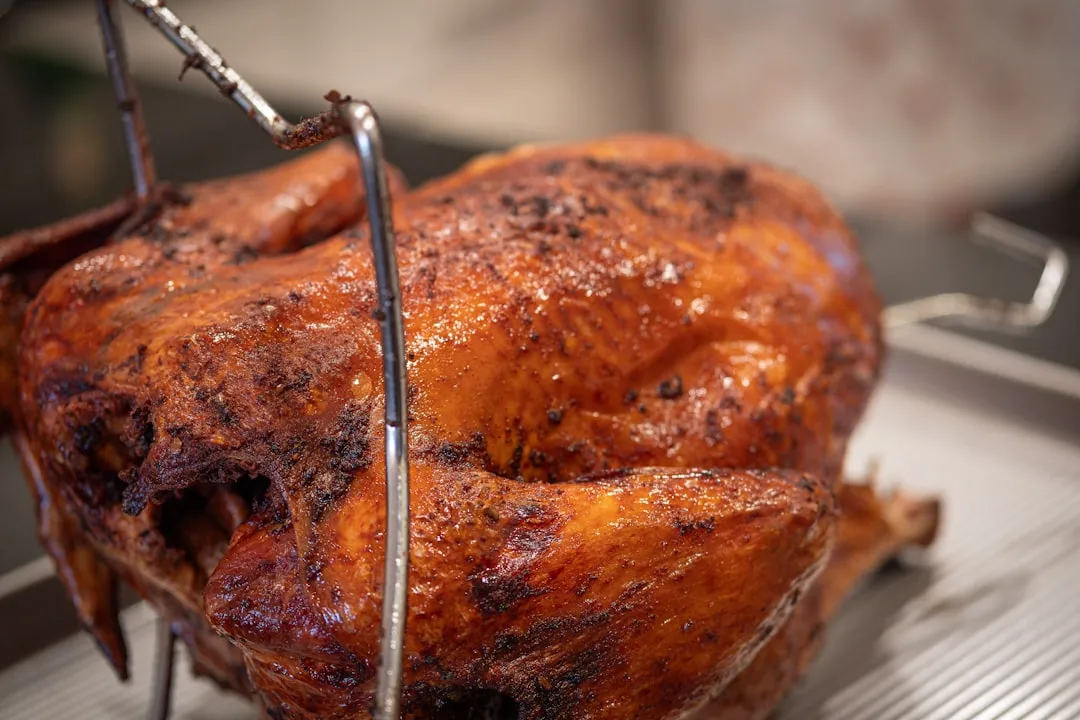
Regardless of how a turkey is cooked, whether roasted, deep-fried, or smoked, its internal temperature must reach a minimum of 165 degrees Fahrenheit. This is not a guideline open to interpretation. It is the threshold at which dangerous bacteria are reliably destroyed throughout the meat.
For a whole turkey, the temperature should be checked in at least three places: the innermost part of the thigh, the innermost part of the wing, and the thickest part of the breast. Checking only one spot, especially just the breast, is a common shortcut that leaves dangerous cold zones undetected inside the bird.
Why Color Is a Completely Unreliable Indicator
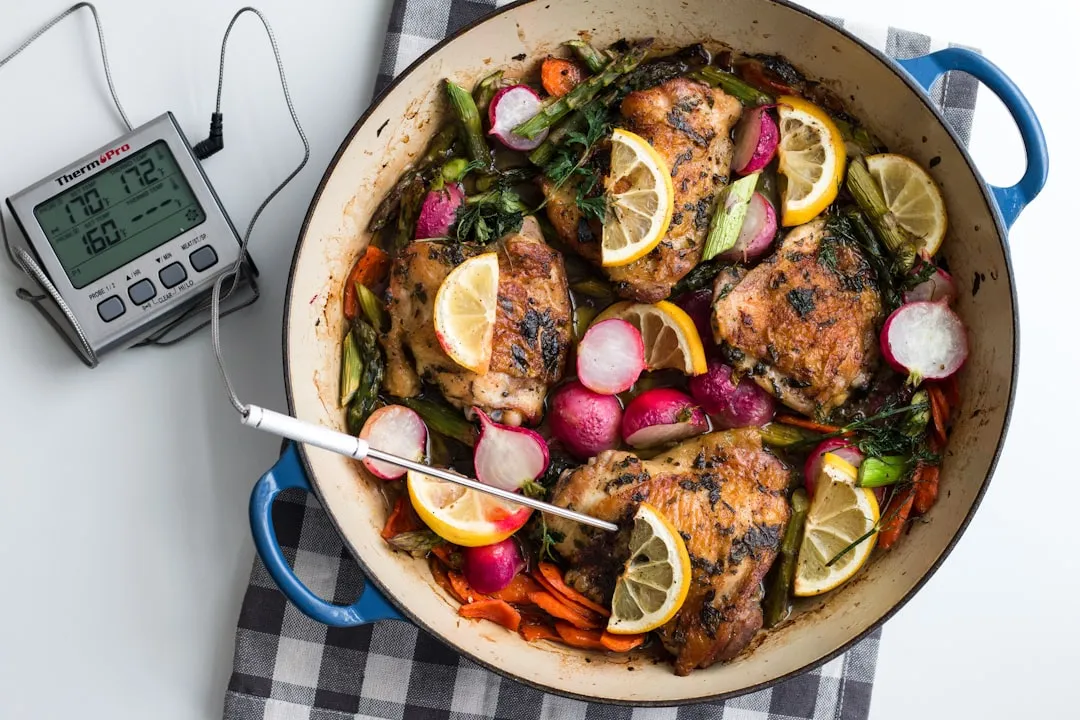
Color is not a reliable indicator of doneness. A food thermometer is the only way to confirm that meat, poultry, and fish have reached a safe internal temperature. This point trips up experienced home cooks as much as beginners, because a turkey can look perfectly golden and fully cooked on the outside while remaining dangerously undercooked inside.
When there is a pink color in safely cooked turkey, it is due to hemoglobin in tissues that can form a heat-stable color. This can also happen when smoking, grilling, or oven cooking a turkey. In other words, pink doesn’t automatically mean raw, and brown doesn’t automatically mean safe. The thermometer is the only truth-teller at the table.
The Bacteria Behind the Holiday Rush to the ER
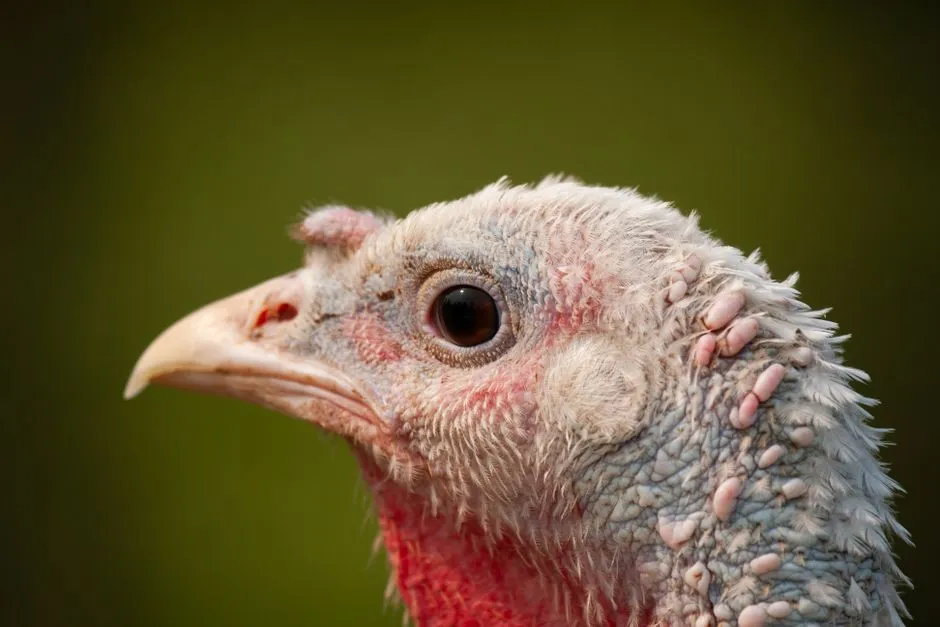
Raw turkey can harbor Salmonella, Clostridium perfringens, Campylobacter, and other germs. Each of these pathogens behaves differently in the body and thrives under slightly different conditions, but all of them share one common opportunity: turkey that didn’t reach a safe temperature before it was served.
One study reported an uptick in certain Salmonella cases following the Thanksgiving holiday, which researchers said was most likely related to foods disproportionately eaten during that time, particularly turkey. Foodborne Salmonella infections cause an estimated 1 million cases, 20,000 hospitalizations, and 400 deaths in the United States annually. That’s the year-round burden. The holiday spike adds measurably to those figures.
Clostridium Perfringens: The Bug That Loves a Holiday Kitchen
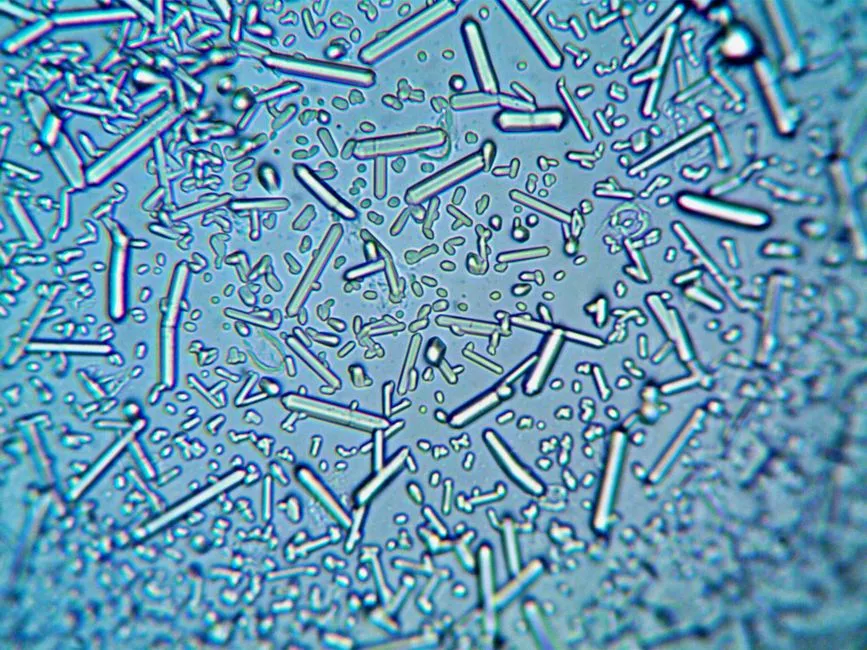
Clostridium perfringens bacteria are a common cause of food poisoning in the United States, and the CDC estimates they cause nearly 1 million foodborne illnesses in the country each year. What makes this pathogen particularly relevant at Thanksgiving is its behavior at certain temperatures. It thrives when food cools slowly or sits at lukewarm temperatures for extended periods.
If large pieces of roasted turkey aren’t divided and cooled quickly, any Clostridium perfringens they contain might have time to produce toxins. This increases the risk of getting sick from leftovers, even reheated ones, since these toxins are not destroyed by heat. That detail changes the calculation for the next-day sandwich entirely.
Washing the Turkey: A Tradition That Spreads Bacteria
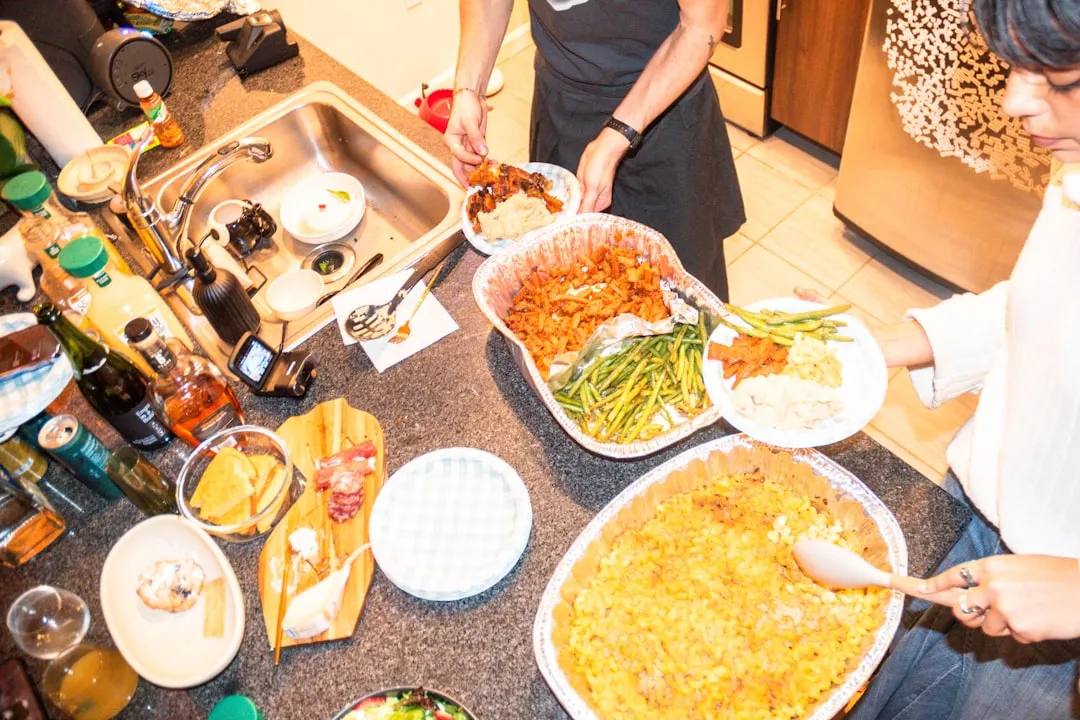
Although many people were raised on the tradition of rinsing the turkey in the sink, federal food safety experts have advised against washing raw poultry for nearly two decades. A 2020 survey found that roughly three quarters of people still wash their turkey, unknowingly spreading bacteria throughout the kitchen.
Raw turkey drippings can easily spread bacteria onto hands, utensils, and counters. Washing doesn’t remove bacteria from the bird. It just launches droplets of contaminated water onto nearby surfaces, cutting boards, faucet handles, and dishes sitting in the drying rack. It’s a habit that multiplies the risk rather than reducing it.
The Stuffing Problem Nobody Talks About
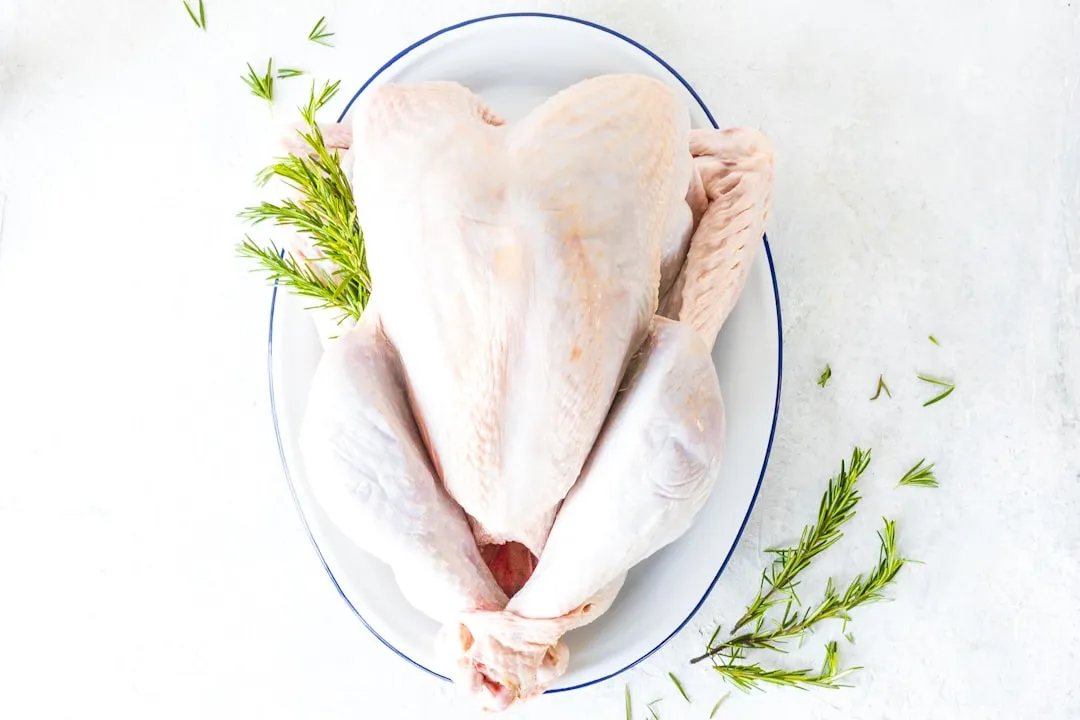
The USDA does not recommend stuffing a whole turkey because it increases the risk of cross-contamination and takes longer to cook. For optimal safety and uniform doneness, cooking stuffing separately is advised. Despite that guidance, stuffing inside the bird remains a Thanksgiving tradition in many households.
While the turkey may reach a safe internal temperature, the stuffing often does not, making it a higher-risk dish. If you do choose to stuff the bird, it should not be stuffed the night before cooking it. Harmful bacteria can multiply in the stuffing and cause foodborne illness when a stuffed bird is refrigerated overnight. That shortcut to save time the next morning is one of the less obvious ways holiday cooking goes wrong.
The Leftovers Window Is Shorter Than You Think
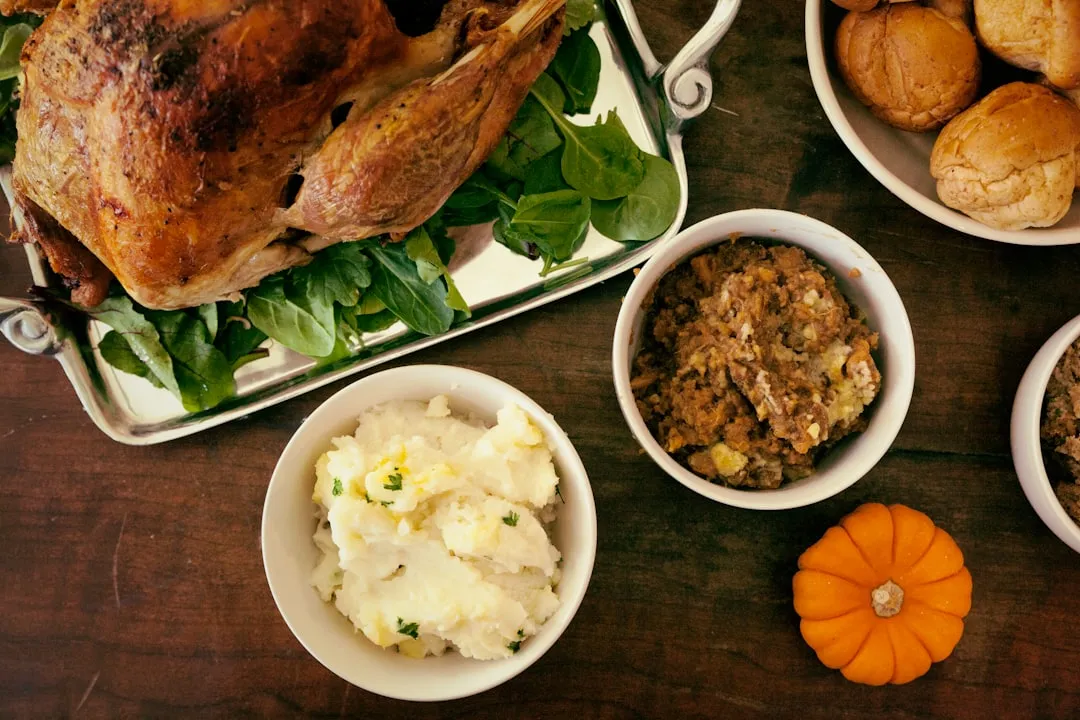
Perishable foods should not be left at room temperature for more than two hours, or one hour if the food is sitting in temperatures above 90 degrees Fahrenheit. At a typical Thanksgiving gathering, the turkey often sits on the table for well over that window while people linger, have second helpings, and wait for dessert.
Leftovers stored too long, reheated improperly, or cooled slowly also bring hazards. If large pieces of roasted turkey aren’t divided and cooled quickly, Clostridium perfringens can have time to produce toxins. Each November and December, outbreaks involving this bacterium spike, often due to encounters with turkey and roast beef leftovers. Dividing leftovers into shallow containers and refrigerating them promptly is one of the most protective steps a cook can take after the meal ends.
How to Use a Thermometer Correctly
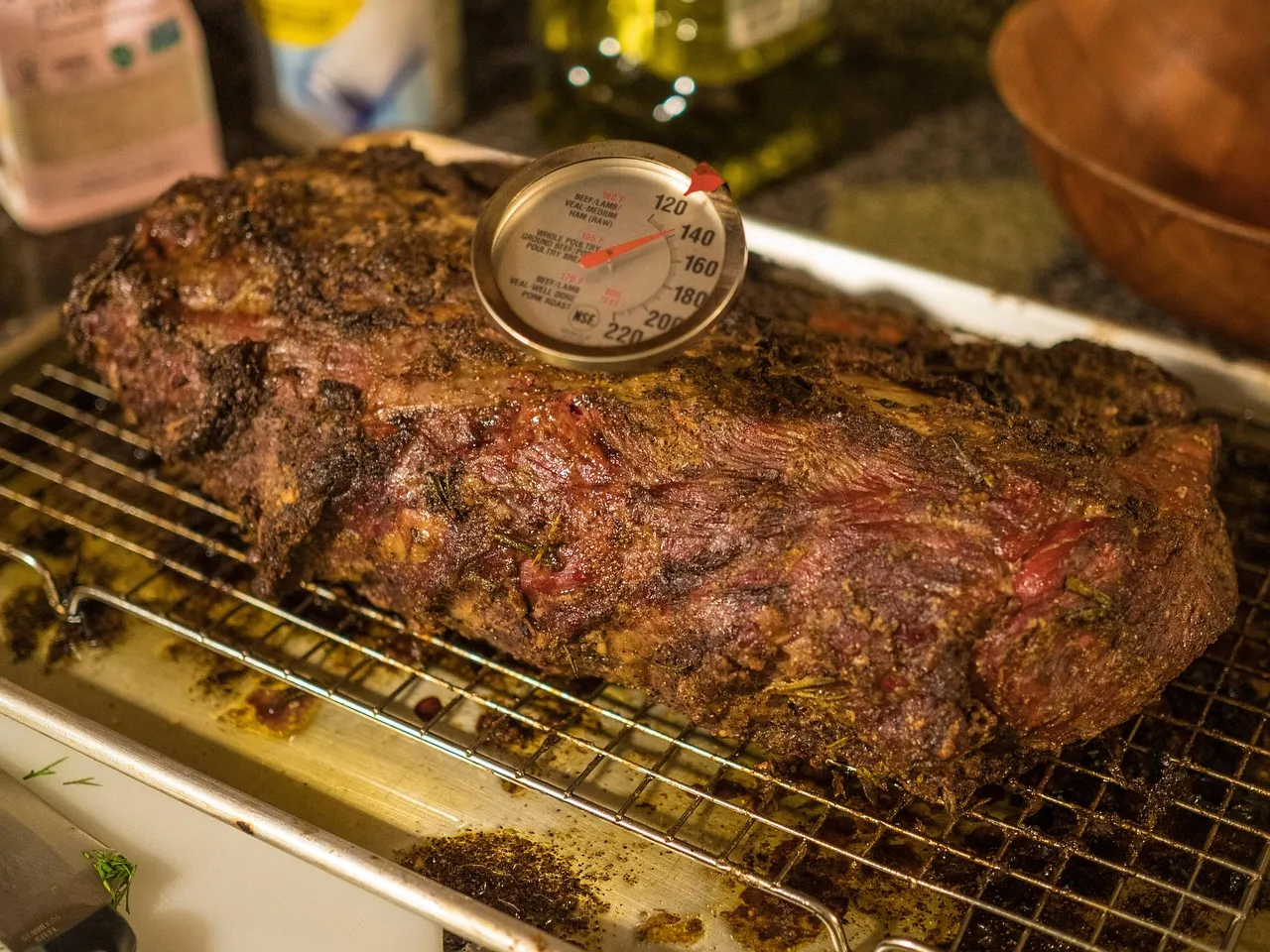
For safety and doneness, the internal temperature should always be checked with a food thermometer. The temperature of the turkey and the center of the stuffing must reach a minimum of 165 degrees Fahrenheit. The thermometer should be checked in the innermost part of the thigh and wing and the thickest part of the breast. Hitting just one of those points is not enough to confirm the whole bird is safe.
According to the U.S. Food and Drug Administration, the percentage of consumers who own food thermometers has increased from about half in 1998 to roughly seven in ten more recently. Owning one and actually using it correctly are still two different things. Many thermometers end up in a kitchen drawer while the cook trusts their eyes instead.
What Happens When the Temperature Mistake Lands Someone in the ER

In one documented case, a family of ten ate turkey together on Thanksgiving. About eight hours later, all of them were vomiting. One also had diarrhea and a fever. A family member called a poison center and suspected the turkey had been undercooked. Four patients, one child and three adults, were treated for food poisoning in the emergency room and given intravenous fluids and medication to control vomiting before being sent home.
Typical Salmonella illness consists of diarrhea, fever, and abdominal pain lasting three to seven days, with only a minority of persons seeking health care. Those who do seek care often arrive dehydrated, unable to keep fluids down, and sometimes requiring IV treatment. For young children, elderly individuals, or anyone immunocompromised, the risk of serious complications climbs considerably.
The Takeaway
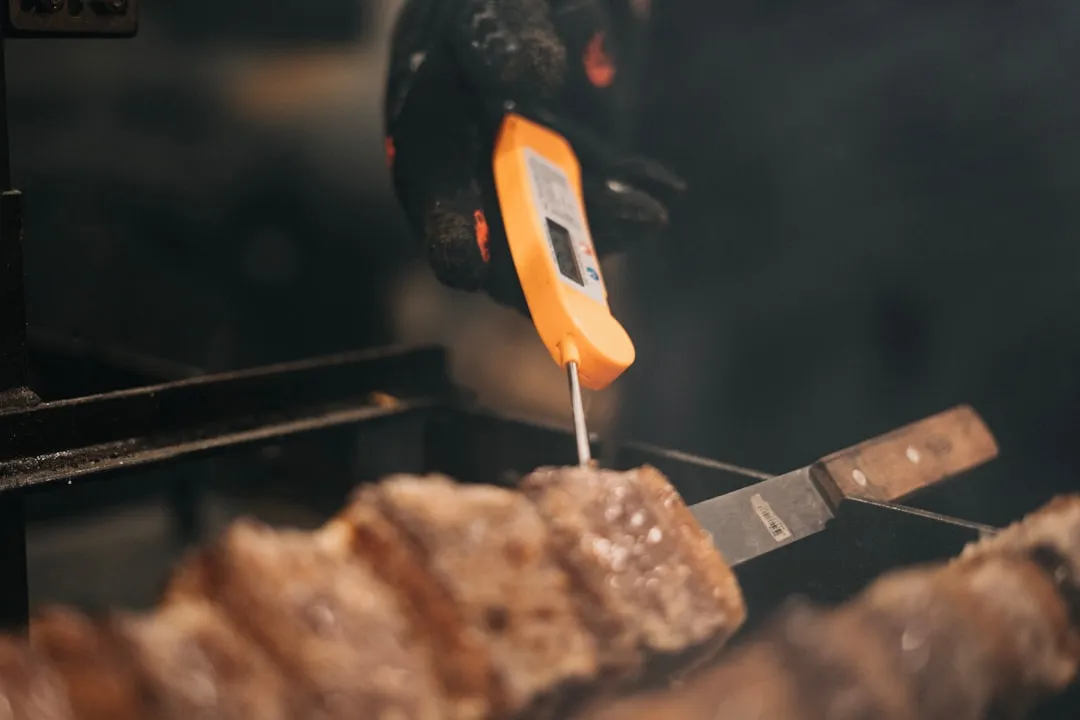
The most common Thanksgiving turkey mistake isn’t forgetting an ingredient or burning the skin. It’s trusting appearance over temperature. Cooking the turkey to an internal temperature of 165 degrees Fahrenheit, confirmed in the thickest part of the meat with a thermometer, is the single most effective safeguard. That step, done properly, renders nearly every other concern secondary.
A food thermometer costs less than ten dollars and takes about ten seconds to use. Compared to a night in the emergency room, or a holiday ruined by a family-wide illness that started at the dinner table, it’s the clearest trade-off in the kitchen. The data on what goes wrong each November has been consistent for decades. The fix has been equally consistent.
AI Disclaimer: This article was created with the assistance of AI tools and reviewed by a human editor.