

Wait Until You’re Home to Inspect Everything
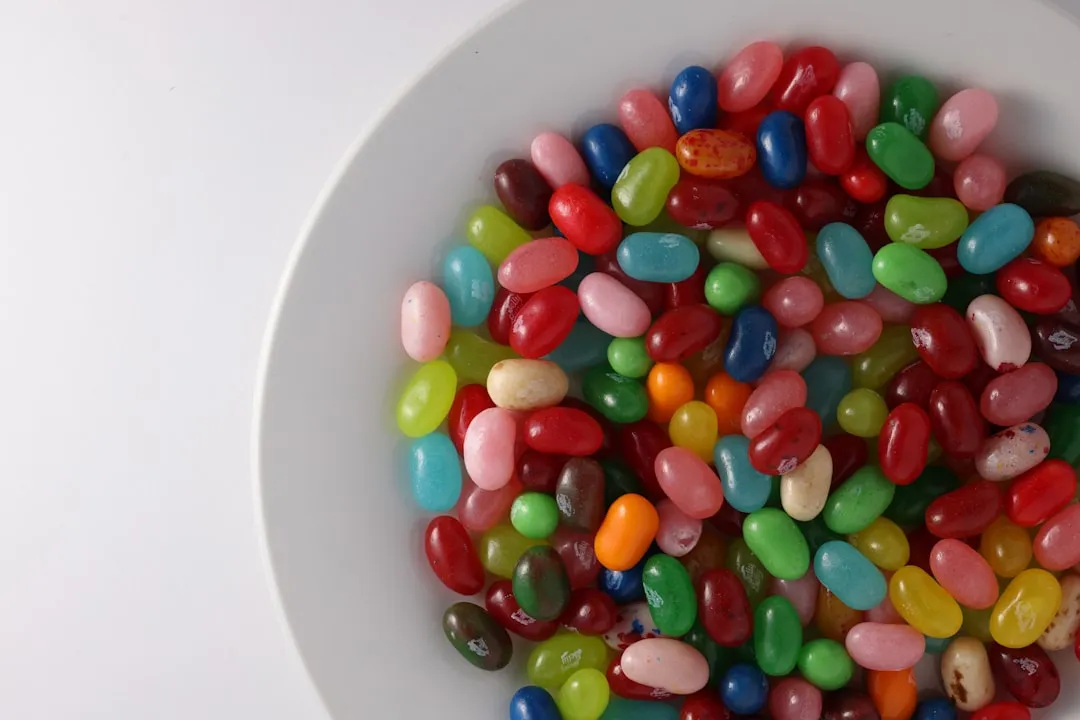
The FDA is direct on this point: don’t eat candy until it has been inspected at home. They even recommend eating a snack before heading out to reduce the temptation of nibbling on a treat before it’s been checked. It’s a simple rule, but it’s one kids need to hear before they leave the house, not after.
Ensuring children wait until an adult has inspected their candy at home before consuming any helps prevent them from accidentally ingesting anything harmful while out and about. Making this a firm household rule, year after year, is what turns it into a reflex.
Check Every Wrapper for Signs of Tampering
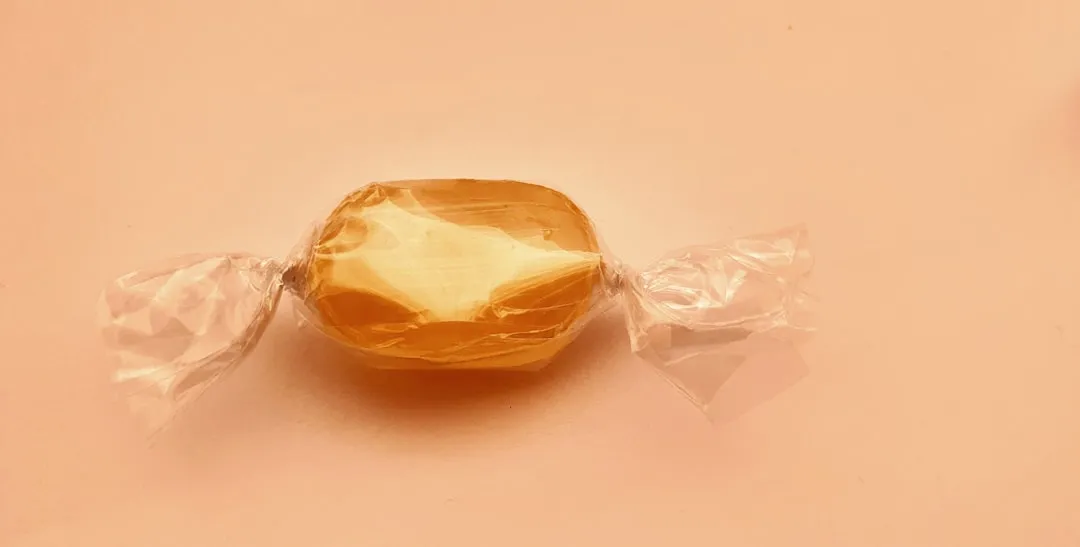
In a 2024 press release, the FDA stated that parents should inspect commercially wrapped treats for signs of tampering, such as an unusual appearance or discoloration, tiny pinholes, or tears in wrappers, and throw away anything that looks suspicious.
Before allowing children to eat candy, inspect it for tampering. Signs of tampering may include opened wrappers, wrapping that doesn’t match the candy inside, labels with misspelled words, or candy that looks or smells strange. If something feels off, trust that instinct.
Toss Anything Unwrapped or Homemade

It’s best to wait until the candy has been inspected at home before eating. Discard anything unwrapped, ripped, or discolored. There are no exceptions to this rule worth making on Halloween night.
Homemade treats might seem tempting, but unless they come from a trusted neighbor or family member, it’s best to avoid them. Stick to commercially wrapped candy to minimize the risk of contamination or allergens. The FDA echoes this. Children should not accept or eat anything that isn’t commercially wrapped.
Watch for Candy-Like Cannabis Edibles

Cannabis edibles and medications can easily be mistaken for regular candy, posing serious risks to children and pets. This is now considered one of the primary concerns flagged by poison control centers heading into each Halloween season.
The increase in accidental overdoses in children seems to be driven largely by edibles rather than other forms of cannabis. Many of these products are designed and packaged to look like candy. This type of copycat packaging is not rare and is worrisome, because people may mistake these products for regular candy.
The director of UVA’s Blue Ridge Poison Center has said he has seen many kids ingest THC edibles while mistaking them for normal candy, and that cannabis can severely sedate children and lead to medical conditions so drastic they could need life support.
Know How to Spot an Edible in the Bag

Look closely at the labels. Edible products often have warning labels like “THC,” “cannabis,” or a small marijuana leaf symbol. Legitimate cannabis products sold in regulated markets are required to carry these markers.
Check the packaging carefully. If it imitates a known candy, cereal, or snack brand, that’s a major red flag. Legitimate companies do not design their products to look like popular junk food. When in doubt, set the item aside and call poison control for guidance.
Remove Choking Hazards for Younger Children
Parents of very young children should remove any choking hazards such as gum, peanuts, hard candies, or small toys from the Halloween bags. This step is easy to overlook when the focus is on tampering, but it’s just as important for toddlers.
For younger children, remove small items like gum or hard candies that could be a choking hazard. Families managing food allergies should double-check ingredient labels. A quick sort by age and treat type takes just a few minutes and significantly reduces risk.
Always Read Labels for Allergens

In case of a food allergy, check the label to ensure the allergen isn’t present. For children with serious allergies to peanuts, tree nuts, milk, or gluten, this step isn’t optional. It’s essential every single time.
Be mindful of allergies and check candy labels for common allergens such as nuts or gluten. Even familiar candy brands occasionally reformulate, so checking the current label matters even if the same candy was fine the year before.
Understand the Real Risk Landscape
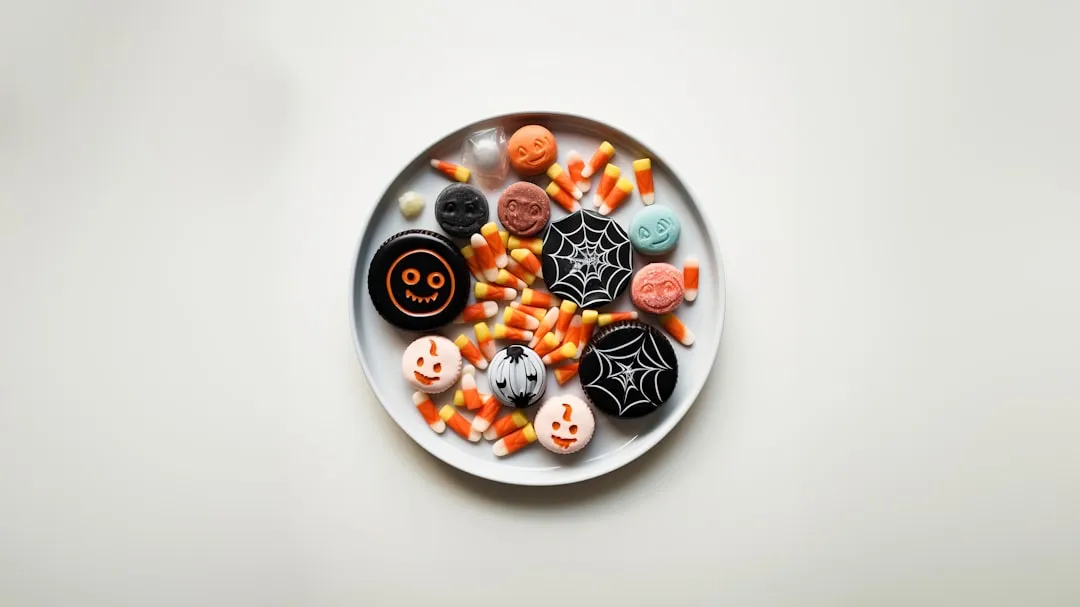
Despite the widespread fear of tainted Halloween candy, there is little evidence of children dying from poisoned treats while trick-or-treating in the U.S. Historically, the dangers have been more nuanced than the headlines suggest.
No actual cases of poisoned Halloween candy have ever been reported in some regions. But every year, thousands of children are harmed by poisons in their own homes. One of the growing concerns today are cannabis edibles. The real threat isn’t a stranger with a needle. It’s accidental exposure to substances that look harmless.
The FDA has continued to reiterate the warning of “copycat” products that appear to be candy but contain substances that may cause serious adverse events in children, which remain a threat. The concern has shifted from fiction toward a more documented and modern reality.
What to Do If Something Goes Wrong
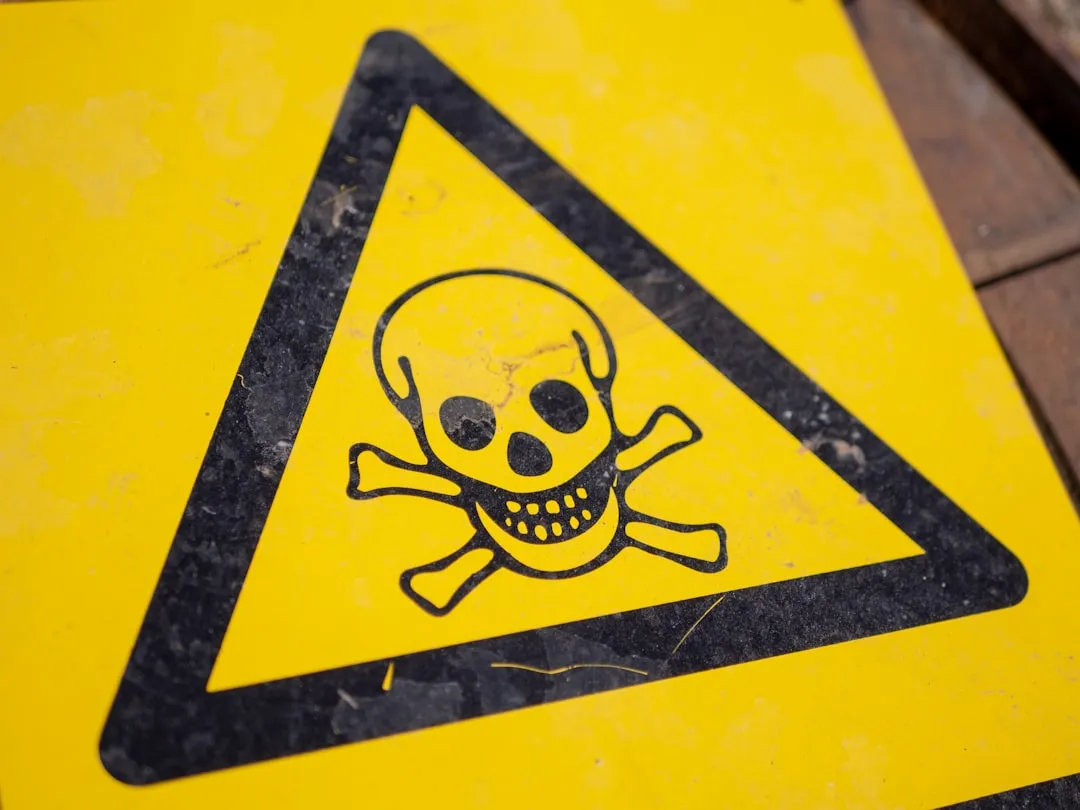
If a child eats something suspicious and shows symptoms like vomiting, dizziness, or a rash, call poison control immediately. Speed matters in these situations, and poison control is available around the clock at no cost.
The effects from edibles may be delayed by a few hours, so if you suspect a child ate cannabis edibles, call poison control right away at 800-222-1222, even if there are no symptoms. Calls are free and confidential, and the poison center is open around the clock.
Make Inspection a Tradition, Not a Chore

Learning how to inspect Halloween candy for tampering is an essential part of Halloween safety for parents. A few minutes of careful inspection can prevent allergic reactions, choking incidents, or exposure to unsafe substances.
Teach kids to always ask before eating any Halloween candy. This habit builds trust and reinforces your role in keeping them safe. Children who understand the importance of inspection are less likely to sneak candy when unsupervised. Framing it as a shared ritual rather than a restriction makes the whole thing go more smoothly.
The Takeaway

The candy inspection isn’t just a safety checkbox. It’s also one of the quieter parenting moments that Halloween actually makes room for: sitting together, sorting through the haul, making it a little bit fun. The FDA advises checking packaging for holes, discoloration, or broken seals and prioritizing commercially wrapped products, which significantly reduces the risk of ingesting foreign objects or undeclared substances.
The threats that poison control centers highlight year after year are real, even if they’re not quite the stuff of horror movies. A careful five-minute look through your child’s bag, done consistently, is genuinely worth it. That one step, done right, is what makes the rest of the evening worry-free.
AI Disclaimer: This article was created with the assistance of AI tools and reviewed by a human editor.