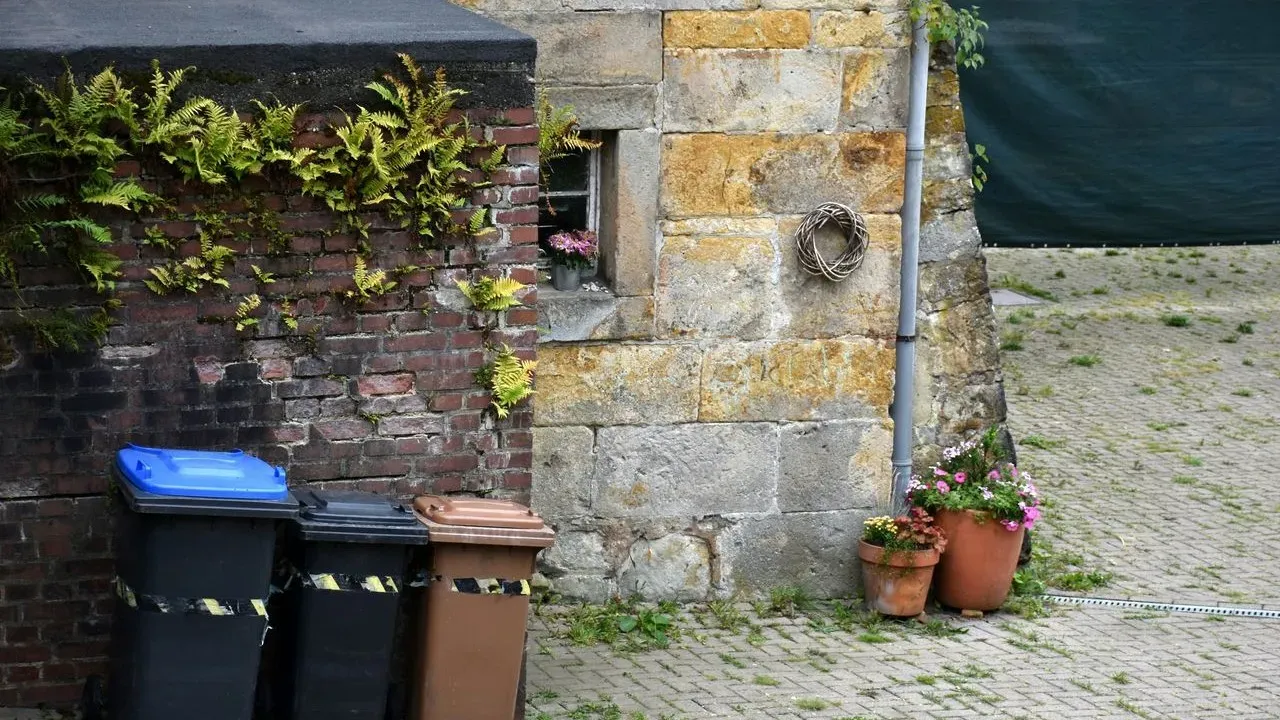

Gardeners seeking a contained way to handle kitchen scraps now have a new option from Germany. The ECO-Komposter arrived at one specialty shop last week, drawing attention for its straightforward construction and 74-gallon capacity. Its open-bottom design allows direct contact with soil, which supports natural breakdown processes without added complexity.
Simple Engineering With Clear Capacity
The bin features a basic cylindrical shape that requires minimal assembly. It holds enough material to process typical household waste from a small yard or urban plot over several weeks. Unlike enclosed tumblers or multi-chamber units, this model relies on passive aeration through its sides and base. Users appreciate the lack of moving parts, which reduces maintenance needs. The design also limits visible mess while keeping odors contained compared with open piles. Retail pricing sits at $139, positioning it as a mid-range choice for those who prefer structure over free-form methods.
Real-World Setup in the Garden
One unit moved quickly from the shop floor to an herb garden beneath a chaste tree. Preparation involved leveling the ground and adding a layer of unsprayed hay at the base to start the process. Pear skins and cores from a recent batch of salsa went in next, providing an immediate test of its function. The open bottom lets worms and microbes enter from the soil below. This approach mirrors traditional composting while offering boundaries that prevent scattering. Placement near existing plants also allows any finished material to enrich the surrounding beds over time.
Why Some Gardeners Choose Contained Bins
Many experienced composters simply build piles directly on the ground for speed and simplicity. Others, however, value the order and predictability that a dedicated container provides, especially in tighter spaces or neighborhoods with strict rules. The German model meets that preference without introducing unnecessary features. Fire ants remain a common visitor in warmer climates, yet the bin does not change that reality. Winter conditions tend to reduce their activity regardless of the system used. Overall, the unit offers a practical middle ground between landfill disposal and fully open composting.
Practical Considerations for Buyers
– Holds 74 gallons of material in a compact footprint
– Requires no electricity or frequent turning
– Works best with a mix of greens and browns for balanced decomposition
– Suited to city lots or small suburban yards where space is limited The bin delivers convenience for those who want results with less daily effort. Its durability and clean lines also make it less obtrusive than makeshift solutions. For gardeners weighing options, this arrival highlights how targeted imports can fill specific needs in home composting. The focus stays on reliable function rather than elaborate claims, giving users a straightforward tool to divert waste while building soil health.
AI Disclaimer: This article was created with the assistance of AI tools and reviewed by a human editor.