

Most people start their mornings on autopilot. You reach for whatever’s quick, familiar, and within arm’s reach. The trouble is th choices set the metabolic tone for everything that follows, and some of the most common morning staples turn out to be surprisingly hard on the heart.
Understanding how breakfast can affect heart health is important because it allows you to actively choose foods that reduce risk factors like high cholesterol, high blood pressure, and inflammation, rather than contributing to them. What’s striking is that cardiologists often stay quiet about these specific foods, not because they’re secret, but because they know most people simply aren’t paying close enough attention to the details on their plates.
1. Bacon: The Classic Morning Offender
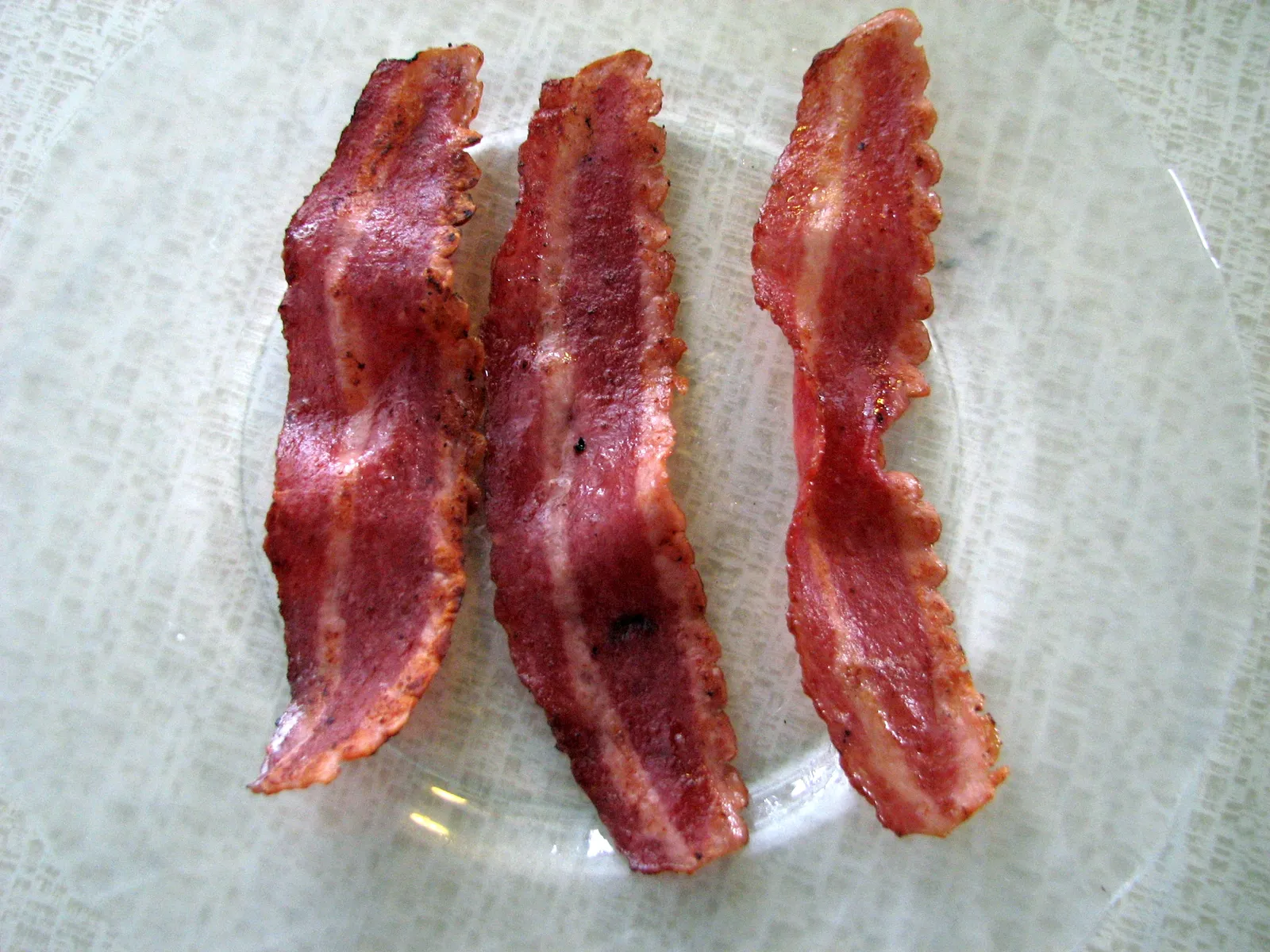
Bacon has been a breakfast staple for generations, but it’s consistently one of the first things cardiologists cross off their personal menus. Dr. Andrew Freeman, director of cardiovascular prevention and wellness at National Jewish Health in Denver, says bacon is loaded with salt and a variety of additives, and beyond being a processed red meat with cancer risk, there is also clear heart disease risk associated with it.
All processed meats, including sausages, ham, and bacon, have been classified as carcinogens by the World Health Organization. That classification alone gives most heart doctors pause. The combination of high sodium driving blood pressure up and saturated fat elevating cholesterol makes bacon particularly problematic first thing in the morning when the stomach is empty.
Research published in The Lancet Regional Health found that processed meats should be particularly discouraged, given their consistent adverse association with cardiovascular disease, coronary heart disease, and stroke. Occasional indulgence may not be catastrophic, but making it a daily ritual is a different matter entirely.
2. Breakfast Sausages: High Sodium Before 9 a.m.

Dr. Elizabeth Klodas, a cardiologist based in Minneapolis, says she avoids breakfast sausages at all costs because they are high in sodium, which promotes higher blood pressure, and are a rich source of saturated fats that raise cholesterol readings.
She also points out that because we only have so much room in our stomachs, foods like breakfast sausages can displace other items that might be more health-promoting. That opportunity cost is easy to overlook. Every bite of processed sausage is a bite of fiber, antioxidants, or healthy fat that didn’t happen.
Dr. Patrick Kee, MD, PhD, a cardiologist at Vital Heart and Vein, advises ditching the bacon, sausage, and ham entirely, noting that these meats are consistently associated with increased heart disease risk due to their high sodium and saturated fat content. The evidence on this one is remarkably consistent across research institutions.
3. Sweetened Granola with Low-Fat Yogurt: The Deceptive Health Food

Dr. Melissa Tracy, MD, FACC, a cardiologist and Medical Director of Cardiac Rehabilitation for Rush University System for Health, says there is one breakfast food in particular she avoids because it isn’t exactly heart-healthy, even though many people think it is: granola with low-fat yogurt.
Granola can be healthy, yet it can also be loaded with excessive fats and sugars, and the same concern applies to low-fat yogurt alternatives, where the low-fat and no-fat options tend to have more carbohydrates that can be converted to fat, as well as unhealthy additives. The “health halo” around these products is real, and it catches a lot of people off guard.
The NIH’s NHLBI has noted that there is a lot of overlap between ultra-processed foods and those that are high in saturated fat, added sugar, and sodium, which are already known contributors to heart disease. Granola marketed as natural or wholesome can fall squarely into that category without anyone noticing. Always read the label before assuming.
4. Sugary Breakfast Cereals: The Box with a Marketing Problem
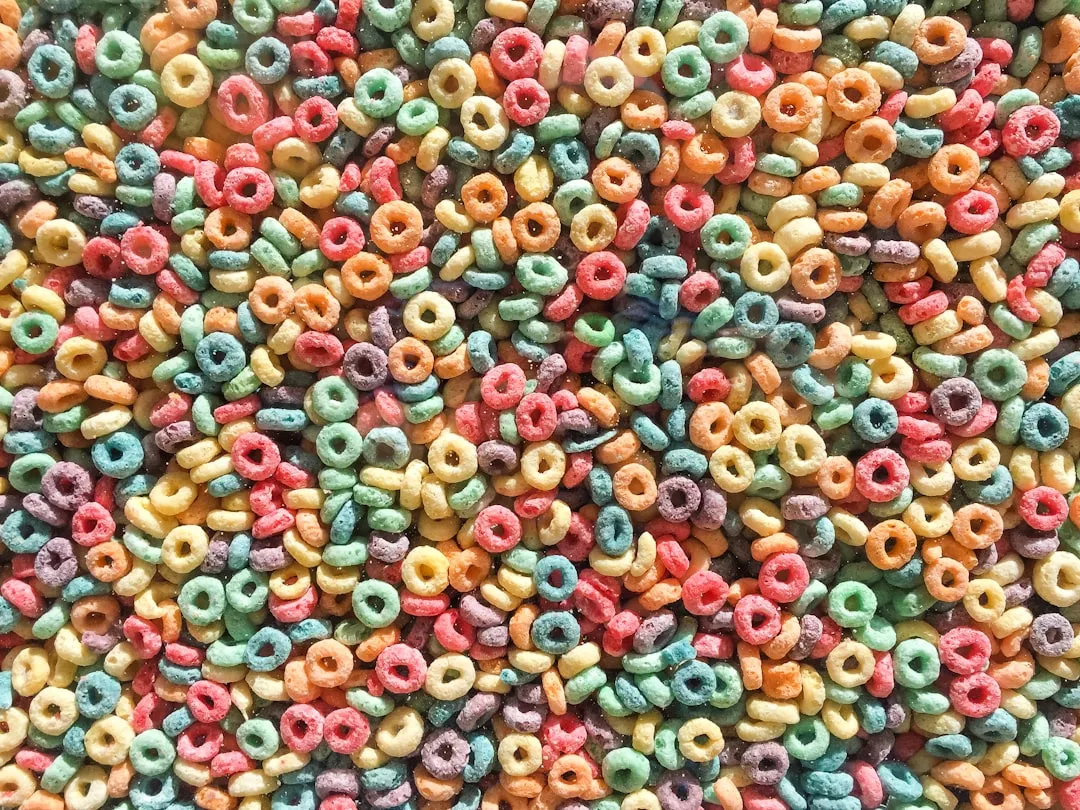
Dr. Andrew Freeman notes that many people in a time crunch in the morning reach for comfort foods like toaster pastries, processed breakfast cereals, and bars that have as much sugar as some candy bars. That sugar hit first thing in the morning can spike blood glucose rapidly, triggering an insulin surge that some researchers link to increased inflammatory markers over time.
The nuance here matters. Research examining wholegrain cereals shows a roughly ten percent reduction in coronary heart disease risk, rising to around twenty-eight percent among those with the highest wholegrain intake. The key word is wholegrain. Heavily sweetened, refined cereals are a different product entirely.
The 2025 Dietary Guidelines Advisory Committee’s systematic review found that lower intakes of refined grains and sugar-sweetened foods and beverages are associated with lower risk of cardiovascular disease, including meaningful improvements in blood lipids and blood pressure. The type of cereal in the bowl matters more than whether cereal is on the menu at all.
5. Margarine on Toast: The Fake Butter That Fooled a Generation

If you’re still eating fake butter, it may be time to reconsider, because margarine is something cardiologists like Dr. Harmony Reynold, a cardiologist at NYU Langone Health, describe as just as bad as butter. For decades, margarine was positioned as the heart-healthy swap, largely because it avoided animal fat. The reality turned out to be more complicated.
Research has tracked how trans fats promote atherosclerotic cardiovascular disease through molecular mechanisms, describing how they drive the process of artery hardening. While many margarine products have been reformulated to reduce trans fat content since regulations tightened, the category still demands caution, particularly with older or budget formulations.
Dietary guidance from the 2025 Dietary Guidelines Advisory Committee emphasizes that unsaturated fats relative to saturated fats, combined with lower sodium and lower intakes of processed meat and refined grains, are associated with lower cardiovascular disease risk. Spreading avocado, a thin layer of nut butter, or a quality olive oil drizzle on whole grain toast is simply a smarter move.
Why Breakfast Timing and Quality Work Together
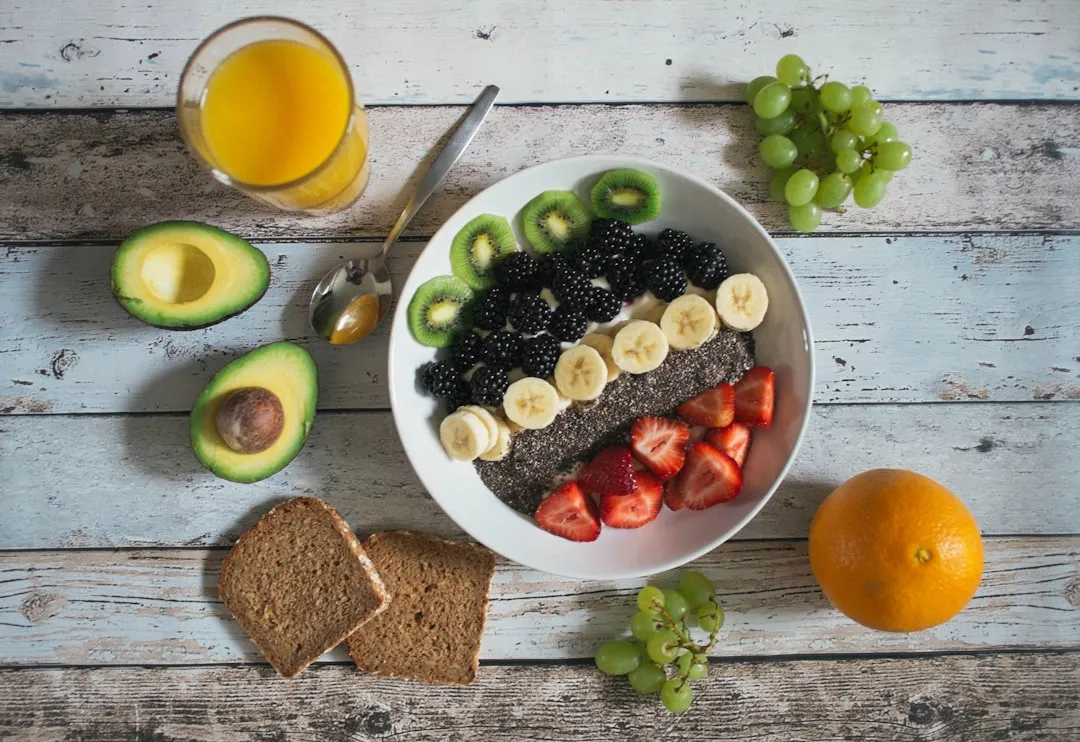
Planning meals in advance and eating breakfast every day may help lower the risk of cardiovascular disease, and eating more calories earlier in the day while consuming less food at night may also reduce the odds of a heart attack or stroke, according to guidelines from the American Heart Association.
Regular breakfast consumption is considered a powerful preventive measure by stabilizing metabolism, improving nutrient intake, and managing key heart disease risk factors, and skipping the first meal of the day is linked to obesity, high blood pressure, type 2 diabetes, and poor cholesterol levels. So it’s not just about what you eat, but whether you eat at all.
What Cardiologists Actually Eat Instead

Both cardiologists interviewed by TODAY cited oats as their regular go-to breakfast, and oatmeal contains substantial fiber, vitamins, and minerals, with studies associating it with lowering cholesterol and helping with weight control, according to the American Heart Association.
The recommendation is a small cup of oatmeal made with water rather than milk or butter, loaded with berries and heart-healthy additions like ground flax seed or a few walnuts, and using rolled oats rather than instant oatmeal, which is the most processed version. Simple, cheap, and genuinely effective.
Other cardiologist-approved alternatives include overnight oats, a veggie omelet, avocado whole grain toast, and chia seed pudding. None of these are complicated or expensive. The barrier is mostly habit, not access.
The Role of Ultra-Processed Foods at Large

A major European cardiology report has warned that people who eat the most ultra-processed foods face significantly higher risks of heart disease, irregular heart rhythms, obesity, diabetes, high blood pressure, and even cardiovascular death. Breakfast, eaten daily for a lifetime, is exactly the kind of repetitive exposure that accumulates into long-term risk.
Research from the NIH showed that the ultra-processed foods most strongly associated with heart disease risk included sugar-sweetened beverages and processed meats, while those associated with the lowest risk included breakfast cereals, yogurt, and some whole grain products. The category of “ultra-processed” is not uniform. What’s inside matters.
Reading Labels Is the Skill Most People Skip
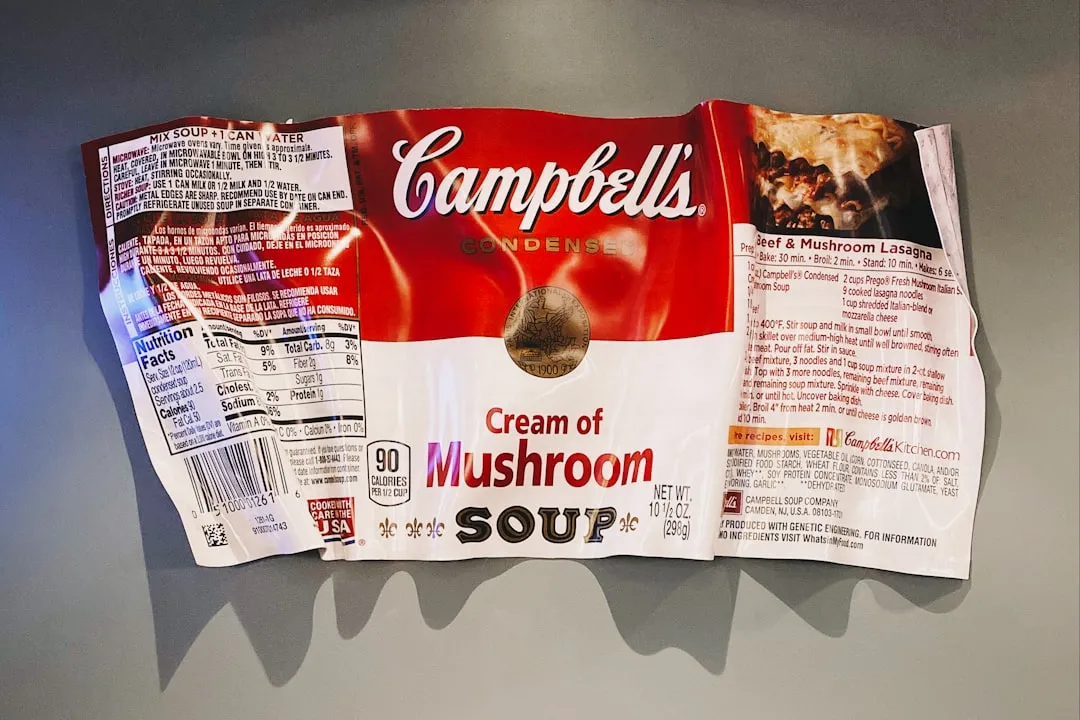
As cardiologist Dr. Tracy notes, ingredients and food labels must be closely scrutinized before picking what appears to be a healthy breakfast option. That advice sounds obvious, yet the majority of people buy familiar packaging without checking the nutrition panel. Habitual purchasing is one of the food industry’s most reliable allies.
Common additives in ultra-processed foods include high-fructose corn syrup, hydrogenated oils, sodium nitrite, and artificial dyes. Any of these appearing in the first few ingredients of a breakfast product is worth taking seriously. The cleaner the ingredient list, the easier the decision.
The One Thing Cardiologists Actually Agree On

Beyond avoiding specific foods high in sugar, cardiologists emphasize that it’s important to avoid overeating, noting that when it comes to food consumption, including breakfast, moderation is key, and that breakfast choices are less about food types and more about moderation versus excess.
Maintaining a healthy diet means maintaining a good balance between carbohydrates, fat, and protein intake, and an excess of any of these can be detrimental to overall health. That balance, repeated morning after morning, shapes cardiovascular outcomes more than any single food or any single meal ever could.
Final Thoughts

None of the five foods on this list are particularly exotic. Bacon, sausage, misleading granola, sugary cereal, and margarine are all breakfast-table regulars for millions of people. The problem isn’t ignorance exactly, it’s that these foods are convenient, familiar, and aggressively marketed.
Cardiologists don’t avoid them out of excessive caution or joyless restriction. They avoid them because, over decades of seeing what heart disease actually looks like, the connection between daily morning choices and long-term cardiovascular outcomes becomes impossible to ignore. Heart disease remains the leading cause of death for both men and women, with roughly one in twenty U.S. adults having coronary heart disease, the most common type of cardiovascular disease.
Breakfast doesn’t have to be complicated to be protective. Swapping even one of these five foods for something less processed is a genuine, measurable step in the right direction. Small, consistent changes at the breakfast table add up over years in ways that matter.
AI Disclaimer: This article was created with the assistance of AI tools and reviewed by a human editor.