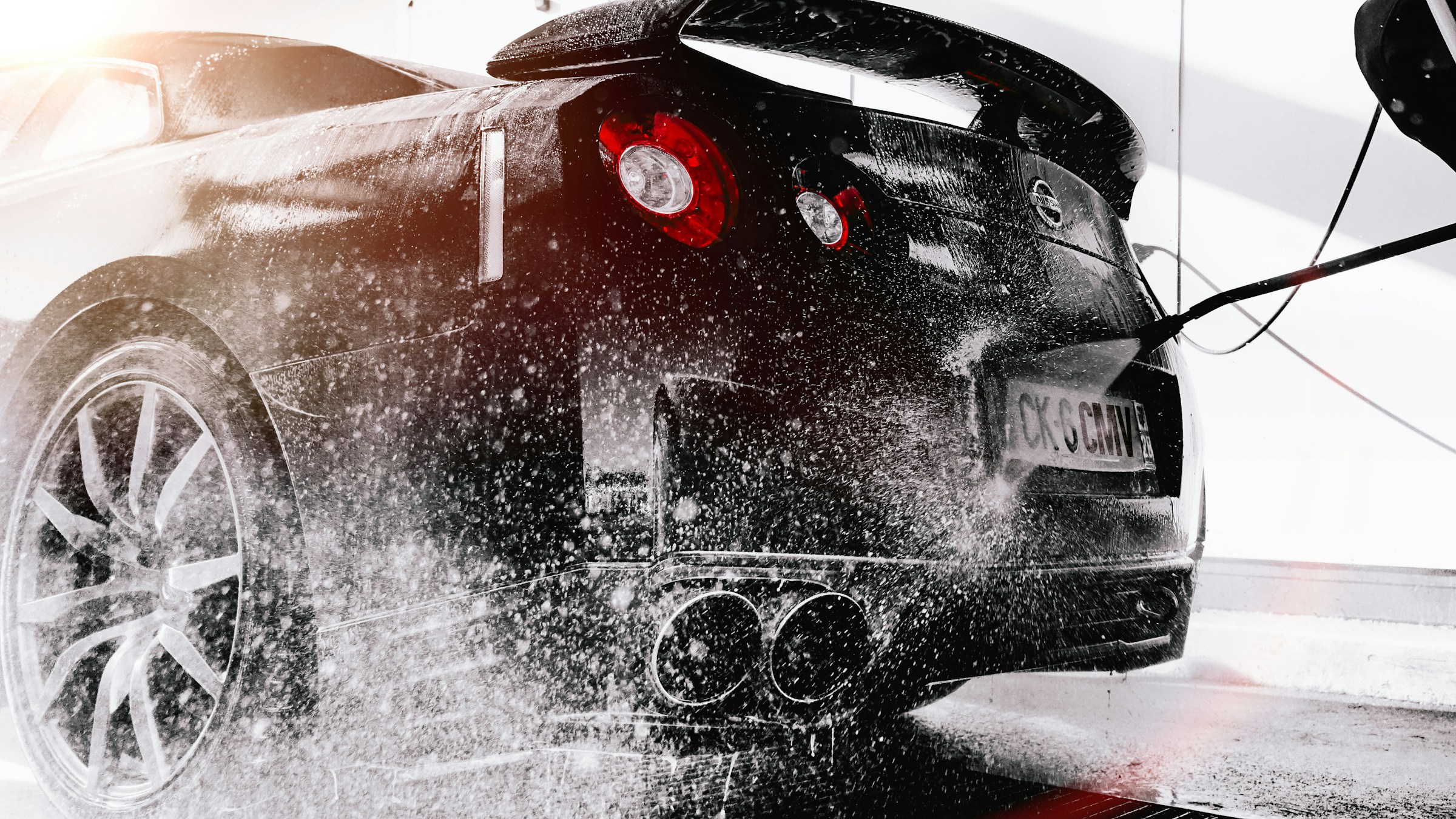

Most people drive out of a car wash feeling like they’ve done something good for their vehicle. The car looks clean, maybe even shiny. What they don’t see is what’s happening to the thin, transparent layer protecting all that paint underneath. Clear coat damage is almost always a slow, invisible process, and the wash setting responsible for it is rarely the one drivers expect.
Clear coat is the unsung hero of a car’s paint job. It’s a transparent layer applied over the base color coat, providing crucial protection against environmental elements like UV rays, acid rain, and scratches, while also contributing significantly to the car’s overall shine and gloss. Lose it prematurely and the consequences move fast. Understanding which car wash settings accelerate that loss is the first step toward protecting your investment.
The Invisible Damage Accumulating with Every Wash
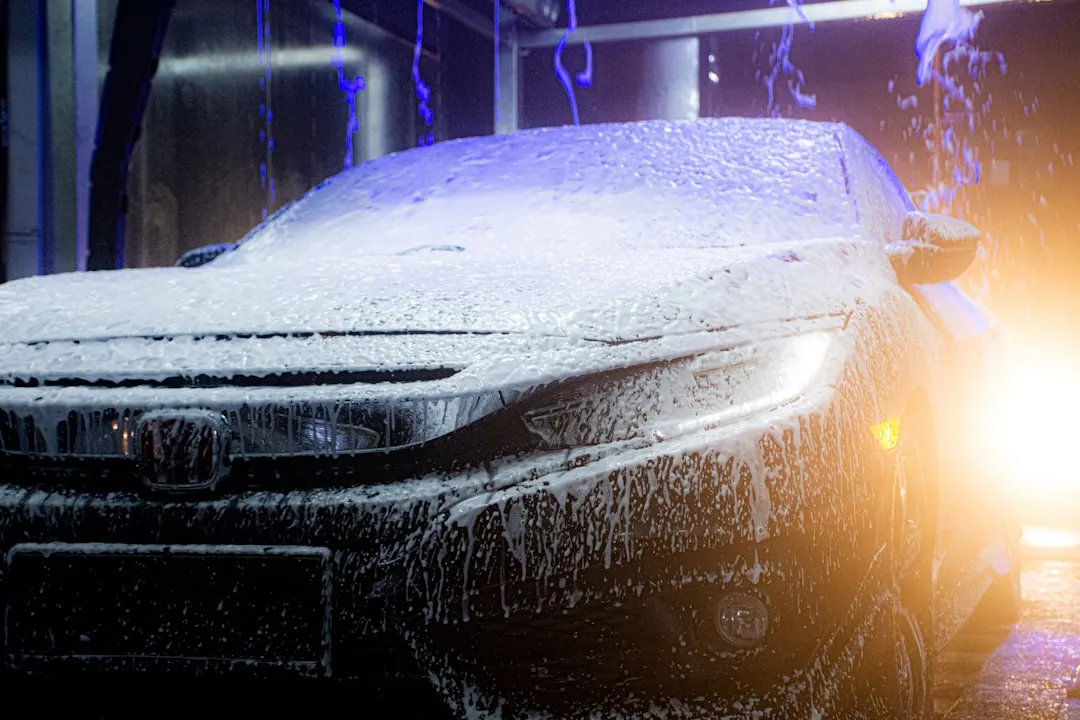
The damage from traditional automatic car washes isn’t immediately visible, but it accumulates steadily over time. The most common form of paint deterioration manifests as swirl marks, those circular scratches that become visible under direct sunlight, caused by the rotary motion of brushes and the dragging of contaminants across the paint surface.
Repeated exposure to these systems can lead to micro-scratches, dullness, and reduced gloss. While a single wash may not cause noticeable damage, cumulative effects over months or years can significantly shorten the lifespan of your car’s clear coat.
Why High-Pressure Settings Are the Real Culprit
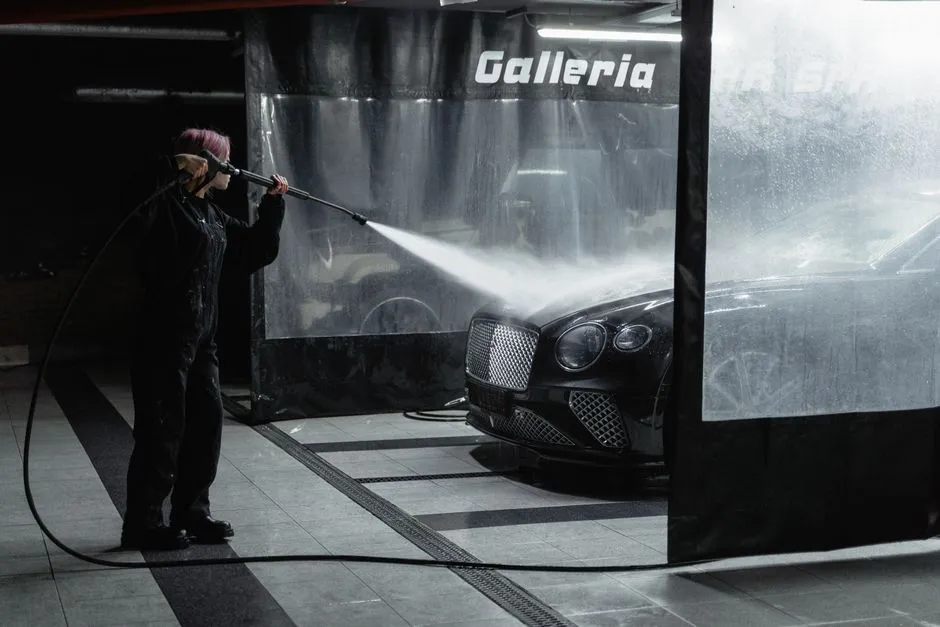
High-pressure water becomes a weapon when weekend drivers focus on maximum force instead of maximum water volume. If you’re using the standard long wand and nozzles that came in the box from the hardware store, you’re already one trigger pull away from peeling your clear coat.
When you pressure wash a car, the PSI determines the stripping force while the GPM determines the rinsing capability. A gas-powered machine blasting 3,000 PSI at 2.5 GPM will easily cut through automotive clear coat if mishandled. The same logic applies in automatic tunnel washes where high-pressure jets are dialed up to cut through heavy soiling.
The Touchless Wash Isn’t as Safe as It Sounds
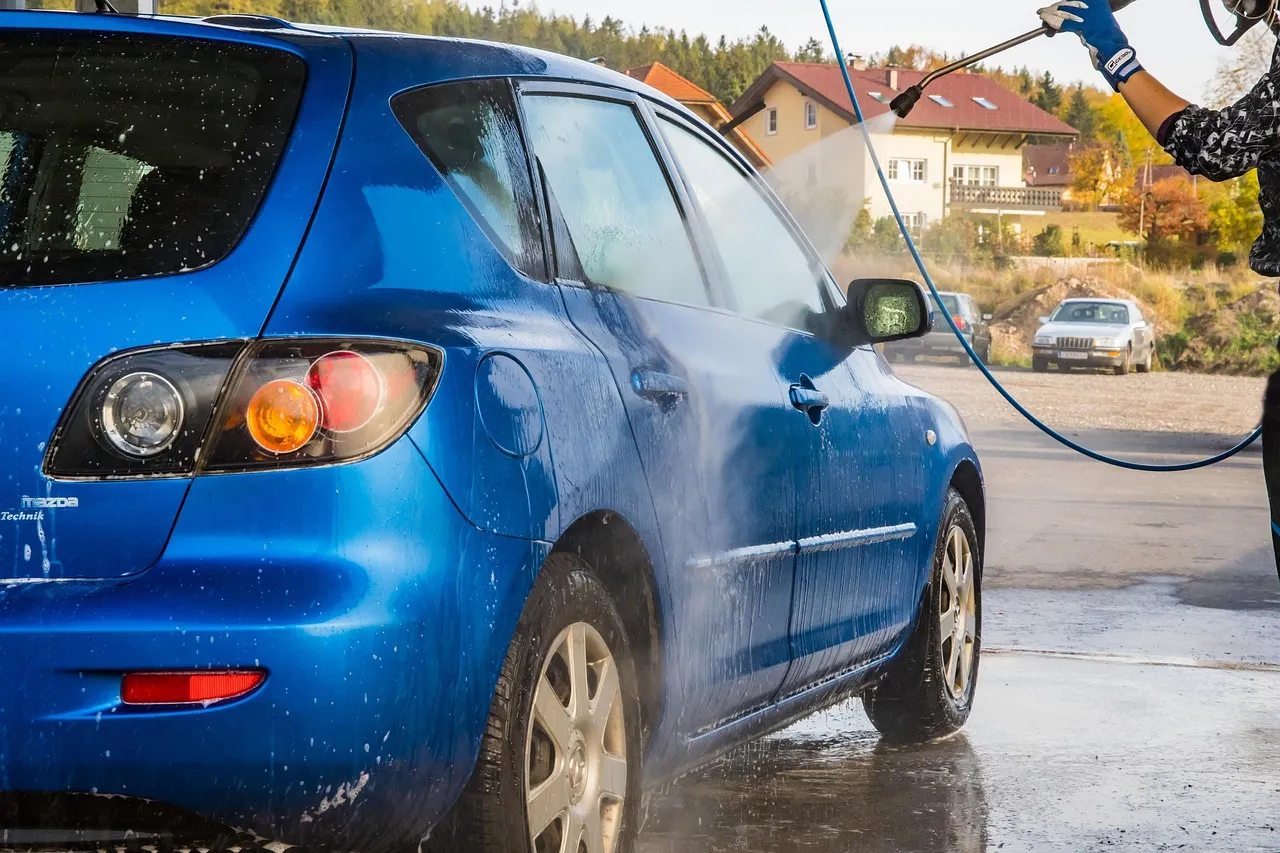
Many drivers are drawn to the convenience of touchless car washes, assuming they provide a safe and effective cleaning method. However, what most people don’t realize is that touchless car washes rely on acidic chemicals to break down dirt and grime, which can have long-term negative effects on a vehicle’s surfaces, especially the clear coat.
The inclusion of high and low pH chemicals can be a little harsh on your clear coat. Without brushes or cloths to scrub the dirt away, touchless washes use strong acidic or alkaline detergents that break down grime chemically. While these solutions do remove dirt, they also strip away protective layers of wax and slowly degrade the car’s clear coat over time, making it more vulnerable to oxidation, fading, and etching.
Brush-Based Machines and Trapped Grit
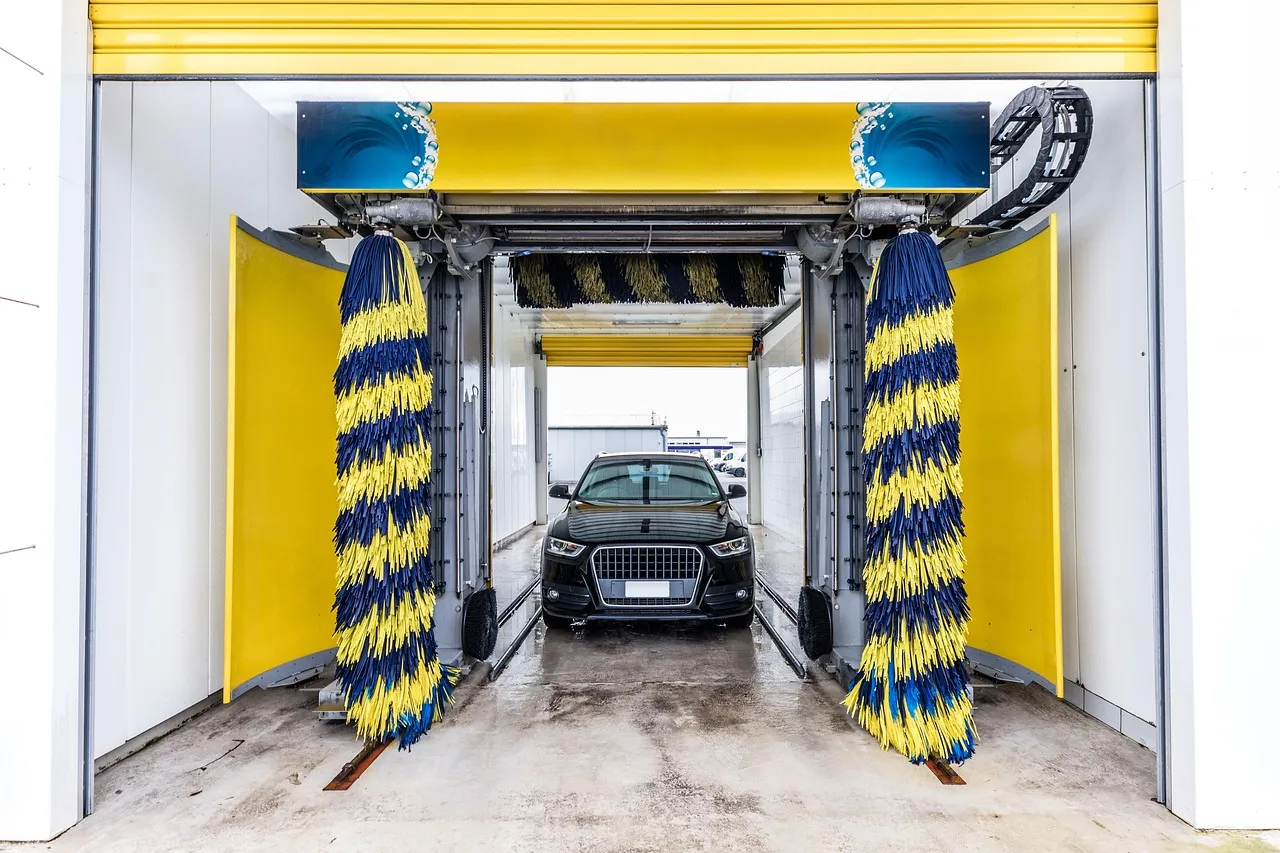
Even when used with filtered water and cleaned frequently, the bristles in automatic car washes can trap dirt and debris from countless vehicles. What looks like cleaning to the uninitiated can actually translate to these brushes rubbing contaminants across the surface of your ride, which can create small scratches that sometimes look like swirls on the paint.
Operators who have run soft cloth car washes know the importance of using the correct soaps in the correct quantities. If the cloth media gets gunked up with dirt and grit, it will scratch the paintwork. There’s also a tendency for some operators to use cheap detergents to save money or decrease the amount used. That shortcut ends up costing drivers far more in paint correction later.
The PSI Number Nobody Checks Before Pulling In
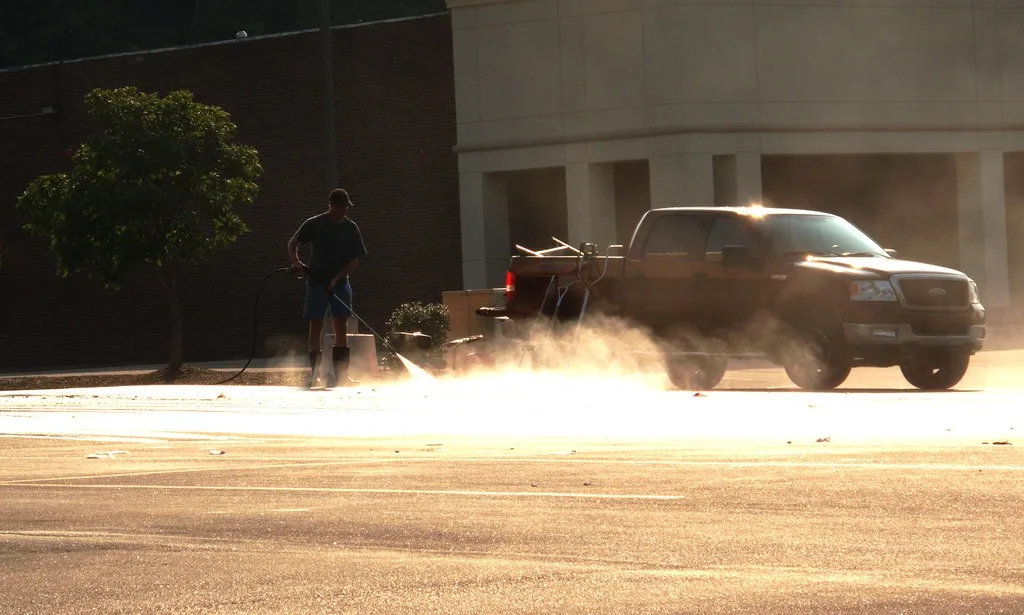
If you’re washing your own car, you should set your pressure washer to a low setting, between 1,200 and 1,900 PSI, to prevent damage to the paint and clear coat. Many automatic car washes, particularly touchless tunnel systems, operate well above this threshold during their primary wash cycle.
The intensity of the water stream, if improperly used, can be abrasive enough to strip away the clear coat, especially if it’s already weakened or damaged. Using the wrong nozzle or holding the pressure washer too close to the car can cause significant damage. It’s crucial to understand the settings and how to use them properly.
Chemical Choices That Quietly Eat Through Protection
Some car washes use products that can harm your car, health, and the environment, including hydrofluoric acid. This chemical, used in the auto industry for its powerful cleaning capabilities, is highly toxic, and there’s even a CDC report created to prevent its use.
Touchless car wash systems may use harsh chemicals that are abrasive, toxic, contain VOCs (volatile organic compounds), cause skin irritation, or have solvents that could eventually wear certain surfaces of your vehicle over time. Most drivers have no idea what’s actually in the soap being blasted onto their finish.
Recycled Water and Hard Water Spots
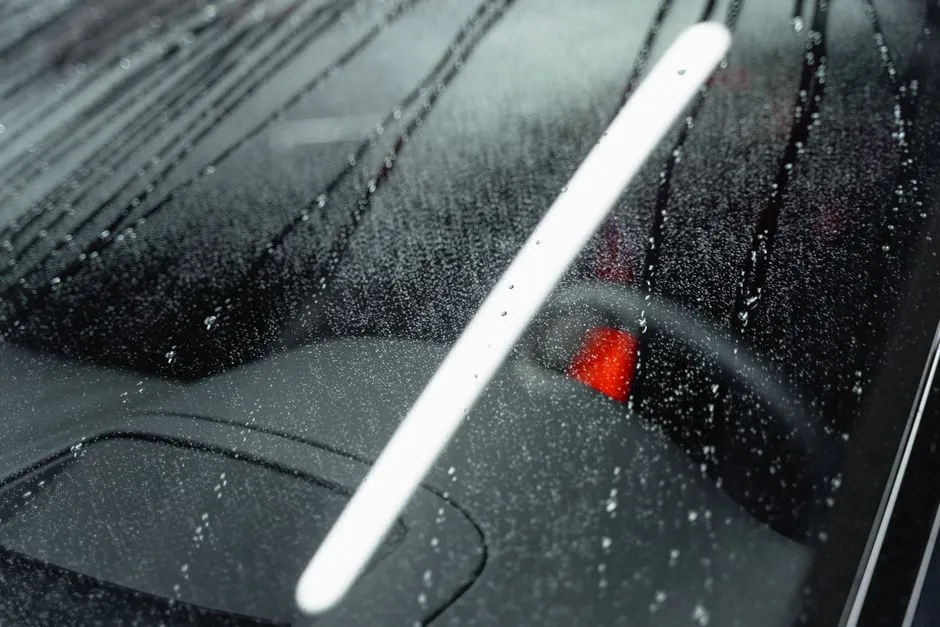
Touchless car washes may use recycled water that’s hard and contains many minerals that, if left on your paint, could cause hard water spots and eventually etch your clear coat and cause micro-scratches. This is a detail that almost never shows up on the menu board next to “Basic Wash” or “Premium Package.”
Hard water deposits are particularly stubborn because they bond chemically to the clear coat surface. Over repeated washes, they create a textured layer of mineral residue that diffuses light and dulls the finish, a process that accelerates dramatically in hot, dry climates.
How Nozzle Angle and Distance Multiply the Risk
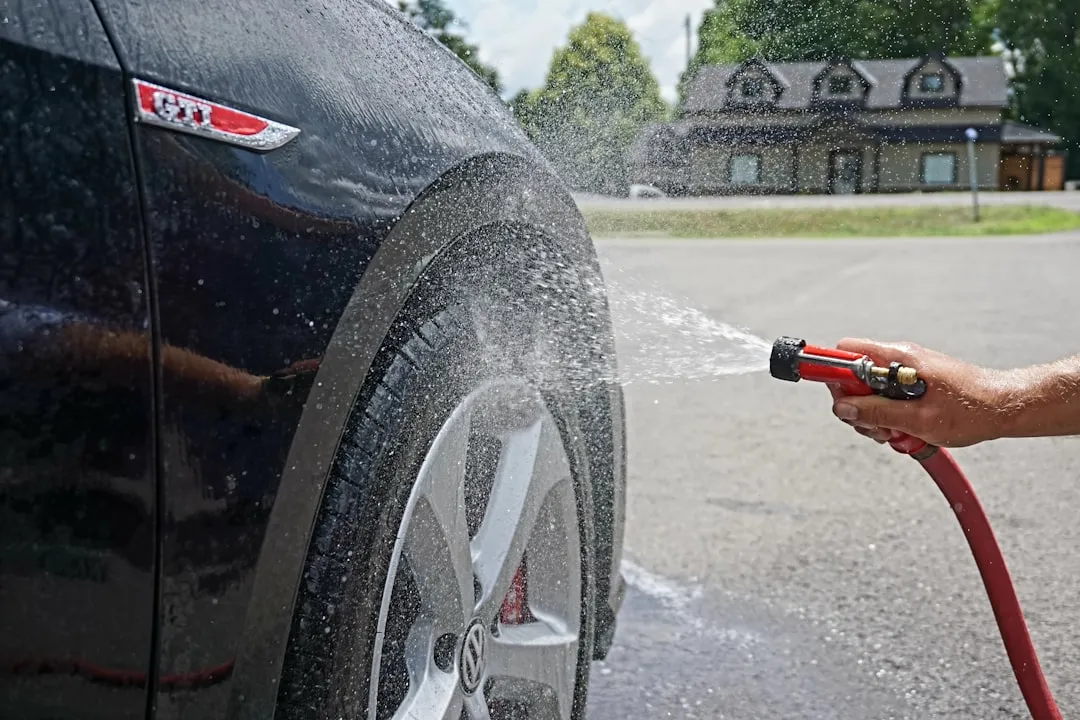
If you’re pressure washing at home, set the machine to a low setting between 1,200 and 1,900 PSI and choose a nozzle with a wide spray pattern, 25 or 40 degrees, to disperse the water pressure evenly. In automatic car washes, these variables are fixed by the operator, and many facilities haven’t recalibrated their equipment in years.
High pressure doesn’t clean cars better; high water volume does. Dirt and road grime require lubrication and flow to slide off the paint safely without leaving micro-scratches. When pressure is prioritized over volume, the physics work against your paint every single time.
The Compounding Effect on Resale Value
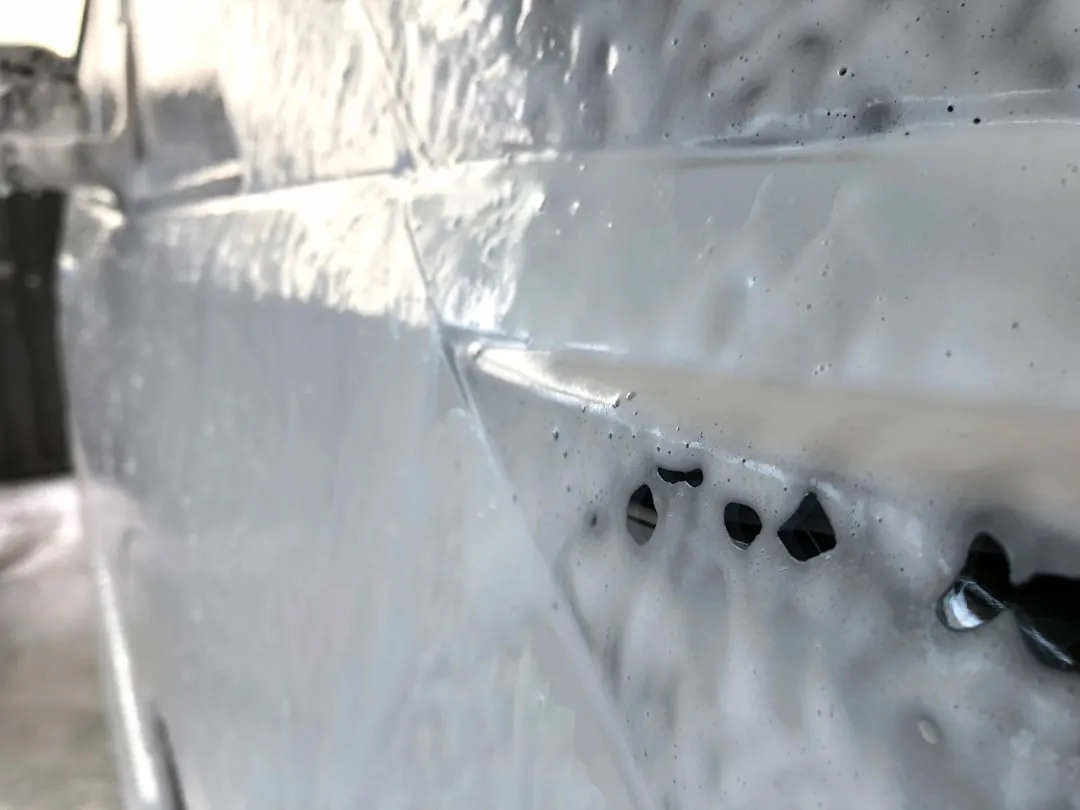
Damage to the clear coat not only diminishes a vehicle’s appearance but also leaves the underlying paint vulnerable to further deterioration. Once the clear coat is compromised, the color coat can fade, oxidize, and even peel.
According to automotive industry experts, paint condition is one of the top factors affecting vehicle resale value. In an age where the average price of a new vehicle is reaching record highs of more than $50,000 according to Kelley Blue Book, the cost of ignoring clear coat wear adds up fast when it comes time to sell or trade in.
What the Safest Wash Options Actually Look Like
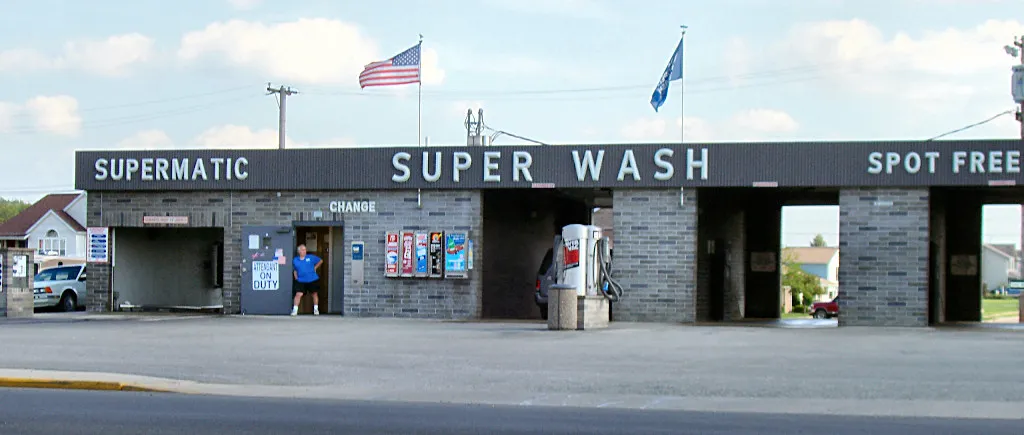
Any time you wash your car, even if you’re carefully hand washing it, you’re essentially applying an abrasive or harsh chemicals to the paint finish, and the risk of swirls and scratches is always present. That’s the bad news. The good news is that careful choices can minimize the degradation of your paint’s appearance.
If the alternative is a tunnel wash with worn-out brushes harboring grit from thousands of previous vehicles, a touchless bay is absolutely the better choice. For a quick rinse after a heavy pollen day or a rainstorm that left water spots, a single touchless wash will not meaningfully degrade a quality ceramic coating or well-maintained PPF. The key word there is “single.” Frequency is where the real damage lives.
The Takeaway
The setting doing the most damage to your clear coat isn’t always labeled. It might be the high-pressure pre-soak in a touchless tunnel. It might be a set of cloth brushes that haven’t been cleaned since the previous month. It might be the 40-degree nozzle you grabbed because it looked powerful enough to do the job faster.
Repeated exposure to harsh chemicals and aggressive cleaning processes accelerates paint oxidation, and that process rarely announces itself until the damage is already done. The cars that hold their finish for a decade tend to belong to drivers who paid attention to the small decisions, including which car wash lane they chose to pull into.
AI Disclaimer: This article was created with the assistance of AI tools and reviewed by a human editor.