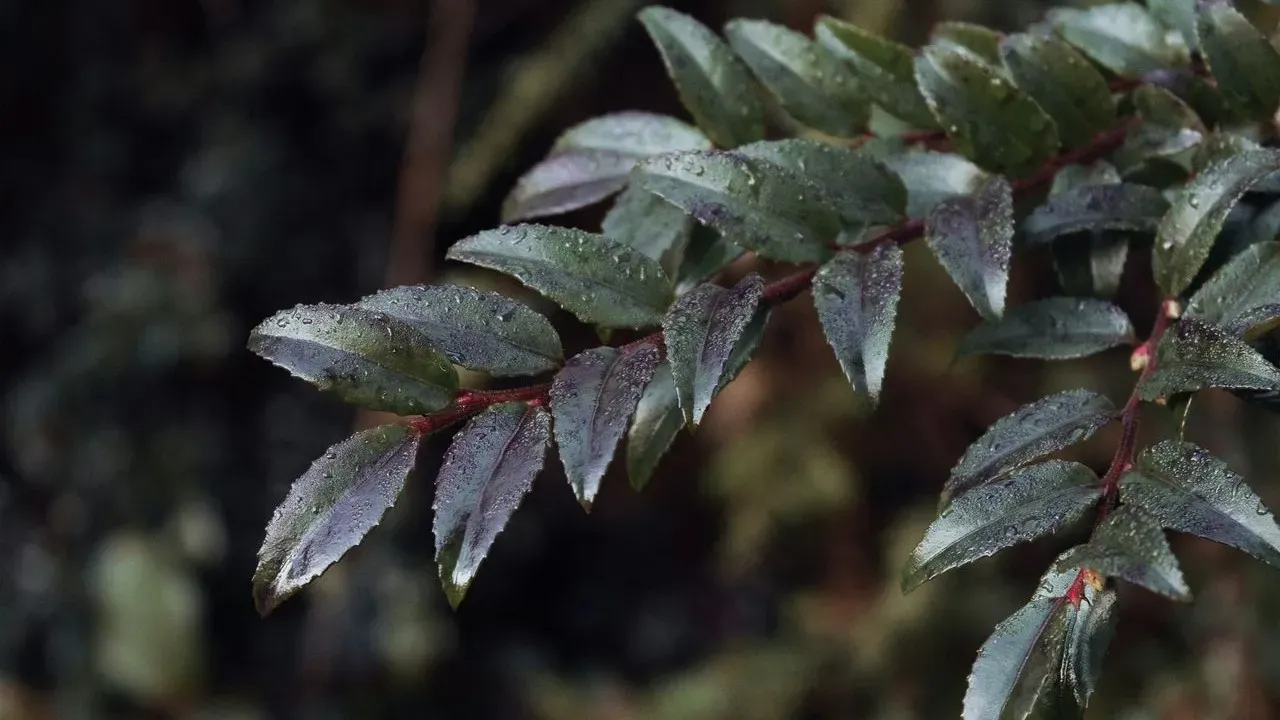

Gardeners seeking something beyond standard blueberries often overlook huckleberries, a close relative that delivers noticeably stronger flavor in its berries. The plants themselves add ornamental value with attractive foliage and form, making them suitable for mixed borders or dedicated fruit areas. Yet these shrubs remain uncommon in home gardens because they demand specific conditions and extra attention from the start. ([1])
Distinct Advantages Over Common Blueberries
Huckleberries stand apart from blueberries in taste intensity, with many who have tried both describing the former as more complex and satisfying. The berries tend to be smaller but pack a deeper, sometimes tart-sweet profile that holds up well in fresh eating, baking, and preserves. At the same time, the shrubs offer year-round visual interest through their evergreen or semi-evergreen habits in many varieties, turning them into dual-purpose landscape plants rather than purely productive ones.
This combination of superior eating quality and decorative appeal explains why dedicated growers persist despite the challenges. Blueberries have become widely available in nurseries and supermarkets, while huckleberries require sourcing from specialists or propagation efforts. The payoff comes in both the kitchen and the garden design, where the plants contribute structure without demanding constant maintenance once established.
Key Requirements for Successful Growth
Huckleberries thrive in acidic, well-drained soils similar to those favored by blueberries, yet they often need even more precise moisture management and protection from certain environmental stresses. Full sun to partial shade works best, with consistent watering during dry spells proving essential for fruit set and plant health. Gardeners must also account for the plants’ preference for cooler climates in many regions, as excessive heat can reduce berry production.
Soil preparation stands out as a critical early step, typically involving amendments to achieve the right pH and organic content. Fertilization follows a restrained approach, avoiding excess nitrogen that can promote leafy growth at the expense of flowers and fruit. These needs set huckleberries apart from more forgiving berry crops and explain their limited presence in average home landscapes.
Practical Steps for Planting and Ongoing Care
Site selection begins with testing soil conditions and ensuring adequate drainage to prevent root issues common in wetter settings. Young plants or cuttings should be placed at the proper depth, with spacing that allows for mature size while encouraging air circulation. Mulching helps retain moisture and suppress weeds, while regular monitoring for pests or diseases keeps problems from escalating.
Pruning maintains shape and encourages productive wood, usually performed during dormancy. Harvest timing depends on local climate, with berries ripening over several weeks and requiring gentle handling to avoid damage. Success hinges on patience during the first few seasons, as plants may take time to reach full productivity.
Key considerations include acidic soil, steady moisture, and protection from extreme conditions to match the plants’ natural preferences.
Realistic Expectations for Gardeners
Those who invest the initial effort often find huckleberries rewarding both for their berries and their contribution to garden aesthetics. Yields may start modest but increase as the shrubs mature, provided the core requirements remain met. The plants integrate well into edible landscapes or native plantings where conditions align.
Ultimately, huckleberries suit gardeners prepared for targeted care rather than low-maintenance options. The stronger flavor and ornamental qualities justify the added steps for those willing to meet the plants on their own terms.
AI Disclaimer: This article was created with the assistance of AI tools and reviewed by a human editor.