
Every winter, millions of drivers climb into their cars, notice the low-tire-pressure warning light glowing on the dashboard, and do one of two things: ignore it entirely, or grab an air pump and fill their tires to whatever number is stamped on the sidewall. Both responses are wrong. The real problem runs deeper than a simple oversight, and it starts with a number that most people misread.
Tire pressure is one of those maintenance details that feels minor right up until it isn’t. Understanding what actually happens to air in a cold tire, and where the correct target pressure really comes from, can make a genuine difference to your safety, your fuel costs, and how long your tires last.
The 1 PSI Rule Nobody Memorizes
The general rule is that for every 10°F decrease in temperature, tire pressure drops by approximately 1 PSI (pound per square inch). That sounds manageable in theory, but the numbers add up fast when winter arrives properly.
A tire inflated to 35 PSI at a 70°F autumn afternoon ambient temperature drops to approximately 30 PSI when the temperature falls to 20°F overnight in winter. That is a five-PSI loss without a single nail in the tread, without a slow leak, and without any physical damage whatsoever.
That 5 PSI drop represents 14% below recommended pressure, well within the range where measurable handling degradation, accelerated tire wear, and fuel economy losses begin. Most drivers never notice because the car still drives and the tires still look full.
The Sidewall Number Is Not Your Target
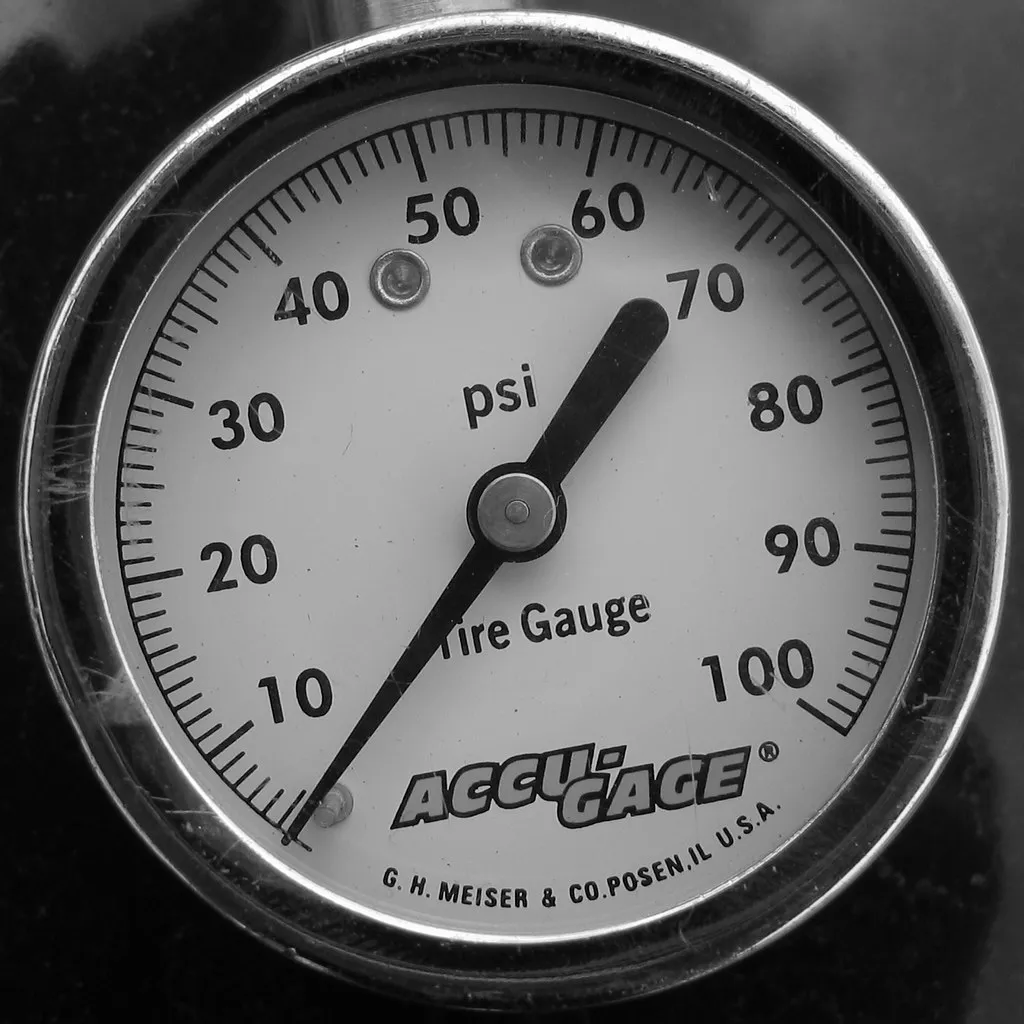
A common mistake is to fill tires to the max pressure listed on the sidewall, instead of what’s recommended by the auto manufacturer. This is one of the most persistent errors in routine car maintenance, and it happens to a surprising number of people.
Correct tire inflation pressure comes from your vehicle’s door-jamb sticker, not the sidewall. The sidewall’s “MAX PRESS” number is a structural limit, not your target. Filling to that maximum can actually reduce safety, especially on snow and ice.
Twenty-seven percent of surveyed drivers incorrectly believed the sidewall of the tire carries the correct information and did not know that the sidewall only indicates the maximum pressure for the tire, not the optimum pressure for the vehicle. That is roughly one in four drivers, and it is a meaningful share of everyone on winter roads.
Where Cold Air Goes: The Science Behind the Drop
It’s a scientific fact: when the temperature drops, air molecules slow down and compress, which reduces the pressure inside your tires. This is the physical mechanism behind the winter pressure problem, and it operates whether your car is moving or sitting in the driveway all night.
The engineering principle is straightforward: air molecules in tires move slower at lower temperatures, exert less force against the tire walls, and produce reduced pressure readings on the gauge. No leak is required. Cold air simply takes up less space.
Even brand-new winter tires can lose air pressure overnight in colder conditions. Knowing this prevents unnecessary panic and, more importantly, keeps you checking regularly rather than assuming everything is fine after a fresh installation.
What the TPMS Light Is Actually Telling You
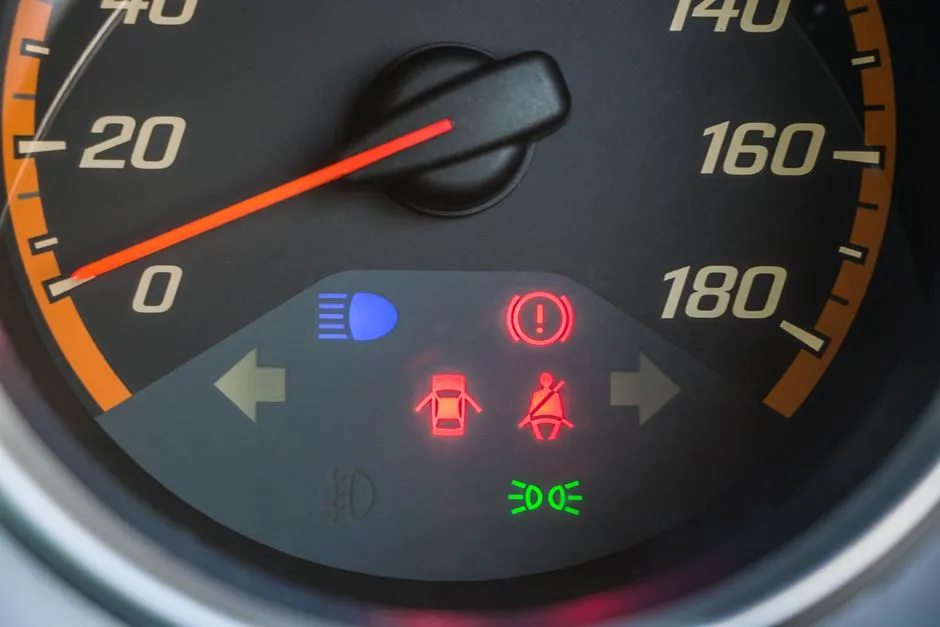
If your car has a Tire Pressure Monitoring System, the warning light will be triggered by at least a 25 percent drop in tire pressure. That threshold matters because it means the light only comes on when things have already gone noticeably wrong.
Your Tire Pressure Monitoring System often activates only when pressure is dangerously low. By the time the dashboard lights up, your tires may have been underinflated for days, or even weeks, through multiple temperature cycles.
As the temperature drops in cold weather, you might notice your TPMS symbol illuminating more often than usual, particularly in the morning when the air is cold. This is most likely due to the temperature dropping overnight, along with the PSI level. The light is not malfunctioning. It is just doing its job later than you’d want it to.
The Overinflation Trap in Winter
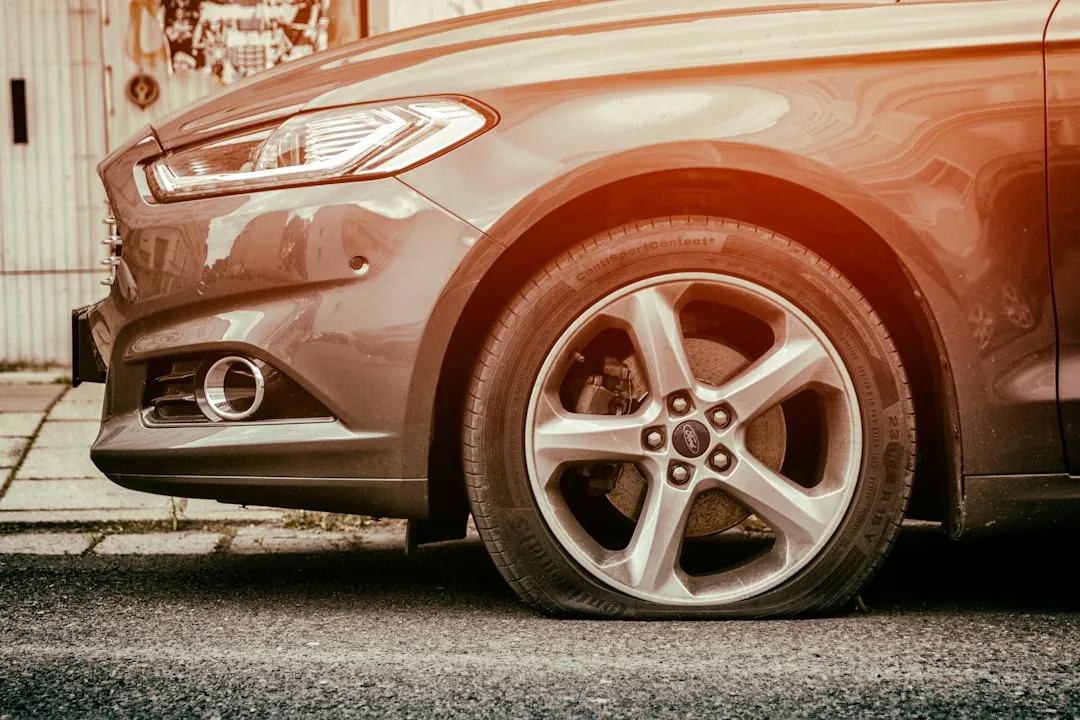
Overinflating tires generally causes them to wear out prematurely and can lead to unexpected blowouts. In winter, driving on over-inflated tires is particularly dangerous because it reduces traction. This catches many drivers off guard, since pumping air into flat-feeling tires feels like the responsible thing to do.
Too much air reduces the tire’s contact area, decreasing grip on icy roads. On a dry summer road, slightly over-inflated tires are mostly just uncomfortable. On a snowy or icy surface, that reduced contact patch becomes a real hazard.
Overinflation reduces traction, accelerates center tread wear, and risks catastrophic blowout; underinflation causes sidewall flex fatigue and overheating. Both extremes carry consequences, which is exactly why using the manufacturer’s specific recommended number matters so much.
The Correct PSI Range for Most Passenger Cars
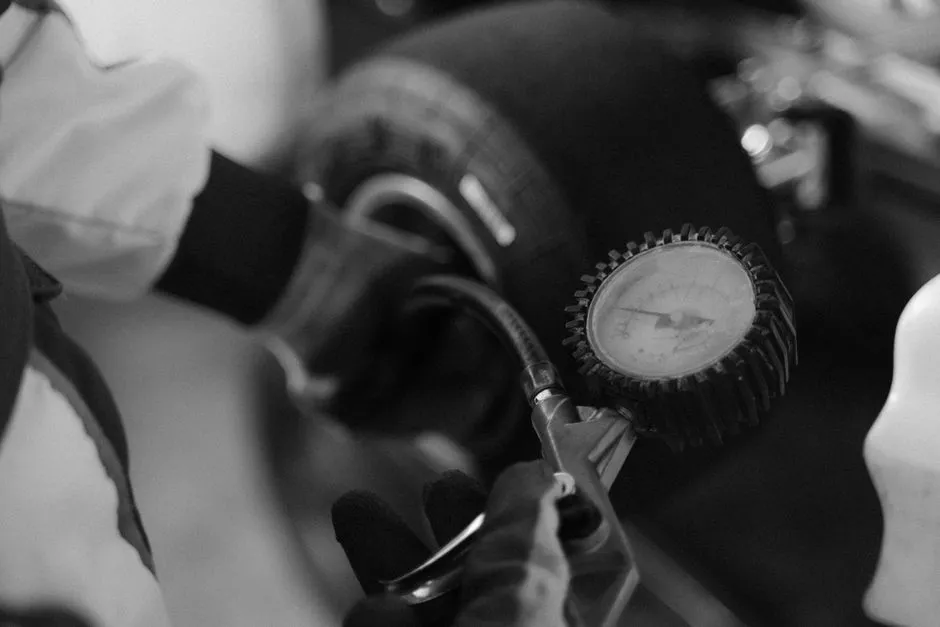
Cars typically require a tire pressure of 30 to 35 PSI. That range covers the vast majority of standard passenger vehicles, though the precise number varies by make, model, and even trim level.
The recommended PSI for your car is the ideal tire pressure year-round; there aren’t different numbers for summer or winter. What changes is how often you need to check and top up, not the target itself.
Several vehicle manufacturers’ owner’s manuals recommend operating winter tires several PSI, typically 3 to 5, higher than their recommended pressures for summer and all-season tires. This is a specific exception worth noting if you run a dedicated set of winter tires rather than all-seasons.
The Safety Consequences Are Real and Documented
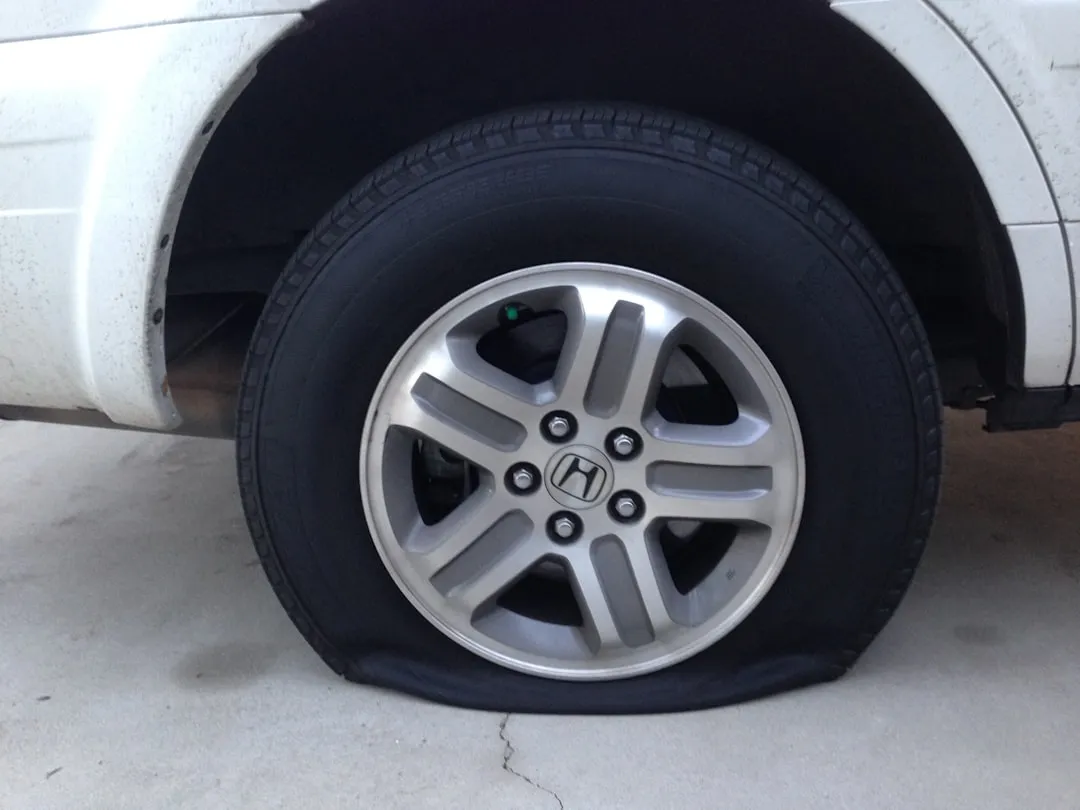
Driving with too low of tire pressure makes you three times more likely to be in a collision related to tire issues, according to a 2012 study by the National Highway Traffic Safety Administration. That risk multiplier is worth taking seriously.
Underinflated tires can directly lead to tire blowout incidents, and they can increase the severity of other crashes. NHTSA estimates that 78,000 collisions occur every year due to unsafe tires. The number of lives affected by something as simple as air pressure is genuinely sobering.
When you drive with underinflated tires, they may not grip the road as well. You may have less traction, which makes it easier to slip and slide on icy or wet roads. Stopping distances may also lengthen, making sudden stops a lot riskier. On a winter road, longer stopping distance is not an abstract concern.
The Fuel Economy Hit You’re Probably Not Noticing
According to the U.S. Department of Energy, every 1 PSI drop can lower your gas mileage by 0.2%. A five-PSI drop from an overnight temperature plunge, which is entirely possible in a harsh winter, adds up to a measurable efficiency loss across the full tank.
Under-inflated tires start to wear unevenly, which shortens their lifespan. Driving with under-inflated tires also increases fuel consumption. You are effectively paying more at the pump while also accelerating the wear on a set of tires you likely paid quite a bit for.
Underinflation causes tires to age on average 32% faster than those that are properly inflated. Over the life of a set of tires, that difference in lifespan costs real money.
When and How to Check Properly
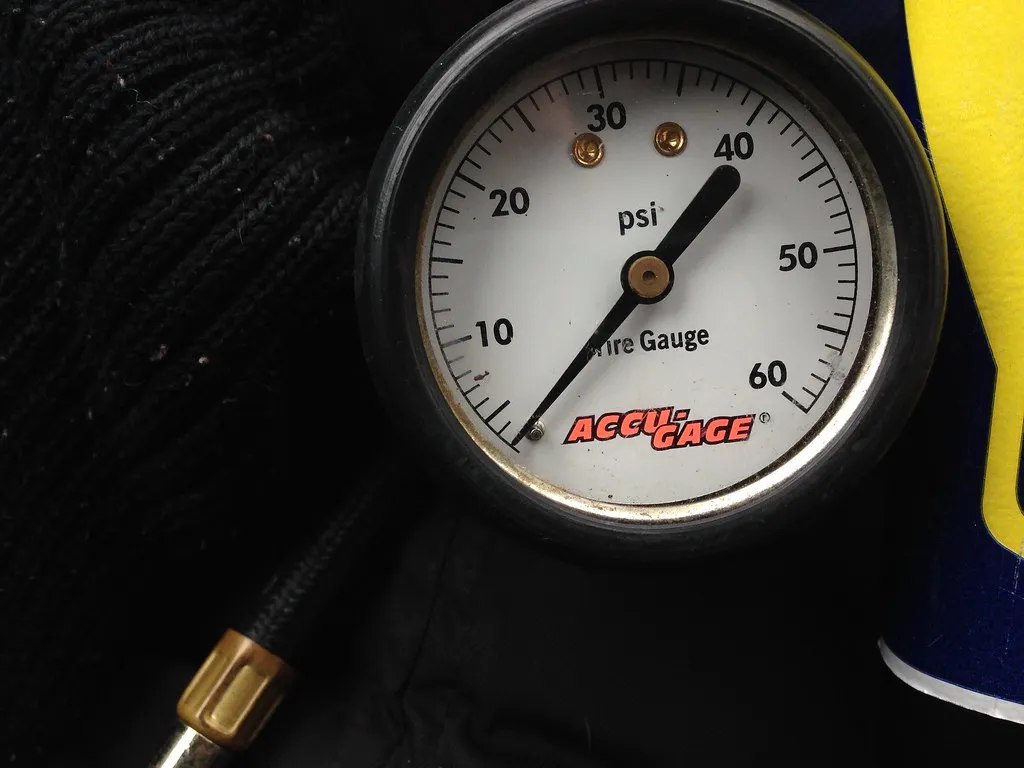
Check your tires after your car has been parked for at least three hours. Driving raises the air temperature and therefore the air pressure in the tires. Checking a warm tire will give you a falsely reassuring reading, which defeats the entire purpose.
Measure your tire pressure before driving, not after, for the most accurate reading. This practice is referred to as setting the cold tire pressure. It is an easy habit to build into a cold-morning routine, taking less than two minutes for all four tires.
You should check the air pressure at least every two weeks. During periods of sharp temperature swings, more frequent checks simply make sense. While your tires might look fine, a tire can be under-inflated before it’s visibly noticeable.
Why So Many Drivers Still Get It Wrong
About 60% of surveyed drivers reported that they check tire pressure but only before going on a long trip. That pattern means most vehicles are spending the majority of winter miles on pressure levels that nobody has verified in weeks.
An estimated 40 to 80 percent of all vehicles on the road are operating with under-inflated tires. The range is wide, but even the lower end of that estimate represents an enormous share of everyday traffic.
Winter weather can cause concerns regarding tire pressure, which is often an overlooked but important issue for tires. Cold weather significantly impacts tire pressure, directly influencing a car’s performance, safety, and fuel efficiency. The knowledge gap is not really about complexity. The physics are simple. It is more about awareness and the gap between knowing something in theory and actually acting on it every month.
The Takeaway
The number most drivers get wrong is not actually a difficult one. Find your correct PSI by following your vehicle manufacturer’s recommended pressure, listed on the driver’s door jamb or in the owner’s manual, not the number printed on the tire sidewall. That one distinction, door jamb versus sidewall, is the heart of the whole confusion.
Check cold, check regularly, and adjust for temperature swings rather than waiting for the dashboard to make the decision for you. Checking tire pressure should be part of your regular routine, not just a seasonal task.
Winter roads are demanding enough on their own. There is no reason to make them more dangerous by rolling on tires that are quietly operating below the pressure your car was engineered to need.
AI Disclaimer: This article was created with the assistance of AI tools and reviewed by a human editor.