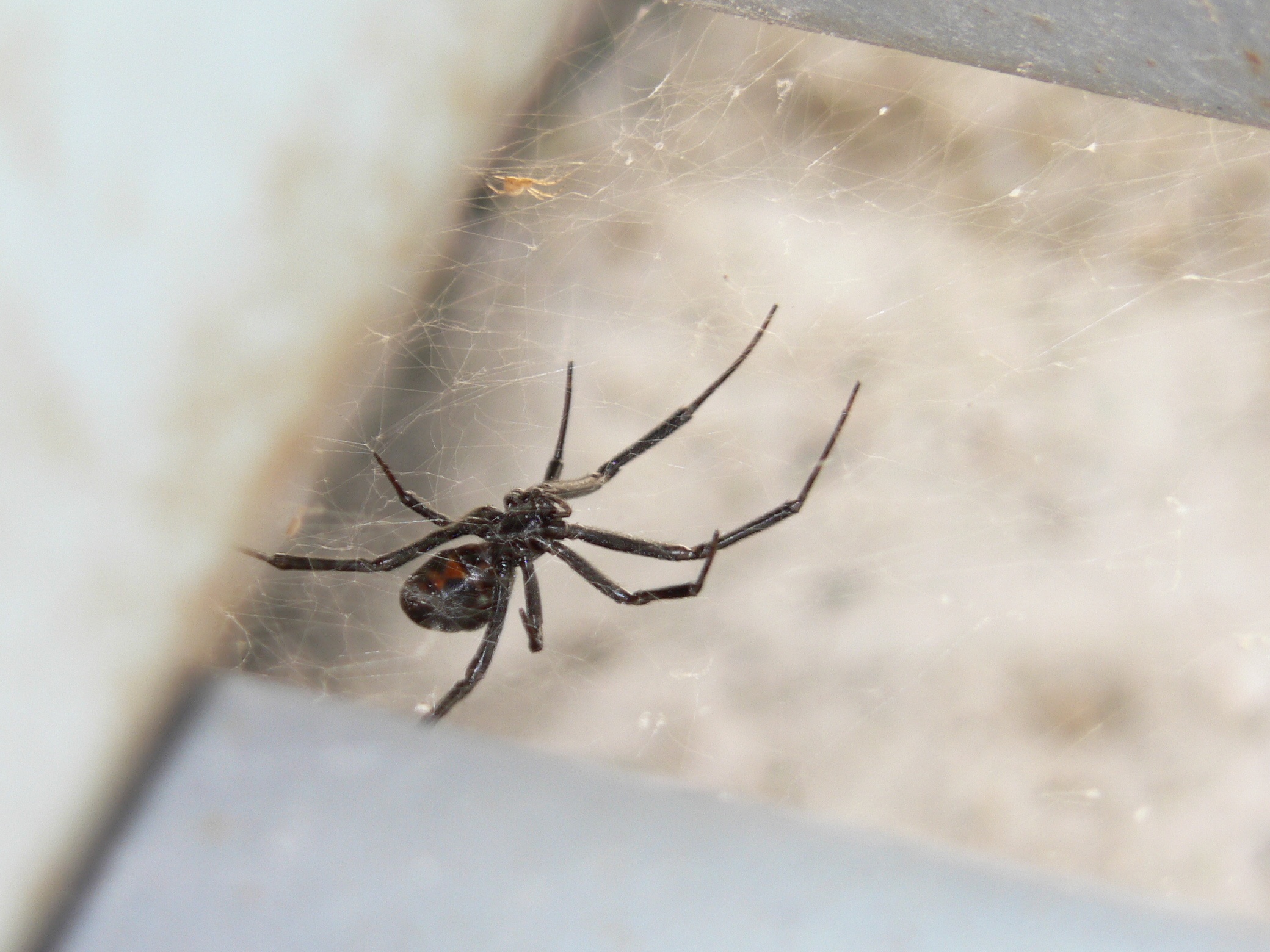

One day you spot a spider in the corner of the living room, and a few weeks later it’s simply gone. No dramatic exit, no web left behind. Most people assume the cold killed it, or that it wandered back outside. Neither explanation is usually correct.
What actually happens to spiders as winter approaches is far more layered than a simple disappearance. Their behavior shifts, their biology changes, and in many cases they’re still very much in your home. They’re just not where you’d think to look.
They Don’t Hibernate, They Enter Diapause
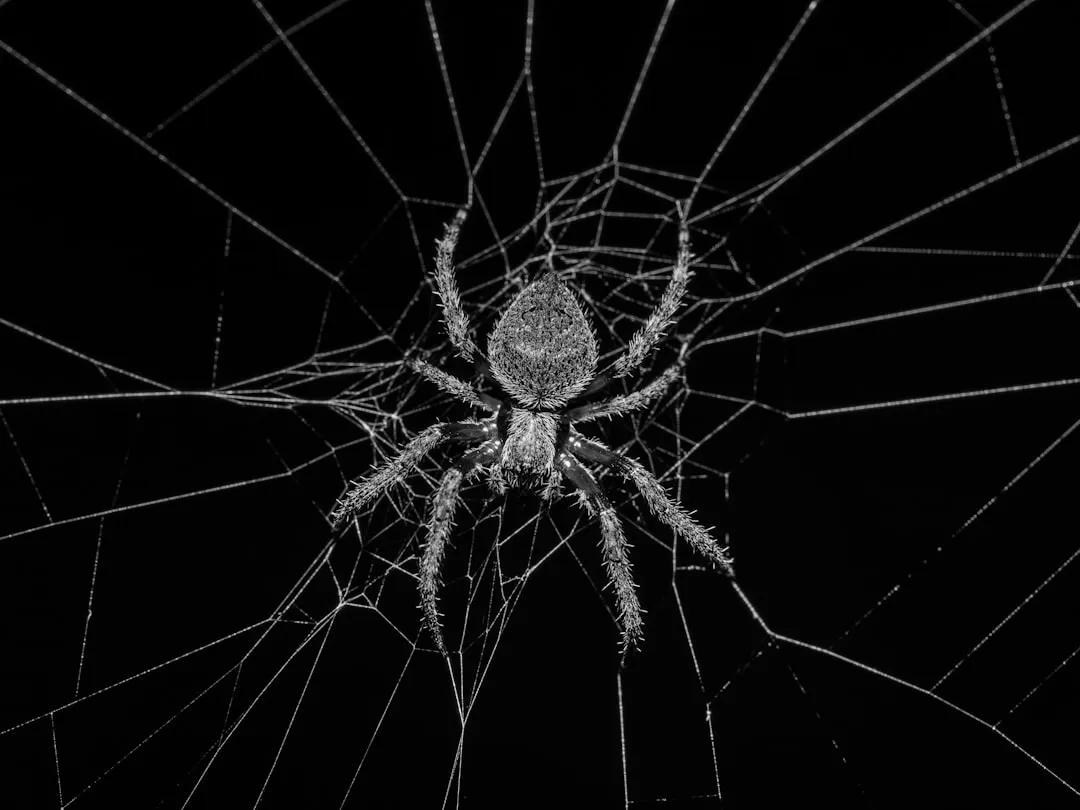
Unlike animals that go into deep sleep, spiders don’t hibernate in the traditional sense. Instead, they enter a state where their development and activity pause until conditions improve. This state is called diapause, and it’s an important distinction. Beyond chemical protection, spiders enter diapause, a form of physiological dormancy where metabolic activity is reduced to the absolute minimum required to maintain life. During diapause, the spider does not hunt or grow, but remains motionless, conserving energy and relying on stored fat reserves until the environment becomes hospitable again.
Temperature Is the Main Trigger
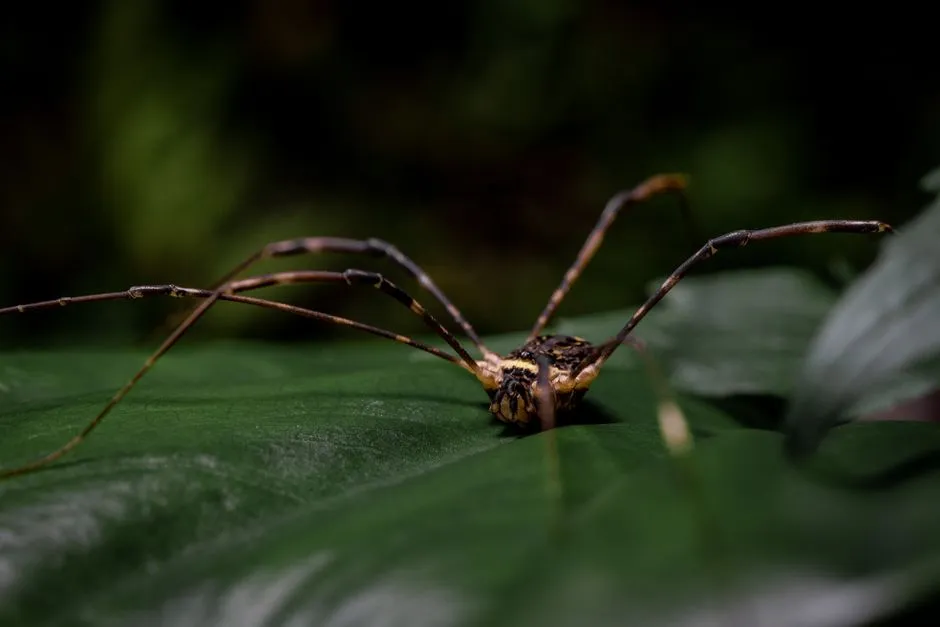
As the seasons shift and temperatures plummet below 50°F, most spiders become significantly less active, entering a survival mode to cope with the cold. It’s not a gradual fade, either. According to the University of Kentucky’s entomology research, spiders begin seeking warm microclimates when nighttime temperatures consistently fall below 50°F (10°C). Once that threshold is crossed consistently, behavior changes quickly. In colder climates, diapause can last several months, often from late autumn through early spring. Seasonal cues such as reduced daylight and lower temperatures prompt spiders to seek safe, insulated locations for this dormant period.
Most Indoor Spiders Were Never Outside
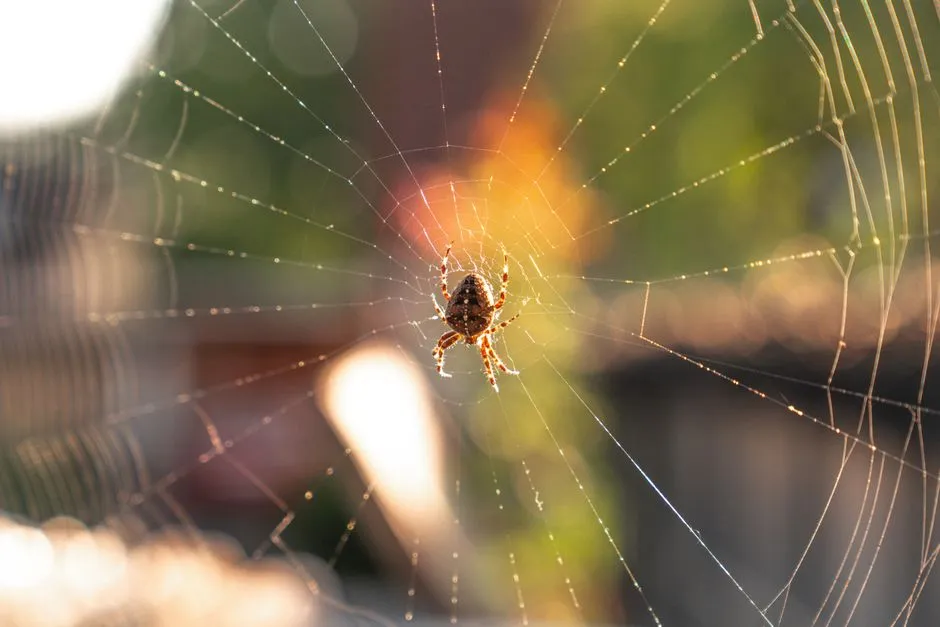
Here’s something that surprises almost everyone: generally fewer than five percent of the spiders you see indoors have ever been outdoors. The spider you spot crossing the kitchen floor in October almost certainly lived inside your walls for months before that. Spiders you see during winter usually aren’t new arrivals from outside. Most have already been living quietly inside your home and simply become easier to spot as they move around in search of food or mates.
Mating Season, Not Cold, Drives the Autumn Surge
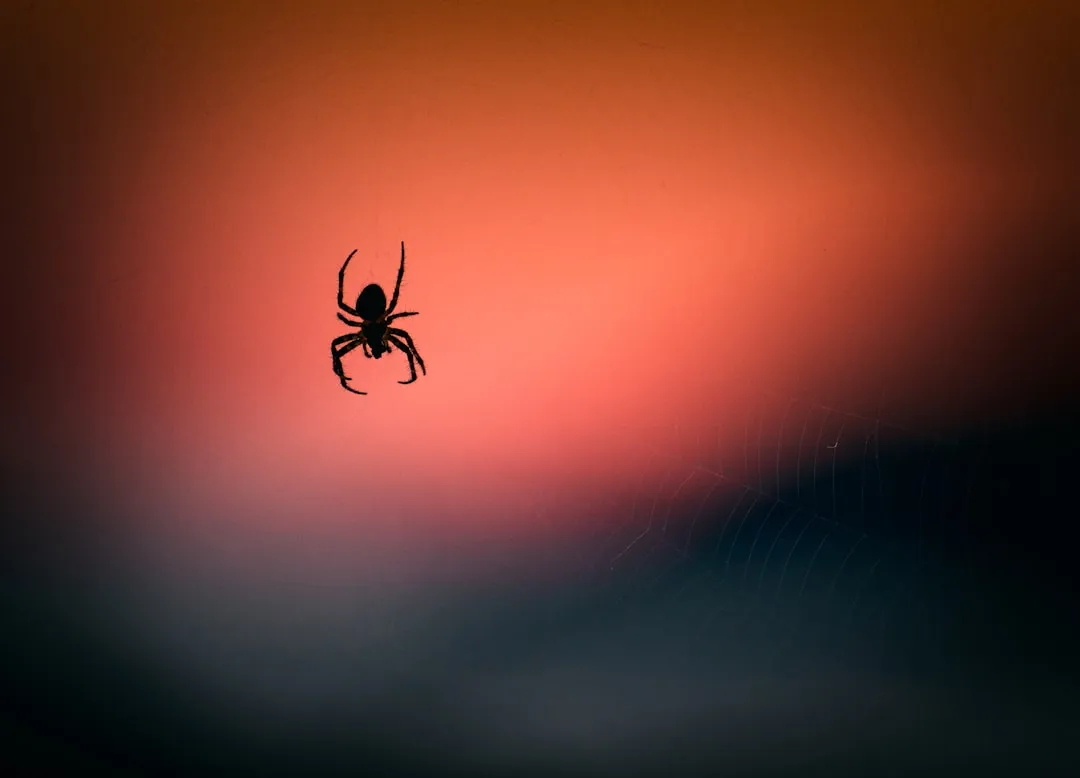
Spiders are usually most active late August through October. This window is the peak of spider season for most of North America. While different species have unique life cycles, late summer and early fall serve as the prime time for many to reach full maturity. The surge you notice in autumn isn’t a cold-weather invasion. If a large number appear at a specific season, it is usually late summer, not a notably cold time of year, and their appearance coincides with the mating season of the given species. What you are seeing is sexually mature males wandering in search of mates.
The autumn mating season runs from September through October, creating peak spider activity as males actively search for females. During this period, spiders become more mobile and venture into new territories, including residential structures. Once mating is done, the males often die, which is a major reason sightings drop sharply as winter sets in.
Where They Go When They “Vanish”
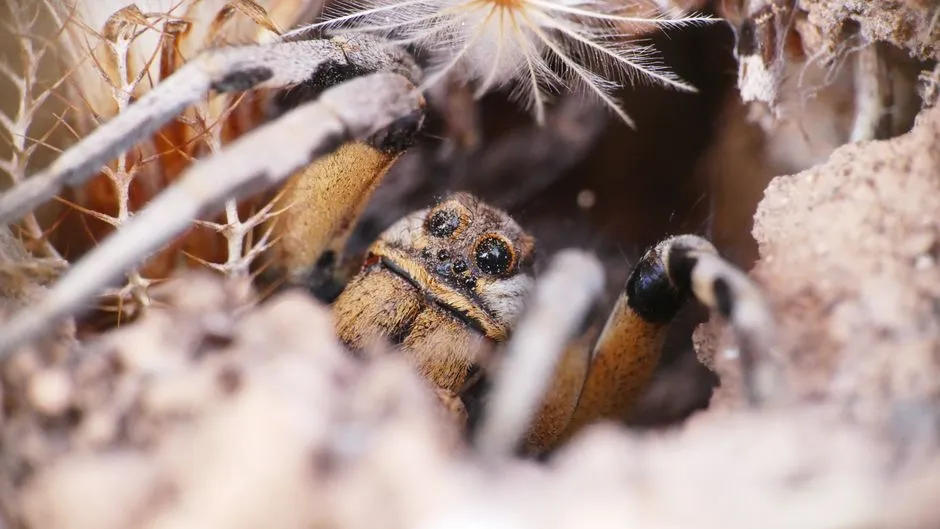
The females and young remain hidden for the most part, in crawlspaces, storage areas and other neglected rooms, as well as wall and floor voids and behind furniture and appliances. They don’t disappear, they just retreat to places you’re unlikely to disturb. Basements, garages, bathrooms, crawl spaces, and storage rooms give spiders a place to hide. These areas often stay warmer than the outside air and offer insects for food.
The Antifreeze Spiders Produce on Their Own
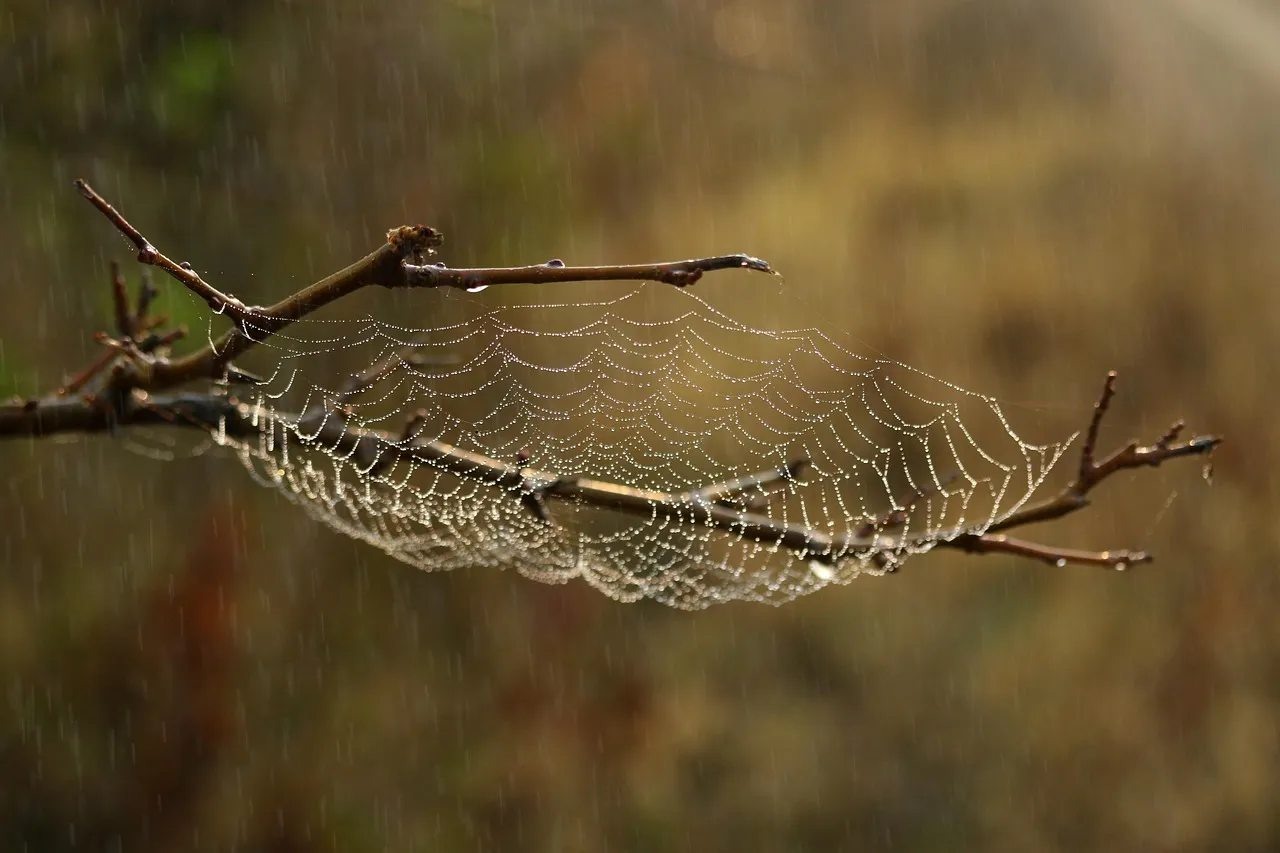
When spiders sense the change in the weather, they produce a chemical called polyhydroxy alcohol. This is their bodies’ antifreeze. It will build up to protect the spider from the cold and then go away once warmer temperatures set in. Research published in late 2025 deepened our understanding of this process considerably. Spiders of the Clubiona genus, which are among the most important natural enemies of pests found in orchards, are active during the winter. New research in The FEBS Journal reveals that these spiders produce antifreeze proteins that bind to ice crystals and prevent their growth at sub-zero temperatures, helping the animals avoid freezing. Some spider species, like certain wolf spiders, even produce natural antifreeze compounds through cold-hardening, allowing them to survive surprisingly low temperatures, sometimes even below freezing.
Some Species Die Off, But Leave Eggs Behind
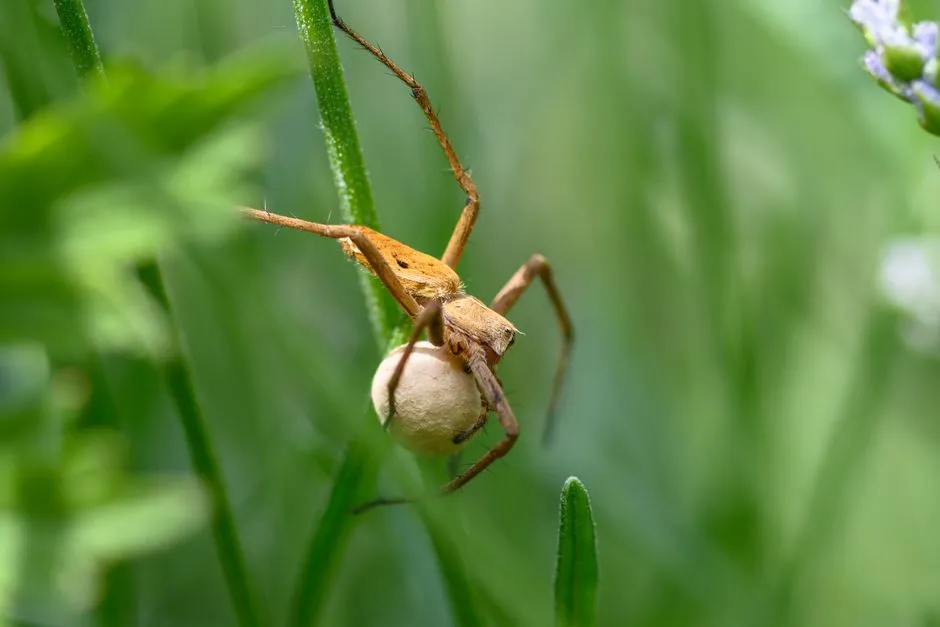
Not every adult spider makes it through winter. In many species, adults die after mating or after laying egg sacs in late fall, while the eggs stay protected inside silk sacs until spring. This is common in orb weavers and garden spiders. It can look like a total disappearance, but it’s really a generational handoff. Their egg sacs often survive the cold season, which is one reason you may notice new spiders later in spring. The spider is gone, but its legacy is tucked into a corner somewhere, waiting.
Outdoor Spiders Hide in Microhabitats
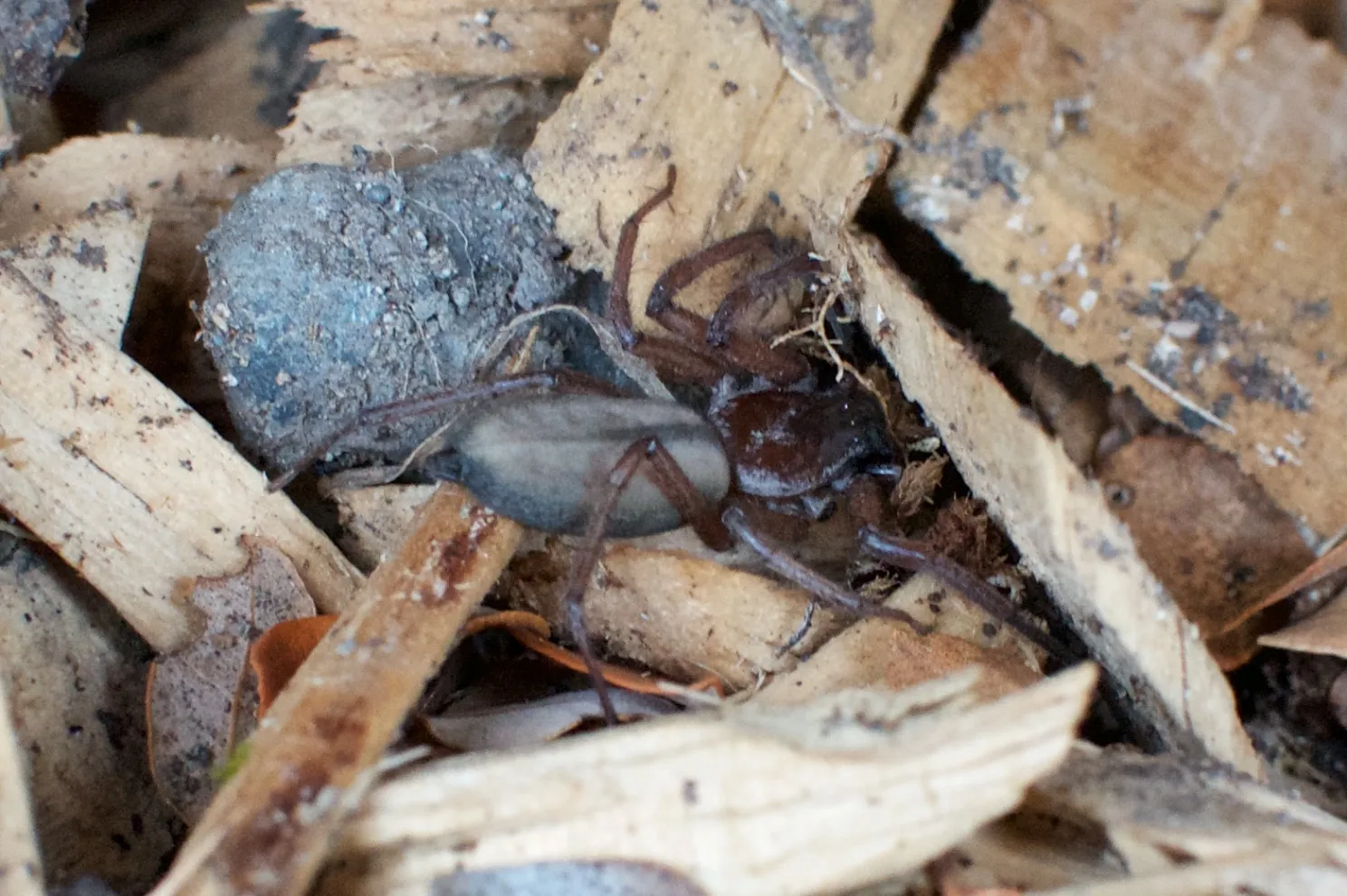
Spiders that do stay outside don’t just sit in the open and tough it out. Ground-dwelling species burrow into soil or hide beneath rocks and bark. Web-building spiders often settle into protected areas such as hollow logs, stacked firewood, loose siding, or sheds. These locations create surprisingly stable thermal environments. A spider under bark, inside leaves, or deep in a wood pile avoids the same cold as a spider in open air. Those small protected spaces create a milder microclimate that can make survival much easier.
They Follow Their Prey, Not the Warmth
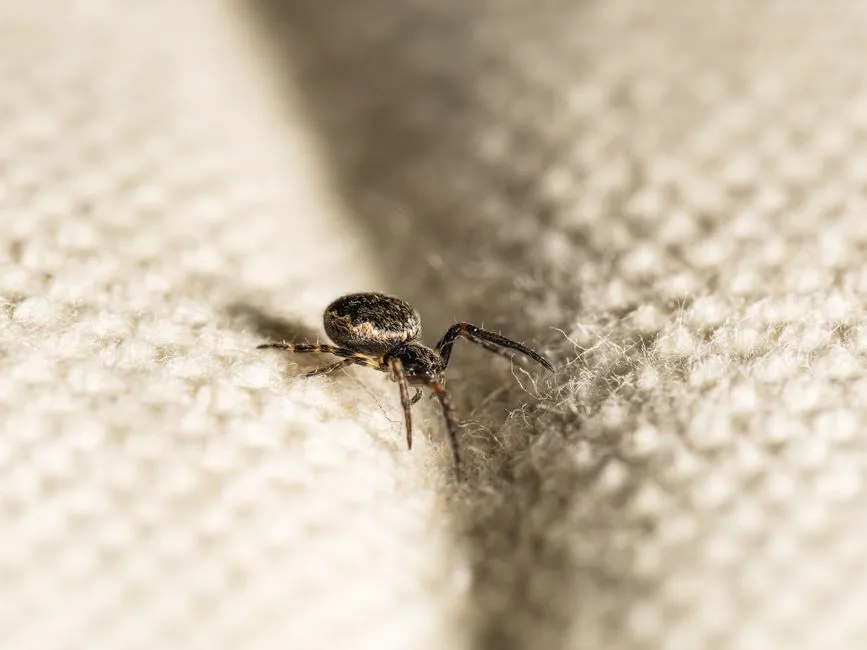
A common assumption is that spiders move indoors because they’re attracted to heat. That’s not quite right. Spiders are “cold-blooded” and not attracted to warmth. They don’t shiver or get uncomfortable when it’s cold, they just become less active and eventually, dormant. What actually draws them deeper into a building is food. Common insects that draw spiders indoors during winter include cluster flies, fungus gnats, and beetles. As these pests enter homes seeking warmth, spiders follow closely behind.
Climate Change Is Shifting the Pattern
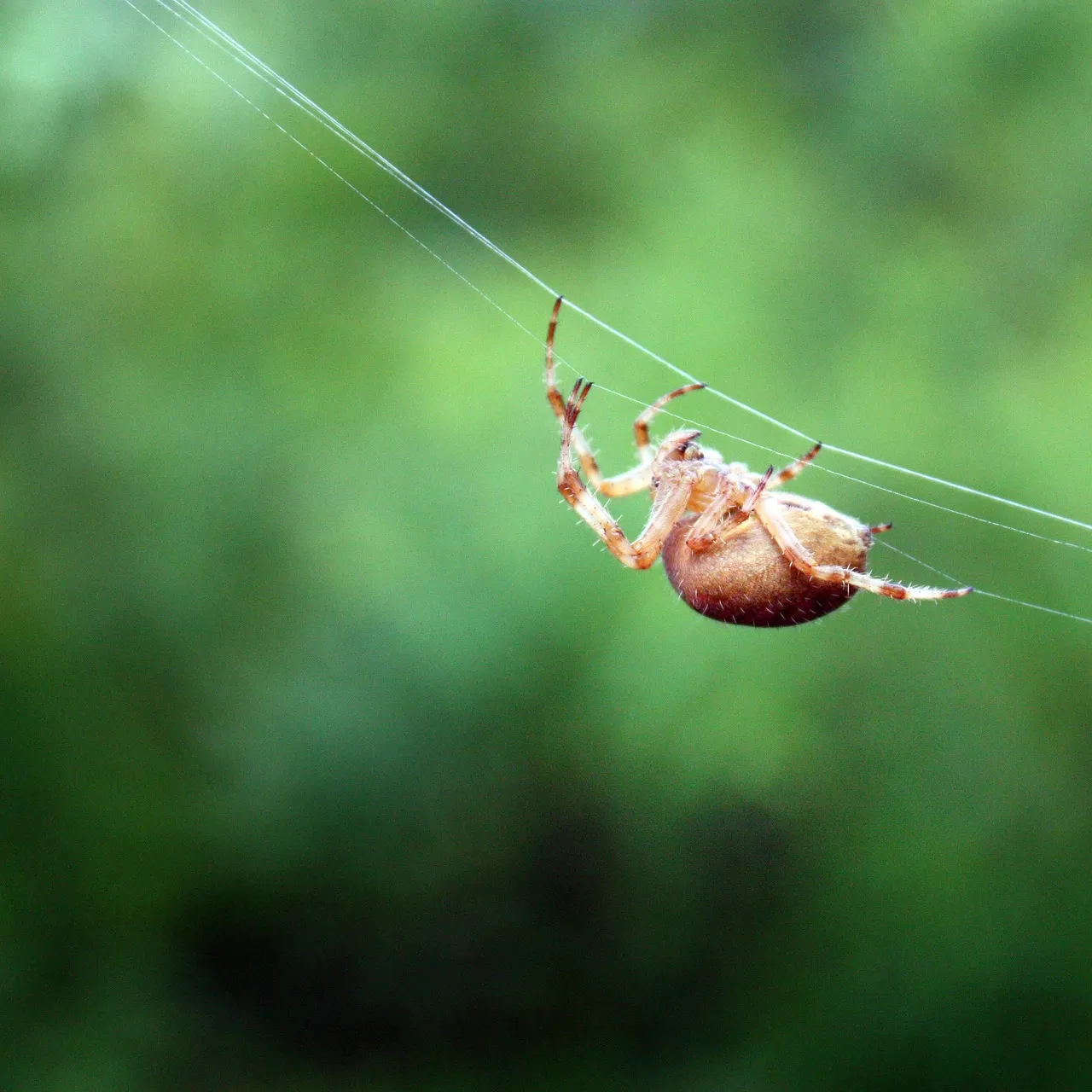
Warmer winters caused by climate change are starting to affect spider behavior. In areas where cold temperatures used to force spiders into diapause, milder conditions may allow them to stay active longer or reproduce more often, which can lead to larger populations and earlier activity in the spring. The timing of the vanishing act may start to shift as a result. In some regions, certain species may begin to show up at different times of year or even expand into new areas that were once too cold for the spiders to survive. These changes could lead to more frequent indoor sightings, especially during what used to be low-activity months.
The Takeaway
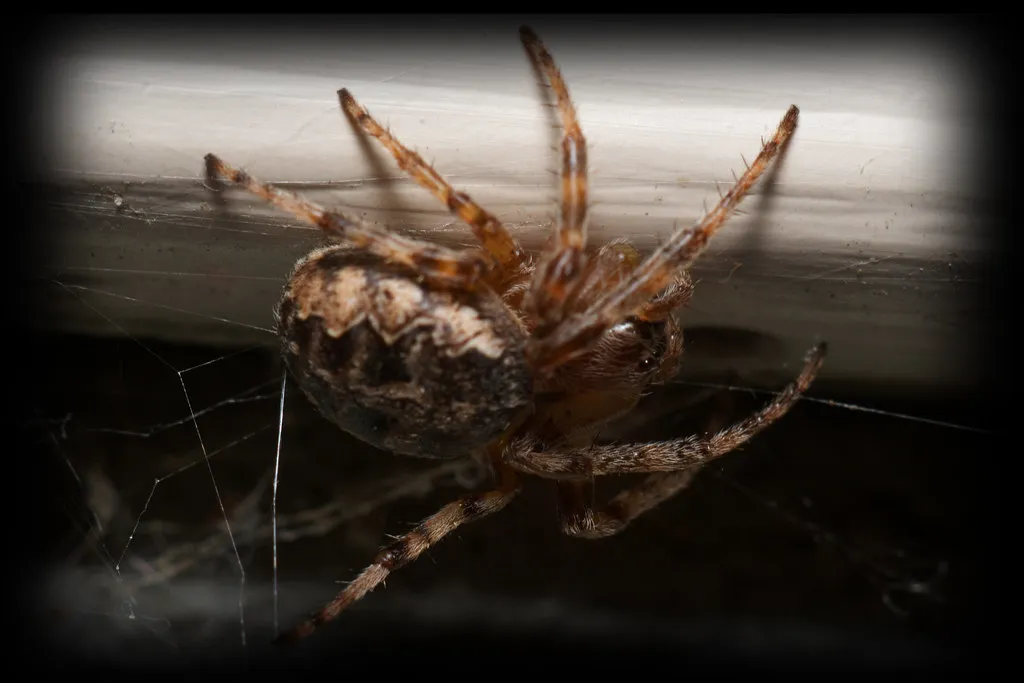
Spiders don’t vanish before winter. They relocate, go quiet, or complete their life cycle on schedule. The disappearance from a room is less about cold and more about the end of mating season, a shift in prey location, and a retreat to darker, less-trafficked corners of your home.
As the seasons change and the weather gets colder, you may notice spiders less, but that doesn’t mean they’re gone. While it might seem like spiders disappear during the colder months, most are still around but less active. Some slow down their bodies to conserve energy, while others lay eggs and die off before winter arrives. What looks like a disappearance is really just a very effective hiding strategy, refined over hundreds of millions of years.
AI Disclaimer: This article was created with the assistance of AI tools and reviewed by a human editor.