

The grief that follows a parent’s death is complicated enough on its own. When a second will surfaces days, weeks, or even months after the funeral, that grief collides head-on with confusion, suspicion, and often outright conflict between siblings who thought they already understood where they stood.
This situation is more common than most families expect. Wills get revised, hidden, misplaced, or deliberately suppressed. The legal and emotional fallout can stretch on for years. Here is a close look at how and why a second will comes to light after a loved one has been buried.
People Update Their Wills More Often Than Their Families Know

Most adults do not announce every time they revise their estate plan. A parent might quietly rewrite their will following a divorce, a remarriage, a falling-out with one child, or simply a change of heart about how their assets should be divided. Ambiguous or outdated wills can spark conflicting interpretations, and by the time a newer version surfaces, siblings are often already operating under the assumptions set by an older document.
Things can be complicated for families if a loved one dies without a will, but what can be even more complicated is finding multiple wills and not being certain which one reflects their wishes at the time of death. This uncertainty is not a rare edge case. It plays out regularly in probate courts across the country, and it tends to catch families completely off guard.
Wills Are Not Always Stored in Obvious Places

Late-discovered wills are often the result of documents tucked away in drawers, left with attorneys, or stored in storage lockers. A parent might keep one version of their will in a home safe while a newer version sits with a different attorney entirely. Siblings who handle the immediate estate paperwork often work only with what they find first.
Someone can hide a will, and if the deceased did not disclose its existence or intentionally concealed its location, it may be challenging to locate. In such cases, thorough searches of personal records, legal assistance, and investigation may be necessary to uncover it. Families rarely conduct that kind of thorough search in the fog of early bereavement.
One Sibling May Control Access to Documents

Some executors find themselves in the middle of disputes and are unsure of how to move forward, while in other instances, one sibling is in charge of an estate and their brother or sister is trying to undermine the process. When one family member takes the lead on estate administration, the others often defer, at least initially. That deference can mean a second will goes unseen for a long time.
Someone could hide a will after a person’s death, but doing so is usually illegal. In most states, it is against the law to withhold an original will from the probate court. Illegally hiding a will could lead to criminal liability or a civil lawsuit, and could also cause the person who hid it to be barred from receiving an inheritance. Despite those serious consequences, it still happens.
Legal Access to the Will Is Restricted

You might assume that you and your siblings have an equal right to see your parents’ will or trust after they’ve passed away. However, most states limit the viewing of will and trust documents to persons named as beneficiaries. This restriction means a sibling who was left out of a newer will may not even know it exists until it is formally filed.
When a parent passes away, it may not immediately be clear which parties have inheritance rights, especially if the parent’s estate planning documents have not yet been located. The gap between death and the formal probate process is often when the most damaging assumptions take root. Siblings start dividing belongings informally, make financial plans based on the known will, and sometimes complete transactions before anyone realizes there is another document out there.
Blended Families Dramatically Increase the Risk
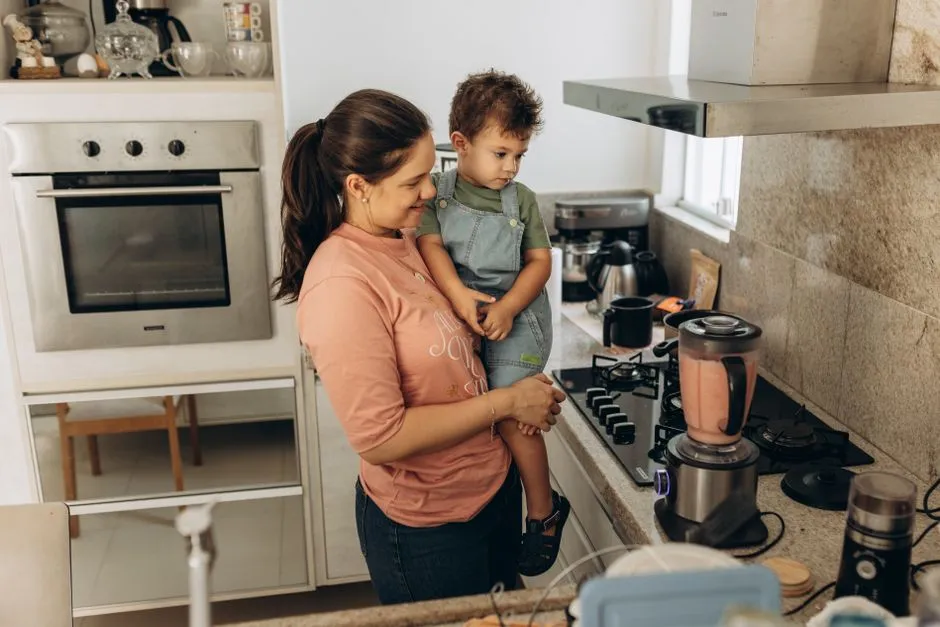
Estate planning can get even more complicated when siblings do not all share the same parents. If a father divorced and remarried in midlife, their will might also have to account for any additional children they had with their new spouse. A parent in a blended family may have written one will early in life and another after remarrying, with very different beneficiaries named in each version.
Children from multiple marriages often have different expectations about inheritances. Those expectations rarely get discussed openly within the family, which means a second will can rewrite what everyone believed was settled. The sibling from a first marriage and the step-sibling from a second may each be holding onto a version of the will that favors them.
Caregiver Dynamics Can Trigger a Last-Minute Rewrite
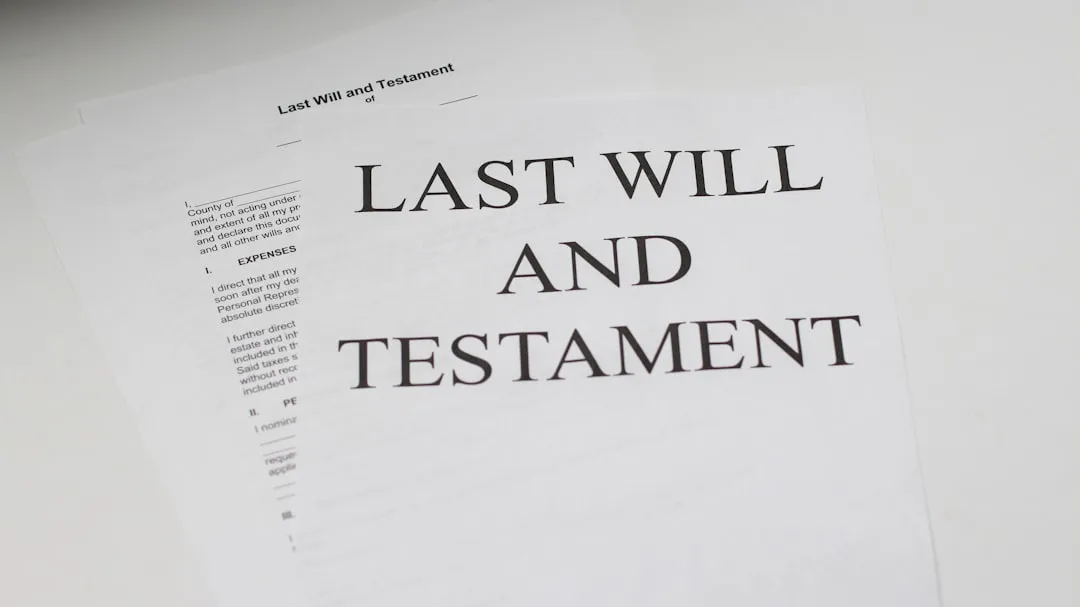
A child who cares for a parent may be left more than their siblings, which often leads to accusations of undue influence. When one sibling moves in with an aging parent or takes on the bulk of caregiving, they also gain more daily access to that parent’s decisions and paperwork. A will drafted during that period may look very different from an earlier one.
Siblings can petition the court for a larger share of a parent’s estate if they spent more time caring for the deceased parent than their brothers or sisters, and also if they incurred more expenses on their parent’s behalf. The caregiver’s moral claim can feel strong, but when it is backed by a newly signed will, the legal conflict it creates is usually severe. Other siblings often question whether the parent was genuinely acting freely.
Courts Must Sort Out Which Version Is Valid
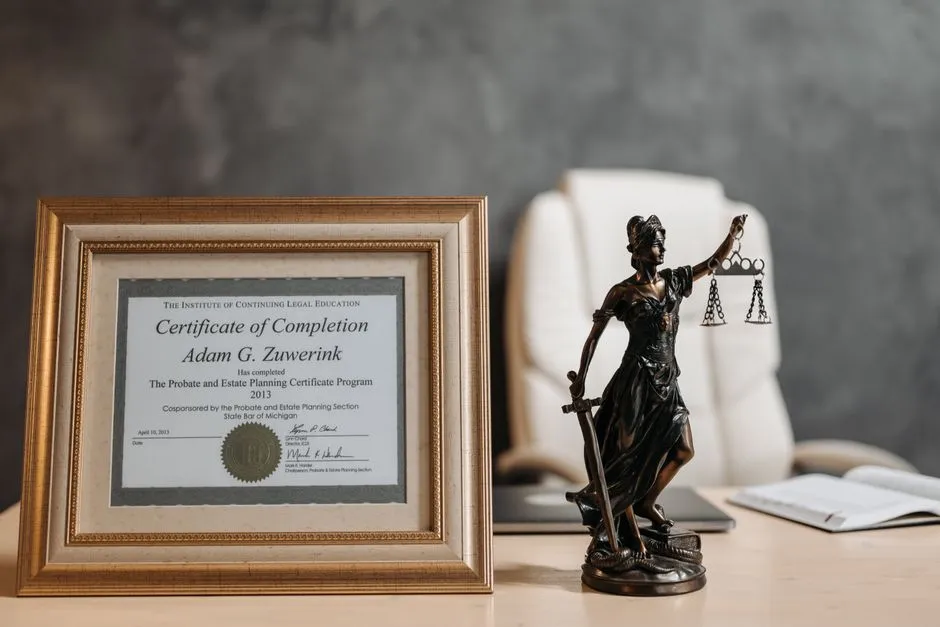
All wills should be presented to the probate court for a judge to decide. Typically, courts accept the one with the most recent date. However, it must also meet the state’s legal requirements for a valid will. That requirement opens the door to challenges, especially if the newer will was drawn up when a parent’s mental capacity was in question.
If a valid will is found after probate has begun under the assumption that no will existed, the court may pause the current proceedings. The newly discovered will must be authenticated, and if deemed valid, it overrides previous probate decisions. This can lead to a new executor being appointed and may alter how the estate is distributed. In other words, everything siblings believed was settled can be undone.
Contesting the Second Will Is Costly and Slow

When a sibling files a contest, probate essentially freezes and no assets can be distributed until the dispute is resolved. Contesting a will is expensive and time-consuming, typically taking six months to several years depending on the complexity of the case and court backlogs. During this time, the estate pays legal fees to defend the will, which reduces the inheritance available to all beneficiaries.
Because these proceedings can be time-consuming and expensive, early legal intervention can help siblings explore settlement before the conflict escalates. Mediation is often a valuable tool in sibling inheritance disputes, and with the help of a neutral mediator, family members can address both the legal and emotional aspects of the disagreement in a confidential setting. This process may preserve relationships while avoiding the uncertainty and expense of a trial.
Will Challenges Are Rising, Not Falling

In 2024 to 2025, 122 wills were challenged by families who said they were invalid, a 61 percent increase compared to 2020 to 2021, when just 76 were disputed, according to Ministry of Justice data revealed by a Freedom of Information request. That trend tracks with an aging population, more complex blended family structures, and growing awareness among beneficiaries that they have legal options.
Families can challenge wills on the basis of validity if the documents were not completed properly, if the person making the will did not have mental capacity when it was written, or if they were under undue influence. These are precisely the arguments that tend to arise when a second will appears shortly before or after a parent’s death under suspicious circumstances.
What Siblings Can Do When a Second Will Surfaces

Discovering a will after the probate process can significantly alter the distribution of an estate, necessitating immediate action to reassess inheritances and legal standings. If the will appears post-probate, it may prompt reopening the estate through court, involving probate lawyers to navigate potential changes in asset distribution and address new or previously unconsidered debts.
Executors are expected to pause distributions and safeguard the estate’s vulnerable assets, lodge the newly found paperwork with the court within the mandated timeframe, and remain entirely neutral, avoiding any temptation to hide the document to protect the original plan. For siblings who are not the executor, the clearest first step is to get independent legal advice quickly, because probate disputes are highly time-sensitive, and delays can affect an interested party’s ability to challenge the validity of a will.
The Takeaway

A second will surfacing after a funeral is rarely a clean legal puzzle with a tidy resolution. It lands in the middle of grief, uneven family dynamics, and long-standing tensions that the deceased may have quietly reinforced or ignored for years. The legal process provides a framework, but it cannot undo the shock of finding out that what you were told and what was actually written are two different things.
The best protection, for parents and adult children alike, is open communication about estate plans before death makes those conversations impossible. A will discovered in a drawer after the burial is always harder to understand than one explained at the kitchen table while everyone is still present and able to ask questions.
AI Disclaimer: This article was created with the assistance of AI tools and reviewed by a human editor.