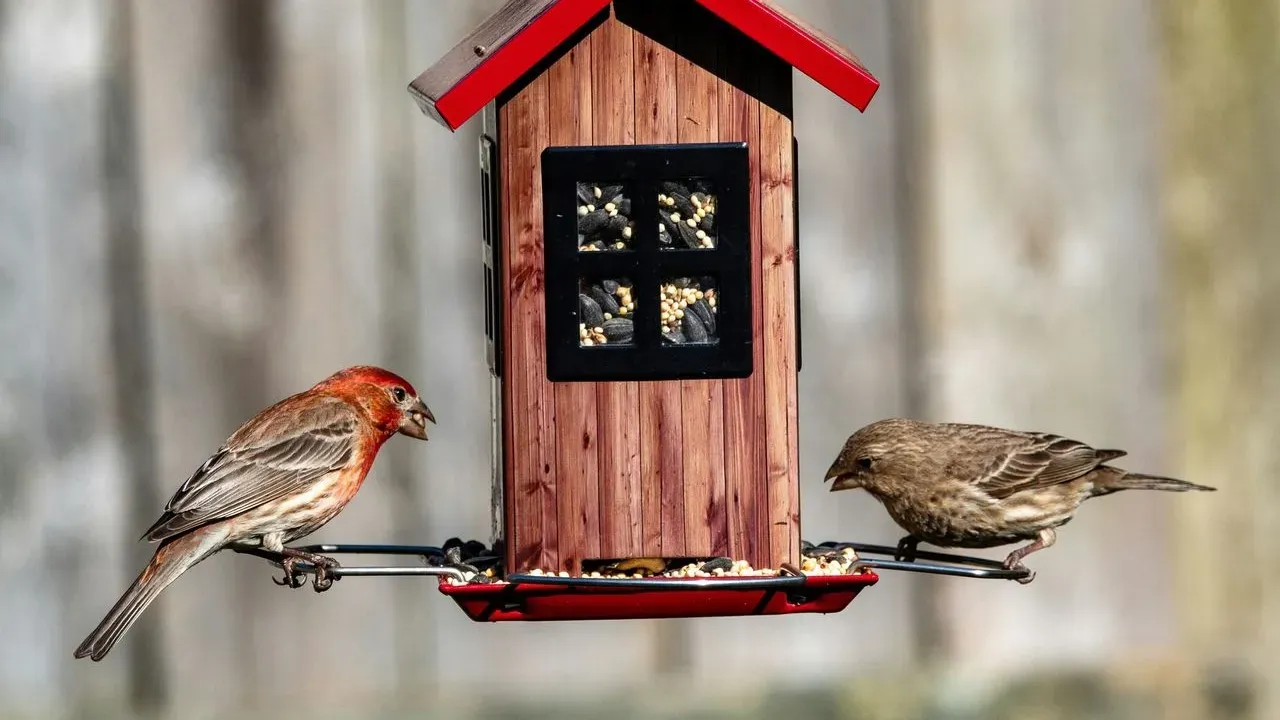

Many homeowners discover that attracting a steady stream of wild birds requires far less money than expected. Small adjustments to existing space often prove enough to draw species that might otherwise pass by unnoticed. The approach centers on working with what is already present rather than purchasing specialized equipment.
Why Birds Respond to Modest Changes
Birds seek reliable food, water, and cover in any season. When these elements appear together in one location, the yard quickly becomes a regular stop on local flight paths. Even urban or suburban properties can support several species once basic needs are met.
The shift often happens within weeks rather than months. Property owners who begin with observation notice patterns in which birds already visit and which resources they lack. This simple assessment guides the next steps without guesswork. The result is a habitat that feels natural rather than constructed.
Using What Already Exists
Existing trees, shrubs, and even patches of grass provide the foundation for shelter and nesting sites. Leaving a corner unmowed or allowing leaf litter to remain supplies insects and seeds that many birds prefer. These zero-cost actions create immediate value.
Native plants already growing on the site usually support local bird populations better than new introductions. Adding a few more of the same species strengthens the effect without additional expense. Over time the yard develops layers of vegetation that offer protection from predators and weather.
Providing Water and Food on a Budget
A shallow dish or repurposed container filled with fresh water draws birds more reliably than many feeders. Placement near cover reduces risk and encourages longer visits. Refilling the water every day or two maintains interest through dry periods.
Seeds scattered on a flat surface or in a simple tray work as well as commercial feeders for many species. Kitchen scraps such as unsalted nuts or fruit pieces can supplement the offering when used sparingly. The key remains consistency rather than variety or volume.
Building Long-Term Value
Once birds establish routines, the yard gains ongoing benefits that extend beyond enjoyment. Insect populations often decline naturally as birds forage, reducing the need for other controls. The presence of birds also signals a healthier overall ecosystem. Regular but light maintenance keeps the space welcoming without demanding daily effort.
Seasonal adjustments, such as ensuring water remains available in winter, sustain the habitat year-round. Homeowners report that the initial small investments continue to pay dividends in both wildlife activity and personal satisfaction. The transformation ultimately rests on patience and observation rather than spending. Yards that begin with modest changes frequently become reliable refuges for multiple species within a single season.
AI Disclaimer: This article was created with the assistance of AI tools and reviewed by a human editor.